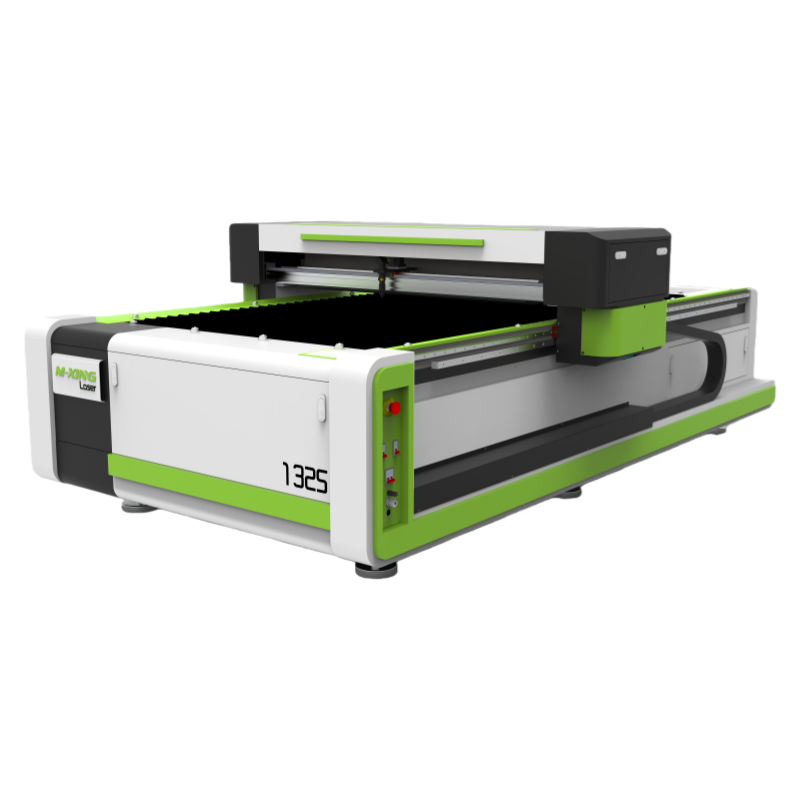
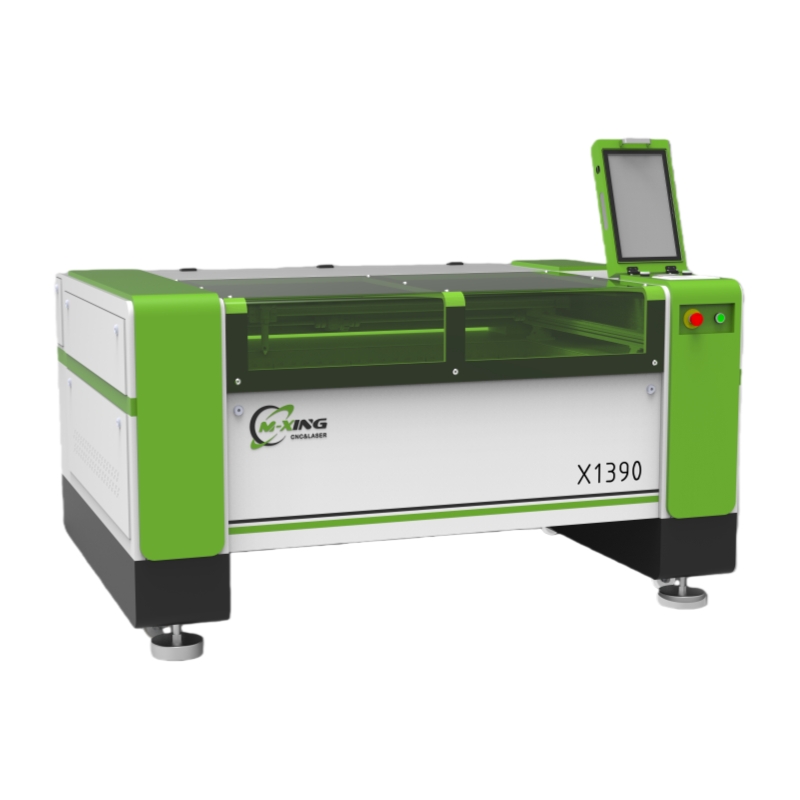
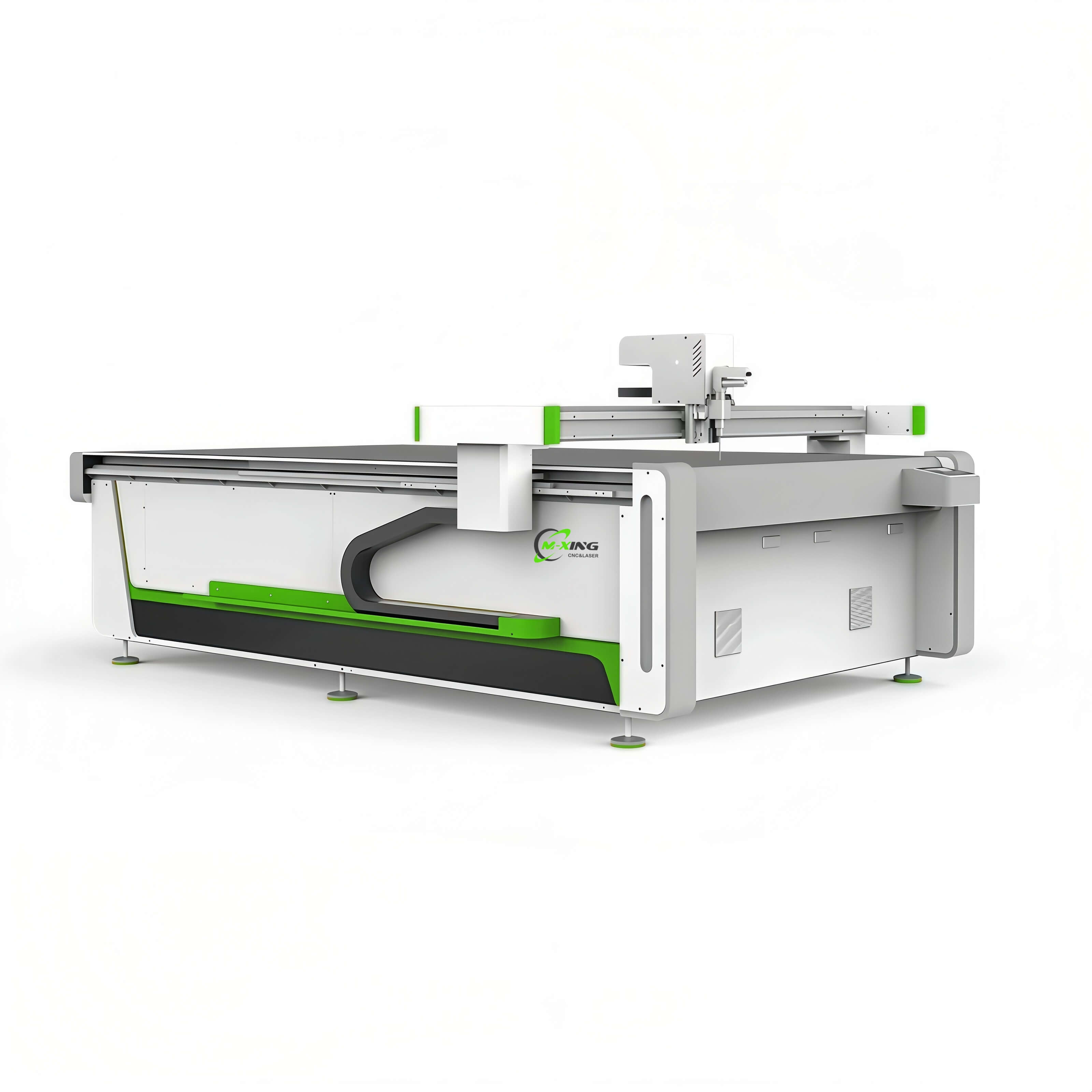
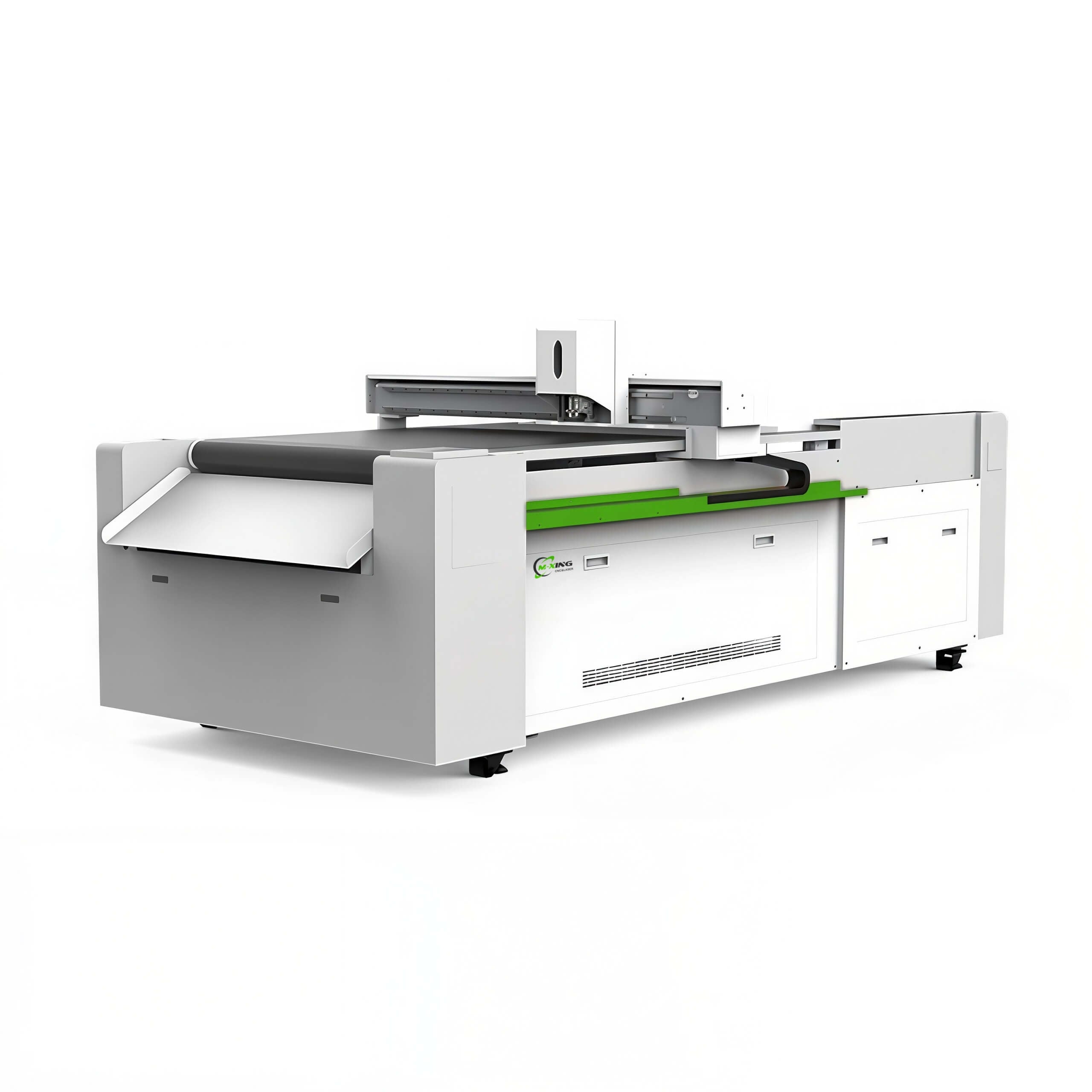
A CO2 laser cutting machine for non-metal materials can process many organic and polymer-based sheets, but successful results depend on material chemistry, thickness, airflow, and required finish.
For information researchers, the most useful answer is not simply a list of compatible materials. The key question is whether a material cuts safely, cleanly, consistently, and economically.
CO2 lasers are especially effective on materials that absorb infrared light around the 10.6-micron wavelength. Acrylic, wood, leather, fabric, paper, rubber, and selected plastics are common examples.
However, compatibility does not automatically mean suitability for production. Some materials create excessive smoke, melt at the cut edge, release hazardous gases, or require specialized extraction systems.
Before buying or operating a machine, users should evaluate the intended substrate, maximum thickness, finished-product standards, ventilation requirements, and expected production volume together.
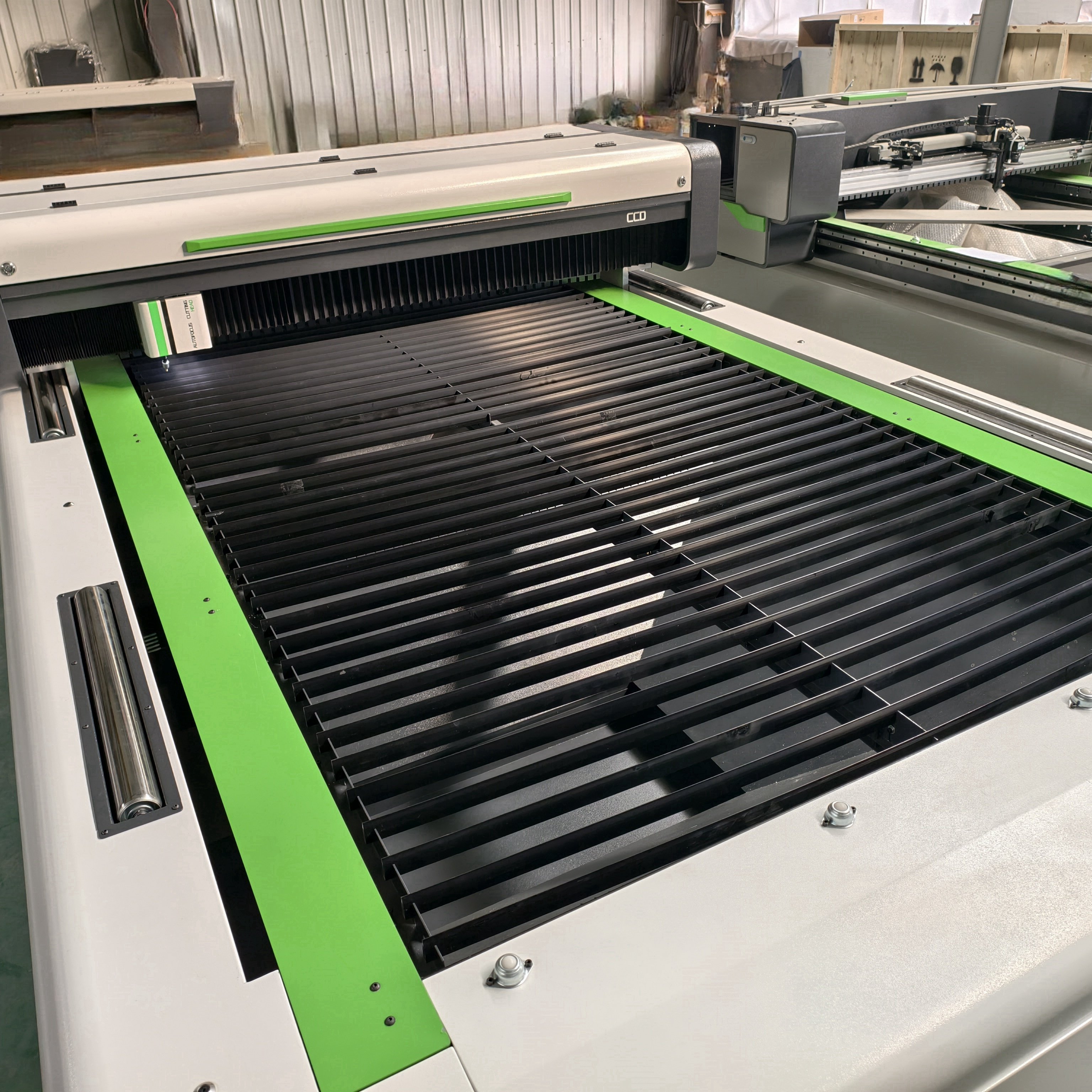
A CO2 laser produces infrared energy that is readily absorbed by many non-metal materials. The absorbed energy heats, vaporizes, burns, or melts a narrow cutting path.
This process is contactless, which means there is no cutting blade to dull, deform, or physically stress delicate sheets, fabrics, and flexible materials.
Material response varies significantly. Wood generally vaporizes and chars slightly, acrylic vaporizes with a polished edge, while some thermoplastics melt before fully separating.
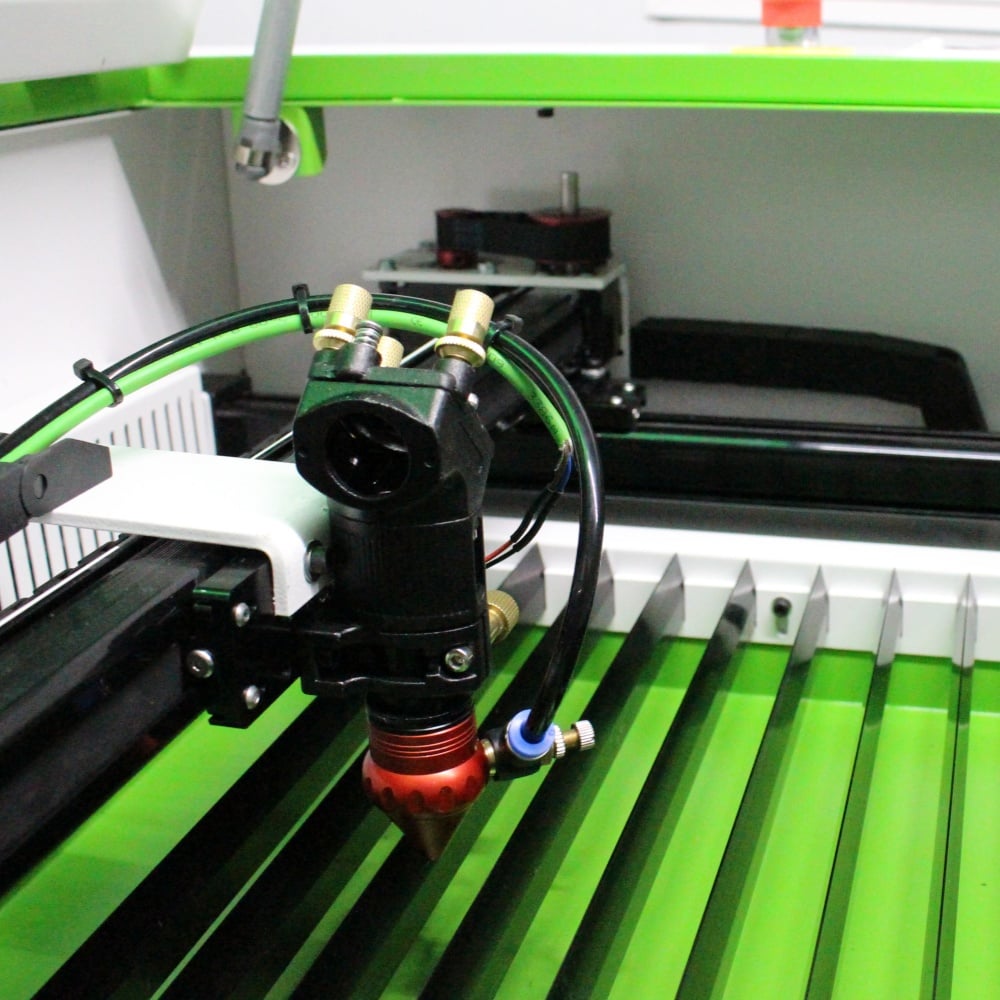
Laser power is only one part of the equation. Lens focal length, nozzle design, air assist, cutting speed, worktable type, and exhaust efficiency strongly affect results.
A lower-power machine can produce better edges than a high-power machine when settings are optimized correctly for thin material, clean optics, and stable beam alignment.
For most workshops, a CO2 laser cutting machine for non-metal materials is valuable because one platform can support prototyping, custom orders, engraving, marking, and repeat production.
Acrylic is widely considered one of the most suitable materials for CO2 laser processing. It cuts accurately, engraves clearly, and supports applications from signage to display components.
Cast acrylic usually produces a frosted engraved appearance and polished cut edges. Extruded acrylic can cut smoothly but may create a different engraving contrast and melting behavior.
Clear, colored, fluorescent, mirrored, and opaque acrylic sheets can all be processed, although coatings and adhesives should be tested before full production begins.
Typical applications include retail signs, illuminated letters, trophies, keychains, control-panel covers, decorative panels, packaging displays, and precision-cut prototypes.
Thickness capability depends on laser power, lens selection, acrylic quality, and desired edge quality. Thin sheets cut quickly, while thicker acrylic demands slower cutting and strong exhaust.
Users should remember that an attractive polished edge may require a balanced speed and power setting. Excessive heat can create flame marks, edge distortion, or localized stress.
For businesses producing branded products or visual display parts, acrylic often offers the clearest return because it combines premium appearance, repeatability, and straightforward laser compatibility.
Natural wood is another strong candidate for CO2 laser cutting, especially for decorative products, packaging, furniture components, architectural models, crafts, and personalized merchandise.
Plywood, MDF, veneer, bamboo, basswood, birch, walnut, cherry, and poplar are commonly used. Each material responds differently because density, resin content, grain, and glue vary.
Solid wood can show darker edges and uneven results where the grain changes. This is normal, but it may be undesirable for products requiring perfectly uniform light-colored edges.
Laser-grade plywood is preferable for production because its internal adhesives are designed for cleaner cutting. Standard construction plywood may contain voids, inconsistent glue, or unsuitable layers.
MDF cuts efficiently and engraves well, but it creates considerable smoke and dark edges. Reliable extraction and filtration are particularly important when processing fiberboard materials.
Wood thickness should be selected according to the required detail. Thin sheets support intricate patterns, while thick panels may limit small features and increase charring around narrow slots.
Masking tape or protective film can reduce surface smoke staining. Air assist also helps control flames, clears debris, and improves consistency on repeated wooden parts.
CO2 lasers are highly useful for cutting flexible non-metal materials because the beam seals many synthetic fabric edges while preserving intricate shapes and repeatable patterns.
Natural leather, suede, synthetic leather, felt, denim, cotton, polyester, silk, canvas, and selected technical textiles can be processed with suitable settings.
Leather is popular for customized accessories, footwear components, labels, wallets, notebook covers, furniture details, and promotional products. Vegetable-tanned leather generally engraves particularly well.
Not every leather-like product is safe. Artificial leather may contain PVC or unknown additives, so suppliers should provide material safety information before laser processing.
Fabric cutting benefits from vacuum hold-down tables, honeycomb beds, and careful focus control. These features prevent lightweight textiles from lifting, shifting, or catching at the edges.
Synthetic fabrics can melt and seal effectively, which reduces fraying. Natural fabrics may char more easily, requiring higher speed, lower power, and carefully controlled air assist.
For garment, upholstery, and accessory manufacturers, laser cutting is especially valuable where small batches, frequent design changes, and complex outlines make die cutting less practical.
Paper-based materials are among the easiest substrates to cut with a CO2 laser, but they demand careful power control because they ignite and discolor more quickly than acrylic.
Compatible options include paper, cardstock, cardboard, corrugated board, kraft paper, art paper, laminated packaging board, and many specialty invitation or craft papers.
Common products include gift packaging, greeting cards, wedding stationery, labels, sample boxes, presentation folders, product inserts, book covers, and detailed paper decorations.
Low power, high speed, and dependable air assist are normally required. The goal is complete separation with minimal browning, especially on white, pale, or premium papers.
Honeycomb worktables support small pieces and reduce back reflections, but they can leave smoke marks underneath. A clean support surface helps improve presentation quality.
Corrugated cardboard can be cut efficiently for prototypes and short-run packaging. It is often faster to revise digital designs than to manufacture a new physical cutting die.
For packaging teams, laser cutting is most practical for samples, luxury packaging, customization, and limited editions rather than high-volume commodity cartons requiring maximum throughput.
CO2 laser cutting machines can process certain rubber and foam materials effectively, particularly when users need custom seals, stamps, inserts, protective packaging, and cushioning components.
Laser-safe rubber is commonly used for stamp production because the laser can engrave deep relief patterns while cutting the finished stamp shape in the same workflow.
EVA foam, PE foam, neoprene foam, polyurethane foam, and selected gasket materials can also be processed, although results depend on density, additives, and thickness.
Foam materials generally cut quickly, but they can melt, shrink, or leave residue. Trial cuts are essential before committing to production settings or large material orders.
Industrial gasket applications require greater caution. The material must meet performance specifications beyond cutting quality, including temperature resistance, chemical resistance, compression behavior, and dimensional tolerance.
Some rubber compounds generate unpleasant or hazardous fumes. A supplier’s safety documentation should be reviewed, and an appropriate fume extraction system should be treated as essential equipment.
When material compatibility is confirmed, laser processing can reduce tooling costs for prototypes and low-volume gasket production, especially when designs contain holes, curves, or customized dimensions.
Many buyers assume that every plastic sheet can be processed with a CO2 laser. This assumption is incorrect and can create safety, quality, and maintenance problems.
Acrylic is the most dependable laser-cut plastic. PETG, Mylar, Delrin, some ABS grades, and certain polycarbonate applications may be possible, but testing is necessary.
Polycarbonate is generally not ideal for laser cutting because it tends to discolor, melt, carbonize, and produce poor edges. Mechanical cutting may be a better option.
Polypropylene and polyethylene can melt excessively and may form uneven edges. They can sometimes be engraved or lightly cut, but results are often less predictable than acrylic.
PVC, vinyl, and materials containing chlorine must never be laser cut. They can release corrosive hydrogen chloride gas, damage machine components, and create serious health hazards.
Unknown plastics should also be avoided until their composition is verified. Labels such as “plastic sheet” or “synthetic board” are not sufficient safety information.
A responsible supplier or machine operator should maintain a material approval list. This reduces avoidable safety risks and helps operators select proven settings for repeatable quality.
Material thickness is one of the most important factors when evaluating a CO2 laser cutting machine for non-metal materials. A compatible material may still be unsuitable at excessive thickness.
Thin materials generally cut faster, require less power, and preserve finer detail. Thicker sheets require slower travel, stronger laser output, and more effective smoke removal.
As thickness increases, the laser kerf can become wider and slightly tapered. This may matter for press-fit assemblies, high-precision inserts, and multi-layer products.
Longer focal-length lenses can improve deep cutting performance, although they produce a larger spot size. Shorter focal lengths are better for detailed engraving and thin-sheet cutting.
Manufacturers should define thickness based on acceptable finished quality, rather than only asking for the machine’s maximum cutting claim. Maximum capacity rarely equals optimal production capacity.
For example, a machine may technically cut a thick wooden board, yet produce substantial charring, slower cycle times, and less predictable internal corners than a thinner alternative.
Testing actual production material is more valuable than relying on generic thickness charts. Supplier samples, coatings, moisture content, and batch variation can all affect results.
Material safety is inseparable from cutting performance. A clean-looking cut does not prove that a material is safe for laser processing or suitable for an occupied workshop.
Every CO2 laser installation should include suitable exhaust capacity, properly designed ducting, regular cleaning, and an operator who understands the material-specific fire and fume risks.
Wood, paper, leather, and foam can ignite when settings are too slow or when debris accumulates. Operators should never leave an active laser cutting machine unattended.
Air assist directs airflow at the cutting point, helping suppress flames and remove debris. It also protects the lens from smoke deposits and improves edge quality.
Filtration may be necessary where exhaust cannot be discharged externally. The required filter configuration depends on the material, production volume, local regulations, and installation environment.
Material data sheets should be reviewed for coatings, flame retardants, adhesives, dyes, fillers, and backing layers. These ingredients often matter more than the visible surface material.
For factories and wholesalers, documenting approved materials and safe operating procedures strengthens quality control, protects equipment, and supports more reliable customer guidance.
The best machine configuration depends on product size, material range, detail requirements, throughput expectations, and the level of automation needed for daily production.
A compact desktop machine may suit small acrylic products, labels, crafts, and prototypes. Larger-format machines are better for signage, textile rolls, furniture panels, and packaging sheets.
Laser power should match practical cutting needs. Higher wattage improves thick-material capability and speed, but it does not replace accurate motion systems, good optics, and proper ventilation.
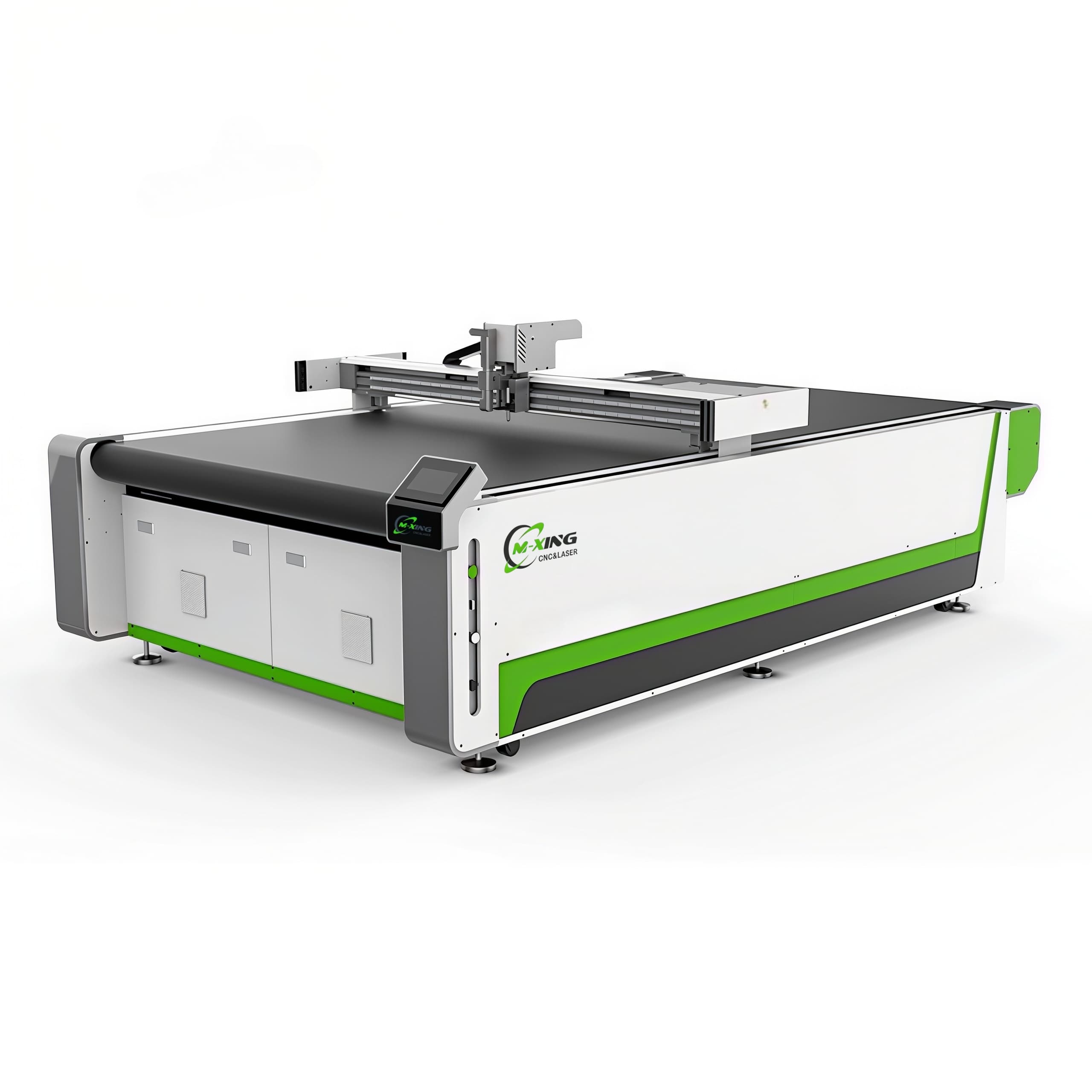
A honeycomb table works well for many sheet materials. A knife-blade or conveyor table may be more suitable for fabric, leather, foam, and flexible roll materials.
Autofocus, red-dot positioning, camera alignment, rotary attachments, pass-through doors, and nesting software can improve productivity when they match the intended application.
Buyers should ask machine suppliers for application-specific samples, recommended settings, maintenance requirements, warranty terms, and extraction recommendations based on actual material specifications.
OEM buyers should also consider controller compatibility, spare-part availability, operator training, electrical standards, and service support in their target market before finalizing procurement.
A CO2 laser cutting machine for non-metal materials is highly effective for acrylic, wood, leather, fabric, paper, cardboard, laser-safe rubber, and selected foam products.
The strongest production candidates are materials with known composition, predictable laser response, manageable fumes, and an edge quality that meets the finished product’s visual and functional requirements.
Acrylic is often the easiest choice for clean display products. Wood offers flexibility and character. Textiles enable intricate flexible parts, while paper supports rapid packaging and stationery customization.
Materials with unknown additives, excessive melting behavior, or chlorine-containing compounds should not be processed until their safety and laser compatibility are clearly verified.
Ultimately, the right choice is not simply the material that can be cut. It is the material that delivers safe operation, acceptable quality, reliable throughput, and viable production cost.
By testing real samples and selecting machine power, worktable, optics, and extraction around the intended application, buyers can make a more confident and commercially useful investment decision.
 Hot News
2026-02-05
2026-02-03
2025-12-01

Mingxing Laser is a leading China-based laser machine manufacturer offering CO2 laser cutters, fiber laser cutting machines, CNC routers, laser welders & marking machines. OEM/ODM custom solutions available. Get a quote today!
- Company Headquarters: Room 1303, Building 4, UnitedFortune Plaza, High-tech Zone, Jinan City, Shandong Province, China
- Manufacturing Plant: No. 18, Yinhe Road, Jibei Street, Jiyang District, Jinan City, Shandong Province, China
Copyright © 2026 Century Mingxing (jinan) Intelligent Technology Co., Ltd. All rights reserved. Privacy Policy

 EN
EN