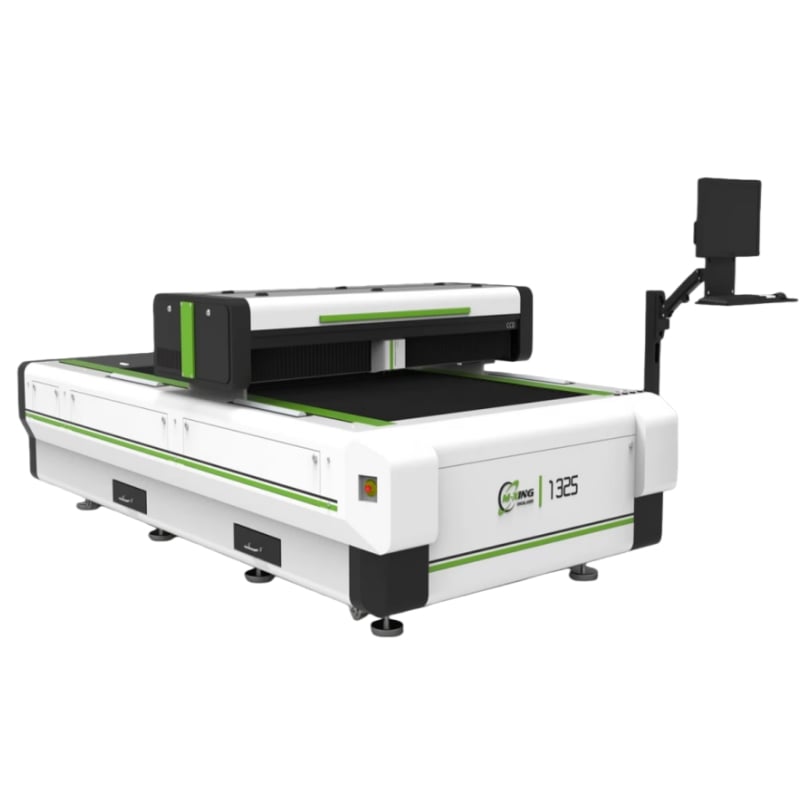
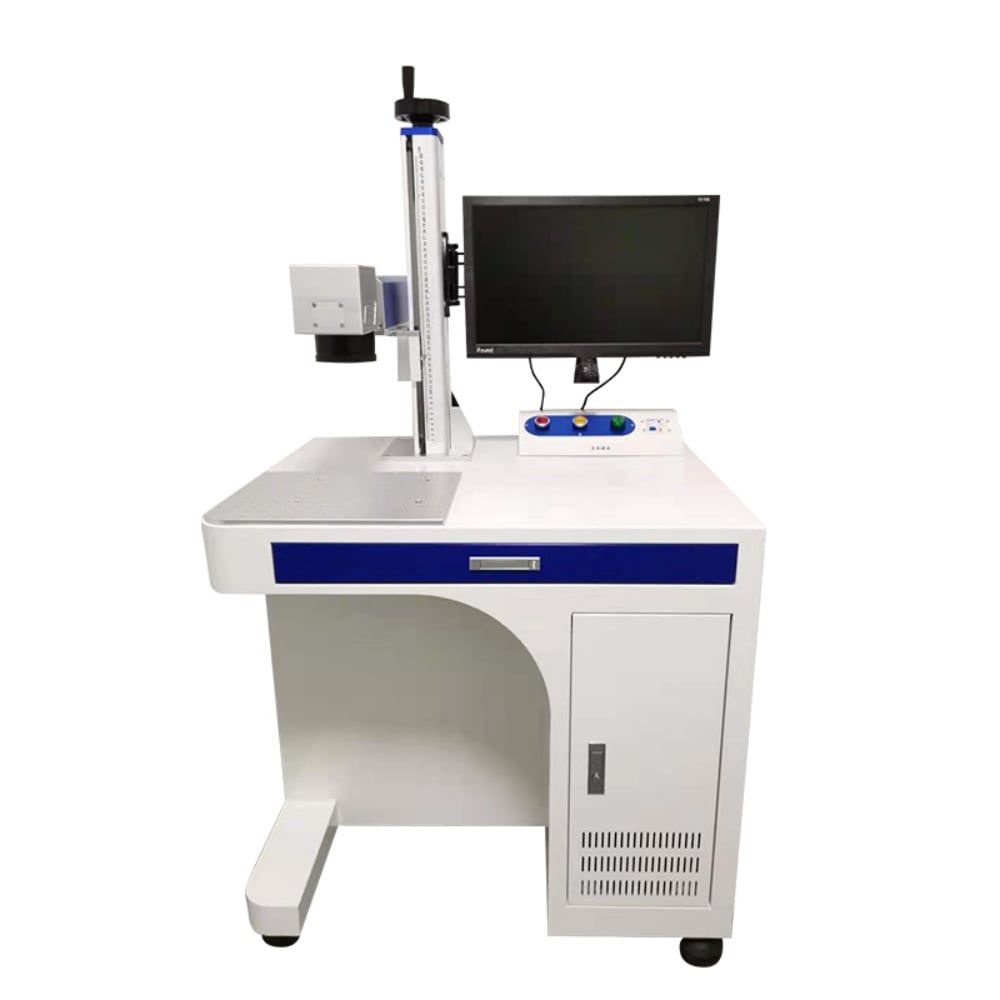
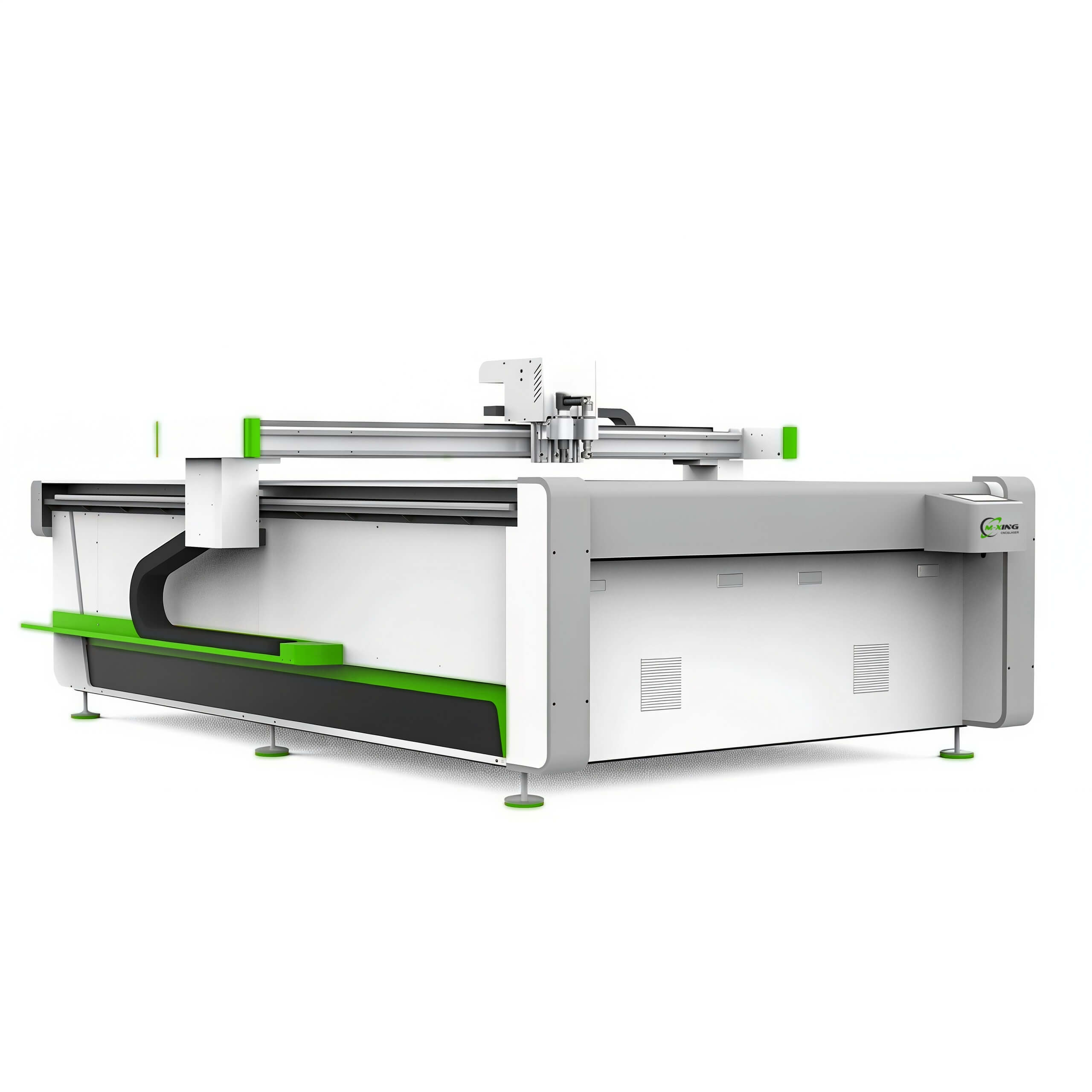
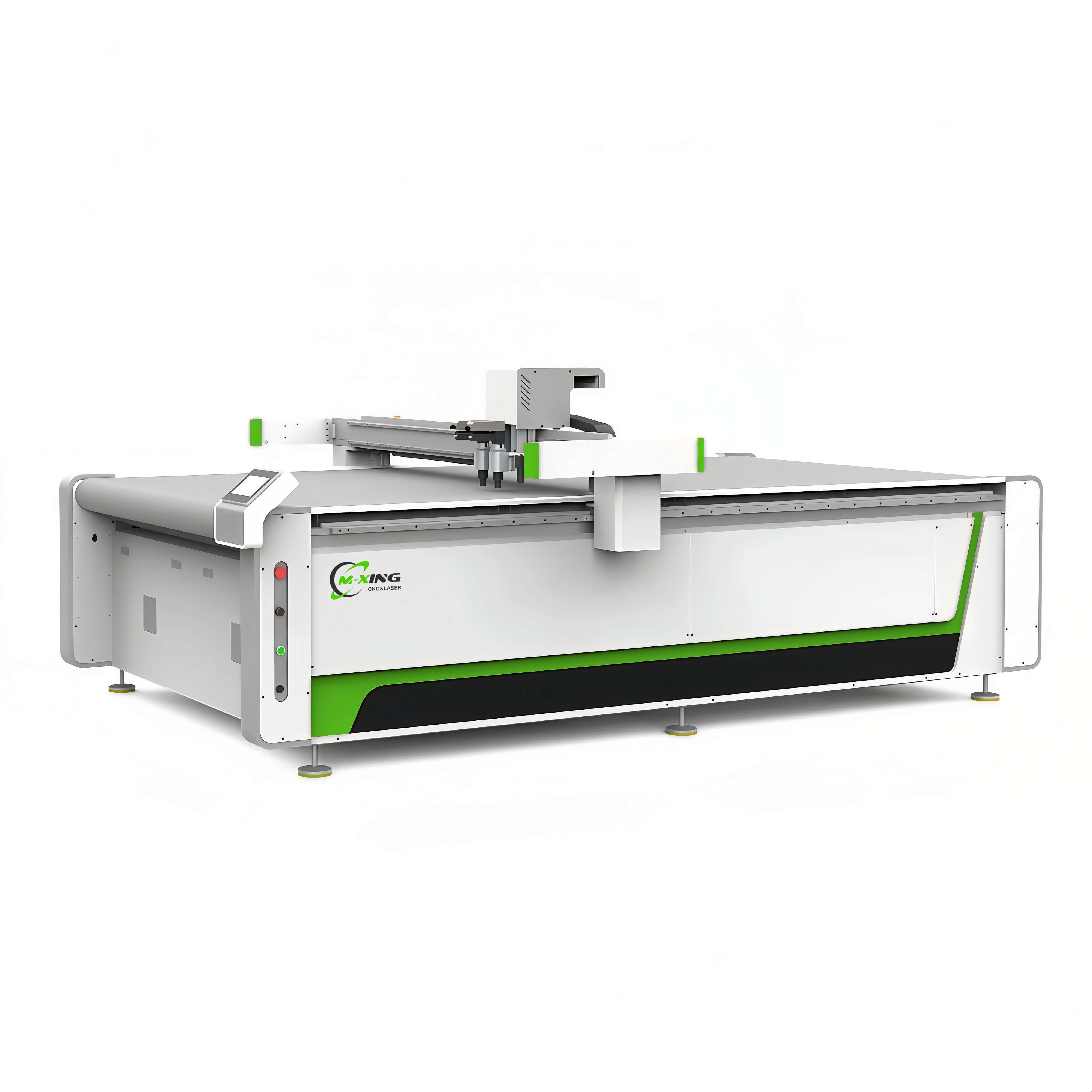
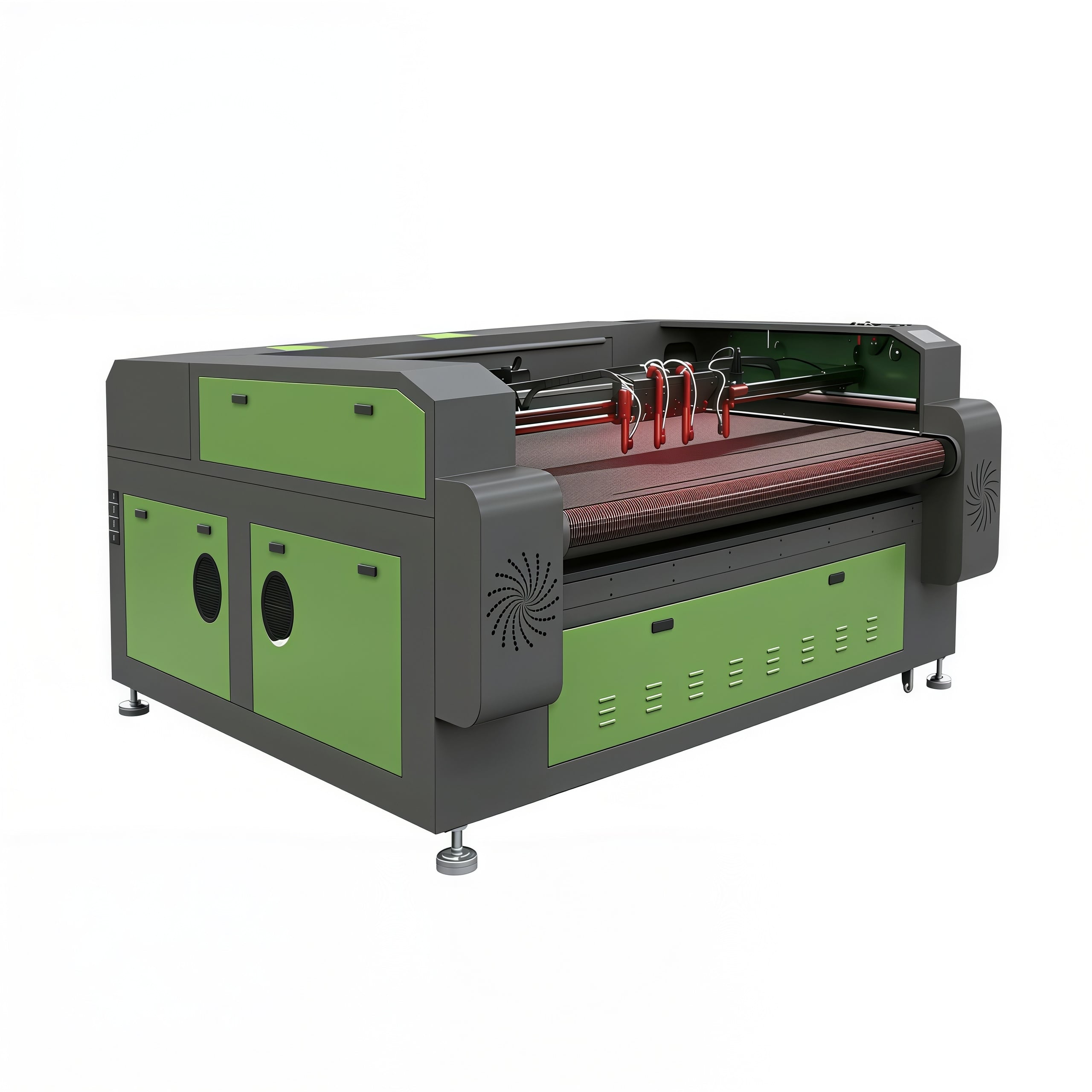
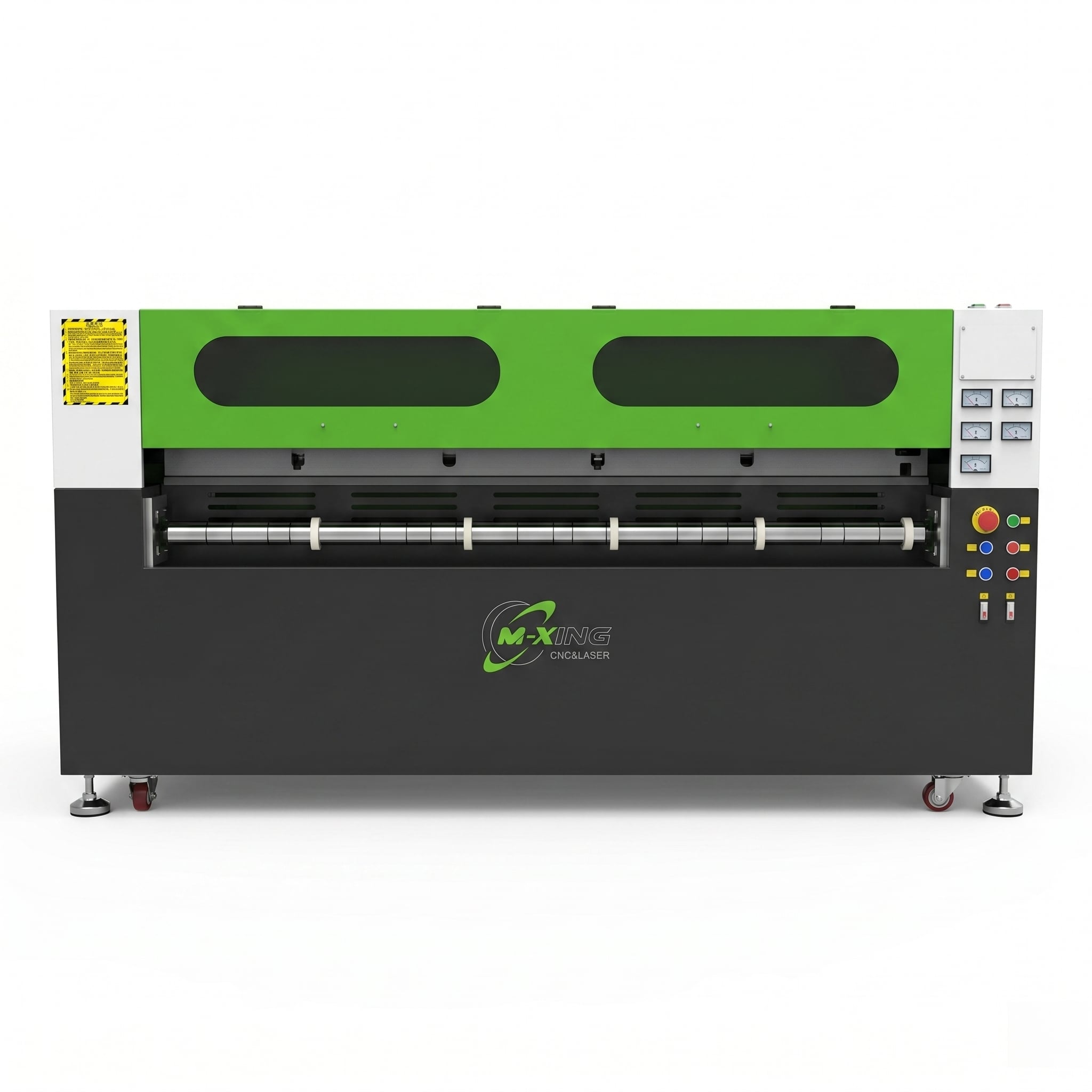
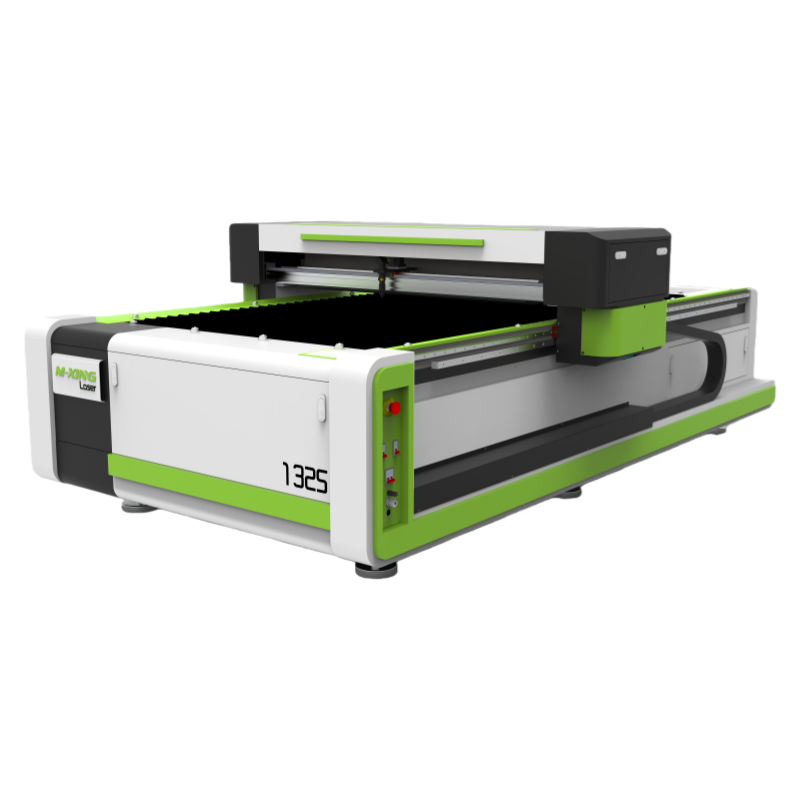
The best CO2 laser machine for a small craft business is rarely the one with the highest wattage or the lowest purchase price. It is the machine that matches the products being made every week: the largest sheet size, the thickest material, the level of engraving detail, the expected order volume, and the space available for safe operation.
For most craft-focused production, a mid-power CO2 laser with a practical working area, reliable cooling, effective exhaust, and serviceable components is a stronger investment than an oversized industrial system. A machine that is too small creates handling delays and material waste. A machine that is too powerful can add cost without improving everyday output. The right choice comes from matching the laser to the workflow rather than buying specifications in isolation.
Before comparing CO2 laser cutting machines, list the products that will generate most of the revenue. A business producing engraved tumblers, acrylic signs, wooden ornaments, wedding place cards, leather patches, and layered wall art will not have the same requirements as one producing thick plywood displays or large-format retail signage.
For each core product, identify four things: material type, maximum material thickness, largest finished dimension, and whether the work is mostly engraving, cutting, or a combination of both. This short exercise prevents a common purchasing mistake: selecting a machine based on the most demanding job that might happen occasionally, rather than the jobs that will run repeatedly.
CO2 laser systems are commonly used with materials such as wood, acrylic, paper, cardboard, fabric, leather, rubber, glass, and certain coated products. Their suitability depends on the material composition, finish, thickness, and the intended result. Clear and colored acrylic, for example, can produce clean cut edges when settings, air assist, and focus are appropriate. Plywood can vary dramatically between suppliers because glue layers, voids, and wood species affect cutting consistency.
Some materials should not be treated as routine laser stock. Unknown plastics, chlorine-containing materials, and products with unclear coatings can produce hazardous fumes or damage machine components. A craft product may look simple, but safe material verification belongs in the sourcing process, not after production begins.
Laser power affects how quickly a machine can cut, how comfortably it handles thicker materials, and how much reserve capacity it has when production schedules become busy. It does not automatically determine engraving quality. Fine engraving depends heavily on optics, motion control, focus, artwork preparation, material response, and stable machine calibration.
Lower-power CO2 laser engravers can suit light engraving and thin craft materials. They are often appropriate when work is dominated by personalization, small ornaments, rubber stamps, paper goods, or surface marking. Their limits appear when cutting becomes a regular part of the product mix, especially with thicker wood or acrylic.
A moderate-power machine is usually the practical center of the market for small craft production. It gives more usable cutting capacity while retaining the control needed for detailed engraving. This range makes sense for businesses producing mixed products: engraved gift items in the morning, acrylic signage in the afternoon, and batches of layered wood components later in the day.
Higher power becomes more useful when material thickness, cutting speed, or production volume genuinely demands it. It can reduce the need for multiple cutting passes and create more room for scaling, but it also increases the importance of cooling performance, power management, extraction, replacement parts, and operator discipline. A higher-power tube is not a substitute for good design files or consistent raw materials.
| Typical production need | More suitable machine direction | What to watch for |
|---|---|---|
| Personalized gifts, small engraving, paper and thin wood projects | Compact, lower-to-moderate power CO2 engraver | Bed size may become restrictive as product lines expand |
| Mixed engraving and cutting of wood, acrylic, leather, and layered craft items | Moderate-power CO2 laser with a versatile work area | Prioritize airflow, alignment, and repeatable material settings |
| Frequent thicker-material cutting, production batches, larger signs | Higher-power CO2 laser cutting machine with robust support systems | Higher operating demands and potentially more idle capacity at low volume |
Ask suppliers to discuss power in relation to your actual materials and target throughput. A useful conversation is about sample results, typical cutting passes, edge quality, and duty cycle, not simply a claim that one wattage is “best.” Send representative artwork and material samples when possible. A test file that includes fine text, filled engraving, small cut details, and longer vector cuts reveals much more than a simple logo test.
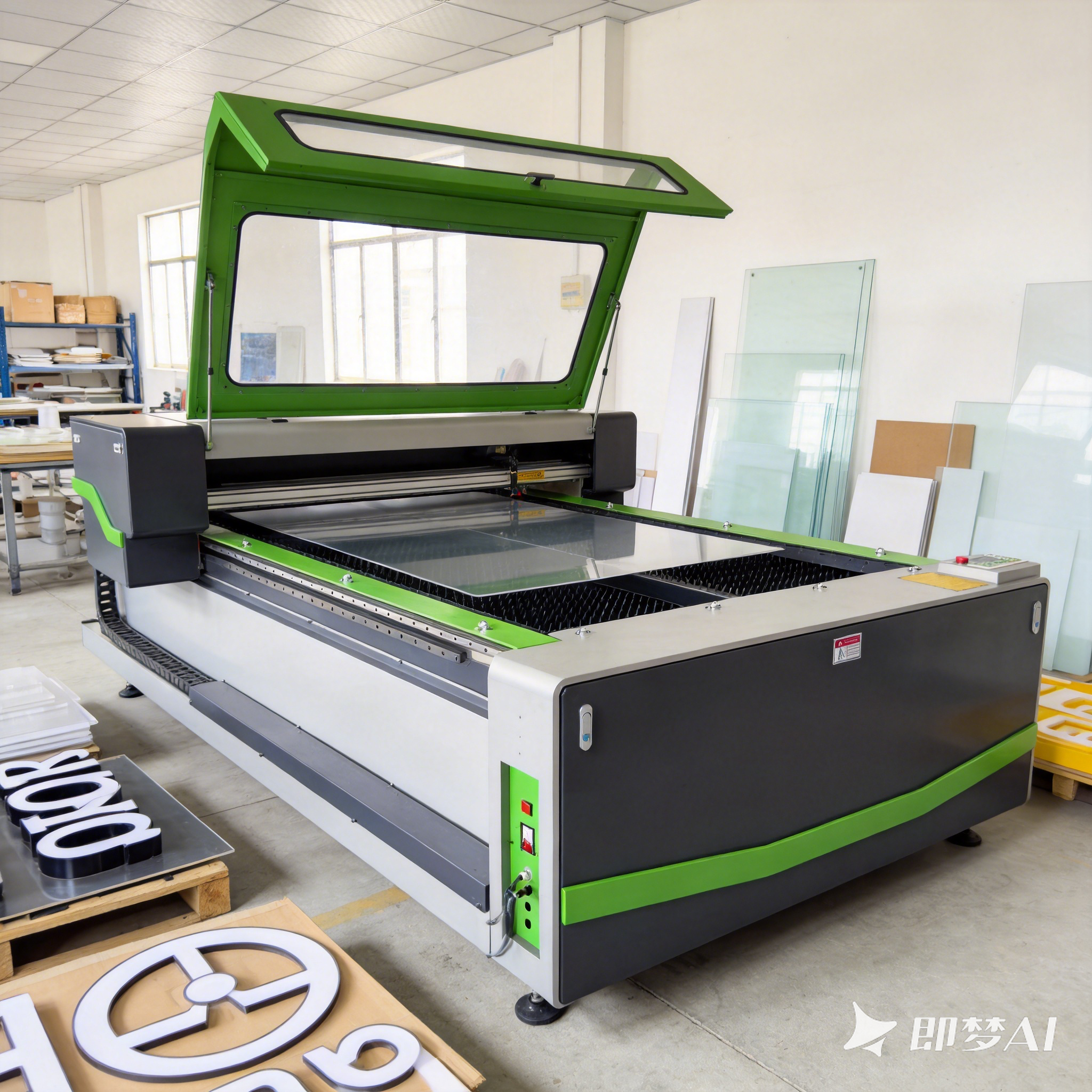
Bed size is often underestimated because buyers focus on the finished product rather than the material sheet. A small keychain may be cut from a larger board, and a set of wedding name tags may be produced more efficiently by nesting dozens of pieces on one sheet. If the usable work area is too small, the operator must trim stock before loading, reposition material repeatedly, and spend more time managing the machine than producing sellable goods.
Choose the working area from the largest practical stock size and the batch layout, not only the largest single item. A bed that accommodates standard material dimensions can reduce pre-cutting and simplify inventory. It may also allow multiple product designs to run in a single job, which is valuable when fulfilling small mixed orders.
At the same time, a larger bed needs more floor space and can encourage the purchase of material formats that are awkward to store. The physical machine footprint is only part of the requirement. Leave room for loading sheets, opening access panels, reaching the control area, servicing mirrors, and routing ventilation ducting. A laser placed tightly against a wall may fit on paper but become difficult to maintain.
Pass-through capability deserves separate attention. It can be useful for long signs, decorative panels, and repeated patterns on extended materials. It is less important for businesses focused on compact products. Do not pay for this feature simply because it sounds scalable; it adds value only when long-format work is part of the planned catalog.
A CO2 laser machine does not operate as an isolated box. Cutting quality, uptime, and safety depend on the surrounding system: cooling, exhaust, air assist, optics, motion hardware, software, and electrical compatibility. These elements are often where the difference between a promising demonstration and stable daily production becomes visible.
The laser tube needs stable cooling. A basic water arrangement may be adequate for limited use in a controlled environment, while more demanding production benefits from a cooling system designed to maintain consistent operating conditions. Inadequate cooling can affect tube life and job consistency. Ask what cooling equipment is included, how it is monitored, and what maintenance the system requires.
Exhaust is a production requirement, not an optional accessory. It removes smoke and odor, protects optics from contamination, and makes the workspace more suitable for regular operation. Weak extraction can leave burn residue on materials and reduce engraving clarity. Air assist helps clear smoke at the cut line, can reduce flare-ups, and often improves cut edges. The machine should be evaluated with its intended ducting route and filtration approach, not only in a showroom configuration.
For fine craft work, smooth motion and repeatable focusing matter more than impressive speed claims. Small text, delicate filigree cuts, and detailed raster engraving expose vibration, backlash, and poor alignment quickly. Features such as an adjustable worktable, autofocus, or a suitable focusing method can improve consistency, but they should be judged by whether they simplify your real materials and product heights.
A honeycomb bed can be helpful for lightweight pieces, while a knife-style support may better suit some cutting applications. Neither is universally superior. The material, the need for clean undersides, and the likelihood of small cut pieces falling through the bed should guide the decision.
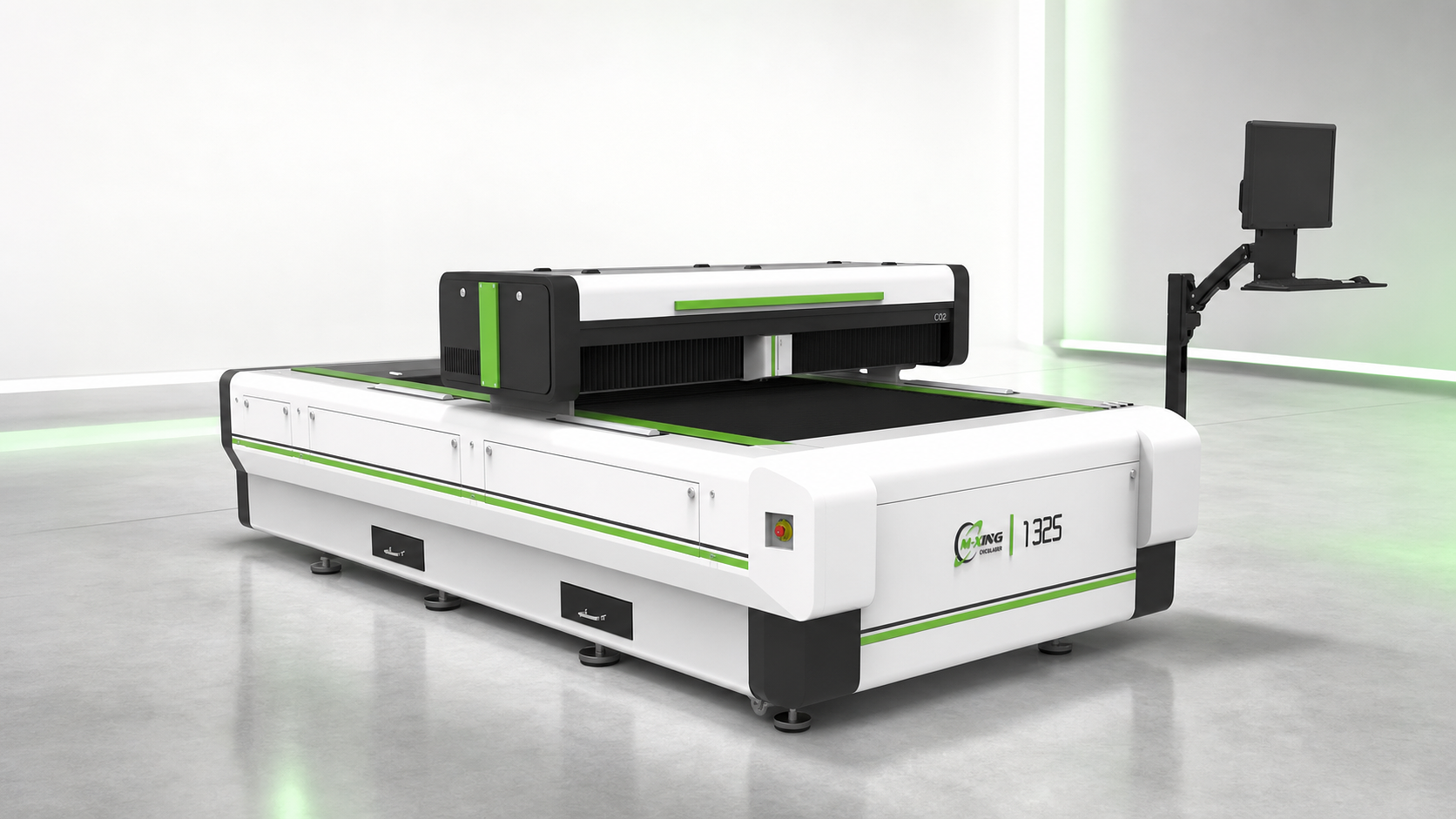
Return on investment is not simply the difference between machine cost and product selling price. It is shaped by how many sellable pieces can be produced reliably, how much material becomes waste, how often jobs need to be rerun, and how much operator time is consumed by setup, cleaning, troubleshooting, and moving stock.
A lower-priced machine may appear attractive until it requires frequent adjustments, has weak documentation, or makes replacement parts difficult to obtain. Conversely, an oversized system can tie up capital and occupy valuable workspace while running far below its practical capacity. The most economical choice is often a machine that covers current high-frequency work with enough reserve for foreseeable growth.
Build the business case around a normal production week. Estimate the number of jobs, average setup time, likely material offcuts, cleaning intervals, and the value of work delayed when the laser is unavailable. Then compare options based on the total operating setup: machine, cooling, exhaust, air assist, workholding, software workflow, spare consumables, packaging, and installation preparation.
It is also useful to separate “capacity” from “speed.” A laser may complete a single cut path quickly, yet overall output remains limited by loading, focusing, masking, unloading, sorting small pieces, and quality inspection. Larger batches and better nesting may improve output more than a small increase in rated laser power.
For a craft business, a stopped machine can interrupt order fulfillment immediately. Serviceability should therefore be treated as a purchasing criterion alongside power and bed size. Ask how mirrors and lenses are accessed and cleaned, whether common consumables can be sourced without unusual delays, how tube replacement is handled, and what technical support documentation is provided.
When comparing a factory wholesale CO2 laser machine or an OEM CNC CO2 laser cutting machine, clarify the scope of configuration rather than assuming every option is included. The worktable type, controller, rotary attachment compatibility, cooling solution, exhaust hardware, electrical requirements, software support, crating, and spare-parts package can materially change the delivered setup.
OEM configuration is useful when the product range has clear requirements, such as a preferred table size, a rotary fixture for cylindrical items, custom enclosure needs, or a workflow built around specific material formats. It is less useful when requirements are still uncertain. In that case, a proven standard CO2 laser engraving machine configuration may reduce complexity and speed up implementation.
Before making a final selection, compare each candidate machine against the same set of questions:
The best CO2 laser machine for small craft businesses is the one that produces repeatable results on the work that pays the bills, fits the available production environment, and can be maintained without turning routine jobs into technical projects. Choose power after defining material and throughput, choose bed size after mapping stock and nesting, and judge ROI through usable production rather than the initial machine price alone.
 Hot News
2026-02-05
2026-02-03
2025-12-01

Mingxing Laser is a leading China-based laser machine manufacturer offering CO2 laser cutters, fiber laser cutting machines, CNC routers, laser welders & marking machines. OEM/ODM custom solutions available. Get a quote today!
- Company Headquarters: Room 1303, Building 4, UnitedFortune Plaza, High-tech Zone, Jinan City, Shandong Province, China
- Manufacturing Plant: No. 18, Yinhe Road, Jibei Street, Jiyang District, Jinan City, Shandong Province, China
Copyright © 2026 Century Mingxing (jinan) Intelligent Technology Co., Ltd. All rights reserved. Privacy Policy

 EN
EN