Non-Metal Laser Processing Machines: Materials, Processes, and Key Applications
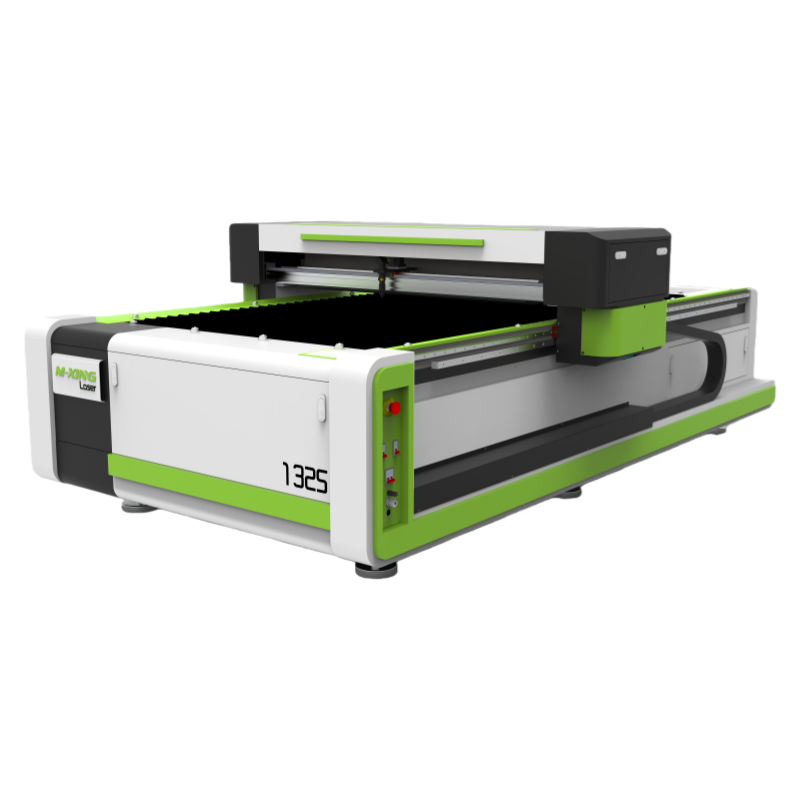
A non-metal laser processing machine enables precise cutting, engraving, marking, and surface treatment across materials such as acrylic, wood, leather, fabric, paper, rubber, and glass.
For researchers, buyers, and production planners, the main question is not simply whether laser processing works, but which materials, processes, power levels, and configurations fit production requirements.
In most cases, CO2 laser systems offer the broadest practical capability for non-metal applications because their wavelength is strongly absorbed by many organic and polymer-based materials.
This guide explains compatible materials, major CO2 laser processes, selection criteria, production applications, operating limitations, and the questions buyers should ask before choosing equipment.
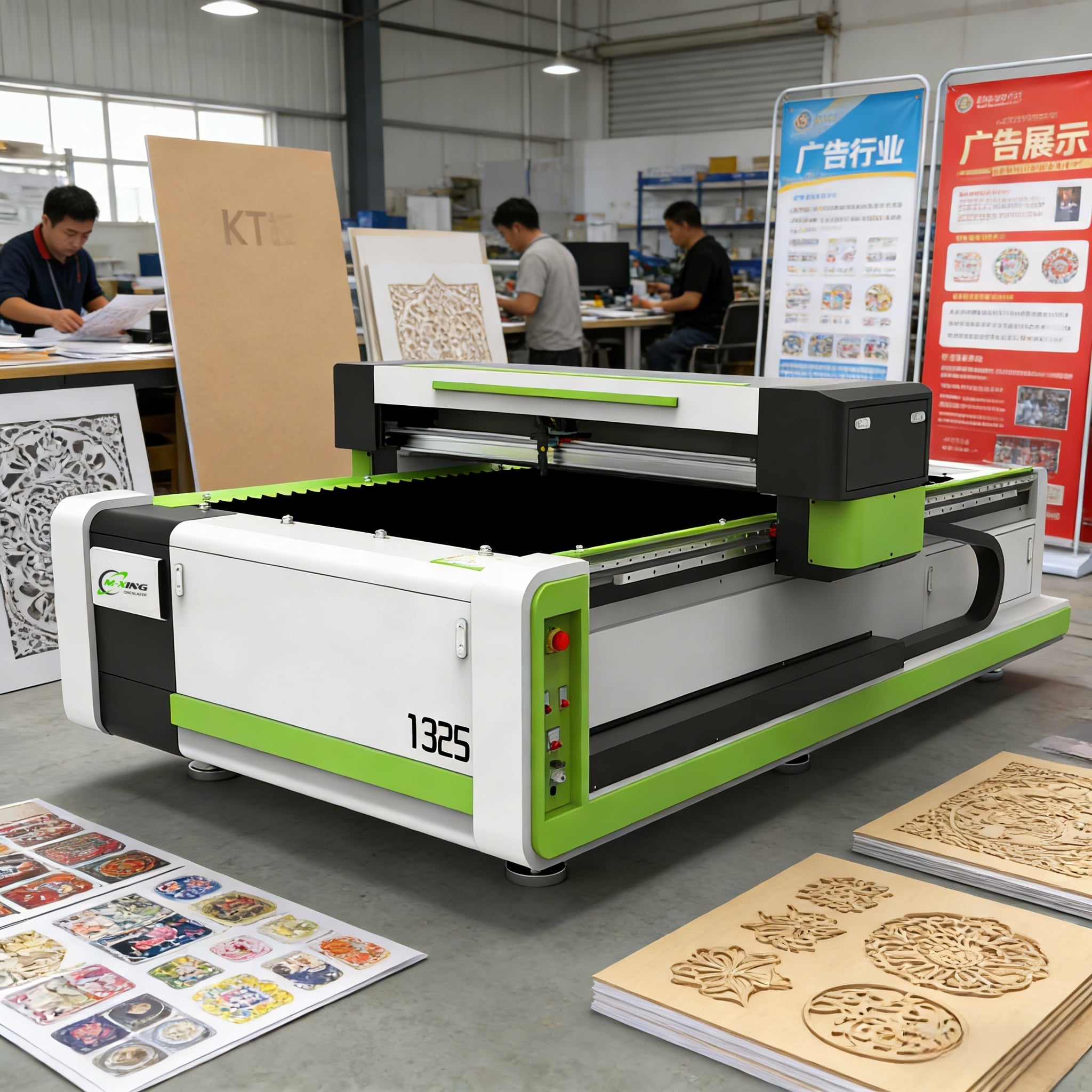
A non-metal laser processing machine uses a concentrated laser beam to remove, alter, decorate, or treat material without physical cutting tools contacting the workpiece.
Most industrial non-metal laser systems use CO2 laser sources, commonly operating at a wavelength of 10.6 micrometers, which performs effectively on many non-metal surfaces.
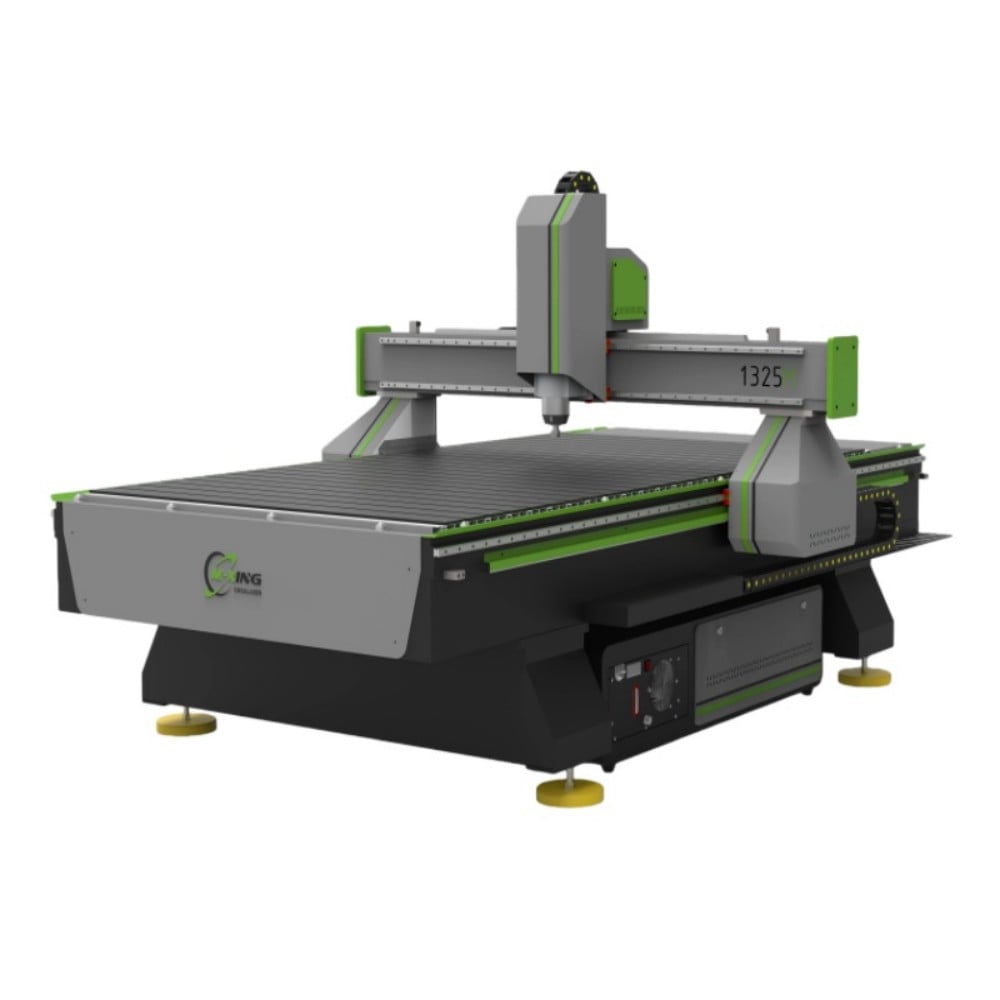
Unlike mechanical routing, stamping, or knife cutting, laser processing is digitally controlled and does not require a dedicated physical die for each new product design.
This makes laser equipment especially useful where product sizes, patterns, logos, serial information, or decorative designs change frequently across production orders.
The same basic platform can support cutting, engraving, marking, perforating, scoring, kiss cutting, surface texturing, and selective coating removal when configured correctly.
However, these functions are not equally suitable for every material. Results depend on absorption characteristics, thickness, density, coatings, adhesive layers, ventilation, and optical settings.
Information researchers should view a non-metal laser system as a process platform rather than a universal tool that automatically produces identical quality on every substrate.
The strongest business value appears when the machine replaces multiple manual steps, reduces setup time, supports short production runs, or improves repeatability for detailed products.
Material compatibility is the first decision point because a laser beam interacts differently with natural materials, plastics, composites, coatings, and mineral surfaces.
Acrylic is one of the most common CO2 laser materials because it cuts cleanly, engraves with visible contrast, and is widely used in signs, displays, and gifts.
Cast acrylic typically produces a frosted engraved finish, while extruded acrylic may cut efficiently but can create a clearer or less contrasted engraving result.
Wood, plywood, MDF, bamboo, cork, and veneer are also frequent applications, although glue composition, grain direction, moisture, and density can affect edge quality.
Wood laser cutting creates darkened edges, which may be desirable for decorative products but unsuitable for applications requiring a natural, unburned appearance.
Leather can be cut, engraved, and marked for footwear, bags, belts, furniture, labels, and personalized accessories, provided the material does not contain hazardous treatments.
Fabric applications include felt, polyester, cotton, silk, denim, and technical textiles. Laser cutting can seal synthetic edges and reduce fraying during subsequent handling.
Paper, cardboard, corrugated board, and packaging stock are suitable for detailed cutting, crease-like scoring, prototyping, invitations, labels, and short-run packaging production.
Rubber laser engraving is widely used for stamps, seals, industrial labels, and textured components, but manufacturers should confirm that the compound is laser-safe before processing.
Glass is generally engraved rather than cut with a CO2 laser. Controlled surface micro-fracturing creates permanent logos, patterns, and personalization on flat or curved objects.
Some coated metals can be marked by removing paint, anodized layers, or surface coatings, but this differs from direct metal cutting or deep metal engraving.
Materials containing PVC, vinyl, chlorine compounds, fluoropolymers, or unknown chemical additives should not be processed without verification because harmful fumes may be generated.
Buyers should request sample testing with their actual materials, including coatings, adhesives, colors, and thickness variations, instead of relying only on general compatibility lists.
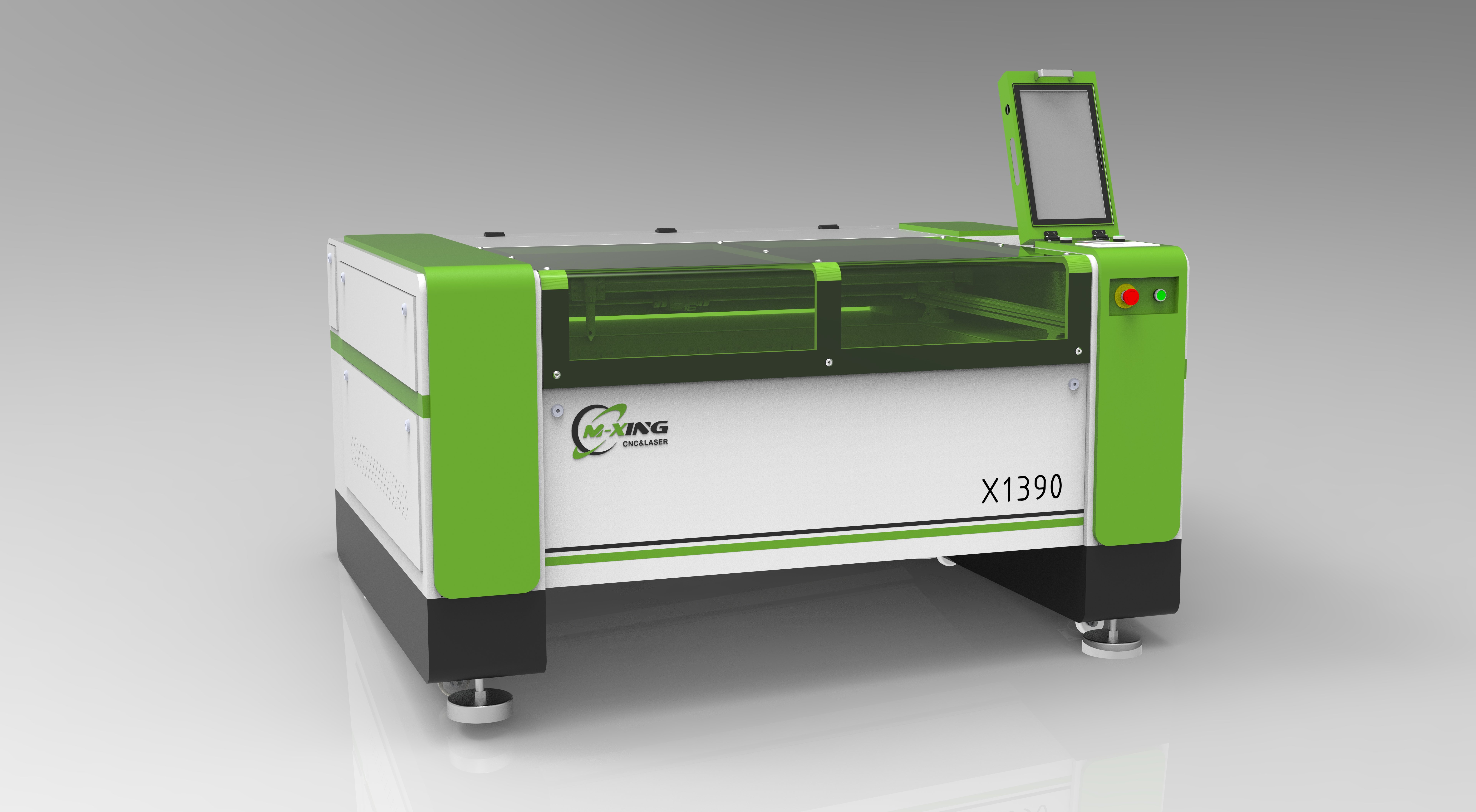
Laser cutting separates material along a programmed vector path. It is commonly evaluated by kerf width, edge finish, cut speed, dimensional accuracy, and through-cut consistency.
Power, speed, focus position, air assist, nozzle design, and material thickness jointly determine whether a cut is clean, incomplete, excessively charred, or dimensionally inconsistent.
Laser engraving removes material from a surface to create visible depth, texture, or contrast. Raster engraving is common for photographs, fills, logos, and detailed artwork.
Vector engraving follows line paths and is often used for outlines, text, decorative borders, technical markings, and deeper grooves where controlled path geometry matters.
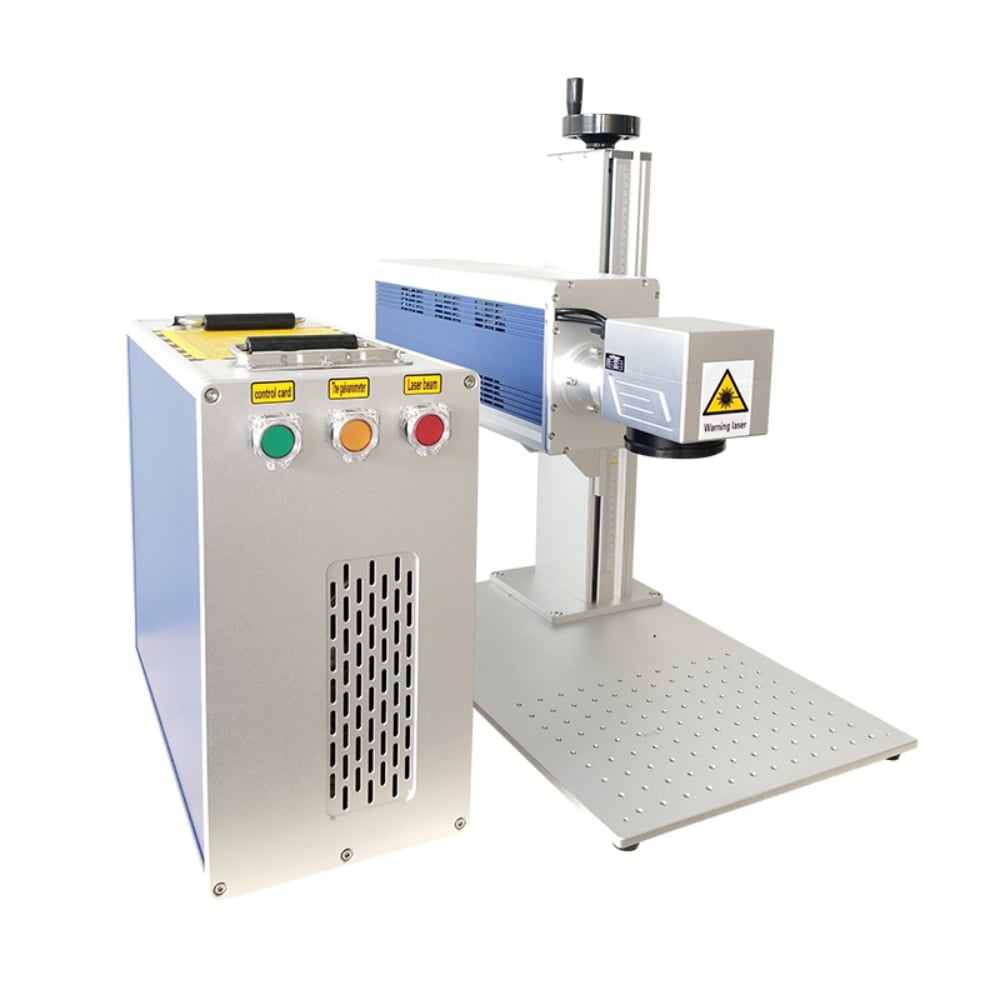
Laser marking changes a surface appearance without necessarily removing substantial material. Marking may use discoloration, coating removal, frosting, or localized surface modification.
For packaging and label production, scoring and perforating provide controlled weakening rather than complete separation, enabling fold lines, tear lines, and easy-open structures.
Kiss cutting removes only the upper layer of layered material, such as labels or films, while preserving the backing sheet for later handling and application.
Surface texturing creates tactile or visual patterns on wood, leather, rubber, acrylic, and coated materials. It can add functional grip, branding, or decorative differentiation.
A successful process requires repeatable parameters, not merely a successful first sample. Production settings must account for material batches, operator loading, humidity, and optical cleanliness.
For this reason, established manufacturers create material parameter libraries containing tested settings for power, speed, frequency where applicable, focus, air flow, and processing order.
Sign and display manufacturers use CO2 laser cutting machines for acrylic letters, illuminated sign components, point-of-sale displays, architectural models, and custom interior graphics.
Laser engraving machines support personalized gifts, awards, photo products, promotional items, phone cases, decorative boxes, and branded merchandise with low setup requirements.
Packaging teams use laser systems for prototype cartons, window packaging, perforated sleeves, paper inserts, display packaging, and short-run custom designs before die production.
In textile manufacturing, laser cutting supports applique, lace patterns, patches, garment details, sportswear components, filters, and fabric pieces requiring consistent complex geometry.
Leather goods producers use laser systems to cut components, engrave logos, create decorative patterns, and personalize finished products without repeatedly changing mechanical dies.
Rubber stamp manufacturers benefit from rapid digital artwork transfer, making a non-metal laser processing machine suitable for customized stamps and small-batch production.
Furniture and interior-decoration companies apply laser engraving to panels, veneers, cork products, acoustic materials, lampshades, and customized wood accessories.
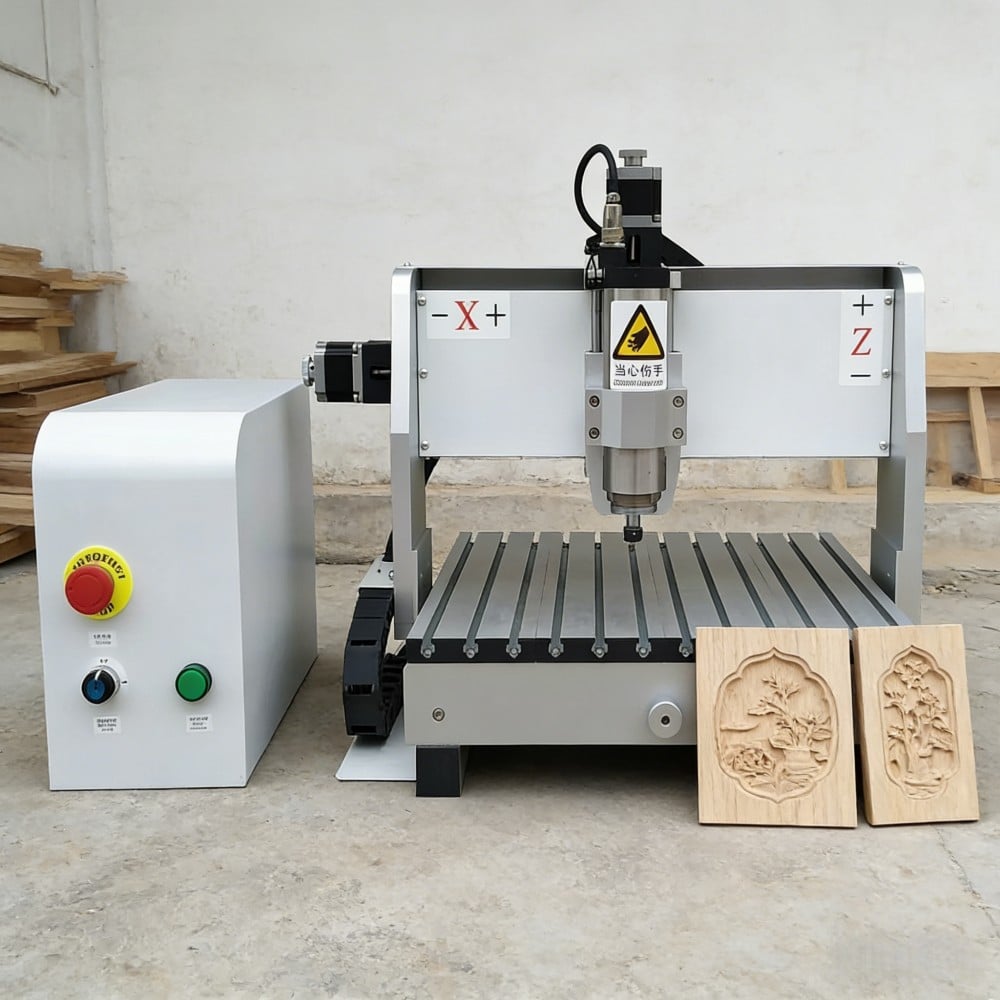
Educational institutions, laboratories, and prototype workshops use compact laser equipment to develop models, fixtures, enclosures, demonstration pieces, and design experiments from digital files.
Industrial converters may use larger-format machines for foam, gasket materials, insulation layers, technical textiles, and non-metal composites, subject to application-specific material validation.
The best applications usually combine design variation, detailed geometry, moderate production volume, and a clear advantage from avoiding tool fabrication or frequent manual finishing.
Machine selection should begin with the largest practical workpiece, expected daily throughput, material thickness range, required accuracy, and the mix of cutting versus engraving tasks.
Working area is often more important than maximum laser power. A large-format bed can reduce repositioning and improve workflow for signage, textiles, panels, and packaging sheets.
Laser power should match material demands rather than follow a simple bigger-is-better rule. Excess power can reduce control on thin materials and increase operating cost.
Lower-power systems may suit fine engraving, stamps, personalization, and thin sheets, while higher-power CO2 laser machines are more appropriate for thicker or faster cutting.
Motion-system quality affects corner accuracy, engraving uniformity, high-speed stability, and repeatability. Buyers should examine rails, belts, motors, controller capability, and acceleration performance.
A stable machine frame is essential when processing large sheets or producing detailed work. Mechanical vibration can create uneven engraving, shifted paths, or poor edge consistency.
Autofocus can improve operating efficiency when material thickness changes frequently. Manual focus may be sufficient for controlled production using uniform, prequalified material batches.
Rotary attachments are valuable for engraving bottles, tubes, cups, and cylindrical products. They should be evaluated for diameter range, loading time, and object support stability.
Pass-through doors or conveyor feeding systems are useful for long materials, rolls, and continuous textile work, although they add complexity to alignment and safety management.
For production users, software compatibility matters. The machine should import commonly used vector and raster files while supporting practical parameter control and reliable job preparation.
OEM buyers should also consider enclosure design, branding requirements, electrical standards, controller localization, manuals, packaging, spare parts, and regional service expectations.
Laser performance is a balance among quality, speed, yield, labor, maintenance, and material cost. Faster processing does not always produce the lowest overall production cost.
Cut quality depends heavily on focus condition. An incorrectly focused beam may widen the kerf, leave uncut sections, increase burning, or create inconsistent results across sheets.
Air assist helps remove smoke and debris from the cutting area. It can improve edge appearance, reduce flare-ups, and protect the lens during demanding material processing.
Exhaust capacity is equally important because smoke affects workplace conditions, optical cleanliness, engraving contrast, and the long-term reliability of machine components.
Assist gas selection, airflow direction, and extraction design should be validated during sample testing, especially for materials that generate dense smoke or sticky residues.
Laser tube quality and cooling stability influence output consistency. Water-cooled CO2 systems require appropriate temperature management to protect tube life and maintain repeatable performance.
Optics maintenance is a direct production issue. Dirty mirrors or lenses reduce delivered energy, forcing slower speeds and creating apparent performance problems that are avoidable.
Material variation can be more significant than machine variation. Different acrylic grades, plywood adhesives, fabric dyes, and leather finishes may require separate tested parameter settings.
Production planners should calculate cost using cycle time, setup time, loading labor, rejected pieces, cleaning requirements, maintenance intervals, energy use, and expected consumable replacement.
A machine with slightly lower maximum speed may produce better economics when it offers fewer failures, simpler loading, stable software, and consistent output over extended shifts.
A non-metal laser processing machine should operate with an appropriate protective enclosure, interlock system, emergency stop, warning labels, and compliant electrical safety design.
Laser radiation protection is only one part of safety. Fume extraction, filtration, fire prevention, material control, housekeeping, and operator training are equally important.
Operators must know which materials are approved for processing. Unknown plastics, coated products, recycled materials, and imported substrates require documented review before laser use.
Fire risk increases with combustible materials such as paper, wood, fabric, foam, and some plastics. Machines should never run unattended during active cutting operations.
Proper extraction should move fumes away from operators and sensitive optics. Filtration requirements depend on local regulations, material type, airflow volume, and indoor or outdoor discharge methods.
Buyers supplying multiple markets should verify certifications and documentation required in their destination countries, including electrical, machinery, laser safety, and emissions-related requirements.
Routine inspection plans should cover optical alignment, lens cleanliness, cooling condition, exhaust performance, belt tension, fire-control readiness, and enclosure interlock function.
Ask suppliers to process your own samples and provide documented results. This reveals more than generic claims about material compatibility, speed, or laser power.
Request clear specifications for laser source type, rated output, working area, positioning accuracy, supported materials, controller, cooling method, exhaust recommendations, and warranty conditions.
For wholesale or OEM CO2 laser machine procurement, confirm minimum order quantities, customization scope, branding options, firmware support, packaging standards, and spare-parts availability.
Evaluate whether the supplier can support practical commissioning. Useful support includes installation guidance, parameter advice, remote troubleshooting, replacement parts, and responsive technical communication.
Ask how performance is tested before shipment. A meaningful inspection process should include motion checks, laser output verification, sample processing, alignment confirmation, and safety-function testing.
Compare total ownership conditions rather than purchase price alone. Downtime, shipment lead times, training gaps, unsupported software, and unavailable consumables can outweigh initial savings.
For distributors and integrators, documentation quality matters because clear manuals, wiring diagrams, product photos, and service procedures reduce downstream support workload.
A non-metal laser processing machine is most valuable when its laser source, work area, motion system, safety equipment, and workflow features match a defined production requirement.
CO2 laser technology remains a practical choice for acrylic, wood, leather, fabric, paper, rubber, glass engraving, and many coated non-metal applications.
Researchers and buyers should focus first on material testing, required process quality, realistic throughput, ventilation needs, and the supplier’s ability to support the complete application.
Rather than selecting equipment by advertised power alone, choose a system based on verified samples, operating cost, process repeatability, safety controls, and future production flexibility.
With that approach, laser cutting, engraving, marking, and surface treatment can become dependable manufacturing capabilities instead of isolated demonstration functions.
 Hot News
2026-02-05
2026-02-03
2025-12-01

Mingxing Laser is a leading China-based laser machine manufacturer offering CO2 laser cutters, fiber laser cutting machines, CNC routers, laser welders & marking machines. OEM/ODM custom solutions available. Get a quote today!
- Company Headquarters: Room 1303, Building 4, UnitedFortune Plaza, High-tech Zone, Jinan City, Shandong Province, China
- Manufacturing Plant: No. 18, Yinhe Road, Jibei Street, Jiyang District, Jinan City, Shandong Province, China
Copyright © 2026 Century Mingxing (jinan) Intelligent Technology Co., Ltd. All rights reserved. Privacy Policy

 EN
EN