
 EN
EN
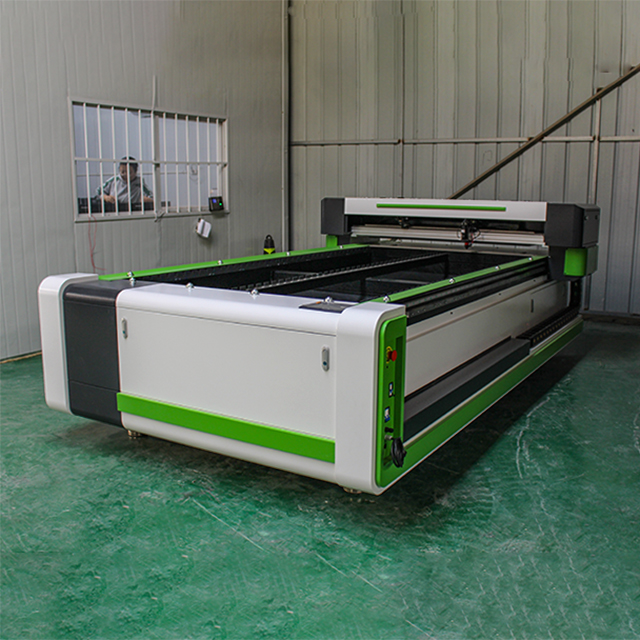
Consistent cutting quality is the foundation of professional acrylic fabrication, and cnc laser acrylic cutting has become the industry standard for achieving predictable, repeatable results. Whether you're producing signage, architectural components, or custom displays, the ability to maintain uniform edge quality, precise dimensions, and minimal material waste directly impacts your bottom line and customer satisfaction. Understanding how cnc laser acrylic cutting achieves this consistency reveals the technical sophistication behind modern fabrication.
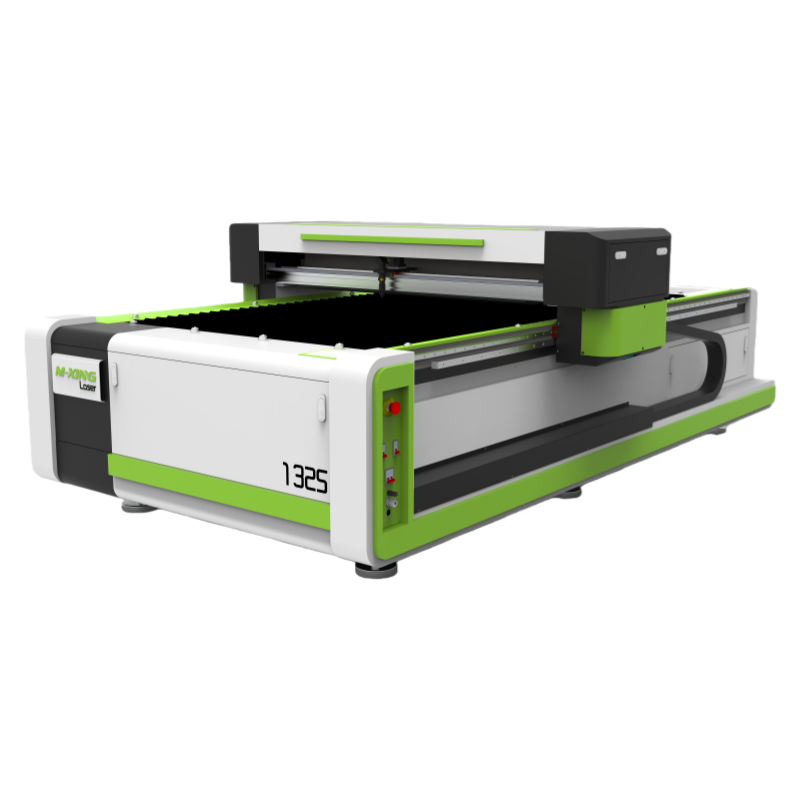
The precision inherent in cnc laser acrylic cutting systems eliminates the variability associated with manual cutting methods. CNC technology automates the entire cutting process, from material positioning to beam control, removing human error and ensuring that every piece meets identical specifications. This automated consistency makes cnc laser acrylic cutting invaluable for high-volume production runs where quality variance can lead to expensive rework, customer complaints, and operational delays.
Laser Beam Precision and Optical Alignment
Focused Beam Consistency
The optical system in cnc laser acrylic cutting equipment is engineered to maintain a tightly focused laser beam with minimal divergence. This narrow beam diameter, typically between 0.1 and 0.2 millimeters, allows the system to cut acrylic with exceptional edge clarity and dimensional accuracy. When cnc laser acrylic cutting focuses the CO2 laser beam through precision optics, the concentrated energy melts and vaporizes the acrylic along an extremely precise path, creating clean edges that require minimal finishing work.
Maintaining optical alignment is critical to cnc laser acrylic cutting performance. Advanced systems incorporate automated beam alignment sensors that continuously monitor and correct any deviation in the optical path. This real-time correction ensures that cnc laser acrylic cutting maintains consistent focal depth and beam position throughout the cutting process, regardless of minor vibrations or environmental fluctuations that might affect older or less sophisticated equipment.
Focal Length Optimization
The focal length of the lens directly influences how cnc laser acrylic cutting achieves quality results. Operators select the appropriate focal length based on material thickness, with longer focal lengths used for thicker acrylic and shorter lengths for thinner sheets. Cnc laser acrylic cutting systems allow precise control of this parameter through automated z-axis positioning, ensuring the laser beam is always focused at exactly the right depth within the material for optimal cutting performance.
Professional cnc laser acrylic cutting equipment includes autofocus capabilities that measure material height and automatically adjust lens position before each cut begins. This automation eliminates the guesswork that manual systems require and prevents defects caused by incorrect focus, which would result in rough edges, incomplete cuts, or unwanted edge discoloration.
Power Control and Pulse Regulation
Consistent Laser Power Output
Energy consistency is fundamental to cnc laser acrylic cutting quality. Modern laser systems regulate power output within tight tolerances, typically maintaining consistency to within 1–2 percent of the target setting. This precise power control means that each pass of the laser removes exactly the same amount of material, producing uniform kerf width and consistent edge finish across thousands of identical cuts. Without this power stability, early cuts in a batch might exhibit different edge quality than later cuts as equipment parameters drift.
The control electronics in cnc laser acrylic cutting systems monitor tube voltage and current in real-time, making microsecond-level adjustments to compensate for natural power fluctuations. This closed-loop feedback system ensures that cnc laser acrylic cutting maintains the programmed energy level regardless of ambient temperature, tube aging, or electrical supply variations that might affect less sophisticated equipment.
Pulse Frequency and Duty Cycle
For certain applications, cnc laser acrylic cutting uses pulsed laser modes rather than continuous wave operation. Pulsing the beam at precisely controlled frequencies allows operators to influence edge characteristics and cut speed. Higher pulse frequencies create smoother, more refined edges because the material experiences rapid heating and cooling cycles rather than sustained thermal stress. This technique is particularly valuable in cnc laser acrylic cutting when working with premium acrylic that requires exceptional clarity and minimal thermal damage.
Duty cycle control, which adjusts the proportion of time the laser fires versus remains inactive, gives operators fine-grained influence over cutting behavior. Advanced cnc laser acrylic cutting systems allow programming of custom power curves that vary energy output based on cutting speed and material properties, optimizing edge quality for each specific job.
Motion System Precision and Speed Control
Servo Motor Accuracy
The motion control system is equally important to cnc laser acrylic cutting consistency as the laser itself. Servo-driven x and y axes move the cutting head with positional accuracy typically within 0.05 millimeters, ensuring that the laser beam follows the exact programmed cutting path. This precision motion system prevents the deviation and wobble that would occur with stepper motors or less robust equipment, making cnc laser acrylic cutting capable of tight tolerances on complex shapes and intricate details.
Servo systems provide real-time feedback that confirms cutting head position at every moment. If the cutting head drifts from the programmed path due to mechanical play or external forces, the servo system detects and corrects the deviation instantly. This feedback loop is essential to maintaining cnc laser acrylic cutting quality on production runs where even slight deviations accumulate over thousands of parts.
Velocity Consistency
Cutting speed directly affects edge quality in cnc laser acrylic cutting applications. Moving the cutting head too quickly leaves incomplete cuts or rough edges; moving too slowly causes excessive thermal damage and discoloration. Professional CNC systems maintain programmed cutting velocity with high precision, accelerating smoothly and maintaining stable speed along straight lines, curves, and corners. This velocity consistency ensures that the laser interacts with the acrylic in the same thermal manner throughout each cut.
Advanced cnc laser acrylic cutting equipment incorporates corner deceleration algorithms that automatically slow the cutting speed when navigating sharp corners. This prevents edge defects that occur when the laser beam cannot change direction instantly, maintaining edge quality on complex geometries that less sophisticated systems struggle with. The speed control in professional cnc laser acrylic cutting systems adapts dynamically to material properties, allowing operators to program different cutting speeds for different material thicknesses or quality requirements.
Material Handling and Environmental Stability
Consistent Material Positioning
Material flatness and positioning directly influence cnc laser acrylic cutting results. Even minor variations in material height or flatness cause focus deviation, resulting in variable edge quality. Professional equipment includes vacuum or magnetic clamping systems that hold acrylic flat and stable throughout the cutting process. This eliminates the movement and flexing that can occur with improperly supported material, ensuring consistent focal distance and laser beam interaction across the entire material surface.
Precision material tables in cnc laser acrylic cutting systems maintain strict flatness tolerances, typically better than 0.1 millimeter across the cutting surface. Operators place acrylic directly on these tables, ensuring repeatable positioning from one cutting cycle to the next. When combined with autofocus capability, this material handling consistency allows cnc laser acrylic cutting to achieve predictable results regardless of minor variations in acrylic thickness or surface condition.
Environmental Temperature Control
Thermal stability influences cnc laser acrylic cutting performance. Temperature fluctuations affect laser tube efficiency, optical clarity, and mechanical alignment. Facilities operating professional cnc laser acrylic cutting equipment typically maintain environmental temperatures within 5 degrees Celsius of optimal operating conditions, usually between 18–22 degrees Celsius. This thermal stability helps maintain consistent laser power, prevents focus drift, and ensures the mechanical components maintain tight tolerances.
Optical components degrade when exposed to dust and particulates, which reduces cutting quality in cnc laser acrylic cutting systems. Enclosed cutting chambers with air filtration systems protect optics and maintain consistent cutting conditions. Regular maintenance of optical surfaces, including cleaning and realignment, preserves the cutting quality that cnc laser acrylic cutting systems are designed to deliver over extended operational periods.
FAQ
What causes inconsistent cutting quality in cnc laser acrylic cutting?
Inconsistent quality typically results from misaligned optics, variable laser power output, improper focus settings, material flatness issues, or inadequate maintenance. When cnc laser acrylic cutting systems lack real-time monitoring and automatic compensation, drift accumulates and edge quality degrades. Environmental factors like temperature fluctuation and dust accumulation on optical surfaces also compromise consistency over time.
How often should cnc laser acrylic cutting equipment be calibrated?
Professional cnc laser acrylic cutting systems should undergo full calibration quarterly, with monthly inspections of optical alignment and power output. Daily maintenance including lens cleaning and visual inspections prevents the gradual degradation that reduces cutting quality. More frequent calibration may be necessary in facilities with significant temperature variation or heavy production schedules.
Can cnc laser acrylic cutting maintain quality on very thick acrylic sheets?
Cnc laser acrylic cutting performs best on acrylic between 3–25 millimeters thick, where the laser can fully penetrate and achieve clean edges. Very thick acrylic requires higher laser power and slower cutting speeds, which modern cnc laser acrylic cutting systems can accommodate. However, thickness consistency in the material itself becomes increasingly important, as variable thickness prevents the system from maintaining optimal focus throughout the cutting process.
