In apparel, fabric is the dominant cost, and the cutting room's job is to get the most garment out of the least cloth. That is what a marker is: the arrangement of pattern pieces on the lay, optimised for yield.
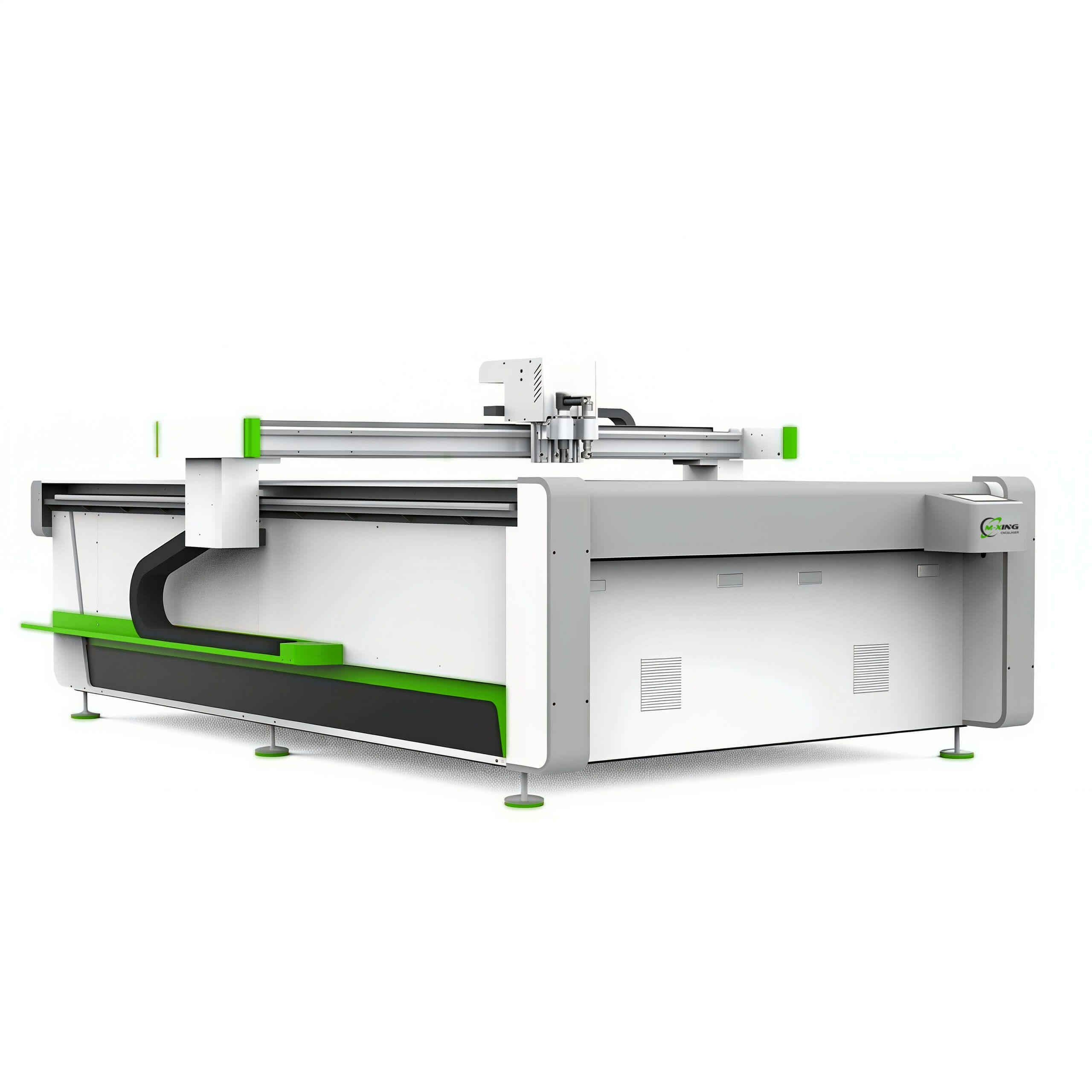
Seen from that angle, a laser is not competing with a straight knife on a hundred-ply lay. It cannot: a knife cuts through a stack, a beam cuts one layer at a time. Any comparison that ignores this is a sales argument, not an engineering one.
Where the laser does compete is in the parts of the business the knife handles badly — and in apparel and footwear those parts have grown, not shrunk:
Read as a whole, the table says something useful: the laser is a sample room, short-run and digital-print tool, not a bulk cutting room tool. Shops that understand this get a fast, tooling-free capability; shops that buy it to replace a knife are disappointed within a week.
The single biggest reason lasers have become standard in apparel is digital printing.
Sublimation and direct-to-fabric printing allow a design to be printed and then cut to its exact outline — no repeat, no screens, no dies. That workflow only works if the cutting is as flexible as the printing. A die per design defeats the purpose; hand trimming cannot keep up with the volume or the tolerance.
This is the cut-to-print problem, and the laser is the natural answer:
The print moves; the cut must follow. Fabric stretches during printing handling, so artwork alignment drifts across a panel. Registration marks plus a camera let the toolpath follow the actual printed position rather than the nominal one.
Print and cut distortion are different errors. A print that is slightly scaled will not match a cut that is geometrically correct — so the two have to be reconciled at the design stage, usually with a bleed and a designed tolerance, not by attempting perfect alignment.
Heat is the hidden variable. Printing and heat-setting change how a fabric behaves under the beam: a panel printed and cured may cut differently from the same greige fabric. Test on printed stock, not on the roll.
For sportswear, swimwear, cycling kit, teamwear and soft signage, this workflow is now the norm rather than the exception — and it is the application where a CO2 laser earns its place in a textile business fastest.
Synthetic fabrics melt at the cut. On a polyester or nylon, a laser cut produces a fused edge that will not fray — which for no-sew construction, mesh panels, webbing and technical textiles is a genuine functional advantage, not a cosmetic one.
On natural fibres the same behaviour becomes a problem. Cotton, linen, wool and viscose char and discolour at the edge, and the discolouration is visible on the finished garment wherever the edge is exposed.
Two rules follow. Match the fibre to the edge you want — fused edges for synthetics, enclosed edges for natural fibres. And never assume a "polyester" from one supplier behaves like another's; coatings, finishes and recycling content all change the cut.
Footwear is a different cutting problem from apparel. Components are small, shapes are complex, and ventilation, stitching and branding are all features that a laser can produce without a die.
Four footwear jobs stand out:
Uppers and overlays. Complex outlines with internal cut-outs, in small numbers of sizes and colourways. A die per size per colourway is expensive; a file per size is not.
Perforation and venting. Patterned hole arrays that must be consistent across a pair and across a size run. This is a laser strength: the pattern is identical every time, and the hole edges on synthetics are sealed.
Insoles and midsoles. Foam and EVA cutting, where the laser gives a clean edge and no die cost. This overlaps with the protective-insert work described in the packaging guide, and the same logic applies: test the fit on the actual component.
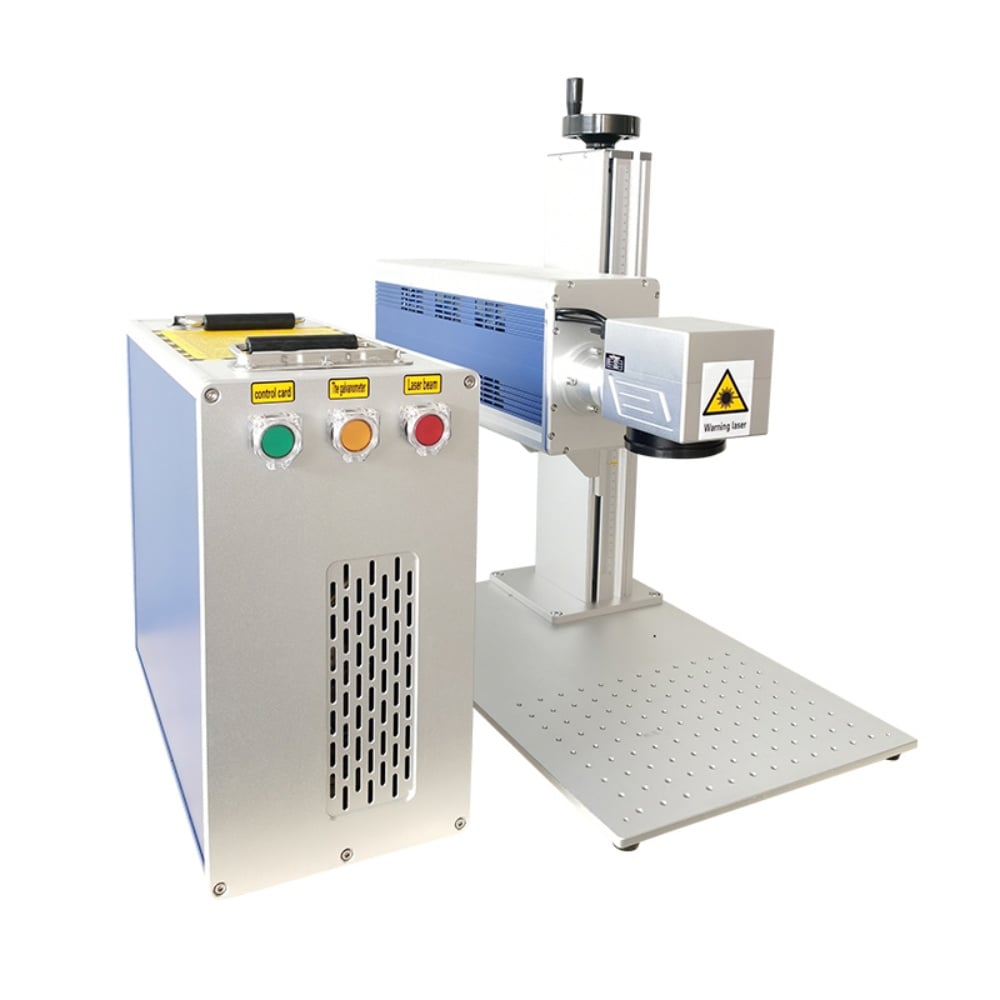
Marking. Size, part number and pair-matching marks engraved directly onto a component, replacing a sticker that would be removed or fall off in the lasting room.
One material caution dominates footwear: synthetic leather is either polyurethane or PVC, and the two are not interchangeable on a laser. PU cuts acceptably; PVC releases hydrogen chloride, which corrodes the machine and harms the operator. Footwear supply chains routinely substitute one for the other under the same trade name, so the material data sheet — not the sample's appearance — has to be the reference. Genuine leather behaves differently again, and is covered in the leather guide: it cuts, but the char and the smell are part of the process.
In a normal cutting room, cut pieces are bundled with a ticket, and the ticket is how the sewer knows what the piece is and which garment it belongs to. Tickets get lost, mixed up and mis-read.
A laser can engrave the information directly onto the piece — size, style, part name, bundle number, even a small alignment mark for a pocket or a seam allowance reference. It costs nothing extra in machine time on a piece that is already on the bed, and it removes an entire class of production error.
There are three limits worth stating honestly.
The mark is permanent and visible. On a piece whose inside will be seen — an unlined jacket, an open shoe — a scorched number is a defect. It belongs on a face that gets covered.
Only some materials take a legible mark. Synthetics, coated fabrics and leather mark well; loose knits and very light wovens do not, and the mark can weaken the area.
It does not replace traceability systems. Engraving a bundle number onto a piece is a production aid, not a compliance record. Where a customer requires a documented chain, the paperwork still has to exist.
Still, for sampling rooms and short-run production, direct marking is one of the most under-used advantages of having the machine — because it solves a problem the cutting room has accepted as normal for a century.
A cut piece is only useful if it can be sewn accurately. That means notches, drill marks and balance points — small features that locate one piece against another.
The laser cuts notches as part of the same file, at the same accuracy as the outline. For short runs this replaces a hand notch or a punch, and it removes the drift that appears when notches are added after cutting.
The last row is worth a caution: a scored seam line on a visible face is a defect, and on some fabrics it weakens the seam. Use it as an internal aid on hidden faces, or skip it.
Textile is the application where handling matters as much as cutting.
A laser cuts a flat, stationary surface. Fabric arrives on a roll, is limp, curls at the selvedge, and will not stay where it is put. Everything that goes wrong in textile cutting tends to be a hold-down problem rather than a cutting problem.
Whichever method is used, two things decide the result: the fabric must not move during the cut, and it must be flat within the depth of focus. A single layer of soft knit that lifts by a millimetre is already out of focus, and no power setting recovers the edge.
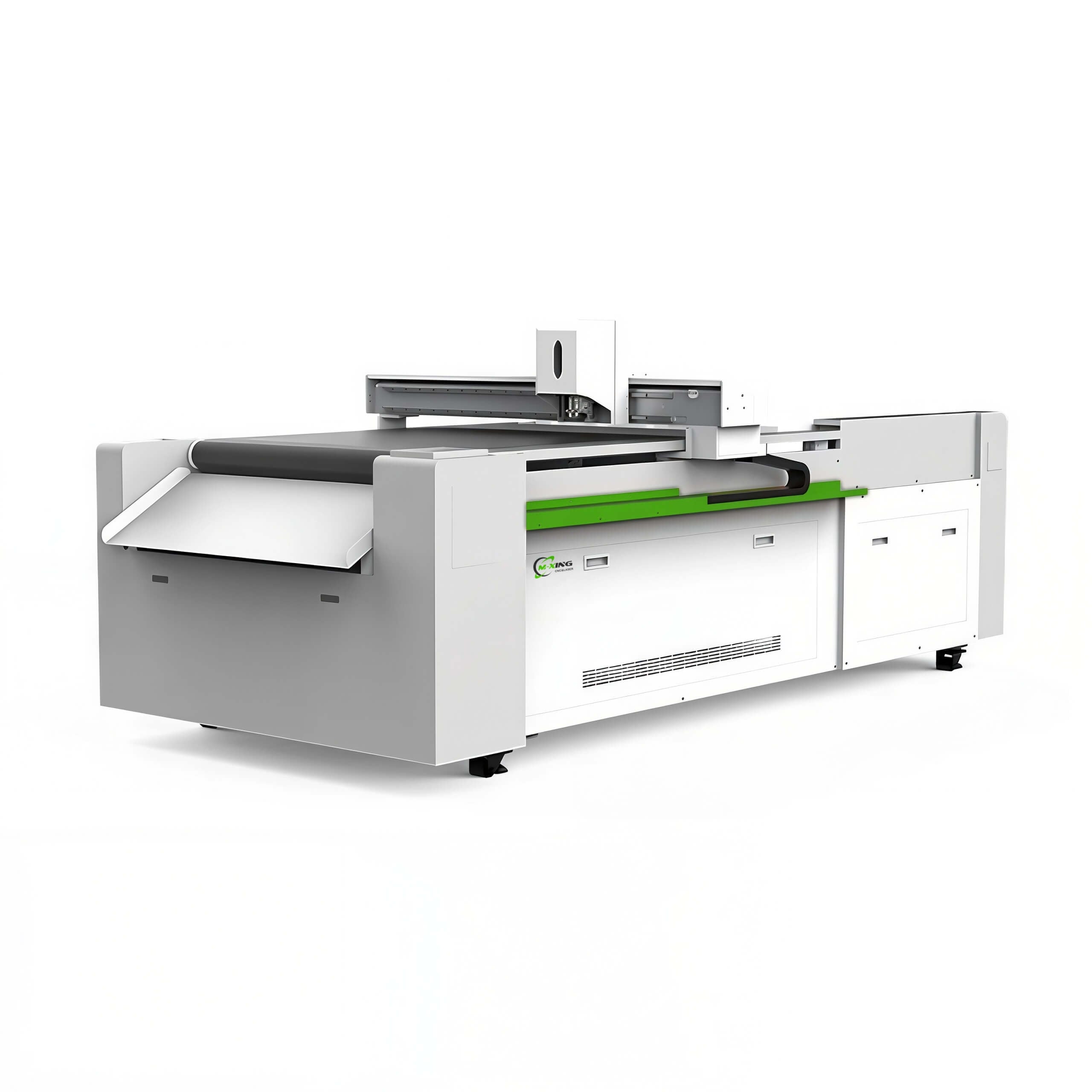
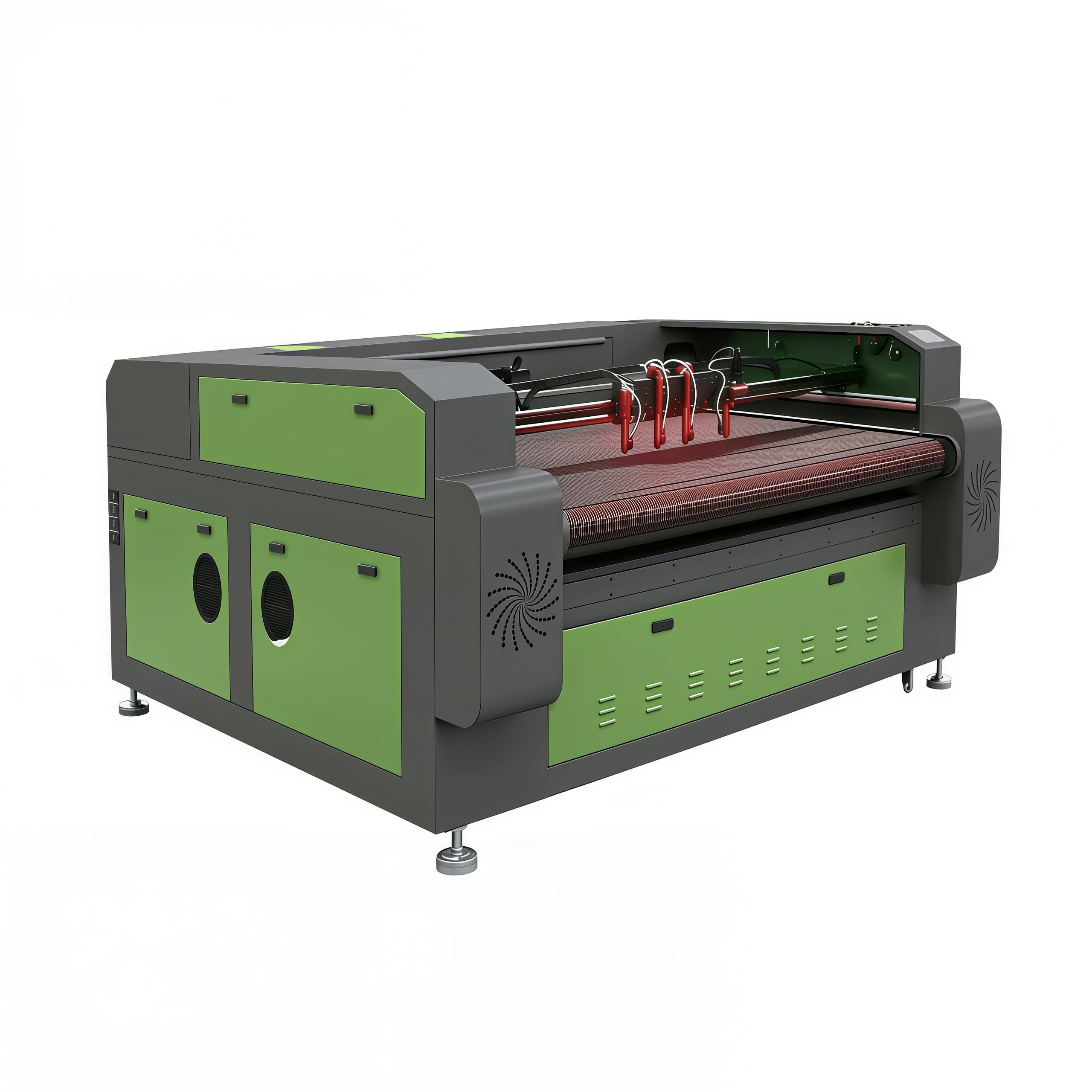
For shops cutting rolls, a conveyor or auto-feeding arrangement is the practical answer, because it removes the stop-start handling that consumes the operator's time. For a sample room cutting single pieces, a vacuum table and careful placement is enough.
Two of these deserve emphasis. Seam puckering along a laser edge is a common and under-discussed issue: a fused edge is stiffer than a cut one, and a sewer expecting a soft edge will pucker the seam. On garments where the seam is prominent, the edge may need to be trimmed or the construction changed. Fume deposit on white synthetics is the textile version of the smell problem in packaging — invisible on the bench, obvious on the finished product under bright light.
Textile work is light, fast and detail-heavy, which puts different demands on a machine than panel work.
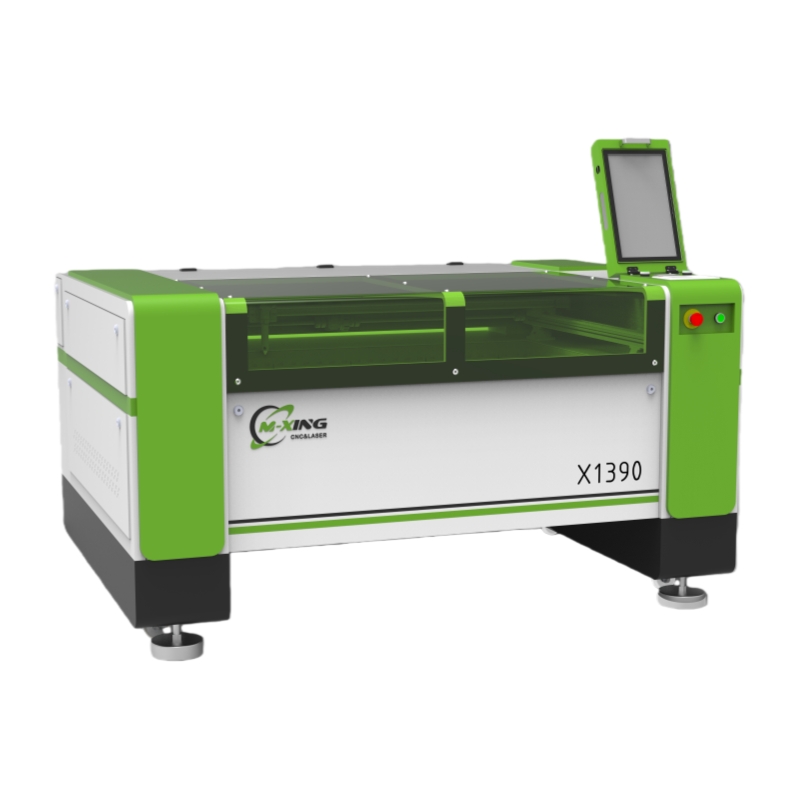
Bed size follows the pieces, not the roll. Garment panels and footwear components are small; a bed that comfortably takes a marker for a short run is more useful than a very large one, and the 6090 and 1390 formats cover most sample-room and short-run work. Larger formats suit soft signage, home textiles and long components.
A camera is the single most valuable option if digital print is part of the plan. Without registration, cut-to-print becomes a skilled manual job; with it, it becomes routine. This is the same logic as in the signage article, applied to fabric.
Conveyor or auto-feeding matters for roll goods, and only for roll goods. A shop cutting discrete pieces gains little from it.
Extraction has to suit the material, not the machine. Synthetic fume, coating vapour and natural-fibre smoke are different loads, and textile shops switch between them hourly. A filtration setup sized for cotton will not handle coated synthetics, and the difference shows up as residue on the product before it shows up as a machine fault.
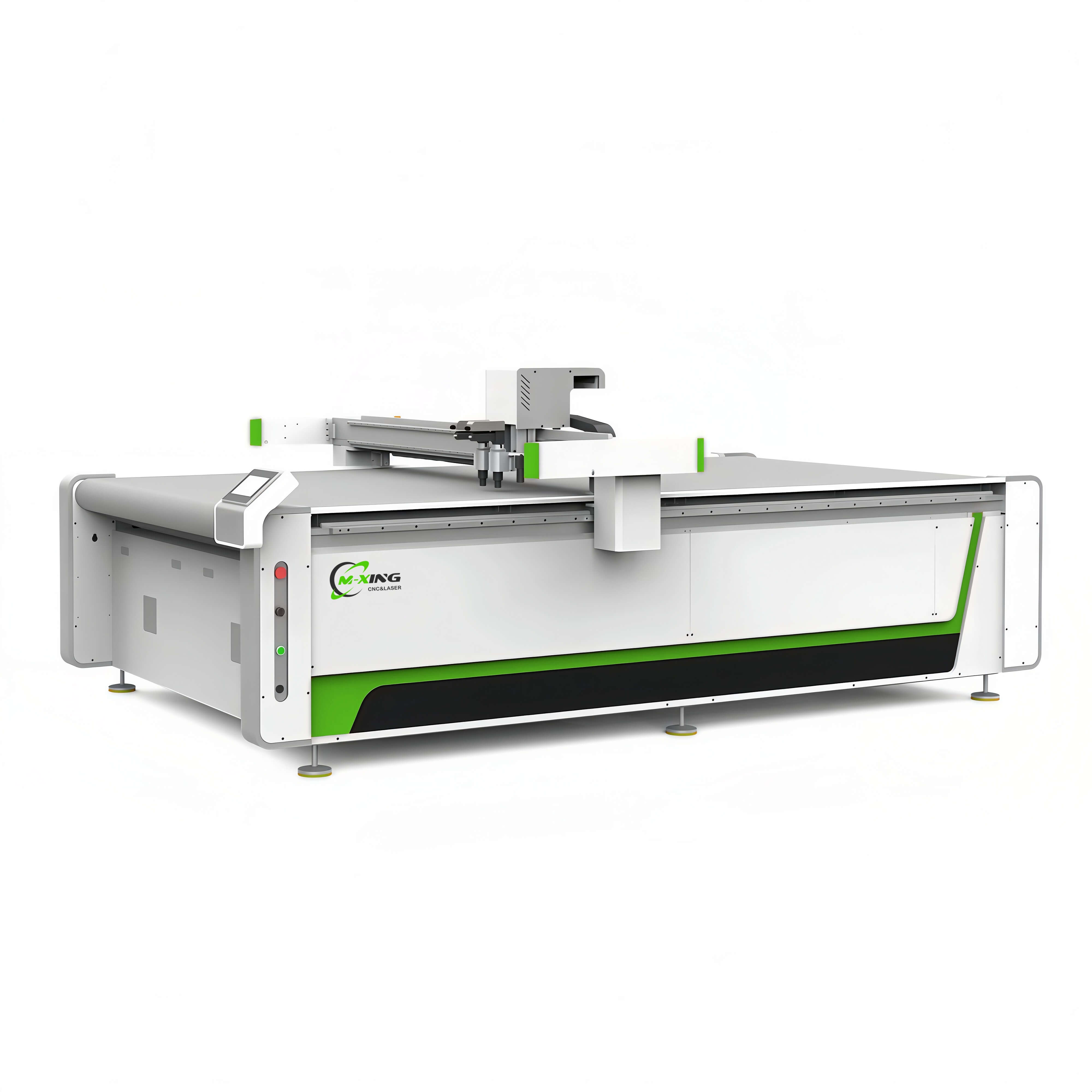
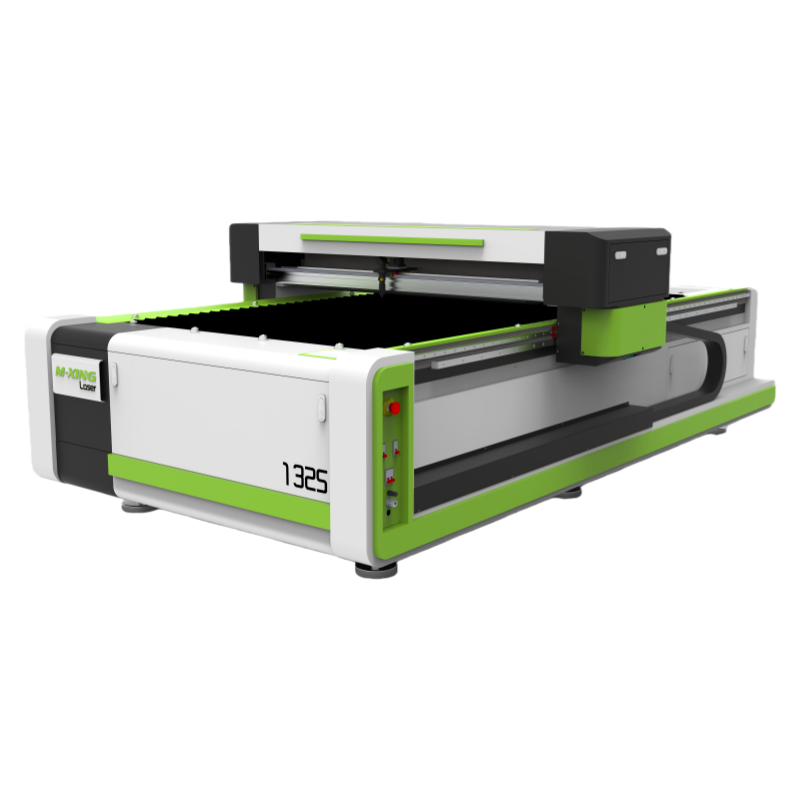
Mingxing Laser's CO2 range covers the 6090, 1390, 1610 and 1325 formats with camera, dual-head and auto-feeding options. For a textile or footwear business the useful question is narrower than for other industries: how much of the order book is digital-print cut-to-shape, sampling, or short-run work that a knife cannot handle economically? That share, not the total production volume, is what a laser should be bought against.
Apparel and footwear reward a laser in the parts of the business that are growing: digitally printed designs cut to shape, rapid sampling, small runs that cannot justify a die, footwear detail work, and marking pieces so they cannot be mixed up.
They do not reward it in bulk cutting, where a knife on a lay will always win. A shop that buys a laser to replace a cutting room has bought the wrong tool; a shop that buys it to make short runs and printed work economic has bought a capability its competitors cannot match without tooling.
The distinction is worth stating plainly to any customer: a laser does not make cheap garments. It makes small quantities of complicated garments possible.
 Hot News
2026-02-05
2026-02-03
2025-12-01

Mingxing Laser is a leading China-based laser machine manufacturer offering CO2 laser cutters, fiber laser cutting machines, CNC routers, laser welders & marking machines. OEM/ODM custom solutions available. Get a quote today!
- Company Headquarters: Room 1303, Building 4, UnitedFortune Plaza, High-tech Zone, Jinan City, Shandong Province, China
- Manufacturing Plant: No. 18, Yinhe Road, Jibei Street, Jiyang District, Jinan City, Shandong Province, China
Copyright © 2026 Century Mingxing (jinan) Intelligent Technology Co., Ltd. All rights reserved. Privacy Policy

 EN