Advanced Laser Cutting Welding Machine - Precision Manufacturing Solutions for Modern Industry

All Categories

Get a Free Quote

Our representative will contact you soon.
Email
Name
WhatsApp
Company Name
Message
0/1000

laser cutting welding machine

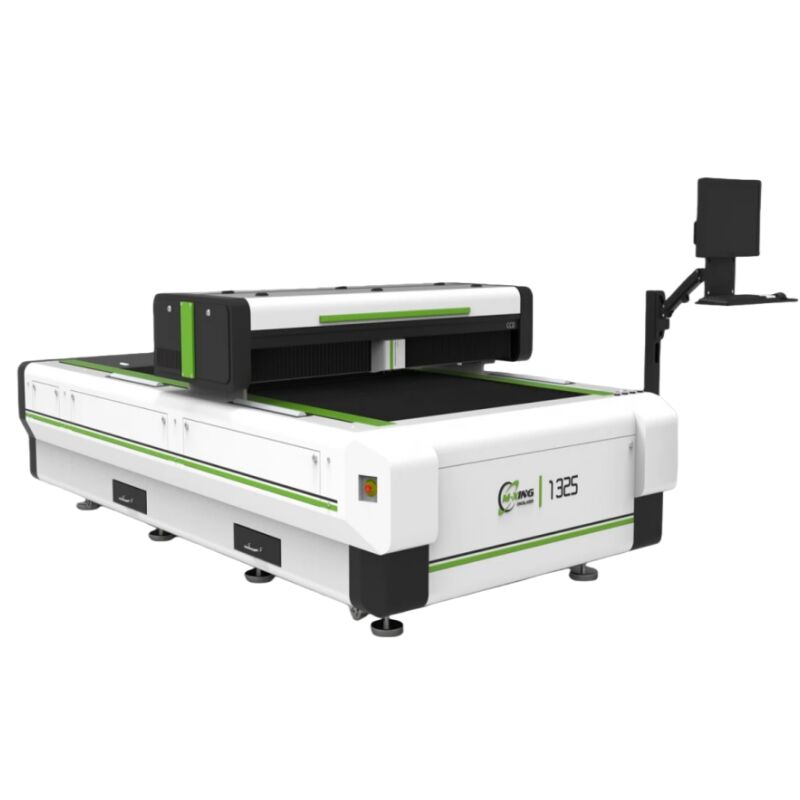
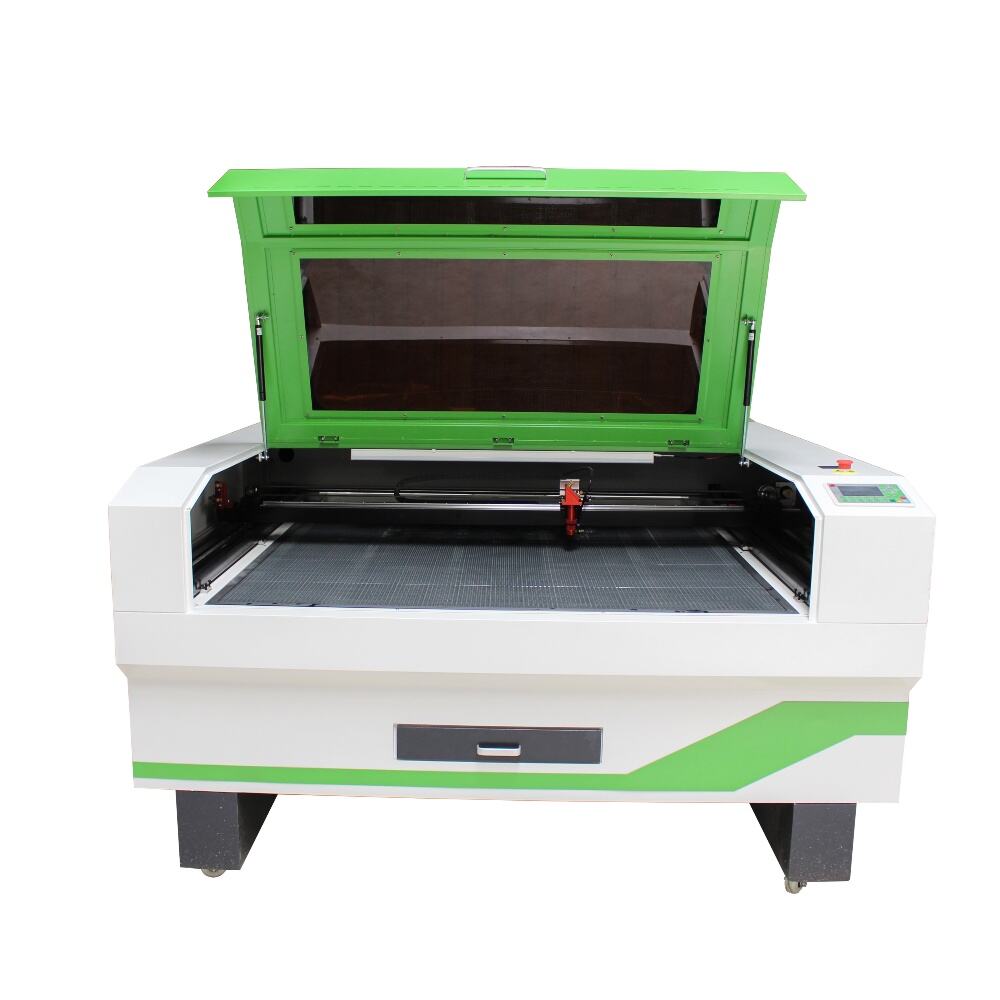
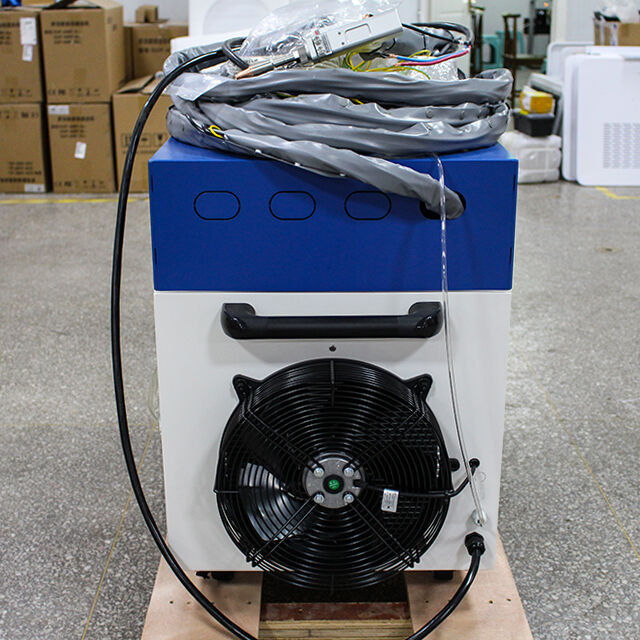
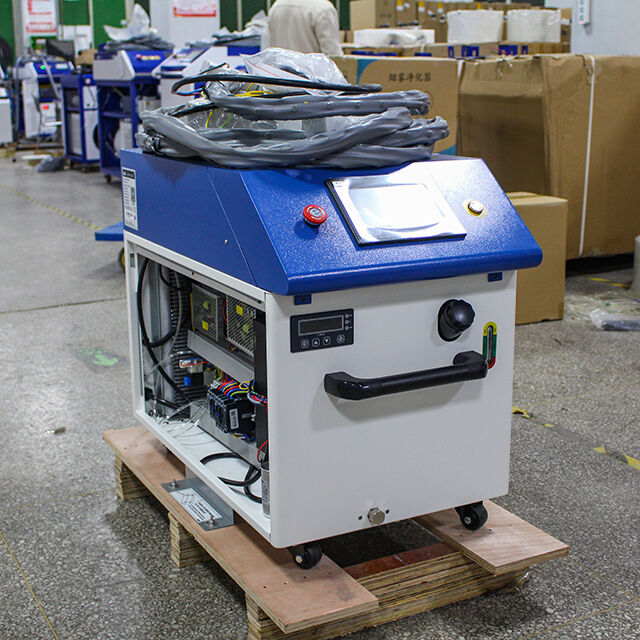
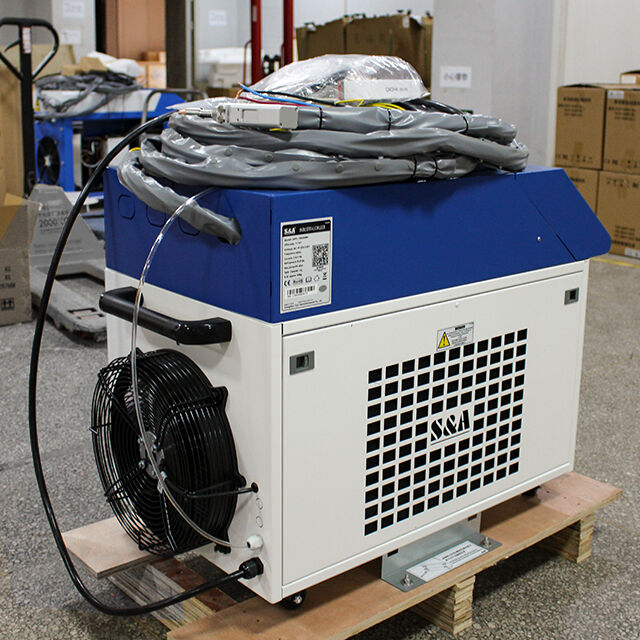
The laser cutting welding machine represents a revolutionary advancement in modern manufacturing technology, combining two essential industrial processes into one sophisticated piece of equipment. This innovative system utilizes high-powered laser beams to both cut materials with exceptional precision and weld components together with remarkable accuracy. The laser cutting welding machine operates through focused laser energy that can be precisely controlled to either melt through materials for cutting or fuse materials together for welding applications. These machines typically feature advanced computer numerical control systems that enable operators to program complex cutting patterns and welding sequences with minimal manual intervention. The technological backbone of the laser cutting welding machine includes high-quality laser sources, advanced optical systems, and sophisticated control software that work together to deliver consistent results. Most modern units incorporate fiber laser technology, which provides superior beam quality and energy efficiency compared to traditional CO2 laser systems. The machine's versatility extends across multiple material types, including various metals, plastics, composites, and even some ceramic materials. Key technological features include automatic focus adjustment, real-time power monitoring, and integrated safety systems that protect both operators and equipment. The precision capabilities of these machines allow for intricate cutting patterns with tolerances as tight as 0.1mm, while welding applications can achieve penetration depths and bead profiles that meet the most demanding industrial standards. Advanced models feature multi-axis movement capabilities, enabling three-dimensional cutting and welding operations that were previously impossible with conventional equipment. The laser cutting welding machine also incorporates intelligent material recognition systems that automatically adjust parameters based on material type and thickness, ensuring optimal results across different applications. These machines find extensive use in automotive manufacturing, aerospace industry, electronics production, medical device fabrication, architectural metalwork, and custom fabrication shops where precision and efficiency are paramount.

New Product Recommendations

The laser cutting welding machine delivers numerous practical benefits that directly impact productivity and profitability for businesses across various industries. Manufacturing companies experience significant time savings because this equipment eliminates the need for separate cutting and welding operations, reducing production cycles by up to 40 percent compared to traditional methods. The precision capabilities of the laser cutting welding machine ensure consistent quality results, reducing material waste and minimizing rework requirements that often plague conventional manufacturing processes. Operators appreciate the user-friendly interface that simplifies complex operations, allowing even less experienced technicians to produce professional-grade results after minimal training. The machine's automated features reduce labor costs while improving workplace safety by minimizing direct human interaction with cutting and welding processes. Energy efficiency represents another major advantage, as modern laser cutting welding machines consume substantially less power than traditional plasma cutters and arc welders while delivering superior results. The clean cutting edges produced by laser technology often eliminate secondary finishing operations, saving additional time and reducing overall production costs. Maintenance requirements are significantly lower compared to conventional equipment because laser cutting welding machines have fewer moving parts and generate less wear during operation. The versatility of these machines allows manufacturers to handle diverse projects without investing in multiple specialized tools, maximizing equipment utilization and return on investment. Quality consistency remains exceptional throughout extended production runs, as laser parameters can be precisely controlled and repeated without variation. The non-contact nature of laser processing prevents tool wear and eliminates concerns about contamination that can affect traditional cutting and welding methods. Environmental benefits include reduced emissions and waste generation, making laser cutting welding machines an eco-friendly choice for environmentally conscious manufacturers. The compact footprint of modern units allows efficient use of valuable floor space while providing capabilities that previously required multiple large machines. Remote monitoring capabilities enable predictive maintenance and real-time performance optimization, further enhancing operational efficiency and reducing unexpected downtime costs.

Tips And Tricks

How does laser engraving machine work step by step?

05

Mar

How does laser engraving machine work step by step?

Laser engraving technology has revolutionized modern manufacturing and creative industries by providing precise, efficient, and versatile material processing capabilities. An engraving machine utilizes focused laser beams to create detailed patterns,...
View More
What is a laser engraver and how does it work in 2026?

03

Mar

What is a laser engraver and how does it work in 2026?

A laser engraver represents one of the most revolutionary technological advances in precision manufacturing and creative fabrication. This sophisticated device harnesses focused light energy to permanently mark, etch, or cut various materials with un...
View More
What materials can a laser engraver cut and engrave today?

06

Mar

What materials can a laser engraver cut and engrave today?

Modern manufacturing and creative industries have witnessed remarkable advancements in precision cutting and engraving technologies. A laser engraver has become an indispensable tool across various sectors, from small artisan workshops to large-scale...
View More
What types of laser engraving machines are available?

09

Mar

What types of laser engraving machines are available?

The modern manufacturing landscape has been revolutionized by precision cutting and engraving technologies, with laser engraving machine systems leading the charge in delivering exceptional accuracy and versatility. These sophisticated devices have t...
View More

Get a Free Quote

Our representative will contact you soon.
Email
Name
WhatsApp
Company Name
Message
0/1000

laser cutting welding machine

Unmatched Precision and Accuracy for Complex Manufacturing Tasks

Unmatched Precision and Accuracy for Complex Manufacturing Tasks

The laser cutting welding machine excels in delivering extraordinary precision that surpasses traditional manufacturing methods by significant margins. This exceptional accuracy stems from the laser beam's ability to focus energy into an extremely small spot size, typically measuring between 0.1 to 0.3 millimeters in diameter. Such precise control enables manufacturers to execute intricate designs and complex geometries that would be impossible or economically unfeasible with conventional cutting and welding techniques. The machine's advanced positioning systems utilize servo motors and linear encoders that provide positional accuracy within micrometers, ensuring that every cut and weld follows the programmed path exactly. This level of precision becomes particularly valuable in industries where tight tolerances are critical, such as aerospace components, medical devices, and precision electronics. The laser cutting welding machine maintains consistent accuracy throughout extended production runs, eliminating the gradual degradation of precision commonly experienced with mechanical cutting tools that wear over time. Heat-affected zones remain minimal due to the concentrated nature of laser energy, preserving the material's structural integrity around the cutting or welding area. This characteristic proves especially important when working with heat-sensitive materials or when maintaining specific metallurgical properties is essential. The machine's ability to execute complex three-dimensional operations with consistent precision opens new possibilities for innovative product designs that were previously constrained by manufacturing limitations. Quality control becomes more predictable and reliable because the laser cutting welding machine produces repeatable results that meet exact specifications every time. The precision capabilities extend beyond basic cutting and welding to include specialized applications such as micro-machining, surface texturing, and selective material removal. Advanced software integration allows operators to program intricate patterns, gradual transitions, and variable parameter settings that adapt to changing material conditions throughout the cutting or welding process. This precision advantage translates directly into reduced material waste, lower rejection rates, and higher customer satisfaction due to consistent product quality. The economic impact of this precision becomes evident through reduced inspection requirements, fewer quality control issues, and the ability to meet stringent industry standards without additional secondary operations.
Exceptional Versatility Across Multiple Materials and Applications

Exceptional Versatility Across Multiple Materials and Applications

The remarkable versatility of the laser cutting welding machine makes it an invaluable asset for manufacturers working with diverse materials and varied production requirements. This single piece of equipment can efficiently process metals ranging from thin aluminum sheets to thick steel plates, stainless steel, titanium, and exotic alloys commonly used in specialized applications. The machine's adaptability extends beyond metals to include advanced composites, engineering plastics, ceramics, and even some textile materials, making it suitable for industries spanning automotive, aerospace, electronics, medical devices, and architectural applications. Parameter adjustment capabilities allow operators to optimize cutting and welding settings for each specific material type and thickness, ensuring optimal results regardless of the substrate being processed. The laser cutting welding machine excels in both production environments and prototype development scenarios, seamlessly transitioning from high-volume manufacturing runs to custom one-off projects without requiring extensive setup changes. This flexibility enables manufacturers to respond quickly to changing market demands and customer requirements without investing in additional specialized equipment. The machine's ability to switch between cutting and welding operations on the same workpiece eliminates material handling steps and reduces production time significantly. Advanced programming capabilities support complex manufacturing sequences that combine multiple operations, such as cutting blanks, creating assembly features, and welding joints in predetermined sequences. Material thickness capabilities typically range from ultra-thin foils measuring less than 0.1mm to thick plates exceeding 25mm, depending on the laser power and material type being processed. The laser cutting welding machine handles both ferrous and non-ferrous materials with equal proficiency, adapting automatically to different thermal and optical properties. Surface finish requirements can be customized through parameter adjustments, producing everything from smooth, polished edges to textured surfaces suitable for specific applications. The versatility extends to joint configurations in welding applications, supporting butt joints, lap joints, fillet welds, and complex three-dimensional weld paths that follow curved or angled surfaces. This comprehensive capability eliminates the need for multiple specialized machines, reducing equipment costs, maintenance requirements, and operator training needs while maximizing production flexibility and efficiency.
Superior Cost Efficiency Through Reduced Operating Expenses and Increased Productivity

Superior Cost Efficiency Through Reduced Operating Expenses and Increased Productivity

The laser cutting welding machine delivers exceptional cost efficiency that significantly improves manufacturing economics through multiple interconnected benefits. Operating costs remain substantially lower than traditional manufacturing methods because the laser cutting welding machine requires minimal consumable materials, eliminating expenses associated with cutting blades, welding electrodes, and shielding gases used in conventional processes. Energy consumption efficiency surpasses traditional equipment by 30-50 percent, resulting in reduced utility costs that accumulate substantial savings over time. The machine's longevity and reliability minimize replacement costs while maintaining consistent performance throughout its operational lifetime. Labor efficiency improvements become immediately apparent as operators can manage multiple laser cutting welding machines simultaneously due to their automated operation capabilities, effectively multiplying workforce productivity without proportional increases in labor costs. Setup times decrease dramatically compared to conventional equipment because the laser cutting welding machine requires no tool changes, fixture modifications, or extensive calibration procedures when switching between different jobs. Material utilization improves significantly through optimized nesting algorithms that maximize the number of parts produced from each sheet or plate, reducing raw material costs while minimizing waste disposal expenses. The elimination of secondary finishing operations, such as deburring, grinding, or machining, removes additional processing steps that add time and cost to traditional manufacturing workflows. Quality improvements reduce rework and rejection rates, preventing the costly cycles of material waste and repeated production efforts that impact profitability. Maintenance costs remain minimal due to the laser cutting welding machine's solid-state design and absence of mechanical wear components that require regular replacement. The machine's diagnostic capabilities enable predictive maintenance scheduling that prevents costly unplanned downtime while optimizing maintenance intervals based on actual usage patterns rather than arbitrary time schedules. Inventory costs decrease because the machine's versatility reduces the need to maintain extensive tooling inventories required for conventional cutting and welding operations. Floor space efficiency allows manufacturers to achieve higher production capacity within existing facilities without expensive building expansions. The laser cutting welding machine's ability to produce finished parts that meet final specifications eliminates outsourcing costs for specialized operations while maintaining complete production control. Return on investment typically occurs within 18-24 months for most manufacturing applications, with continued cost savings extending throughout the machine's operational lifetime.
Advanced Laser Cutting Welding Machine - Precision Manufacturing Solutions for Modern Industry

Get a Free Quote

Our representative will contact you soon.
Email
Name
WhatsApp
Company Name
Message
0/1000