 EN
EN
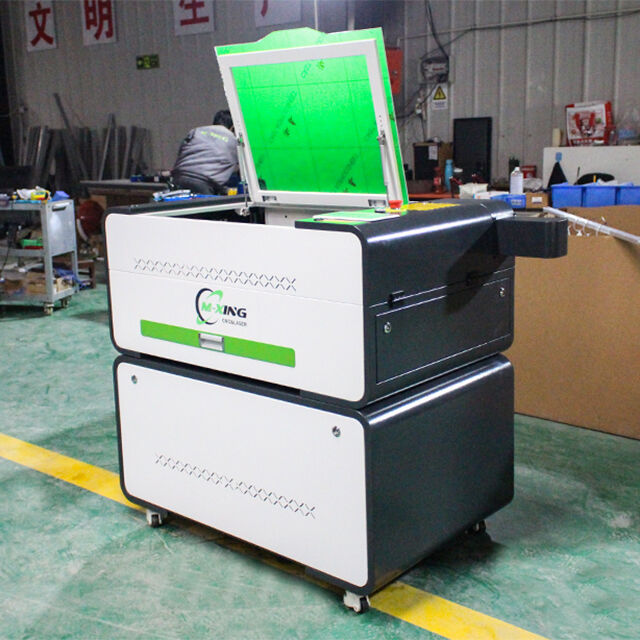
A laser engraver represents one of the most revolutionary technological advances in precision manufacturing and creative fabrication. This sophisticated device harnesses focused light energy to permanently mark, etch, or cut various materials with unprecedented accuracy and control. Understanding how a laser engraver operates reveals the intricate science behind transforming digital designs into physical reality through concentrated laser beams that interact with material surfaces at the molecular level.
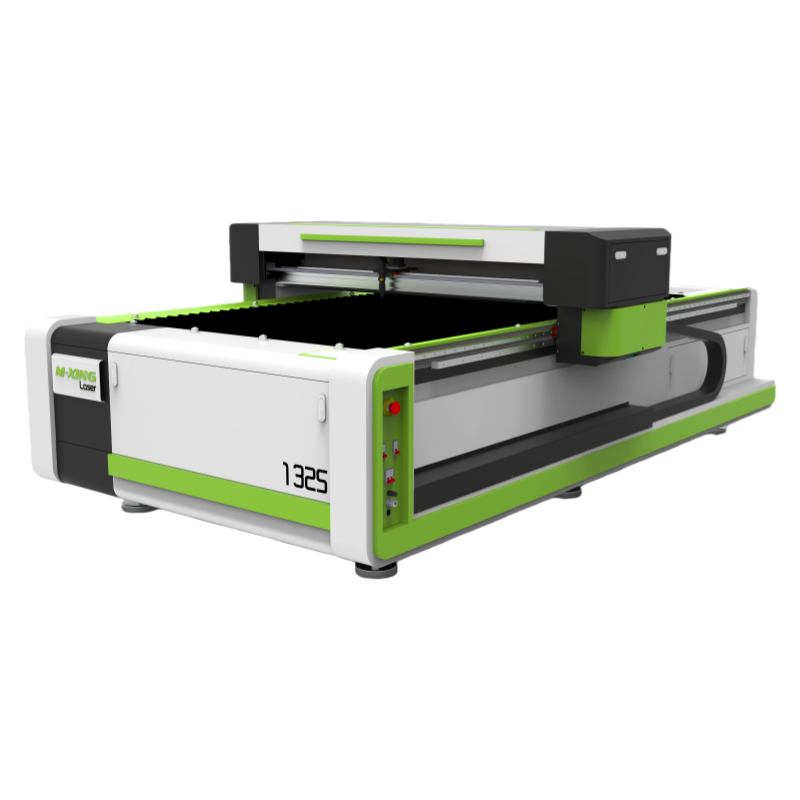
Understanding Laser Engraver Technology
Core Components and Systems
Modern laser engraver systems incorporate several critical components that work in harmony to achieve precise material processing. The laser source generates coherent light through stimulated emission, typically using CO2 gas mixtures, fiber optics, or diode configurations. Each laser type offers distinct advantages for specific materials and applications, with CO2 lasers excelling in organic materials while fiber lasers demonstrate superior performance on metals and harder substances.
The optical system directs and focuses laser energy through mirrors, lenses, and beam delivery mechanisms. High-precision galvanometer scanners or stepper motor-driven gantry systems position the laser beam with micron-level accuracy. Advanced laser engraver models feature adaptive optics that automatically adjust focus depth and beam characteristics based on material properties and thickness variations.
Control electronics coordinate all mechanical and optical components through sophisticated software interfaces. These systems translate digital artwork into precise motion commands, managing laser power modulation, cutting speeds, and multi-pass operations. Real-time monitoring sensors provide feedback on material conditions, ensuring consistent engraving quality throughout extended production runs.
Laser Generation Principles
The fundamental physics behind laser engraver operation involves stimulated emission of radiation within gain media. Carbon dioxide lasers achieve population inversion through electrical discharge in gas mixtures containing CO2, nitrogen, and helium. This process generates coherent infrared radiation at 10.6 micrometers wavelength, ideal for processing wood, acrylic, fabric, and paper materials.
Fiber laser engraver systems utilize rare earth elements like ytterbium within optical fiber cores. Pump diodes inject energy into the fiber, creating laser emission through distributed feedback mechanisms. This configuration produces near-infrared wavelengths around 1064 nanometers, offering exceptional beam quality and efficiency for metal processing applications.
Diode laser engraver technology directly converts electrical energy to laser light through semiconductor junctions. While typically lower in power output, diode systems provide cost-effective solutions for hobbyist applications and light-duty commercial work. Recent advances in diode technology have significantly improved power density and beam quality, expanding their practical applications.
Material Processing Mechanisms
Thermal Interaction Processes
When laser engraver beams contact material surfaces, several thermal processes occur depending on power density and exposure time. Sublimation removes material directly from solid to vapor phase, creating clean edges in materials like wood and plastic. Melting occurs at moderate power levels, useful for sealing cut edges in synthetic materials while preventing fraying or delamination.
Vaporization happens at higher power densities, instantly converting material to vapor and creating precise cuts or deep engravings. The laser engraver system must carefully control these processes to achieve desired results while minimizing heat-affected zones that could compromise material integrity or appearance.
Advanced pulse control technology allows laser engraver operators to precisely manage energy delivery. Short pulse durations minimize thermal effects, enabling processing of heat-sensitive materials. Continuous wave operation provides efficient cutting of thick materials, while pulsed modes offer superior control for detailed engraving work.
Chemical and Photochemical Effects
Beyond thermal processes, laser engraver systems can induce chemical changes in certain materials. Photopolymer resins undergo cross-linking reactions when exposed to specific laser wavelengths, enabling three-dimensional structuring without traditional heating. Some metals develop oxide layers under controlled laser exposure, creating permanent color changes for decorative applications.
Organic materials may experience photochemical decomposition, breaking molecular bonds and creating new compounds. This process enables laser engraver systems to create permanent markings on materials that would otherwise resist traditional engraving methods. Understanding these chemical interactions helps operators optimize processing parameters for specific material combinations.
Surface modification through laser processing can alter material properties beyond mere marking. Controlled laser engraver exposure can change surface roughness, wettability, or adhesion characteristics. These modifications find applications in medical device manufacturing, automotive components, and advanced material engineering.
Applications and Industry Implementation
Manufacturing and Production
Industrial laser engraver systems have revolutionized manufacturing processes across numerous industries. Automotive manufacturers utilize laser engraving for permanent part identification, creating tamper-proof serial numbers and traceability codes on engine components, chassis elements, and safety-critical parts. The precision and permanence of laser marking ensures compliance with regulatory requirements while enabling efficient quality control procedures.
Electronics manufacturing relies heavily on laser engraver technology for circuit board processing, component marking, and micro-machining operations. The ability to create features smaller than traditional mechanical tools allows for continued miniaturization of electronic devices. Laser processing also enables selective material removal for creating conductive pathways and isolation trenches in semiconductor fabrication.
Medical device manufacturing represents another critical application area where laser engraver precision ensures patient safety and regulatory compliance. Surgical instruments receive permanent identification markings that withstand sterilization procedures. Implantable devices require precise surface texturing to promote tissue integration, achieved through controlled laser processing parameters.
Creative and Artistic Applications
The creative industries have embraced laser engraver technology for producing custom artwork, architectural models, and decorative elements. Furniture manufacturers use laser cutting for intricate joinery and decorative patterns impossible to achieve through traditional woodworking methods. The repeatability of laser engraver systems enables mass production of custom designs while maintaining artisanal quality.
Jewelry and fashion designers leverage laser engraver capabilities for creating detailed patterns, textures, and personalized elements. The technology enables processing of materials ranging from precious metals to synthetic fabrics, expanding creative possibilities while reducing production time and waste.
Architectural firms utilize large-format laser engraver systems for creating detailed scale models and presentation materials. The ability to cut and engrave multiple materials in single setups streamlines prototyping workflows and enables rapid design iteration cycles.
Technology Advances and Future Developments
Emerging Laser Technologies
Recent developments in laser engraver technology focus on improving processing speed, expanding material compatibility, and enhancing user accessibility. Ultrashort pulse lasers enable processing of transparent materials and heat-sensitive substances previously challenging for conventional systems. These femtosecond laser engraver units create modifications through nonlinear optical effects rather than thermal processes.
Multi-wavelength laser engraver systems combine different laser types within single platforms, enabling optimized processing of diverse material combinations. This approach reduces equipment requirements while expanding application versatility. Adaptive beam shaping technology automatically adjusts laser characteristics based on material properties and processing requirements.
Artificial intelligence integration in laser engraver control systems enables predictive maintenance, automatic parameter optimization, and quality assurance monitoring. Machine learning algorithms analyze processing data to identify optimal settings for new materials and applications, reducing setup time and improving consistency.
Sustainability and Environmental Considerations
Modern laser engraver designs emphasize energy efficiency and environmental responsibility. LED-pumped laser sources reduce power consumption while improving reliability and extending operational lifespans. Closed-loop cooling systems minimize water usage and enable operation in environmentally sensitive locations.
Fume extraction and filtration systems have evolved to capture and neutralize processing byproducts effectively. Advanced filtration technology removes particulates and chemical vapors, ensuring safe operation while meeting increasingly stringent environmental regulations. Some laser engraver systems incorporate waste heat recovery for facility heating or other productive uses.
Sustainable material processing represents another focus area, with laser engraver technology enabling efficient recycling of composite materials and selective removal of coatings for material recovery. This capability supports circular economy initiatives while reducing manufacturing waste streams.
Operational Considerations and Best Practices
Safety Protocols and Training
Proper laser engraver operation requires comprehensive safety protocols and operator training. Laser classification systems define exposure limits and required safety measures based on power levels and wavelengths. Class 4 industrial laser engraver systems mandate enclosed processing areas, interlock systems, and emergency shutdown procedures to protect operators and bystanders.
Personal protective equipment includes appropriate eyewear rated for specific laser wavelengths and power levels. Ventilation systems must adequately remove processing fumes and particulates to maintain safe air quality. Regular safety training ensures operators understand hazards and emergency procedures while maintaining productivity.
Documentation and record-keeping support regulatory compliance and quality assurance programs. Laser engraver systems require periodic calibration and maintenance records to ensure continued safe operation and processing accuracy. Safety audits verify compliance with applicable standards and identify potential improvement areas.
Maintenance and Optimization
Preventive maintenance programs maximize laser engraver reliability and processing quality while minimizing downtime. Regular cleaning of optical components prevents contamination that could degrade beam quality or damage expensive elements. Laser tube replacement schedules based on operating hours ensure consistent power output and processing capabilities.
Calibration procedures verify mechanical accuracy and laser power stability across the entire working envelope. Advanced laser engraver systems include automated calibration routines that compensate for thermal drift and mechanical wear. Parameter optimization for specific materials and applications improves processing efficiency while extending equipment life.
Spare parts inventory management ensures rapid response to component failures. Critical components like laser tubes, power supplies, and motion control elements require appropriate storage conditions and replacement scheduling. Vendor support agreements provide technical assistance and expedited parts delivery for mission-critical applications.
FAQ
What materials can be processed with a laser engraver?
A laser engraver can process numerous materials including wood, acrylic, leather, fabric, paper, cardboard, rubber, and many plastics. CO2 laser engraver systems excel with organic materials, while fiber lasers work best on metals like stainless steel, aluminum, and brass. Material thickness capabilities vary by laser power, typically ranging from thin films to several inches thick depending on the specific laser engraver configuration and material properties.
How does laser engraver speed compare to traditional methods?
Laser engraver systems typically operate significantly faster than traditional mechanical engraving methods, especially for detailed or repetitive work. Simple text engraving that might take hours by hand can be completed in minutes with a laser engraver. Complex cutting operations that require multiple tool changes in conventional machining can be completed in single setups, reducing overall production time and improving consistency.
What factors determine laser engraver power requirements?
Laser engraver power requirements depend on material type, thickness, processing speed, and desired quality. Thicker materials generally require higher power for effective cutting, while engraving operations can often use lower power settings. A 40-80 watt laser engraver suits most hobbyist and light commercial applications, while industrial operations may require 150-500 watts or higher for thick materials and high-volume production.
Can a laser engraver work with different file formats?
Modern laser engraver software accepts various file formats including vector formats like AI, SVG, and DXF for cutting operations, plus raster formats like JPG, PNG, and BMP for engraving applications. Most laser engraver control software includes design tools and import capabilities for popular graphics programs. Advanced systems support direct integration with CAD software for seamless workflow from design to production.