 EN
EN
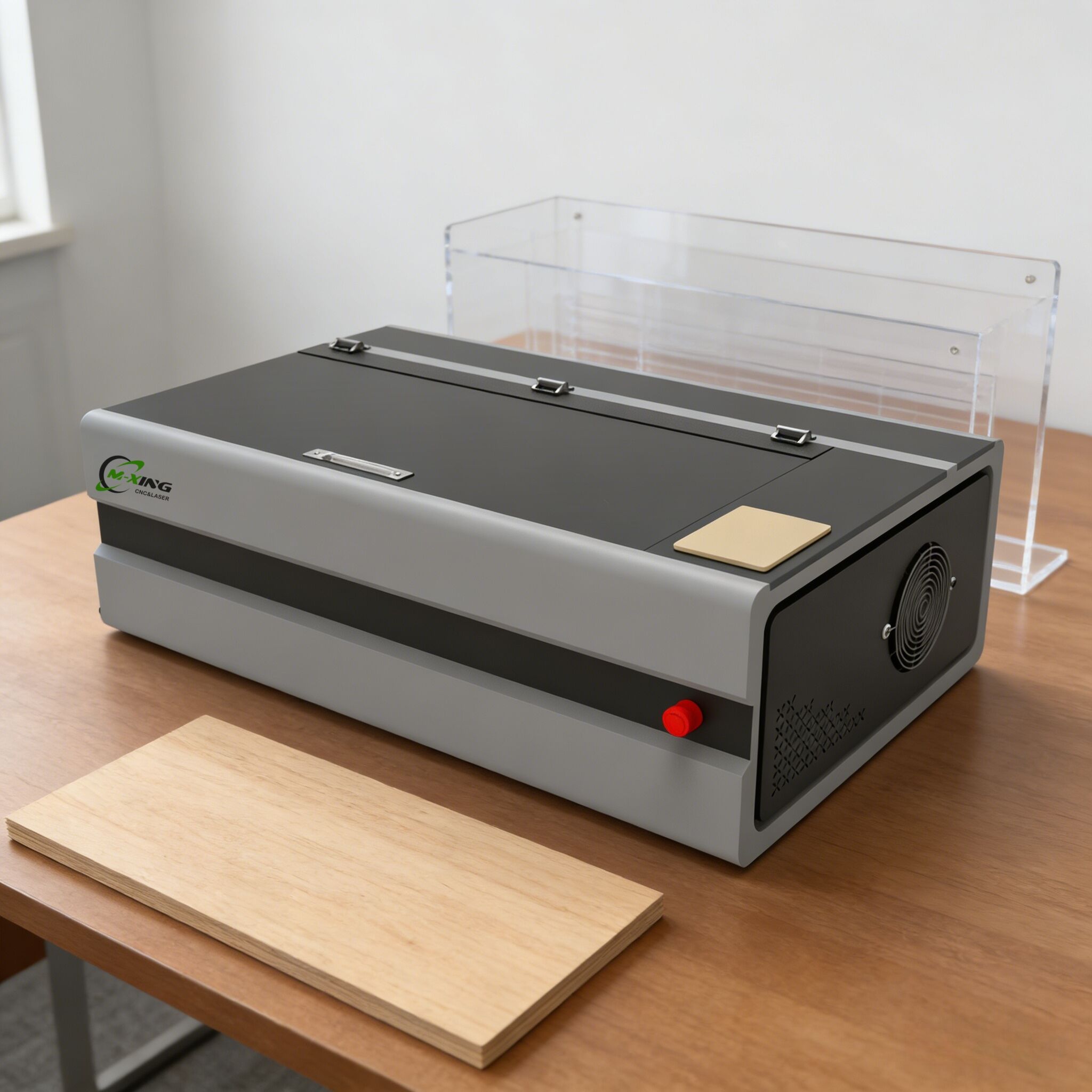
Modern manufacturing and creative industries have witnessed remarkable advancements in precision cutting and engraving technologies. A laser engraver has become an indispensable tool across various sectors, from small artisan workshops to large-scale industrial operations. Understanding the diverse range of materials that these sophisticated machines can handle is crucial for businesses looking to expand their capabilities and explore new market opportunities.
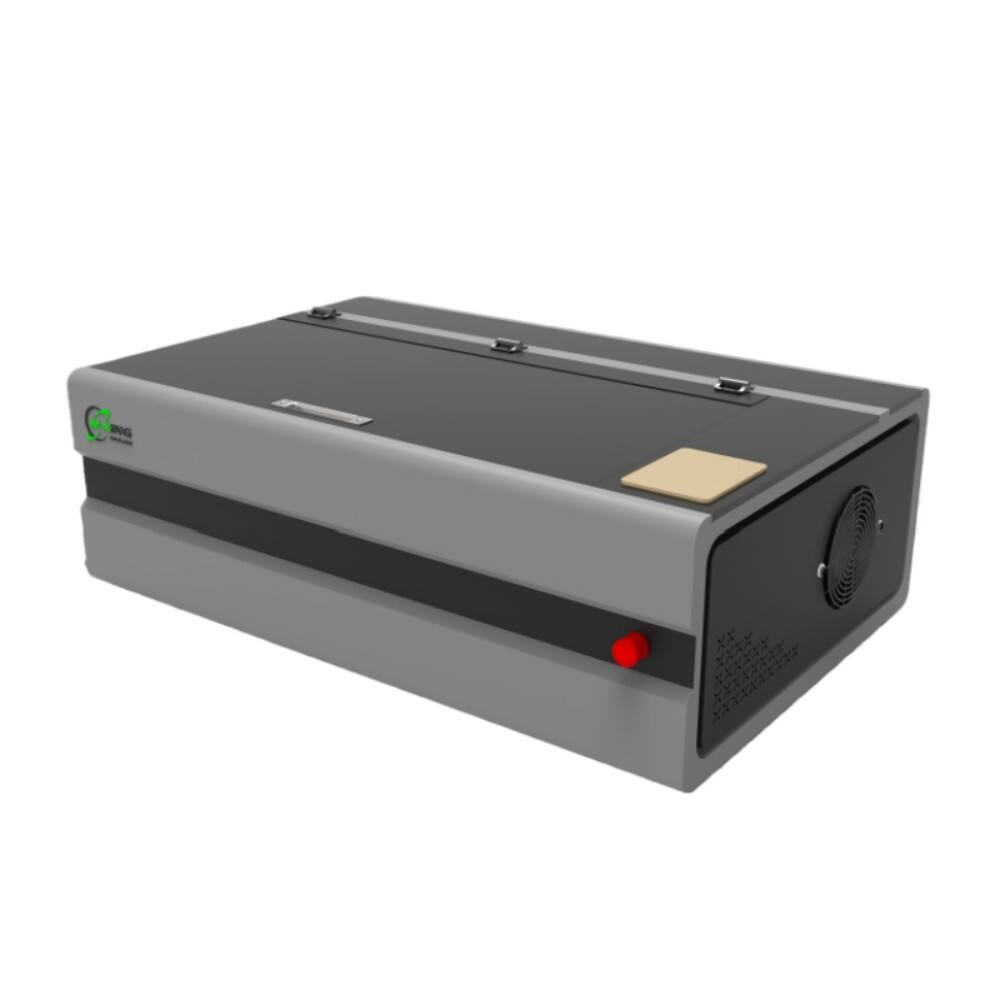
The versatility of contemporary laser engraver systems stems from their ability to manipulate different wavelengths and power levels to suit specific material properties. This technological flexibility has opened doors to processing everything from delicate organic materials to robust industrial substrates. The precision and consistency offered by these machines have revolutionized traditional manufacturing processes, enabling businesses to achieve intricate designs and complex geometries that were previously impossible or economically unfeasible.
Organic and Natural Materials
Wood Processing Capabilities
Wood remains one of the most popular materials for laser engraver applications due to its excellent response to laser energy. Hardwoods such as oak, maple, cherry, and walnut produce stunning engraving results with rich contrast and detailed textures. The laser engraver can create intricate patterns, text, and artistic designs on wooden surfaces while maintaining the natural beauty of the grain structure.
Softwoods like pine, cedar, and plywood also respond exceptionally well to laser processing. These materials are particularly favored in architectural modeling, signage production, and decorative applications. The laser engraver can cut through various thicknesses of wood, typically ranging from thin veneers to several inches thick, depending on the machine's power rating and configuration.
Paper and Cardboard Applications
Paper-based materials offer excellent opportunities for laser engraver applications in packaging, stationery, and artistic projects. Regular office paper, cardstock, and specialized papers respond beautifully to laser engraving, creating crisp edges and detailed patterns without the burning or charring often associated with traditional cutting methods.
Corrugated cardboard and paperboard materials are increasingly used in prototyping and packaging design. A laser engraver can create complex die-cut patterns, perforations, and scoring lines that would traditionally require expensive tooling and setup costs. This capability has transformed the packaging industry by enabling rapid prototyping and small-batch production runs.
Textile and Fabric Materials
Natural Fiber Processing
Cotton, linen, silk, and wool fabrics can be precisely cut and engraved using appropriate laser engraver settings. Natural fibers typically require lower power levels and higher speeds to prevent excessive heat buildup that could damage the material structure. The laser engraver excels at creating clean edges on fabric cuts, eliminating the fraying commonly associated with mechanical cutting methods.
Leather processing represents a significant application area for laser engraver technology. From thin garment leather to thick upholstery hides, these machines can create intricate patterns, logos, and decorative elements with exceptional precision. The heat from the laser engraver actually seals the edges of leather cuts, preventing cracking and extending the life of finished products.
Synthetic Textile Options
Polyester, nylon, and various synthetic blends respond well to laser engraver processing when proper parameters are established. These materials often produce cleaner cuts than natural fibers and can withstand higher processing speeds. Technical textiles used in automotive, aerospace, and industrial applications benefit from the precision cutting capabilities of modern laser engraver systems.
Felt materials, both natural and synthetic varieties, are particularly well-suited for laser engraver applications. The dense fiber structure responds beautifully to laser energy, creating smooth cuts and detailed engravings without unraveling or distortion. This makes felt an excellent choice for gaskets, filters, and decorative applications.
Polymer and Plastic Materials
Acrylic and PMMA Processing
Acrylic sheets and cast acrylic materials represent some of the most successful applications for laser engraver technology. These materials cut with exceptional edge quality, producing flame-polished surfaces that require no additional finishing. The transparency and optical clarity of acrylic make it ideal for signage, display cases, and architectural elements.
Colored acrylics and specialty formulations expand the creative possibilities for laser engraver users. Fluorescent acrylics, mirror-backed sheets, and textured surfaces all respond well to laser processing. The ability to engrave surface details while maintaining material integrity makes acrylic an excellent choice for awards, nameplates, and decorative panels.
Engineering Plastics
Delrin, nylon, and various engineering thermoplastics can be processed effectively with appropriate laser engraver configurations. These materials often require specific parameter optimization to achieve optimal results while minimizing heat-affected zones. Engineering plastics are commonly used in prototype development, jigs, fixtures, and functional components across multiple industries.
Thin plastic films and sheets used in electronics, medical devices, and packaging applications benefit from the precision capabilities of laser engraver systems. The non-contact nature of laser processing eliminates tool wear and maintains consistent quality across large production runs. This capability has proven invaluable in applications requiring tight tolerances and minimal material waste.
Composite and Layered Materials
Multi-Layer Substrates
Layered materials such as phenolic, fiberglass, and carbon fiber composites present unique opportunities for laser engraver applications. These materials often require specialized parameter development to achieve clean cuts through multiple layers while minimizing delamination and heat damage. The precision control available in modern laser engraver systems makes them ideal for processing these challenging substrates.
Printed circuit board materials, including FR4 and flexible polyimide substrates, are increasingly processed using laser engraver technology. The ability to create precise via holes, component cutouts, and edge profiling has made laser processing an essential capability in electronics manufacturing. The laser engraver can achieve tolerances and edge qualities that exceed traditional mechanical processing methods.
Foam and Cellular Materials
Closed-cell and open-cell foam materials respond exceptionally well to laser engraver processing. These materials can be cut with minimal compression and excellent edge sealing properties. Packaging foams, insulation materials, and specialty cellular plastics benefit from the clean cutting action that eliminates particle generation and maintains cellular structure integrity.
Specialty foams used in aerospace, automotive, and marine applications often require precise cutting and shaping that traditional methods cannot achieve efficiently. The laser engraver provides the necessary precision and repeatability while maintaining the performance characteristics of these advanced materials.
Rubber and Elastomeric Materials
Natural and Synthetic Rubber Processing
Various rubber compounds, including natural rubber, EPDM, silicone, and specialty elastomers, can be processed effectively using appropriate laser engraver parameters. These materials often require careful optimization to prevent excessive heat buildup while maintaining clean cut edges and dimensional accuracy.
Gasket materials, sealing compounds, and flexible components benefit from the precision cutting capabilities of laser engraver systems. The ability to create complex geometries and tight tolerances without tool wear has made laser processing increasingly popular in automotive, aerospace, and industrial sealing applications.
Flexible Material Considerations
Processing flexible materials with a laser engraver requires careful attention to material support and fixturing to prevent distortion during cutting. Proper material handling techniques and specialized work-holding solutions ensure consistent results across production runs. The non-contact nature of laser processing eliminates the material deformation often associated with mechanical cutting methods.
Thin films, membranes, and flexible substrates used in medical devices and electronic applications require exceptional precision and cleanliness. The laser engraver provides the necessary process control to maintain sterile conditions while achieving the tight tolerances required in these critical applications.
Stone and Ceramic Materials
Natural Stone Applications
Granite, marble, slate, and other natural stones can be engraved using high-powered laser engraver systems equipped for hard material processing. While cutting through stone typically requires specialized equipment, surface engraving creates beautiful decorative effects for architectural applications, memorials, and artistic projects.
The laser engraver excels at creating detailed text, logos, and intricate patterns on stone surfaces without the dust and vibration associated with traditional engraving methods. This capability has opened new markets in personalization services, architectural detailing, and commemorative products.
Ceramic and Glass Processing
Certain ceramic materials and glass types respond well to laser engraver processing, particularly for surface engraving and marking applications. The key to successful processing lies in understanding the thermal properties of specific materials and optimizing parameters to prevent cracking or thermal shock.
Specialty glass products, including borosilicate and tempered varieties, can be processed with appropriate laser engraver configurations. The precision available in modern systems enables the creation of intricate patterns, functional features, and decorative elements that enhance both aesthetic and functional properties.
FAQ
What factors determine which materials work best with a laser engraver
Material compatibility with a laser engraver depends primarily on the material's ability to absorb laser energy efficiently and its thermal properties during processing. Materials with consistent density, appropriate melting or vaporization temperatures, and minimal toxic fume generation typically produce the best results. The laser wavelength, power density, and processing speed must be optimized for each specific material type to achieve optimal cutting or engraving quality.
How do I determine the correct settings for different materials on my laser engraver
Determining optimal settings requires systematic testing with sample pieces of each material. Start with manufacturer recommendations or material databases, then conduct test cuts at various power and speed combinations. Document successful parameters for future reference, and always perform test cuts on representative samples before processing final parts. Material thickness, density variations, and surface treatments can significantly affect optimal settings.
Are there materials that should never be used with a laser engraver
Several materials pose safety risks and should be avoided entirely when using a laser engraver. PVC and vinyl materials generate toxic chlorine gas when heated, while materials containing asbestos, lead, or other hazardous substances create dangerous fumes. Reflective metals can damage laser optics, and certain treated woods or composites may contain harmful chemicals. Always consult material safety data sheets and manufacturer guidelines before processing unknown materials.
What safety considerations apply when processing different materials with a laser engraver
Safety requirements vary significantly based on material properties and processing parameters. Proper ventilation systems must handle fumes and particles generated during processing, while fire suppression systems should be appropriate for the materials being processed. Personal protective equipment, including safety glasses rated for the laser wavelength, should always be worn. Regular maintenance of filtration systems and exhaust equipment ensures continued safe operation across different material types.
Table of Contents
- Organic and Natural Materials
- Textile and Fabric Materials
- Polymer and Plastic Materials
- Composite and Layered Materials
- Rubber and Elastomeric Materials
- Stone and Ceramic Materials
-
FAQ
- What factors determine which materials work best with a laser engraver
- How do I determine the correct settings for different materials on my laser engraver
- Are there materials that should never be used with a laser engraver
- What safety considerations apply when processing different materials with a laser engraver