 EN
EN
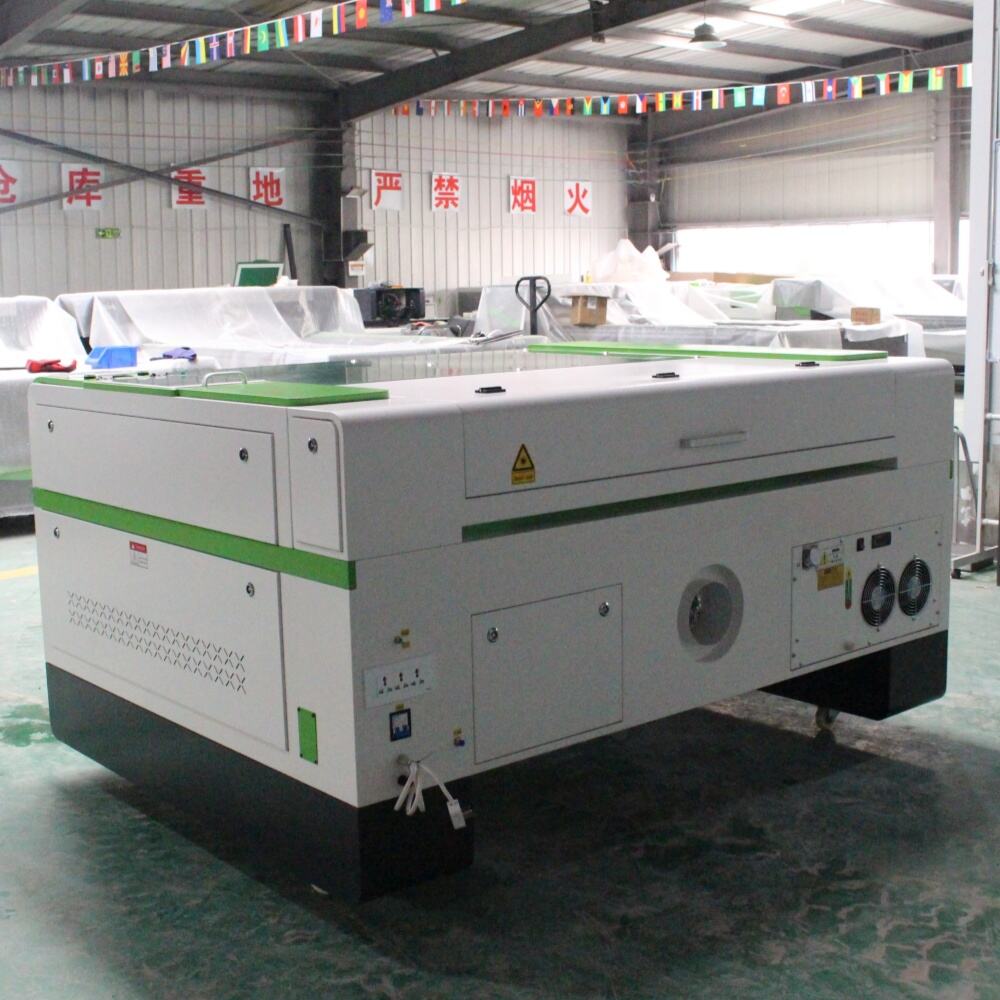
The modern manufacturing landscape has been revolutionized by precision cutting and engraving technologies, with laser engraving machine systems leading the charge in delivering exceptional accuracy and versatility. These sophisticated devices have transformed how industries approach material processing, offering unparalleled precision in creating detailed designs, markings, and cuts across diverse materials. Understanding the various types of laser engraving machine options available helps businesses and individuals select the most suitable technology for their specific applications and production requirements.
CO2 Laser Engraving Systems
Standard CO2 Laser Technology
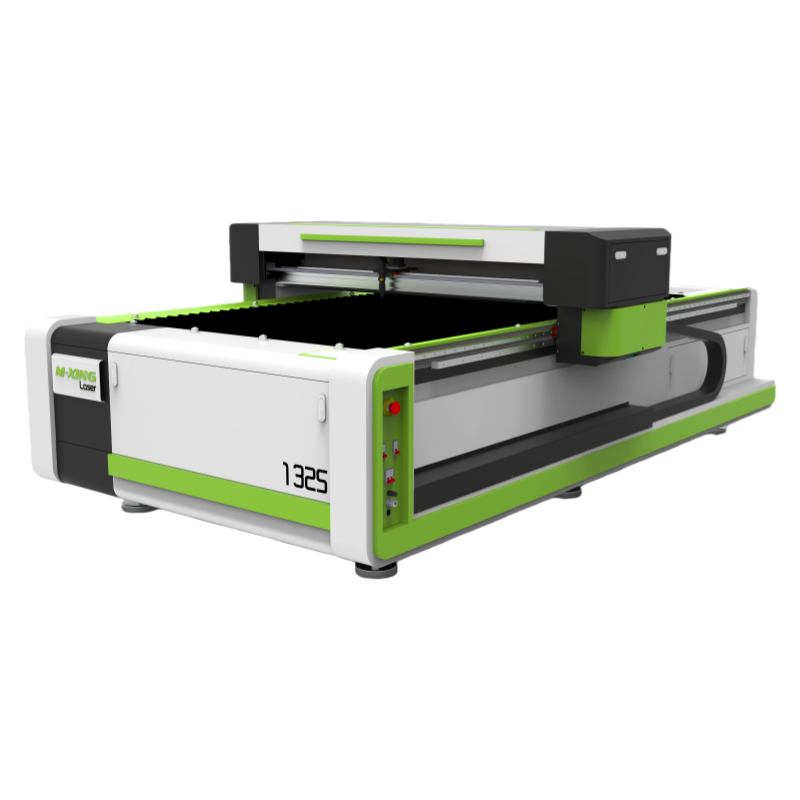
CO2 laser engraving machine models represent one of the most popular and versatile categories in the market today. These systems utilize carbon dioxide gas mixtures to generate laser beams with wavelengths typically around 10.6 micrometers, making them exceptionally effective for processing non-metallic materials. The CO2 laser engraving machine technology excels in handling organic materials such as wood, leather, fabric, paper, and various plastics with remarkable precision and clean edge quality.
The power output of CO2 laser engraving machine units varies significantly, ranging from small desktop models with 40-60 watts to industrial-grade systems delivering 150-300 watts or more. Higher wattage systems enable faster processing speeds and the ability to cut through thicker materials, while lower-power units provide excellent detail work and are more suitable for small-scale operations or hobbyist applications.
Advanced CO2 Laser Features
Modern CO2 laser engraving machine systems incorporate sophisticated control mechanisms and enhanced safety features that improve both operational efficiency and user experience. These advanced systems often include automatic material detection, variable power controls, and precision positioning systems that ensure consistent results across different projects and material types.
Temperature control and gas flow management in professional CO2 laser engraving machine models contribute to extended operational life and maintained beam quality. Many systems also feature sealed laser tubes that reduce maintenance requirements and provide more stable performance over extended periods, making them ideal for commercial and industrial applications where reliability is paramount.
Fiber Laser Engraving Equipment
Fiber Laser Technology Fundamentals
Fiber laser engraving machine technology represents a significant advancement in laser processing, utilizing optical fibers doped with rare-earth elements to generate highly concentrated laser beams. These systems operate at wavelengths around 1.06 micrometers, making them particularly effective for processing metallic materials including stainless steel, aluminum, brass, and various metal alloys with exceptional precision and speed.
The compact design and solid-state construction of fiber laser engraving machine units provide several advantages over traditional gas laser systems. These benefits include lower maintenance requirements, higher electrical efficiency, longer operational lifespans, and more stable beam quality over time. The absence of moving parts and consumable gases makes fiber laser systems particularly attractive for high-volume production environments.
Industrial Fiber Laser Applications
Industrial fiber laser engraving machine systems have become indispensable in automotive, aerospace, electronics, and medical device manufacturing industries. Their ability to create precise markings, serial numbers, barcodes, and intricate designs on metal components makes them essential for traceability and quality control applications in these demanding sectors.
The high power density achievable with fiber laser engraving machine technology enables deep engraving and marking capabilities that remain legible even after extensive wear and environmental exposure. This durability makes fiber laser marking ideal for permanent identification requirements in harsh operating conditions where traditional marking methods would fail or fade over time.
Diode Laser Engraving Solutions
Compact Diode Laser Systems
Diode laser engraving machine systems offer an accessible entry point into laser processing technology, particularly suitable for small businesses, educational institutions, and hobbyist applications. These systems typically operate at lower power levels, usually ranging from 5 to 40 watts, making them ideal for detailed engraving work on softer materials while maintaining excellent precision and control.
The compact footprint and relatively low cost of diode laser engraving machine units make them attractive options for users with limited space or budget constraints. Despite their smaller size, modern diode systems can produce surprisingly detailed results on materials such as wood veneer, leather goods, paper products, and certain plastics, making them versatile tools for creative and small-scale commercial applications.
Portable and Desktop Diode Models
Recent developments in diode laser engraving machine technology have led to highly portable units that can be easily transported and set up in various locations. These portable systems maintain surprising accuracy and capability while offering the flexibility to work on projects in different environments or at customer locations when needed.
Desktop diode laser engraving machine models have evolved to include sophisticated software packages and user-friendly interfaces that simplify the design-to-production workflow. Many systems now feature wireless connectivity, cloud-based design libraries, and smartphone applications that enable users to create and execute engraving projects with minimal technical expertise required.
Specialized Laser Engraving Technologies
UV Laser Engraving Systems
UV laser engraving machine technology operates at ultraviolet wavelengths, typically around 355 nanometers, providing unique capabilities for processing heat-sensitive materials and creating extremely fine details. These systems excel in applications requiring minimal thermal impact, such as marking electronic components, medical devices, and delicate materials that might be damaged by the heat generated by other laser engraving machine types.
The precision achievable with UV laser engraving machine systems makes them particularly valuable in semiconductor manufacturing, pharmaceutical packaging, and high-end electronics production where marking quality and material integrity are critical factors. The cold processing nature of UV lasers allows for marking on temperature-sensitive substrates without causing thermal stress or material degradation.
Green Laser Processing Equipment
Green laser engraving machine systems, operating at 532-nanometer wavelengths, offer enhanced absorption characteristics for certain materials, particularly those that are transparent or reflective to infrared wavelengths. These systems provide excellent results when processing glass, certain ceramics, and reflective metals that might be challenging for other laser technologies.
The unique wavelength characteristics of green laser engraving machine technology enable high-quality processing of materials that require special consideration, such as solar panel components, optical elements, and specialized glass products. The precise control and minimal heat-affected zones make green lasers particularly suitable for applications where material properties must be preserved during processing.
Industrial-Grade Laser Engraving Systems
High-Power Industrial Platforms
Industrial laser engraving machine systems designed for heavy-duty production environments incorporate robust construction, advanced automation features, and high-power laser sources capable of processing thick materials at impressive speeds. These systems often feature multi-axis positioning, automatic material handling, and sophisticated quality control systems that ensure consistent results across large production runs.
The integration of Industry 4.0 technologies in modern industrial laser engraving machine platforms enables real-time monitoring, predictive maintenance, and seamless integration with existing manufacturing execution systems. These capabilities help manufacturers optimize production efficiency while maintaining the highest quality standards and minimizing downtime through proactive maintenance scheduling.
Automation and Integration Features
Advanced industrial laser engraving machine systems incorporate sophisticated automation features including robotic material handling, vision systems for automatic part alignment, and integrated quality inspection capabilities. These features significantly reduce manual intervention requirements while improving processing accuracy and throughput in high-volume manufacturing environments.
The scalability of modern industrial laser engraving machine platforms allows manufacturers to configure systems that match their specific production requirements, from single-station units to complex multi-station systems with automated part transfer and sorting capabilities. This flexibility ensures that laser processing technology can adapt to changing production demands and evolving market requirements.
FAQ
What materials can different types of laser engraving machines process effectively
Different laser engraving machine technologies are optimized for specific material types based on their wavelength and power characteristics. CO2 lasers excel with organic materials like wood, leather, fabric, and acrylic, while fiber lasers are ideal for metals including stainless steel, aluminum, and brass. Diode lasers work well with softer materials and thin sheets, while UV and green lasers handle heat-sensitive materials and specialized substrates like glass and ceramics with minimal thermal impact.
How do I determine the right power level for my laser engraving machine needs
Selecting the appropriate power level for a laser engraving machine depends on material thickness, processing speed requirements, and production volume. Lower-power systems (20-60 watts) are suitable for detailed engraving and thin materials, while higher-power units (100-300 watts) handle thicker materials and faster production speeds. Consider your typical material thickness, desired processing speed, and future expansion plans when determining optimal power requirements for your specific applications.
What maintenance requirements should I expect with different laser engraving machine types
Maintenance requirements vary significantly between laser engraving machine technologies. CO2 systems require periodic gas refills, mirror cleaning, and lens replacement, while fiber lasers have minimal maintenance needs due to their solid-state design. Diode systems typically require occasional lens cleaning and diode replacement after extended use. All systems benefit from regular cleaning of work surfaces, proper ventilation maintenance, and periodic calibration to ensure optimal performance and longevity.
Can laser engraving machines be integrated into existing production workflows
Modern laser engraving machine systems offer extensive integration capabilities through standard communication protocols, automation interfaces, and software APIs. Many systems support direct integration with CAD/CAM software, manufacturing execution systems, and robotic handling equipment. The flexibility of current laser engraving machine platforms allows seamless incorporation into existing production lines while maintaining compatibility with established quality control and inventory management systems.
Table of Contents
- CO2 Laser Engraving Systems
- Fiber Laser Engraving Equipment
- Diode Laser Engraving Solutions
- Specialized Laser Engraving Technologies
- Industrial-Grade Laser Engraving Systems
-
FAQ
- What materials can different types of laser engraving machines process effectively
- How do I determine the right power level for my laser engraving machine needs
- What maintenance requirements should I expect with different laser engraving machine types
- Can laser engraving machines be integrated into existing production workflows