 EN
EN
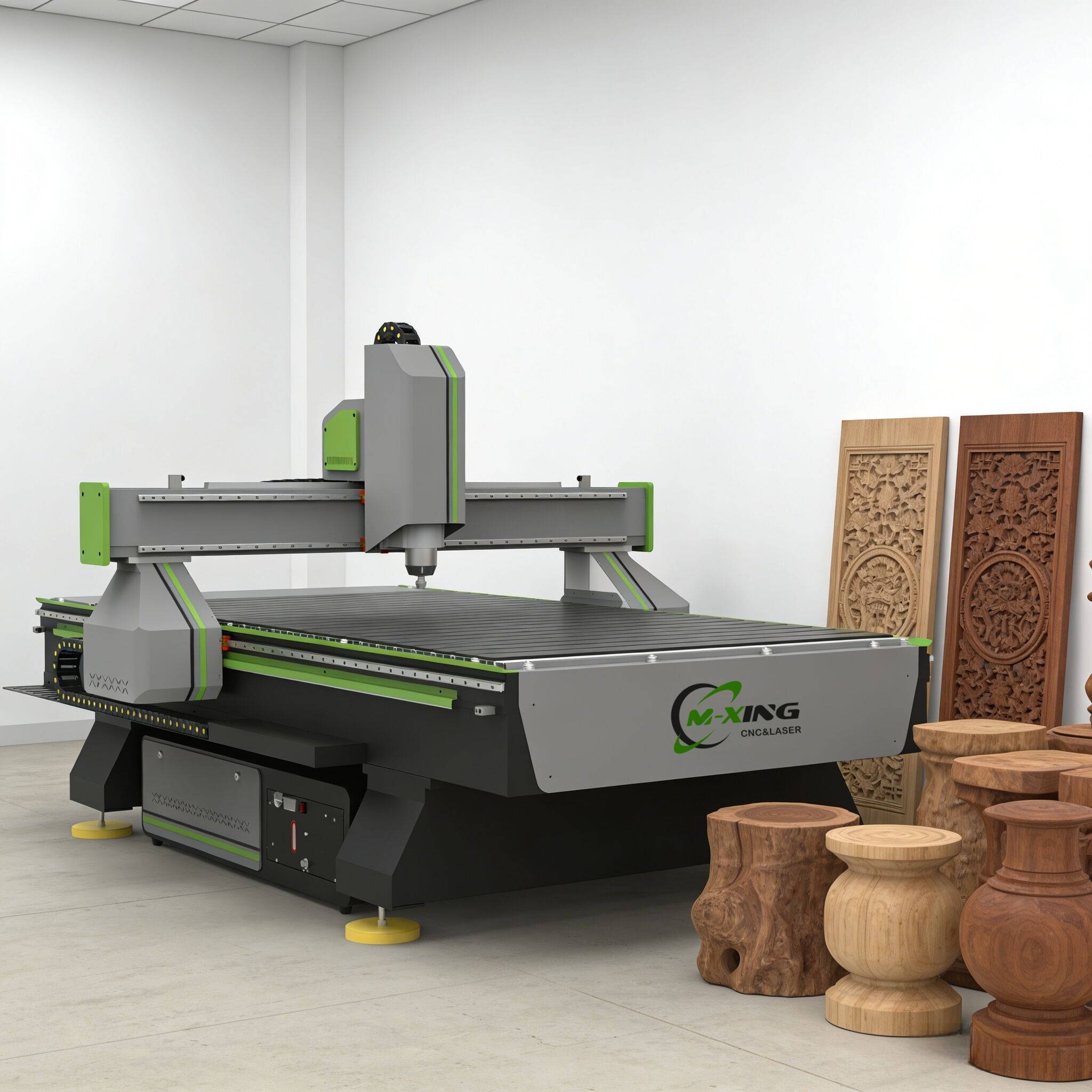
Small workshops face unique challenges when selecting the right manufacturing equipment, particularly when considering a cnc machine for their operations. Unlike large industrial facilities with extensive floor space and unlimited budgets, smaller operations must carefully balance functionality, cost, and space requirements. The right cnc machine can transform a small workshop from a basic manual operation into a precision manufacturing powerhouse, enabling complex parts production and improved efficiency. Understanding which types of cnc machine configurations work best in compact environments is crucial for workshop owners looking to expand their capabilities without overwhelming their resources.
Desktop and Benchtop CNC Machines for Space-Constrained Workshops
Compact Router Systems
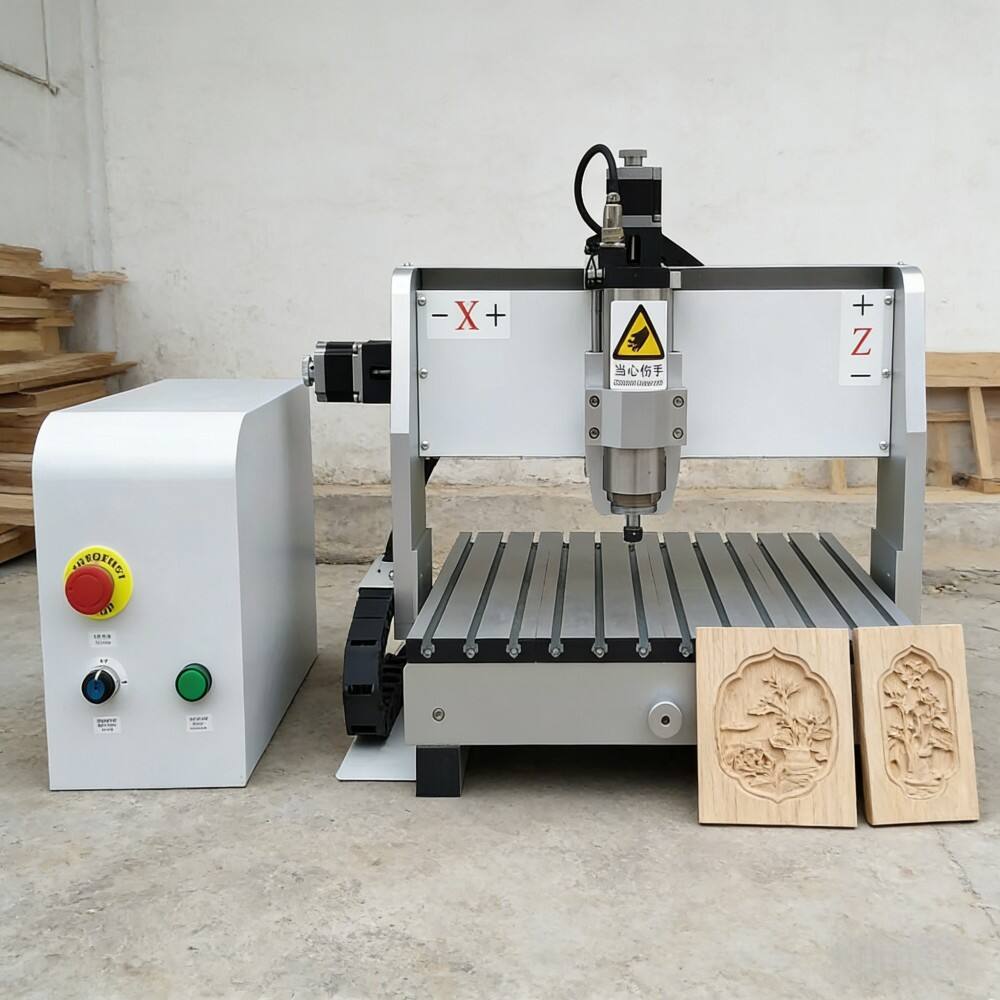
Desktop cnc machine models represent the most accessible entry point for small workshops seeking automated machining capabilities. These compact systems typically feature working envelopes ranging from 12x12 inches to 24x36 inches, making them ideal for prototyping, small part production, and educational applications. The reduced footprint allows workshop owners to position the cnc machine on existing workbenches or dedicated stands without requiring significant floor space modifications. Modern desktop routers offer impressive precision levels, often achieving tolerances within 0.001 inches when properly calibrated and maintained.
The versatility of compact router systems extends beyond simple cutting operations, as many models support engraving, drilling, and light milling tasks. Workshop operators can process various materials including wood, plastics, soft metals, and composite materials using appropriate tooling and cutting parameters. The relatively low power requirements of desktop cnc machine units mean they can operate on standard electrical outlets without requiring dedicated power installations, reducing setup costs and complexity for small workshop environments.
Benchtop Milling Centers
Benchtop milling centers occupy the middle ground between desktop routers and full-size industrial machines, offering enhanced rigidity and cutting capabilities while maintaining workshop-friendly dimensions. These cnc machine systems typically feature cast iron or steel construction with linear guides and ball screws for improved accuracy and repeatability. The increased structural mass allows for higher cutting forces and better surface finishes compared to lighter desktop alternatives, making them suitable for small-batch production work and precision prototyping applications.
Advanced benchtop models often include automatic tool changers, flood coolant systems, and enclosed work areas for improved safety and chip containment. The combination of professional-grade features with compact dimensions makes these cnc machine options particularly attractive for workshops transitioning from manual operations to automated machining. Operators can maintain the flexibility to perform both automated and manual work within the same space while gradually building CNC programming and operation expertise.
Lathe and Turning Solutions for Small Workshop Applications
Compact CNC Lathes
Small workshop owners requiring turning capabilities will find compact cnc machine lathes offer excellent value and functionality within limited floor space. These machines typically accommodate bar stock up to 2-3 inches in diameter and workpieces up to 12-20 inches in length, covering the majority of small part turning applications. The automated nature of CNC turning eliminates the constant operator attention required by manual lathes, allowing workshop personnel to focus on setup, programming, and quality control tasks while the cnc machine handles repetitive cutting operations.
Modern compact lathes incorporate live tooling capabilities, enabling milling, drilling, and cross-hole operations without requiring secondary machining setups. This multi-tasking capability significantly increases the value proposition for small workshops by reducing the number of machines required to complete complex parts. The integration of sub-spindles in some models further enhances productivity by enabling complete part machining in a single setup, reducing handling time and improving dimensional accuracy across multiple features.
Combination Turning Centers
Combination turning centers represent the ultimate space-saving solution for workshops requiring both turning and milling capabilities in a single cnc machine platform. These sophisticated systems feature main spindles for turning operations combined with milling spindles or tool turrets equipped with driven tools. The ability to perform complex machining operations without part handling between different machines dramatically improves efficiency while reducing the workshop footprint required for complete part production.
The programming complexity of combination machines requires more advanced CNC knowledge, but the productivity benefits often justify the learning curve for workshops handling diverse part requirements. Operators can machine complete components including turned features, milled slots, drilled holes, and threaded connections within a single setup, eliminating tolerance stack-up issues and reducing overall production time per part.
Multi-Axis and Specialized CNC Systems
Four and Five-Axis Compact Systems
Advanced small workshops may benefit from compact four or five-axis cnc machine systems that provide enhanced machining capabilities within workshop-appropriate dimensions. These systems enable complex contour machining, undercut features, and compound angle operations that would be impossible or extremely difficult on conventional three-axis machines. The additional axes allow for single-setup machining of intricate parts, reducing setup time and improving dimensional accuracy by eliminating part repositioning requirements.
The programming and operational complexity of multi-axis cnc machine systems requires significant expertise, making them most suitable for workshops with experienced CNC programmers or specific applications demanding advanced capabilities. However, the ability to machine complex aerospace, medical, or automotive components can justify the investment for workshops serving high-value markets where precision and complexity command premium pricing.
Specialized Cutting Systems
Certain small workshop applications may benefit from specialized cnc machine types including plasma cutters, laser systems, or waterjet machines designed for sheet material processing. These systems excel at cutting flat patterns, decorative elements, or precision blanks that can be finished using conventional machining methods. The combination of automated cutting with manual finishing operations allows small workshops to compete effectively in markets requiring both precision and artistic elements.
Plasma and laser cutting systems offer exceptional speed for thin material processing while maintaining workshop-appropriate footprints and power requirements. The minimal tool wear and consumable costs associated with these cutting methods make them economically attractive for small workshops processing sheet materials regularly. Integration with CAD/CAM software enables rapid transition from design concepts to finished parts, supporting both prototype and production work.
Selection Criteria and Implementation Considerations
Space and Infrastructure Requirements
Successful cnc machine implementation in small workshops begins with careful evaluation of available space, electrical capacity, and environmental conditions. Machines require adequate clearance for material loading, tool changes, and maintenance access, often requiring more space than their basic footprint dimensions suggest. Electrical requirements vary significantly between different cnc machine types, with some desktop units operating on standard 120V circuits while larger systems may require 240V or three-phase power installations.
Environmental factors including temperature stability, vibration isolation, and dust control significantly impact machining accuracy and equipment longevity. Small workshops may need to implement climate control, foundation improvements, or enclosure systems to optimize cnc machine performance. The investment in proper installation and environment preparation often pays dividends through improved part quality, reduced maintenance costs, and extended equipment life.
Budget and Return on Investment Analysis
The financial analysis for cnc machine acquisition must consider both initial purchase costs and ongoing operational expenses including tooling, maintenance, training, and software licensing. Small workshops should develop realistic production volume projections and pricing structures to ensure adequate return on investment within reasonable timeframes. The ability to handle more complex work, improve consistency, and reduce labor costs often justifies higher initial investments in capable equipment.
Financing options including leasing, used equipment purchases, and phased implementation strategies can help small workshops access appropriate cnc machine technology without overwhelming cash flow requirements. The key lies in selecting equipment that matches current needs while providing reasonable growth capacity for expanding operations. Conservative initial investments in proven technology often provide better long-term value than aggressive purchases of cutting-edge systems requiring extensive support infrastructure.
FAQ
What size cnc machine is appropriate for a 500 square foot workshop
A 500 square foot workshop can typically accommodate desktop or compact benchtop cnc machine systems with working envelopes up to 24x36 inches. These machines require approximately 4x6 feet of floor space including operator access and material handling areas. Larger systems may be possible with careful layout planning, but ensure adequate space remains for manual work, material storage, and safety clearances around the cnc machine installation.
How much electrical power do small workshop cnc machines require
Desktop cnc machine models typically operate on standard 120V household circuits drawing 10-15 amps maximum power. Benchtop systems may require 240V single-phase connections with 20-30 amp capacity. Larger compact mills and lathes often need 240V three-phase power with 40-60 amp service. Consult with qualified electricians to ensure proper electrical installation meeting local codes and cnc machine manufacturer specifications.
What materials can small workshop cnc machines effectively process
Most compact cnc machine systems excel at processing wood, plastics, aluminum, brass, and soft steels using appropriate tooling and cutting parameters. Desktop routers handle softer materials effectively while benchtop mills can process harder metals with proper setup. Material thickness capabilities vary by machine rigidity and spindle power, typically ranging from thin sheet materials up to 3-4 inch thick stock on compact systems.
How long does it take to learn cnc machine operation and programming
Basic cnc machine operation can be learned within 2-4 weeks of regular practice, while developing programming proficiency typically requires 3-6 months of consistent use. Operators with manual machining experience often progress faster due to existing knowledge of cutting principles and tooling. Formal training courses, online resources, and manufacturer support can accelerate the learning process significantly for workshop personnel transitioning to CNC technology.