 EN
EN
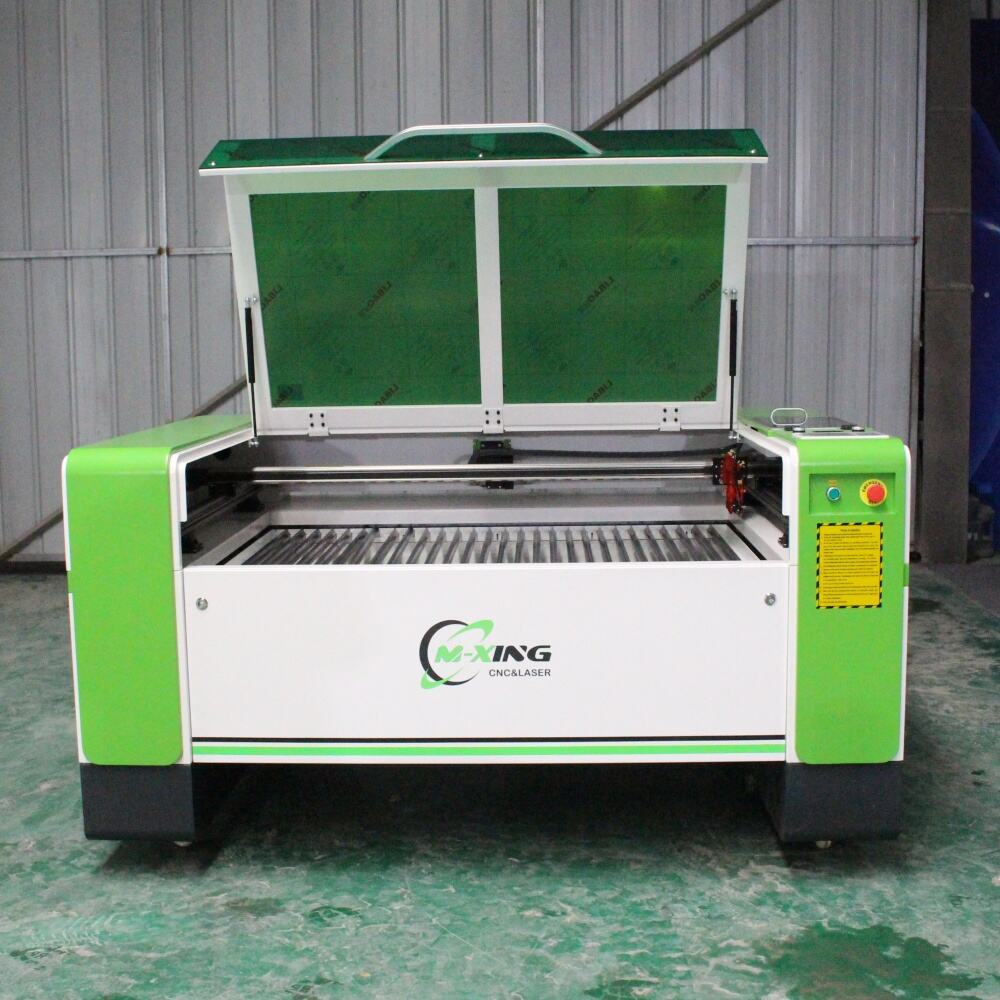
Determining the right time to upgrade your laser engraving machine is a critical business decision that can significantly impact your production efficiency, operational costs, and competitive position. Many manufacturers and service providers struggle with this timing decision, often waiting too long and missing opportunities for improved performance, or upgrading too early and wasting valuable capital resources. Understanding the key indicators that signal when your current laser engraving machine has reached its upgrade threshold requires careful evaluation of multiple operational and financial factors.
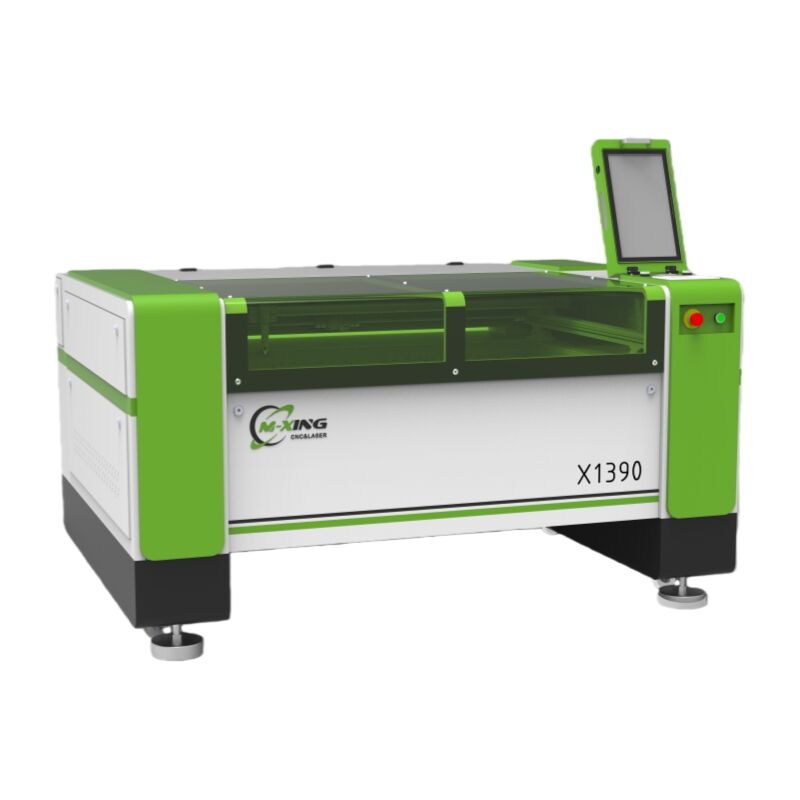
The decision to upgrade your laser engraving machine should be driven by measurable performance gaps, increasing maintenance requirements, and strategic business objectives rather than arbitrary timelines or marketing pressures. Modern laser engraving technology evolves rapidly, introducing enhanced precision capabilities, improved energy efficiency, and advanced automation features that can transform your production workflow. Recognizing the optimal upgrade timing ensures you maximize the return on your current equipment investment while positioning your operation for sustained growth and competitiveness.
Performance Decline and Maintenance Cost Escalation
Decreasing Engraving Precision and Quality
When your laser engraving machine begins producing inconsistent results or failing to meet your established quality standards, this represents a clear upgrade signal. Aging laser tubes lose power output gradually, resulting in uneven engraving depths, inconsistent edge quality, and reduced cutting precision across different material types. These quality issues become particularly problematic when working with high-value materials or serving demanding clients who require consistent, professional results from your laser engraving machine operations.
Modern laser engraving systems incorporate advanced beam control technologies and precision positioning systems that deliver significantly improved consistency compared to older equipment. If your current machine requires frequent recalibration, produces variable results across the work surface, or struggles to maintain tight tolerances, these performance limitations indicate that upgrade timing has arrived. The cost of rejected work, customer complaints, and reputation damage often exceeds the investment required for a new laser engraving machine upgrade.
Increasing Downtime and Repair Frequency
Rising maintenance costs and increasing downtime frequency provide concrete financial indicators for upgrade timing decisions. When your laser engraving machine requires repairs more than once monthly, or when individual repair costs consistently exceed several hundred dollars, the total cost of ownership begins favoring replacement over continued maintenance. Track your maintenance expenses over twelve-month periods to identify escalating trends that justify upgrade investment.
Component availability represents another critical factor in upgrade timing decisions. Older laser engraving machine models often face parts obsolescence, leading to extended downtime periods and inflated repair costs. When replacement components require special ordering, lengthy shipping times, or premium pricing due to limited availability, these supply chain constraints create operational risks that modern equipment upgrades can eliminate. New laser engraving systems typically include comprehensive warranty coverage and readily available parts support.
Production Capacity and Efficiency Limitations
Throughput Bottlenecks and Processing Speed Constraints
Production volume demands that exceed your current laser engraving machine capabilities represent another key upgrade indicator. If your existing equipment operates at maximum capacity for extended periods, limiting your ability to accept additional orders or expand service offerings, capacity constraints directly impact revenue growth potential. Calculate your current utilization rates and projected demand increases to determine whether upgrade timing aligns with business expansion opportunities.
Modern laser engraving machines offer substantially improved processing speeds, higher power outputs, and enhanced automation features that can dramatically increase daily production volumes. Advanced systems incorporate features like automatic material loading, multi-head configurations, and optimized motion control that reduce cycle times and increase overall throughput. When your current laser engraving machine becomes the limiting factor in meeting customer delivery schedules, upgrade timing becomes strategically imperative.
Material Handling and Versatility Restrictions
Limited material compatibility or processing capabilities can significantly restrict your market opportunities and service offerings. If your current laser engraving machine cannot handle newer materials, thicker substrates, or specialized applications that customers increasingly request, these capability gaps indicate optimal upgrade timing. Modern systems often support broader material ranges, increased thickness capacities, and specialized processing modes that expand your addressable market significantly.
Automation limitations also signal upgrade opportunities, particularly in competitive markets where efficiency determines profitability. Manual material handling, limited batch processing capabilities, and lack of integration with design software create labor inefficiencies that newer laser engraving systems address through advanced automation features. When labor costs associated with manual operations exceed the financing costs of automated equipment, upgrade timing becomes financially justified.
Technology Advancement and Competitive Positioning
Industry Standard Evolution and Customer Expectations
Technological advancement cycles in laser engraving create periodic upgrade windows where new capabilities become industry standards rather than premium features. When your competitors consistently deliver superior results, faster turnaround times, or expanded service capabilities using newer laser engraving machine technology, maintaining competitive positioning requires equipment modernization. Monitor industry trends and competitor capabilities to identify when your equipment disadvantages become market liabilities.
Customer expectation evolution also drives upgrade timing decisions. Clients increasingly expect capabilities like fine detail reproduction, multiple material processing in single setups, and integration with digital design workflows. If your current laser engraving machine limitations force you to decline profitable projects or refer customers to competitors, these lost opportunity costs accumulate rapidly and justify upgrade investments. Document rejected projects and lost revenue to quantify the financial impact of equipment limitations.
Energy Efficiency and Operating Cost Improvements
Rising energy costs make efficiency improvements increasingly valuable in upgrade decisions. Newer laser engraving machines typically consume significantly less power while delivering higher performance levels compared to systems manufactured more than five years ago. Calculate your current energy consumption costs and compare them with specifications for modern equipment to determine potential operating cost savings that can offset upgrade investments over time.
Advanced laser engraving systems also incorporate intelligent power management, standby modes, and optimized processing algorithms that reduce overall energy consumption. These efficiency improvements provide ongoing cost savings while reducing environmental impact and supporting sustainability objectives. When monthly energy costs exceed several hundred dollars for laser engraving operations, efficiency upgrades can provide measurable return on investment within reasonable payback periods.
Financial Readiness and Investment Timing
Capital Availability and Financing Conditions
Financial readiness represents a crucial component in upgrade timing decisions, requiring alignment between equipment needs and capital availability. Optimal upgrade timing often coincides with favorable financing conditions, tax incentive periods, or strong cash flow positions that support equipment investments without compromising operational stability. Evaluate your financial position quarterly to identify windows when laser engraving machine upgrades align with favorable investment conditions.
Equipment financing options and manufacturer incentive programs can significantly impact upgrade timing attractiveness. Many laser engraving machine suppliers offer seasonal promotions, trade-in programs, or favorable financing terms that reduce the effective cost of upgrades. Monitor these promotional opportunities and align them with your operational needs to optimize investment timing and minimize total cost of ownership.
Return on Investment Calculations and Payback Analysis
Comprehensive financial analysis helps determine whether current conditions support profitable laser engraving machine upgrades. Calculate projected revenue increases from improved capacity, quality enhancements, and expanded service capabilities against upgrade costs to determine expected payback periods. Upgrades typically justify themselves when payback periods remain under thirty-six months and provide positive cash flow within the first operational year.
Consider both direct financial benefits and indirect value improvements when evaluating upgrade timing. Modern laser engraving systems often enable new market segments, premium pricing opportunities, and operational efficiencies that compound financial returns beyond simple capacity improvements. Document all potential revenue sources and cost savings to build comprehensive business cases that support optimal upgrade timing decisions.
FAQ
How long should a laser engraving machine typically last before requiring replacement?
Most commercial laser engraving machines provide reliable service for five to eight years with proper maintenance, though actual lifespan depends on usage intensity, maintenance quality, and technological advancement rates. High-volume operations may require upgrades every four to six years, while lighter-duty applications can extend equipment life to ten years or more. Focus on performance metrics and maintenance costs rather than arbitrary age thresholds when making upgrade decisions.
What are the warning signs that my laser engraving machine needs immediate replacement?
Critical warning signs include frequent breakdowns requiring repairs exceeding twenty percent of the machine's current value annually, consistent quality problems that cannot be resolved through maintenance, safety issues that create operational risks, and obsolete parts availability that causes extended downtime. If your laser engraving machine experiences multiple major component failures within six months, immediate replacement typically provides better financial outcomes than continued repairs.
Should I upgrade my laser engraving machine if it still works but lacks modern features?
Upgrade decisions should prioritize business impact over equipment condition alone. If your current laser engraving machine limits your ability to serve customers effectively, compete for profitable projects, or operate efficiently, missing modern features justify upgrades even when existing equipment functions adequately. Evaluate the revenue opportunities and cost savings that modern features would enable, then compare these benefits against upgrade costs to make informed decisions.
How do I determine the best time to upgrade during economic uncertainty?
During uncertain economic periods, focus on upgrades that provide clear competitive advantages, measurable cost savings, or essential capability improvements rather than discretionary enhancements. Prioritize laser engraving machine upgrades when they solve immediate operational problems, enable new revenue streams, or significantly reduce operating costs. Consider flexible financing options and phased upgrade approaches that minimize financial risk while addressing critical equipment needs.
Table of Contents
- Performance Decline and Maintenance Cost Escalation
- Production Capacity and Efficiency Limitations
- Technology Advancement and Competitive Positioning
- Financial Readiness and Investment Timing
-
FAQ
- How long should a laser engraving machine typically last before requiring replacement?
- What are the warning signs that my laser engraving machine needs immediate replacement?
- Should I upgrade my laser engraving machine if it still works but lacks modern features?
- How do I determine the best time to upgrade during economic uncertainty?