 EN
EN
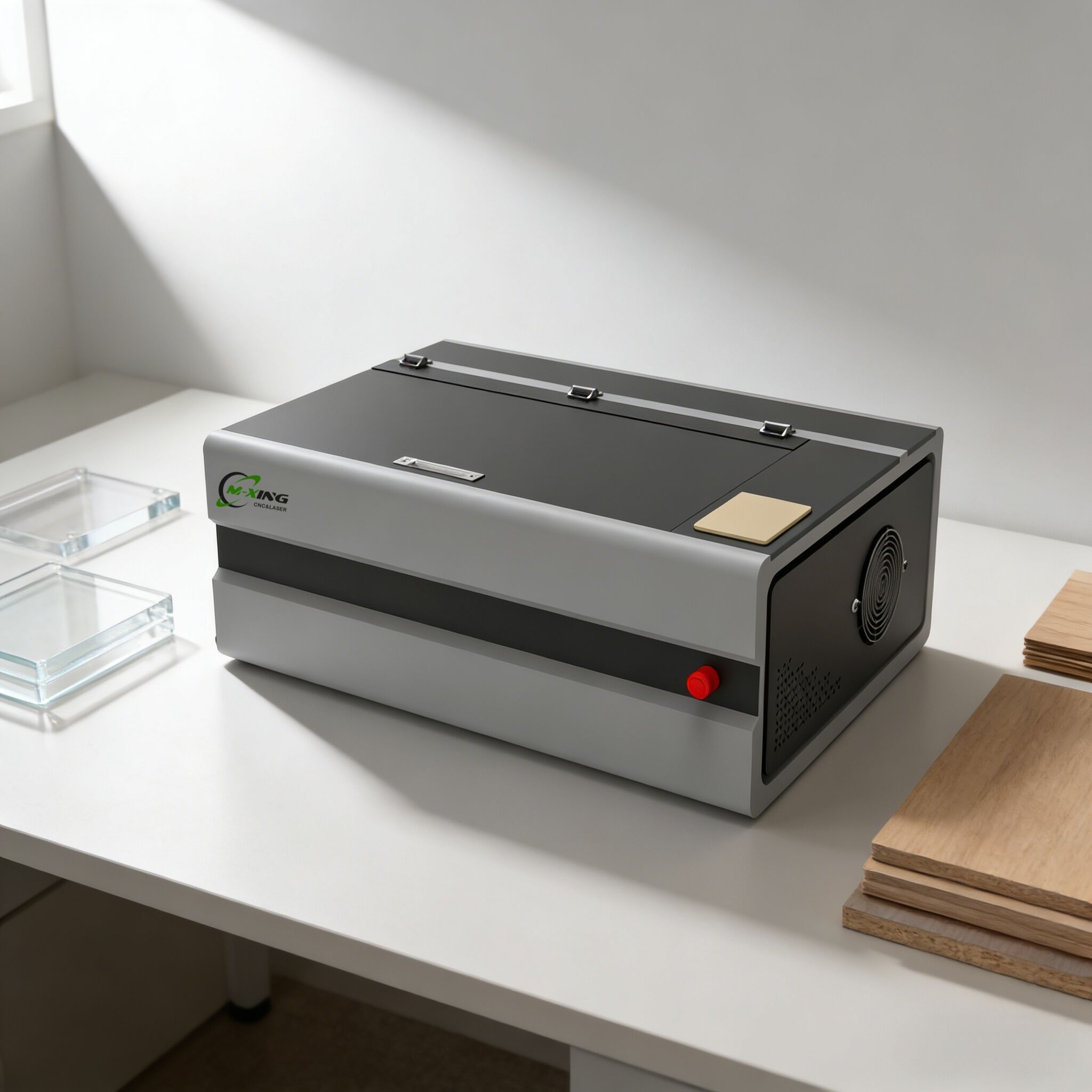
As manufacturing precision demands continue to evolve in 2026, identifying what constitutes a quality laser engraving machine has become increasingly complex for businesses seeking reliable industrial solutions. The modern laser engraving machine market presents numerous options, yet understanding the fundamental characteristics that separate superior equipment from mediocre alternatives requires careful evaluation of specific technical and operational criteria.
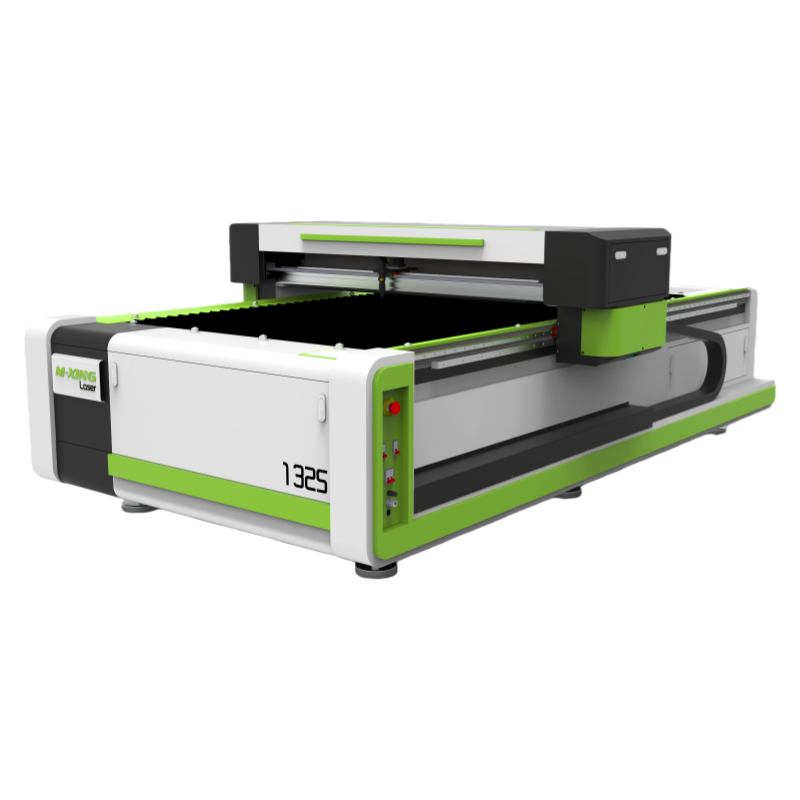
Quality determination in laser engraving equipment extends beyond surface-level specifications to encompass structural integrity, component reliability, software sophistication, and long-term operational consistency. Today's industrial environment demands that a quality laser engraving machine deliver predictable results while maintaining cost-effective operation throughout extended production cycles.
Core Component Quality Standards
Laser Source Specifications and Reliability
The foundation of any quality laser engraving machine begins with its laser source, which directly influences engraving precision, material compatibility, and operational longevity. Premium laser sources feature stable power output across extended operating periods, maintaining consistent beam quality that translates into uniform engraving depth and clarity. Modern quality laser engraving machine systems incorporate advanced laser tubes or diode arrays that demonstrate measurable power stability within tight tolerance ranges.
Temperature management within the laser source represents another critical quality indicator, as superior thermal control systems prevent power fluctuations that compromise engraving consistency. Quality laser engraving machine manufacturers integrate sophisticated cooling systems that maintain optimal laser operating temperatures regardless of ambient conditions or production intensity. This thermal stability directly correlates with extended laser life and reduced maintenance requirements.
Power modulation capabilities distinguish quality laser engraving machine systems from basic alternatives, enabling precise control over beam intensity for different materials and engraving depths. Advanced laser sources provide smooth power transitions and rapid response times, allowing for complex engraving patterns that require varying intensity levels within single operations.
Mechanical Framework and Motion Systems
Structural rigidity forms the backbone of quality laser engraving machine performance, as mechanical stability directly impacts engraving accuracy and repeatability. Superior machines feature heavy-duty steel or aluminum frames designed to minimize vibration and maintain precise component alignment during high-speed operations. The mechanical framework must demonstrate resistance to thermal expansion and contraction that could affect engraving precision over time.
Motion control systems within quality laser engraving machine designs utilize precision linear guides, stepper motors, or servo motors that deliver consistent positioning accuracy across the entire working area. Quality manufacturers specify positioning repeatability tolerances and provide measurable accuracy specifications that users can verify during operation. The motion system's ability to maintain smooth acceleration and deceleration profiles prevents marking inconsistencies that occur with jerky or unstable movement patterns.
Belt and drive system quality significantly influences long-term operational reliability, with premium laser engraving machine systems incorporating reinforced timing belts, precision pulleys, and properly tensioned drive mechanisms. These components must demonstrate resistance to stretching, wear, and environmental factors that could introduce positioning errors over extended use periods.
Control System Integration and Software Capabilities
User Interface Design and Functionality
Quality laser engraving machine systems feature intuitive control interfaces that streamline operation while providing comprehensive parameter adjustment capabilities. Modern control systems integrate touchscreen displays or computer-based interfaces that present clear operational status information, error diagnostics, and real-time performance monitoring. The interface design should accommodate both novice operators and experienced technicians without sacrificing functionality depth.
Software compatibility represents a crucial quality factor, as superior laser engraving machine systems support multiple file formats and integrate seamlessly with common design software packages. Quality control software provides advanced features such as automatic material recognition, adaptive power control, and batch processing capabilities that enhance operational efficiency.
Parameter storage and recall functions enable operators to maintain consistent settings for different materials and applications, reducing setup time and minimizing operator error potential. Quality laser engraving machine control systems include comprehensive databases of tested parameters for various materials, providing reliable starting points for new applications while allowing customization for specific requirements.
Safety Systems and Compliance Features
Safety integration distinguishes quality laser engraving machine systems from basic equipment, incorporating multiple protection layers that safeguard both operators and equipment. Premium systems include emergency stop mechanisms, interlock systems, and automatic shutdown procedures that activate when safety conditions are compromised. These safety features must meet or exceed relevant international standards while maintaining operational convenience.
Laser safety compliance requires proper enclosure design, warning systems, and beam containment measures that prevent accidental exposure. Quality laser engraving machine manufacturers provide comprehensive documentation demonstrating compliance with applicable laser safety regulations and include necessary safety accessories as standard equipment rather than optional additions.
Fire suppression and exhaust system integration addresses the safety concerns associated with material processing, particularly when working with combustible materials. Quality systems include automatic fire detection, suppression mechanisms, and effective fume extraction that maintains safe working environments during extended operations.
Performance Characteristics and Operational Metrics
Engraving Speed and Throughput Capabilities
Processing speed represents a fundamental quality metric for laser engraving machine evaluation, encompassing both maximum achievable speeds and speed consistency across different materials and complexity levels. Quality systems demonstrate predictable speed performance that correlates with engraving depth requirements, material properties, and desired surface finish quality. Speed specifications should include realistic production rates rather than theoretical maximum values that may not reflect practical operating conditions.
Acceleration and deceleration characteristics significantly impact overall throughput, particularly for complex patterns requiring frequent direction changes. Quality laser engraving machine systems optimize motion profiles to minimize non-productive time while maintaining engraving quality, resulting in higher effective production rates compared to systems with poor motion control.
Multi-pass capability allows quality laser engraving machine systems to achieve deeper engraving depths or enhanced surface quality through controlled multiple exposures. Advanced systems provide automatic multi-pass programming with progressive parameter adjustment, enabling complex engraving effects that single-pass systems cannot achieve.
Material Versatility and Application Range
Quality laser engraving machine systems demonstrate broad material compatibility, processing various substrates with consistent results and minimal parameter adjustment requirements. Material versatility encompasses thickness ranges, surface preparation requirements, and achievable engraving depths across different material types. Superior systems maintain engraving quality regardless of material variations within specified ranges.
Power adjustment range and control precision enable quality laser engraving machine operation across materials with vastly different absorption characteristics and thermal properties. Advanced systems provide fine power control increments and maintain stable output across the entire power range, ensuring optimal results for both delicate materials requiring minimal power and dense materials requiring maximum output.
Focal adjustment capabilities allow quality systems to accommodate materials of varying thickness while maintaining optimal engraving quality. Manual or automatic focus adjustment mechanisms must provide precise positioning and maintain focal accuracy throughout extended operations to ensure consistent engraving depth and edge definition.
Durability and Maintenance Considerations
Component Longevity and Replacement Intervals
Quality laser engraving machine systems feature components designed for extended service life with predictable replacement intervals that enable effective maintenance planning. Premium components demonstrate resistance to wear, environmental factors, and operational stresses that typically cause premature failure in lesser-quality equipment. Manufacturers of quality systems provide specific component life expectancies and replacement schedules based on actual operational data.
Consumable component costs represent a significant operational consideration, as quality laser engraving machine designs minimize consumable usage while maximizing component life. Superior systems balance initial component quality with long-term replacement costs, providing favorable total cost of ownership compared to systems requiring frequent component replacement.
Component accessibility affects maintenance efficiency and downtime duration, with quality laser engraving machine designs facilitating rapid component replacement and routine maintenance procedures. Well-designed systems provide clear access to wear components and include diagnostic features that predict maintenance requirements before component failure occurs.
Service Support and Technical Documentation
Quality laser engraving machine manufacturers provide comprehensive technical support including detailed documentation, troubleshooting guides, and responsive technical assistance. Service quality encompasses both initial installation support and ongoing operational assistance, ensuring users can maximize equipment performance throughout its operational life.
Training programs and educational resources distinguish quality laser engraving machine suppliers from basic equipment vendors, providing operators with necessary skills to optimize equipment performance and maintain consistent results. Comprehensive training includes both theoretical knowledge and hands-on experience with actual equipment operation.
Spare parts availability ensures quality laser engraving machine systems remain operational throughout their intended service life, with manufacturers maintaining adequate inventory levels and providing reasonable delivery timeframes for replacement components. Quality suppliers establish clear parts ordering procedures and maintain competitive pricing for replacement components.
Economic Value and Return on Investment
Initial Investment versus Long-term Value
Quality laser engraving machine evaluation requires balancing initial purchase price against long-term operational costs, productivity benefits, and equipment reliability. Superior systems often command premium pricing but deliver lower total cost of ownership through reduced maintenance requirements, extended component life, and higher productivity levels. Quality assessment must consider multi-year operational costs rather than focusing solely on initial acquisition costs.
Energy efficiency impacts operational costs significantly over extended periods, with quality laser engraving machine systems incorporating power management features that minimize energy consumption during idle periods and optimize power usage during active operations. Advanced systems provide energy consumption monitoring and reporting capabilities that enable users to track and optimize operational efficiency.
Production capacity scalability allows quality laser engraving machine systems to adapt to changing business requirements without requiring complete equipment replacement. Superior systems provide upgrade paths for increased power, expanded working areas, or enhanced capabilities that protect initial investments while accommodating business growth.
Market Competitiveness and Technology Evolution
Quality laser engraving machine systems incorporate current technology standards while providing upgrade compatibility for future enhancements. Forward-thinking designs accommodate software updates, hardware improvements, and emerging industry standards that extend equipment useful life and maintain competitive relevance over extended periods.
Industry standard compliance ensures quality laser engraving machine systems remain compatible with evolving customer requirements, regulatory changes, and technological developments. Quality manufacturers actively participate in industry standard development and provide equipment updates necessary to maintain compliance with changing requirements.
Technology roadmap transparency allows users to make informed decisions regarding equipment timing and specification selection. Quality laser engraving machine manufacturers provide clear communication regarding planned product developments, enabling customers to optimize purchase timing and specification selection based on anticipated future needs.
FAQ
What power specifications should I look for in a quality laser engraving machine?
Quality laser engraving machine power specifications should include stable output ratings, beam quality metrics, and power modulation capabilities. Look for systems that maintain power stability within plus or minus 3% across the operating range, provide smooth power transitions for variable depth engraving, and offer sufficient power reserves for your thickest anticipated materials. The power rating should align with your material requirements while providing operational flexibility.
How important is the control software quality in laser engraving machine performance?
Control software quality directly impacts laser engraving machine productivity, ease of use, and result consistency. Quality systems feature intuitive interfaces, comprehensive file format support, material parameter databases, and advanced features like automatic focus adjustment and multi-pass programming. Poor software can severely limit equipment capabilities regardless of hardware quality, making software evaluation a critical component of quality assessment.
What maintenance requirements indicate a quality laser engraving machine design?
Quality laser engraving machine systems feature predictable maintenance schedules with easily accessible components and clear maintenance procedures. Look for systems with automated diagnostic capabilities, component life monitoring, and maintenance reminder systems. Quality designs minimize routine maintenance requirements while providing clear guidance for necessary procedures. Extended component life and reduced maintenance frequency typically indicate superior design and component quality.
How can I verify the long-term reliability of a laser engraving machine before purchase?
Verify laser engraving machine reliability through manufacturer references, user testimonials, component specification analysis, and warranty terms. Request demonstration of diagnostic capabilities, review service support availability, and examine component quality indicators such as bearing specifications, laser tube ratings, and motion system precision. Quality manufacturers provide transparent performance data, realistic component life expectations, and comprehensive warranty coverage that reflects confidence in equipment reliability.
Table of Contents
- Core Component Quality Standards
- Control System Integration and Software Capabilities
- Performance Characteristics and Operational Metrics
- Durability and Maintenance Considerations
- Economic Value and Return on Investment
-
FAQ
- What power specifications should I look for in a quality laser engraving machine?
- How important is the control software quality in laser engraving machine performance?
- What maintenance requirements indicate a quality laser engraving machine design?
- How can I verify the long-term reliability of a laser engraving machine before purchase?