 EN
EN
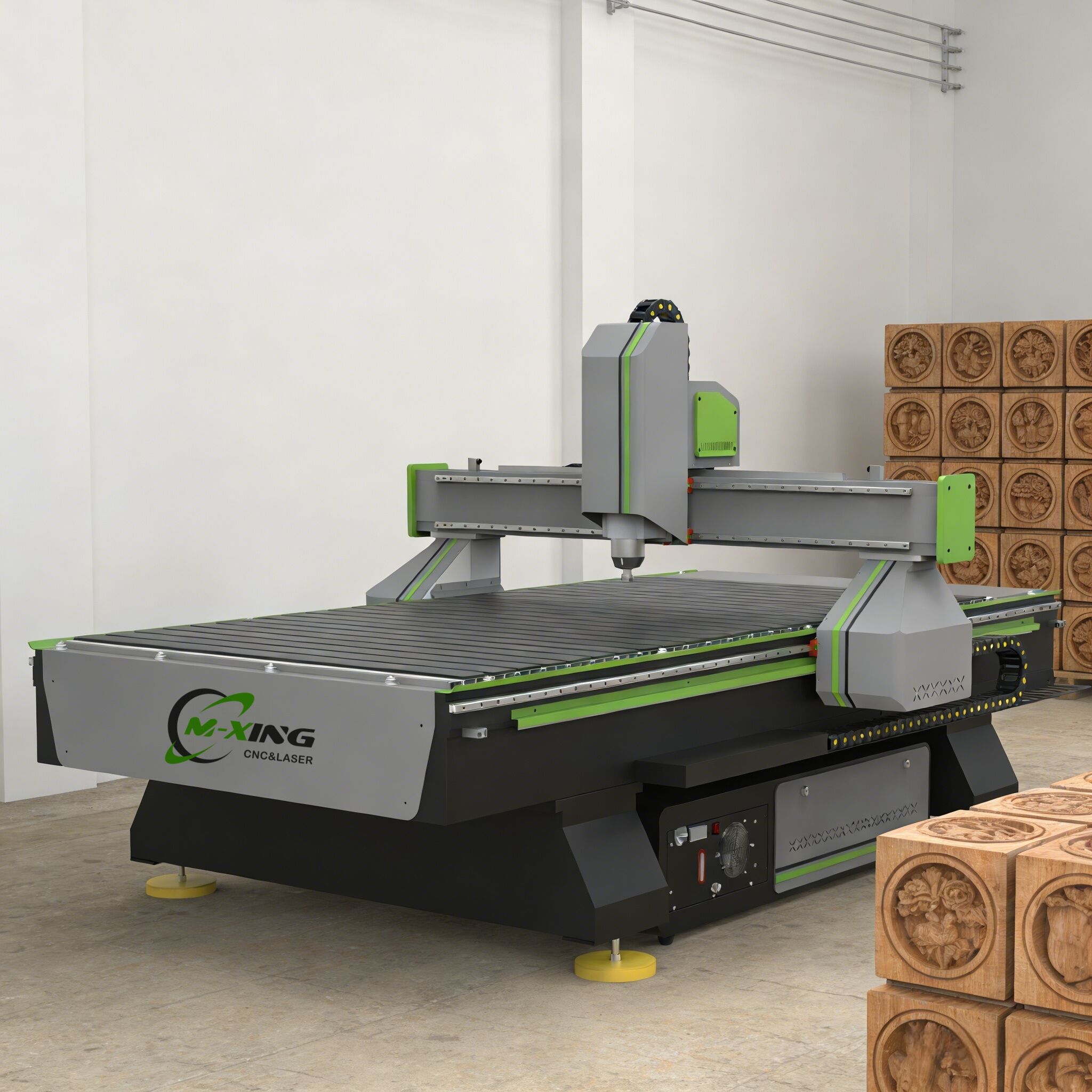
Laser engraving technology has revolutionized modern manufacturing and creative industries by providing precise, efficient, and versatile material processing capabilities. An engraving machine utilizes focused laser beams to create detailed patterns, text, or images on various materials including wood, acrylic, metal, leather, and glass. Understanding the operational principles and step-by-step processes of these sophisticated devices is essential for businesses seeking to implement automated engraving solutions or individuals exploring creative fabrication possibilities.
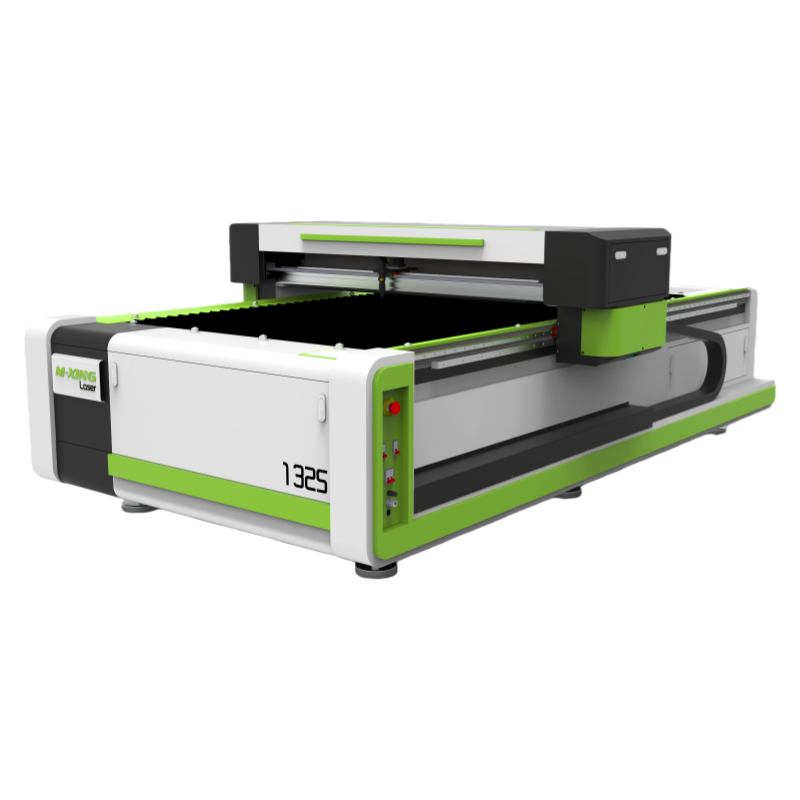
The fundamental operation of an engraving machine involves converting digital designs into precise laser movements that selectively remove or modify material surfaces. This process requires sophisticated coordination between computer software, laser generation systems, motion control mechanisms, and safety protocols. Modern engraving machine technology enables operators to achieve intricate detail levels previously impossible with traditional mechanical engraving methods while maintaining consistent quality across high-volume production runs.
Fundamental Components and System Architecture
Laser Generation and Beam Delivery Systems
The heart of any engraving machine consists of the laser source, which generates coherent light energy through stimulated emission processes. CO2 lasers are commonly utilized for organic materials like wood and acrylic, while fiber lasers excel at processing metals and plastics. The laser beam travels through a series of mirrors and focusing lenses that direct and concentrate the energy to create the precise focal point necessary for material interaction.
Beam delivery systems incorporate high-quality optical components designed to maintain laser power stability and beam quality throughout the engraving process. These systems include beam expanders, focusing lenses with varying focal lengths, and protective windows that prevent contamination from material debris. The optical path must remain precisely aligned to ensure consistent engraving depth and quality across the entire work surface area.
Motion Control and Positioning Mechanisms
Precision motion control represents a critical aspect of engraving machine functionality, typically utilizing servo motors or stepper motors connected to linear guide systems. These mechanisms move the laser head or workpiece along X and Y axes with sub-millimeter accuracy, following programmed tool paths generated from digital design files. Advanced engraving machine models incorporate rotary attachments for cylindrical objects and Z-axis control for maintaining optimal focal distances.
The motion control system receives commands from computer software that translates vector graphics or bitmap images into machine-readable G-code instructions. This process involves calculating optimal cutting speeds, power levels, and acceleration parameters based on material properties and desired engraving characteristics. Real-time feedback sensors monitor position accuracy and adjust motor commands to compensate for mechanical tolerances or thermal expansion effects.
Digital Design Preparation and Software Integration
File Format Compatibility and Design Requirements
Successful engraving machine operation begins with proper digital file preparation using compatible design software and file formats. Vector graphics formats like AI, DXF, and SVG are preferred for line engraving applications, while bitmap formats such as BMP, JPEG, and PNG are suitable for photographic engraving projects. The design software must accommodate the specific capabilities and limitations of the target engraving machine, including maximum work area dimensions and minimum feature sizes.
Design preparation involves optimizing artwork for laser processing by adjusting line weights, removing overlapping elements, and organizing content into appropriate layers for different processing parameters. Text elements require careful font selection and sizing to ensure readability at the intended scale, while complex graphics may need simplification to achieve acceptable processing times and material consumption rates.
Parameter Configuration and Tool Path Generation
The engraving machine software provides extensive parameter controls that allow operators to customize processing settings for specific materials and applications. Key parameters include laser power percentage, cutting speed, pulse frequency, and number of passes required to achieve desired engraving depth or cutting through-thickness. These settings significantly impact both processing quality and production efficiency, requiring careful optimization through testing and experience.
Tool path generation algorithms determine the sequence and direction of laser movements during the engraving process, considering factors like material grain direction, thermal effects, and processing efficiency. Advanced software includes features like adaptive power control that automatically adjusts laser intensity based on local design complexity, and optimization routines that minimize rapid positioning movements to reduce overall processing time.
Step-by-Step Operational Process
Machine Preparation and Safety Protocols
Before initiating any engraving operation, operators must complete comprehensive safety checks and machine preparation procedures. This includes verifying that all safety interlocks are functioning properly, ensuring adequate ventilation system operation, and confirming that appropriate personal protective equipment is available. The work area must be clear of flammable materials, and fire suppression equipment should be readily accessible for emergency situations.
Machine preparation involves checking laser alignment using alignment tools or test patterns, verifying that the motion system moves smoothly throughout its full range, and confirming that the laser head assembly is properly secured. The engraving machine coolant system must be operating within specified temperature ranges, and gas assist systems should be properly pressurized if required for the intended application.
Material Positioning and Focus Adjustment
Accurate material positioning and focus adjustment are crucial for achieving consistent engraving results across the entire work surface. The workpiece must be securely clamped or held using appropriate fixturing methods that prevent movement during processing while avoiding interference with the laser head travel path. Material thickness variations require careful measurement and documentation to ensure proper focus adjustment throughout the engraving area.
Focus adjustment typically involves using mechanical gauge tools or automated focus sensors to establish the optimal distance between the focusing lens and material surface. This distance directly affects the laser spot size and energy density, which in turn determines engraving depth and edge quality. Many modern engraving machine systems include automatic focus adjustment capabilities that compensate for material thickness variations during processing.
Processing Execution and Quality Control
Real-Time Monitoring and Process Control
During active engraving operations, continuous monitoring of process parameters ensures optimal results and prevents potential safety hazards. Operators must observe laser power stability, motion system performance, and material response characteristics while maintaining awareness of any unusual sounds, odors, or visual indicators that might suggest processing problems. Modern engraving machine systems incorporate sensors and feedback mechanisms that provide real-time status information and automatic fault detection capabilities.
Process control involves making real-time adjustments to laser power, speed, or focus position based on observed results and material behavior. Some materials may require multiple passes at reduced power levels to achieve desired engraving depth while minimizing heat-affected zones or burning effects. Advanced engraving machine operators develop the experience necessary to recognize when parameter adjustments are needed and implement changes without interrupting the overall production workflow.
Post-Processing and Quality Assessment
Upon completion of the engraving process, careful inspection and post-processing steps ensure that finished parts meet quality specifications and customer requirements. This includes removing any protective masking materials, cleaning residue from cut edges, and inspecting dimensional accuracy using appropriate measurement tools. Surface finish quality assessment involves checking for consistent engraving depth, smooth edge profiles, and absence of thermal damage or discoloration.
Quality control procedures may include statistical sampling of production runs, documentation of process parameters for future reference, and implementation of corrective actions when results fall outside acceptable tolerances. Many engraving machine applications benefit from establishing standard operating procedures that define specific quality criteria and inspection methods for different material types and product categories.
Advanced Applications and Industry Integration
Multi-Material Processing Capabilities
Modern engraving machine technology accommodates an extensive range of materials and processing techniques that extend far beyond basic engraving applications. Composite materials, multilayer assemblies, and exotic alloys can be successfully processed using appropriate parameter optimization and specialized tooling approaches. The versatility of laser processing enables manufacturers to consolidate multiple manufacturing operations into single setup procedures, reducing handling costs and improving overall production efficiency.
Advanced engraving machine applications include deep engraving for mold making, surface texturing for improved adhesion properties, and selective material removal for creating complex three-dimensional features. These capabilities require sophisticated understanding of laser-material interactions and extensive process development to achieve repeatable results across varying production conditions.
Integration with Automated Manufacturing Systems
Industrial engraving machine installations increasingly incorporate automation features that enable integration with broader manufacturing systems and quality control processes. Robotic loading and unloading systems, conveyor-based material handling, and automated part sorting capabilities allow for unmanned operation during extended production runs. These systems require careful coordination between multiple control systems and comprehensive safety interlocks to prevent equipment damage or operator injury.
Data integration capabilities allow engraving machine systems to communicate with enterprise resource planning software, quality management systems, and production scheduling applications. This connectivity enables real-time production monitoring, automatic generation of process documentation, and implementation of statistical process control methodologies that support continuous improvement initiatives and regulatory compliance requirements.
Maintenance and Optimization Strategies
Preventive Maintenance Protocols
Consistent performance from any engraving machine requires implementation of comprehensive preventive maintenance programs that address both mechanical and optical system components. Regular cleaning of optical elements prevents contamination buildup that can reduce laser power transmission and affect beam quality. Motion system lubrication, belt tension adjustment, and linear guide maintenance ensure smooth operation and extend component service life while maintaining positioning accuracy.
Laser source maintenance varies depending on the specific technology employed, with CO2 lasers requiring periodic gas replacement and mirror alignment verification, while fiber lasers typically need less frequent attention but benefit from regular power output monitoring and cooling system maintenance. Establishing maintenance schedules based on operating hours and production volume helps prevent unexpected downtime and maintains consistent processing quality.
Performance Optimization and Troubleshooting
Optimizing engraving machine performance involves systematic analysis of processing parameters, material properties, and equipment capabilities to identify opportunities for improved efficiency or quality. This process often requires extensive testing and documentation to establish optimal parameter sets for different applications while maintaining acceptable processing times and material utilization rates.
Troubleshooting common engraving machine problems requires understanding the relationships between various system components and their effects on final part quality. Issues such as inconsistent engraving depth, poor edge quality, or dimensional inaccuracy can often be traced to specific causes including optical misalignment, motion system problems, or inappropriate parameter selection. Systematic diagnostic approaches help identify root causes and implement effective corrective actions.
FAQ
What materials can be processed using a standard engraving machine
Most engraving machine systems can process a wide variety of materials including wood, acrylic, leather, fabric, paper, cardboard, and certain metals. The specific capabilities depend on the laser type and power level, with CO2 lasers excelling at organic materials and fiber lasers being more suitable for metals and harder plastics. Material thickness limitations typically range from thin films up to several inches depending on the application and desired processing quality.
How precise can laser engraving achieve in terms of dimensional accuracy
Modern engraving machine systems can achieve dimensional accuracy within ±0.001 inches or better under optimal conditions, depending on the specific machine design and material properties. Factors affecting accuracy include thermal expansion of both the material and machine components, laser beam diameter, and motion system resolution. Proper calibration and environmental control are essential for maintaining tight tolerances in precision applications.
What safety considerations are important when operating an engraving machine
Engraving machine operation requires attention to multiple safety aspects including laser radiation protection, fire prevention, ventilation for fume extraction, and electrical safety protocols. Operators must wear appropriate eye protection, ensure adequate ventilation to remove processing fumes, maintain fire suppression equipment nearby, and follow lockout/tagout procedures during maintenance activities. Many jurisdictions require specific training and certification for laser equipment operators.
How do processing speeds compare between different engraving machine configurations
Processing speeds for engraving machine operations vary significantly based on material type, engraving depth, design complexity, and desired quality levels. Simple line engraving on thin materials might process at several hundred inches per minute, while deep engraving or cutting thick materials may require much slower speeds measured in inches per minute or less. Higher power laser systems generally enable faster processing speeds while maintaining acceptable quality standards.
Table of Contents
- Fundamental Components and System Architecture
- Digital Design Preparation and Software Integration
- Step-by-Step Operational Process
- Processing Execution and Quality Control
- Advanced Applications and Industry Integration
- Maintenance and Optimization Strategies
-
FAQ
- What materials can be processed using a standard engraving machine
- How precise can laser engraving achieve in terms of dimensional accuracy
- What safety considerations are important when operating an engraving machine
- How do processing speeds compare between different engraving machine configurations