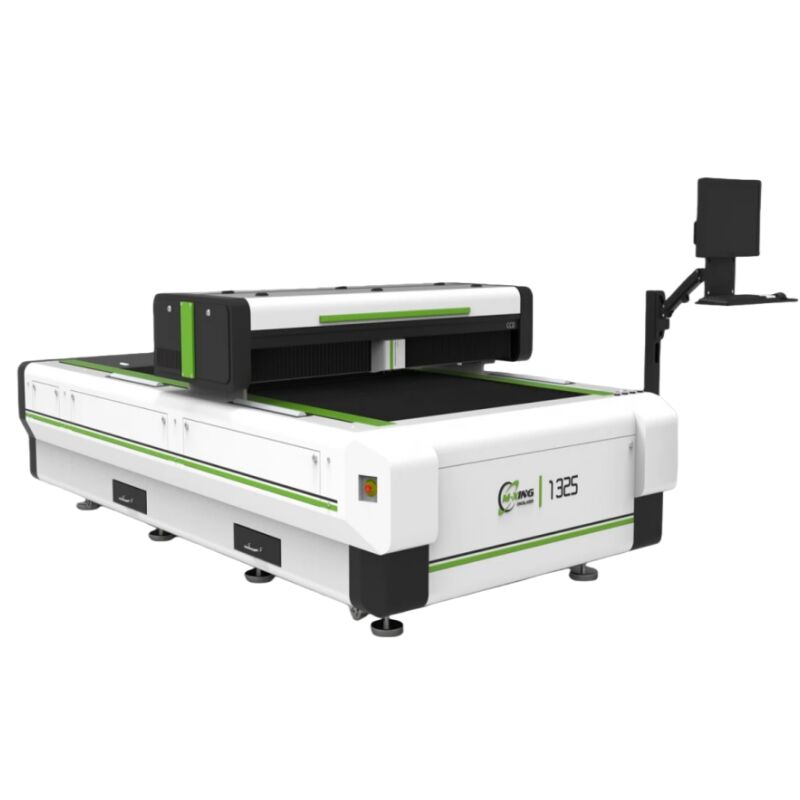
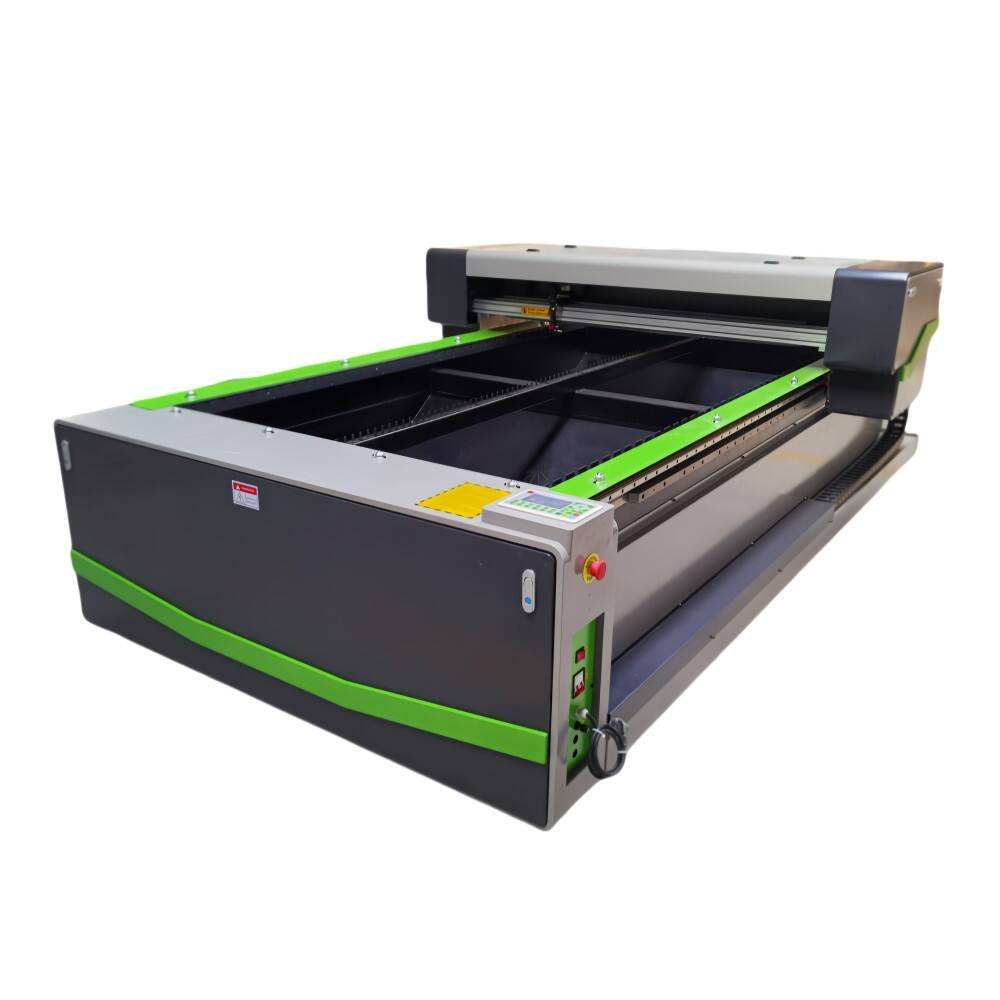
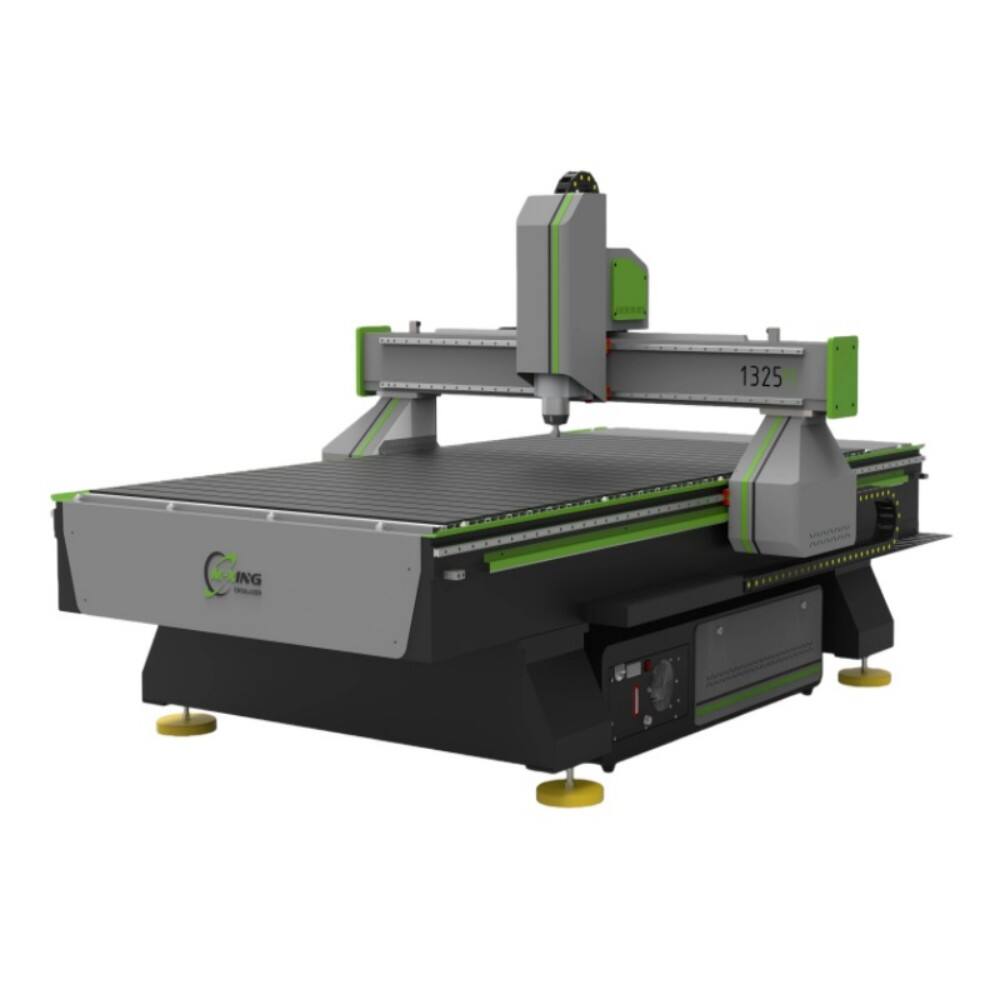
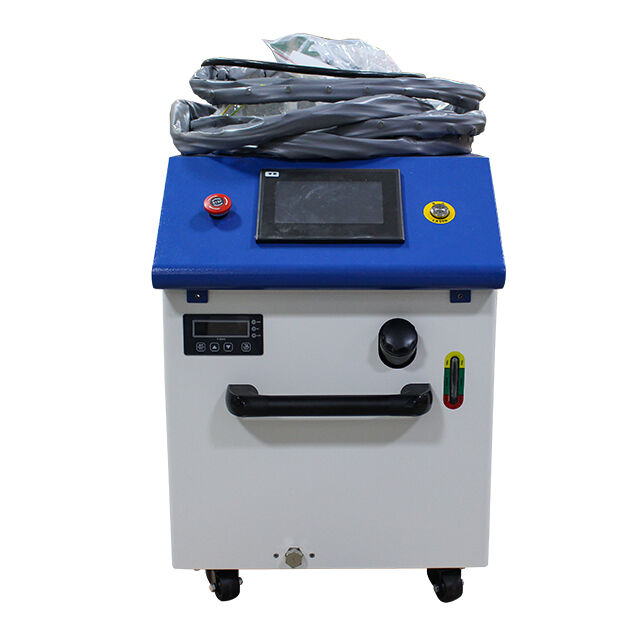
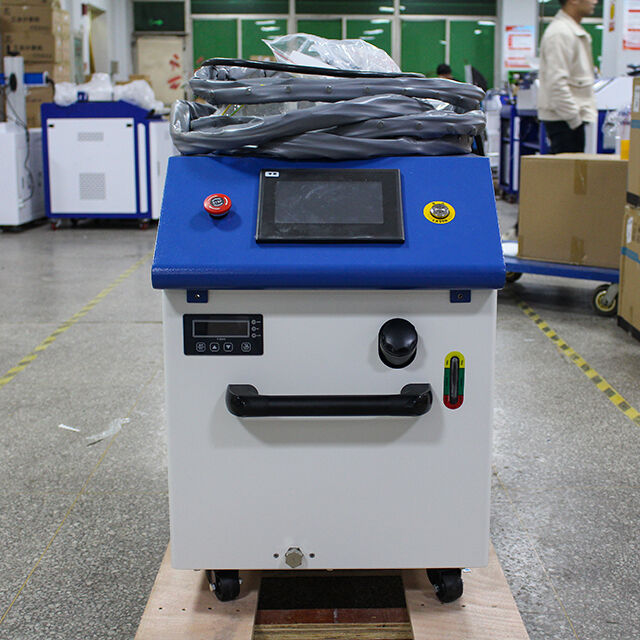
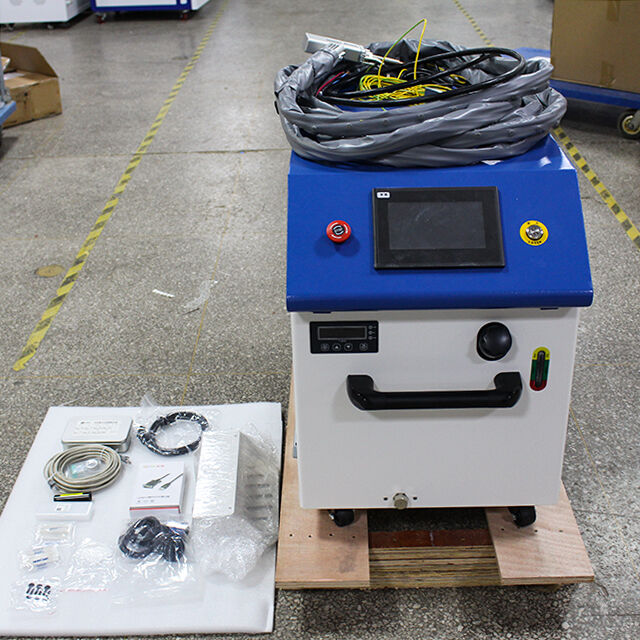
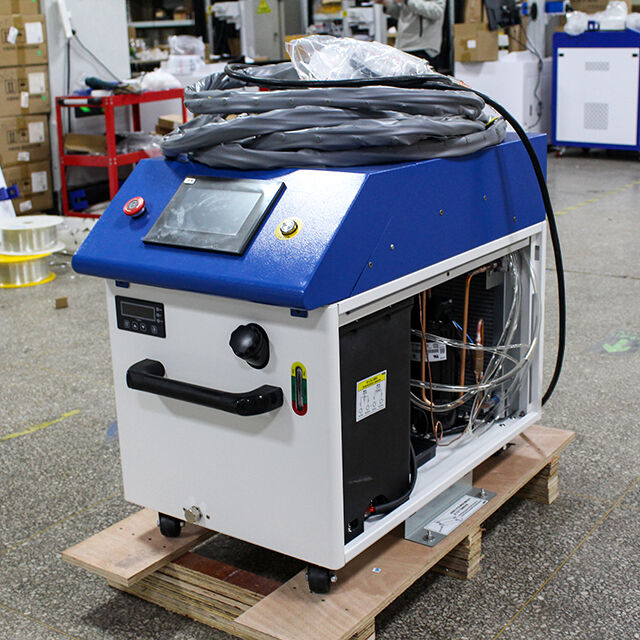
Advanced Laser Wire Welder Technology - Precision Welding Solutions for Industrial Applications

All Categories

Get a Free Quote

Our representative will contact you soon.
Email
Name
WhatsApp
Company Name
Message
0/1000

laser wire welder

The laser wire welder represents a revolutionary advancement in precision joining technology, transforming how manufacturers approach delicate welding applications across various industries. This sophisticated equipment utilizes focused laser energy to create high-quality welds on fine wires and small components with exceptional accuracy and consistency. Unlike traditional welding methods, the laser wire welder operates through a contactless process that generates intense heat at precisely controlled focal points, enabling seamless fusion of materials without mechanical stress or contamination. The system incorporates advanced optics, computerized controls, and specialized fixtures designed specifically for handling wire materials ranging from micrometers to several millimeters in diameter. Modern laser wire welder systems feature multiple wavelength options, adjustable power settings, and programmable welding parameters that accommodate diverse material types including stainless steel, aluminum, copper, titanium, and various alloys. The technology employs sophisticated beam delivery systems that ensure consistent energy distribution while maintaining optimal weld pool formation. Temperature monitoring capabilities allow real-time adjustments during the welding process, guaranteeing uniform results across production runs. Integration with automated handling systems enables continuous operation and reduces manual intervention requirements. The laser wire welder excels in applications requiring minimal heat-affected zones, preserving the metallurgical properties of base materials while achieving strong, reliable joints. Quality control features include vision systems for pre-weld inspection, real-time monitoring during welding, and post-weld verification to ensure consistent output. These systems support various welding configurations including butt joints, lap joints, and complex geometries that would be challenging or impossible with conventional welding techniques. The versatility of laser wire welder technology makes it indispensable for industries demanding precision, reliability, and efficiency in their manufacturing processes.

New Product Recommendations

Laser wire welder technology delivers substantial benefits that directly impact productivity and product quality for manufacturers across multiple sectors. The precision achieved through laser welding significantly reduces material waste and rework costs, as the focused energy creates consistent, repeatable joints without the variability common in traditional welding methods. This precision translates to improved product reliability and reduced warranty claims, providing long-term cost savings for businesses. The speed of laser wire welder operations dramatically increases throughput compared to conventional techniques, enabling manufacturers to meet demanding production schedules while maintaining quality standards. The contactless nature of laser welding eliminates electrode wear and contamination issues that plague traditional methods, reducing maintenance requirements and operational downtime. This characteristic also enables welding of dissimilar materials that would be difficult or impossible to join using conventional techniques. The minimal heat input of laser wire welder systems preserves the mechanical properties of base materials, preventing distortion and maintaining dimensional accuracy in finished products. This capability is particularly valuable when working with heat-sensitive components or thin materials that might be damaged by conventional welding heat. The automation compatibility of laser wire welder equipment allows integration into robotic production lines, reducing labor costs and improving consistency while eliminating human error factors. The clean, precise nature of laser welds often eliminates secondary finishing operations, further reducing production costs and cycle times. Environmental benefits include reduced energy consumption compared to traditional welding processes and elimination of harmful fumes and emissions associated with consumable electrodes. The flexibility of laser wire welder systems allows quick changeovers between different products and welding parameters, supporting lean manufacturing principles and just-in-time production strategies. Quality improvements achieved through laser welding result in stronger, more reliable products that enhance customer satisfaction and brand reputation. The technology also enables welding in difficult-to-reach areas and complex geometries that would be challenging with conventional equipment, expanding design possibilities for engineers and product developers.

Latest News

What is a laser engraver and how does it work in 2026?

03

Mar

What is a laser engraver and how does it work in 2026?

A laser engraver represents one of the most revolutionary technological advances in precision manufacturing and creative fabrication. This sophisticated device harnesses focused light energy to permanently mark, etch, or cut various materials with un...
View More
What materials can a laser engraver cut and engrave today?

06

Mar

What materials can a laser engraver cut and engrave today?

Modern manufacturing and creative industries have witnessed remarkable advancements in precision cutting and engraving technologies. A laser engraver has become an indispensable tool across various sectors, from small artisan workshops to large-scale...
View More
What types of laser engraving machines are available?

09

Mar

What types of laser engraving machines are available?

The modern manufacturing landscape has been revolutionized by precision cutting and engraving technologies, with laser engraving machine systems leading the charge in delivering exceptional accuracy and versatility. These sophisticated devices have t...
View More
What CNC machine types work best for small workshops?

18

Mar

What CNC machine types work best for small workshops?

Small workshops face unique challenges when selecting the right manufacturing equipment, particularly when considering a cnc machine for their operations. Unlike large industrial facilities with extensive floor space and unlimited budgets, smaller op...
View More

Get a Free Quote

Our representative will contact you soon.
Email
Name
WhatsApp
Company Name
Message
0/1000

laser wire welder

Unmatched Precision and Quality Control

Unmatched Precision and Quality Control

The laser wire welder delivers extraordinary precision that sets new standards in manufacturing quality control, fundamentally changing how companies approach critical joining applications. This precision stems from the laser beam's ability to focus energy into extremely small spot sizes, typically measuring just a few micrometers in diameter, allowing for incredibly accurate placement of welds even on the finest wire materials. The computerized control systems integrated into modern laser wire welder equipment provide repeatability within tolerances measured in microns, ensuring every weld meets exact specifications regardless of operator skill level or environmental conditions. This consistency eliminates the variability inherent in manual welding processes, where human factors can introduce inconsistencies that affect product quality and reliability. The real-time monitoring capabilities built into laser wire welder systems continuously track welding parameters including power output, beam position, and material temperature, automatically adjusting these variables to maintain optimal conditions throughout the welding process. Advanced vision systems integrated with the laser wire welder provide pre-weld inspection capabilities that verify proper material alignment and surface conditions before welding begins, preventing defects and reducing waste. Post-weld inspection features automatically assess joint quality using sophisticated imaging and measurement technologies, ensuring every weld meets stringent quality standards before products advance to subsequent manufacturing stages. The precision of laser wire welder technology enables manufacturers to achieve joint strengths that often exceed those of the base materials themselves, while maintaining minimal heat-affected zones that preserve the metallurgical properties of surrounding areas. This capability is particularly crucial in applications involving high-strength alloys, temperature-sensitive materials, or components requiring specific mechanical properties. Documentation and traceability features built into laser wire welder systems automatically record welding parameters and quality measurements for each joint, supporting quality assurance programs and regulatory compliance requirements across various industries.
Exceptional Versatility and Material Compatibility

Exceptional Versatility and Material Compatibility

The remarkable versatility of laser wire welder technology enables manufacturers to address diverse welding challenges across multiple materials and applications, making it an invaluable asset for companies serving varied market segments. This adaptability stems from the laser's ability to adjust wavelength, power output, pulse duration, and beam characteristics to optimize welding parameters for specific material combinations and joint requirements. The laser wire welder excels at joining dissimilar materials that would be problematic or impossible to weld using conventional techniques, including combinations of different metals, alloys with varying melting points, and materials with different thermal expansion coefficients. This capability opens new possibilities for product designers who can now specify material combinations based purely on performance requirements rather than welding compatibility limitations. The contactless nature of laser wire welder operations eliminates concerns about electrode contamination or tool wear that can compromise joint quality in traditional welding processes, ensuring consistent results regardless of production volume or duration. Thickness capabilities of modern laser wire welder systems range from ultra-thin foils measured in micrometers to substantial wire diameters, accommodating applications from delicate electronic components to robust automotive assemblies. The technology's ability to create various joint configurations including butt joints, lap joints, fillet welds, and complex three-dimensional geometries provides designers with unprecedented flexibility in component design and assembly strategies. Temperature control features inherent in laser wire welder systems allow welding of heat-sensitive materials without degrading their properties, enabling applications in industries such as medical device manufacturing where material integrity is paramount. The speed and efficiency of laser wire welder operations make it economically viable for both high-volume production runs and low-volume specialty applications, providing manufacturers with a single solution that can adapt to changing market demands. Integration capabilities allow laser wire welder systems to work seamlessly with existing production equipment and quality control systems, minimizing disruption during implementation while maximizing return on investment.
Superior Efficiency and Cost-Effectiveness

Superior Efficiency and Cost-Effectiveness

The laser wire welder delivers exceptional operational efficiency that translates directly into improved profitability through reduced production costs, increased throughput, and enhanced product quality. This efficiency begins with the technology's ability to complete welding operations at speeds significantly faster than conventional methods, often achieving cycle times that are 50-75% shorter than traditional techniques while maintaining superior joint quality. The energy efficiency of laser wire welder systems converts electrical input into welding energy more effectively than resistance welding or arc welding processes, resulting in lower operational costs and reduced environmental impact. Maintenance requirements for laser wire welder equipment are substantially lower than conventional welding systems due to the absence of consumable electrodes, contact tips, or mechanical wear components that require frequent replacement. This reliability translates to higher equipment availability and reduced unplanned downtime that can disrupt production schedules and increase costs. The precision inherent in laser wire welder operations dramatically reduces scrap rates and rework requirements, as the consistent, repeatable nature of the process eliminates many variables that can cause defects in traditional welding. Material utilization improvements achieved through laser wire welder technology stem from the minimal heat input and precise energy placement, which reduces distortion and eliminates the need for excess material allowances to compensate for welding-induced changes. Labor cost reductions result from the automation compatibility of laser wire welder systems, which can operate with minimal human intervention while maintaining consistent output quality. The technology's ability to eliminate secondary operations such as grinding, machining, or finishing processes further reduces total manufacturing costs while shortening production cycles. Quality improvements achieved through laser wire welder implementation reduce warranty costs and enhance customer satisfaction, contributing to long-term business success and market competitiveness. Return on investment calculations for laser wire welder systems typically show payback periods of 18-24 months through combined savings in labor, materials, energy, and quality costs, making the technology an attractive investment for manufacturers seeking to improve their competitive position.
Advanced Laser Wire Welder Technology - Precision Welding Solutions for Industrial Applications

Get a Free Quote

Our representative will contact you soon.
Email
Name
WhatsApp
Company Name
Message
0/1000