Leading Laser Welding Machine Manufacturers - Advanced Industrial Solutions

All Categories

Get a Free Quote

Our representative will contact you soon.
Email
Name
WhatsApp
Company Name
Message
0/1000

laser welding machine manufacturers

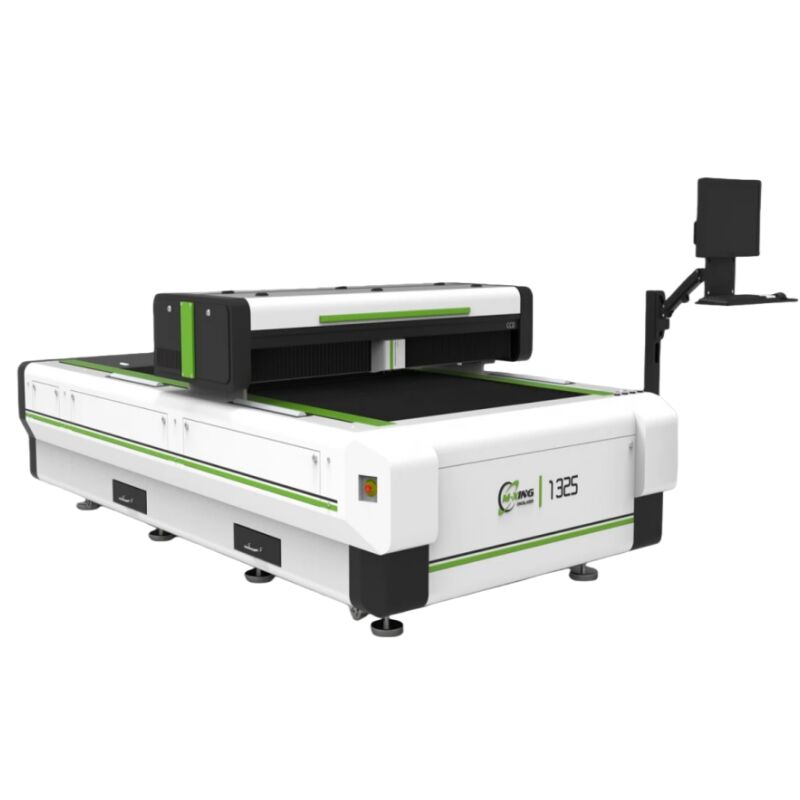
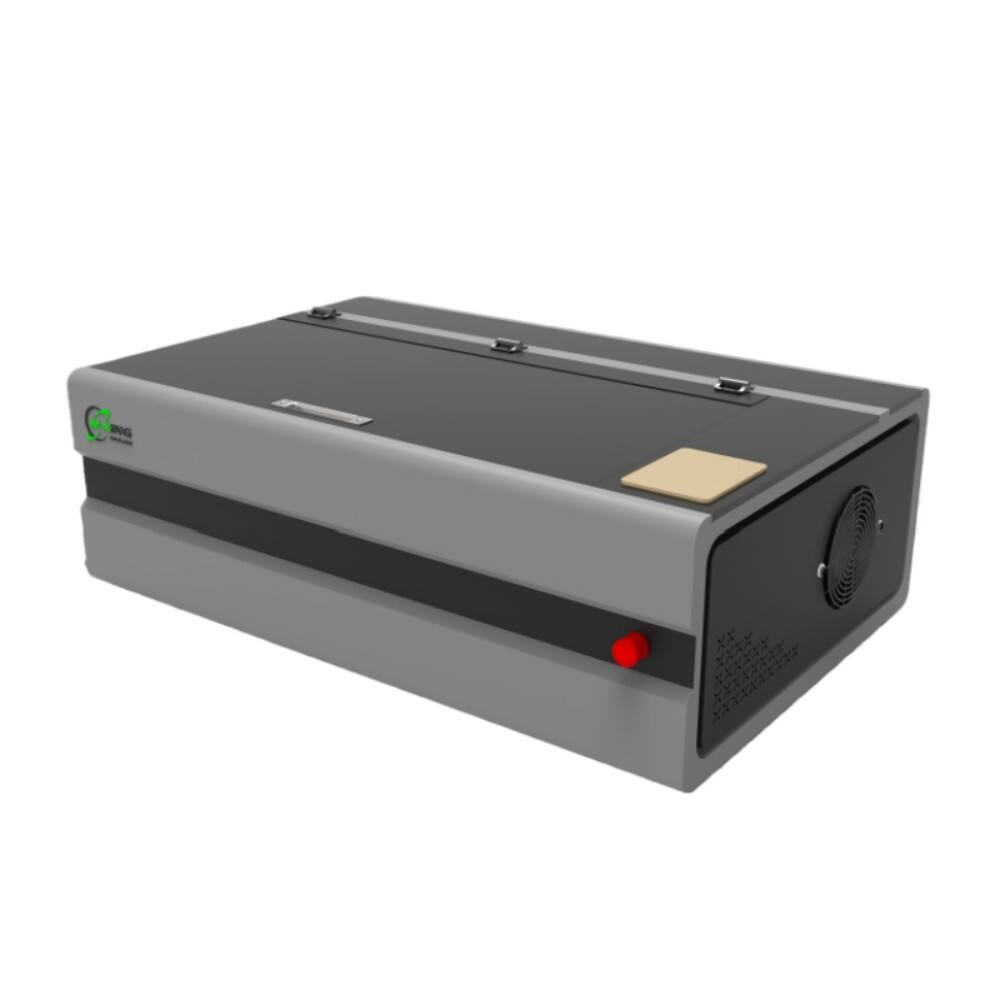
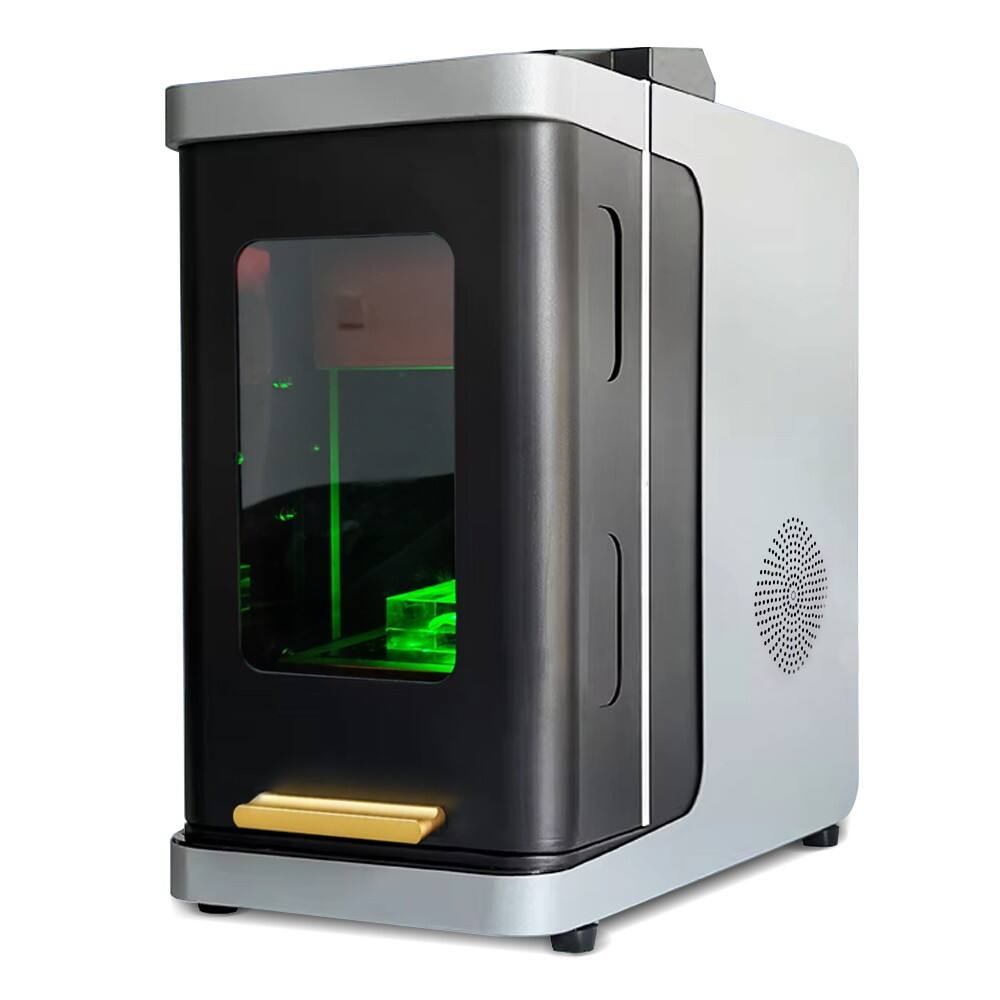
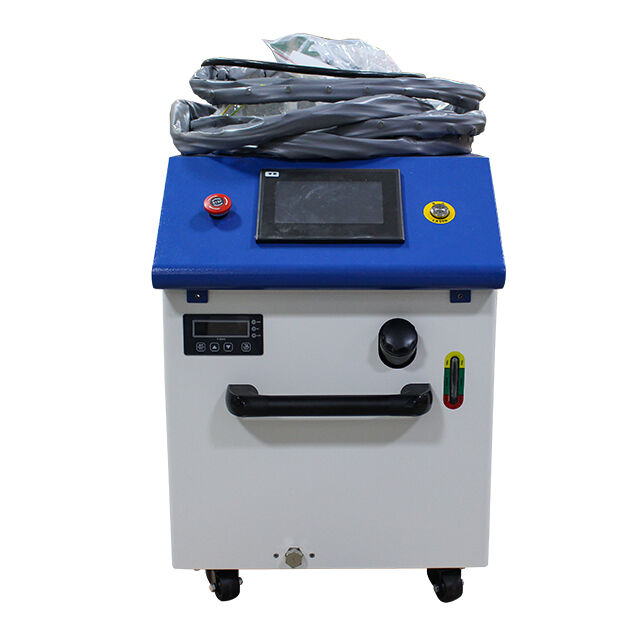
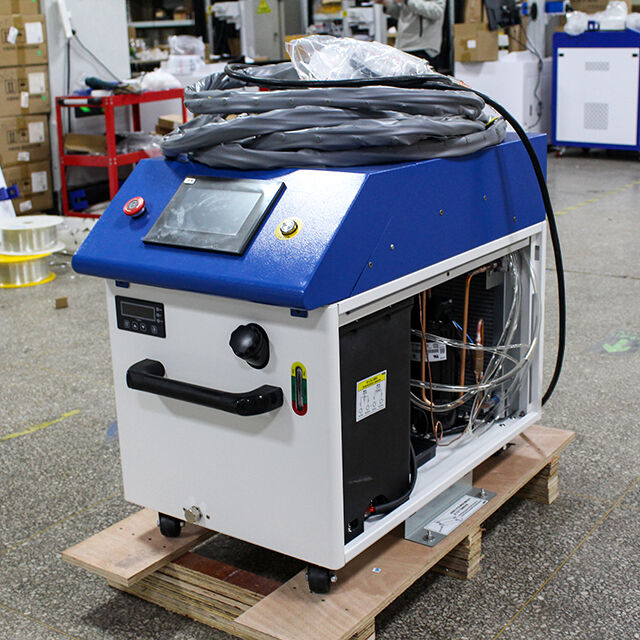
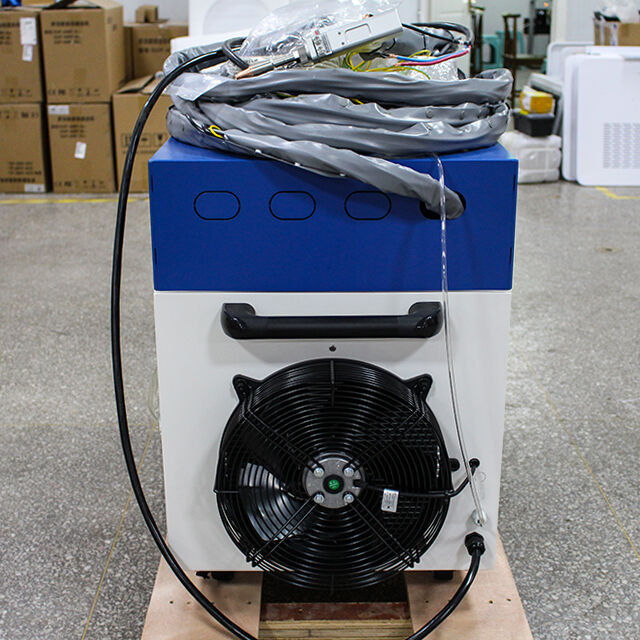
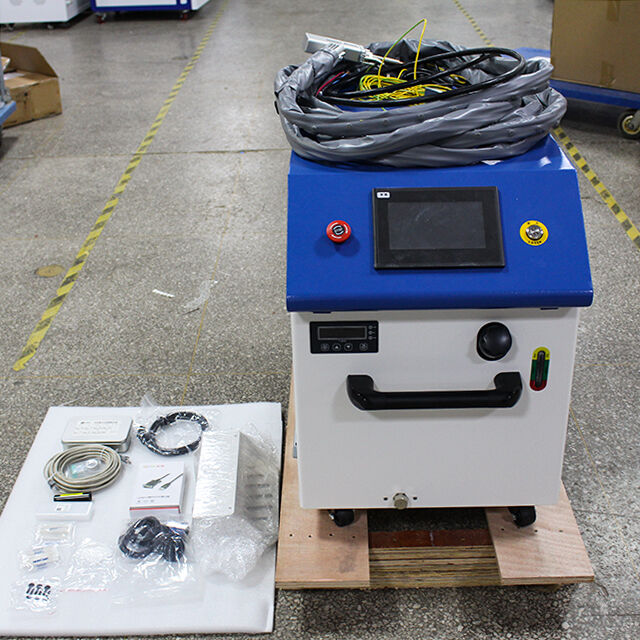
Laser welding machine manufacturers represent a crucial segment of the modern industrial equipment sector, specializing in the development and production of advanced laser-based joining technologies. These manufacturers create sophisticated systems that utilize focused laser beams to melt and fuse materials together, primarily metals and thermoplastics. The core function of these machines involves generating high-intensity laser light through various mediums, including fiber lasers, CO2 lasers, and diode lasers, each designed for specific welding applications and material types. The technological foundation of laser welding equipment encompasses precise beam control systems, advanced cooling mechanisms, and sophisticated power regulation modules that ensure consistent weld quality across diverse manufacturing environments. Leading laser welding machine manufacturers integrate cutting-edge automation features, including robotic positioning systems, real-time monitoring capabilities, and programmable welding parameters that accommodate complex geometries and production requirements. These systems excel in automotive assembly lines, aerospace component fabrication, medical device manufacturing, electronics production, and heavy industrial applications where precision and reliability are paramount. The applications span from micro-welding delicate electronic components to heavy-duty structural welding in shipbuilding and construction industries. Modern laser welding machine manufacturers incorporate intelligent control systems that optimize welding speed, penetration depth, and heat input based on material properties and joint configurations. Quality assurance features include integrated monitoring systems that detect welding defects in real-time, ensuring consistent output quality and reducing post-weld inspection requirements. The versatility of these machines enables processing of dissimilar materials, thin gauge sheets, and complex joint configurations that traditional welding methods cannot effectively handle. Environmental considerations drive many laser welding machine manufacturers to develop energy-efficient systems that minimize power consumption while maximizing productivity, supporting sustainable manufacturing practices across various industries.

New Products

Laser welding machine manufacturers deliver exceptional precision that transforms manufacturing processes across multiple industries. These systems achieve weld widths as narrow as 0.1 millimeters, enabling manufacturers to create joints with minimal heat-affected zones and reduced material distortion. This precision capability allows companies to work with thin materials and delicate components without compromising structural integrity or aesthetic appearance. The speed advantage provided by laser welding machine manufacturers significantly enhances production efficiency, with welding speeds reaching up to 10 meters per minute depending on material thickness and application requirements. This rapid processing capability reduces cycle times and increases throughput, directly impacting profitability and competitive positioning in fast-paced markets. Energy efficiency represents another compelling advantage, as modern laser welding systems convert electrical energy to welding energy with efficiency rates exceeding 30 percent, substantially higher than traditional arc welding methods. This efficiency translates to lower operational costs and reduced environmental impact, supporting corporate sustainability initiatives. Laser welding machine manufacturers design systems that require minimal consumables, eliminating the need for filler materials, shielding gases, or electrode replacements in many applications. This reduction in consumable costs, combined with decreased maintenance requirements, creates significant long-term savings for manufacturing operations. The non-contact nature of laser welding prevents tool wear and eliminates mechanical stress on workpieces, particularly beneficial when working with precision components or finished surfaces. Quality consistency achieved through laser welding machine manufacturers ensures repeatable results with minimal variation between welds, reducing scrap rates and quality control expenses. Automation compatibility allows seamless integration with existing production lines, robotic systems, and Industry 4.0 manufacturing environments. Remote processing capabilities enable welding in confined spaces or hazardous environments where human operators cannot safely access, expanding manufacturing possibilities and improving workplace safety. The clean welding process produces minimal spatter, smoke, or fumes compared to conventional welding methods, creating safer working conditions and reducing ventilation requirements. Flexibility in joint configurations allows laser welding machine manufacturers to accommodate butt joints, overlap joints, T-joints, and complex three-dimensional geometries without requiring specialized fixturing or setup changes. Material compatibility extends across steel, aluminum, titanium, copper, and various alloy combinations, providing versatility for diverse manufacturing applications and multi-material assembly requirements.

Tips And Tricks

How does laser engraving machine work step by step?

05

Mar

How does laser engraving machine work step by step?

Laser engraving technology has revolutionized modern manufacturing and creative industries by providing precise, efficient, and versatile material processing capabilities. An engraving machine utilizes focused laser beams to create detailed patterns,...
View More
What materials can a laser engraver cut and engrave today?

06

Mar

What materials can a laser engraver cut and engrave today?

Modern manufacturing and creative industries have witnessed remarkable advancements in precision cutting and engraving technologies. A laser engraver has become an indispensable tool across various sectors, from small artisan workshops to large-scale...
View More
What types of laser engraving machines are available?

09

Mar

What types of laser engraving machines are available?

The modern manufacturing landscape has been revolutionized by precision cutting and engraving technologies, with laser engraving machine systems leading the charge in delivering exceptional accuracy and versatility. These sophisticated devices have t...
View More
What CNC machine types work best for small workshops?

18

Mar

What CNC machine types work best for small workshops?

Small workshops face unique challenges when selecting the right manufacturing equipment, particularly when considering a cnc machine for their operations. Unlike large industrial facilities with extensive floor space and unlimited budgets, smaller op...
View More

Get a Free Quote

Our representative will contact you soon.
Email
Name
WhatsApp
Company Name
Message
0/1000

laser welding machine manufacturers

Advanced Beam Control Technology

Advanced Beam Control Technology

Laser welding machine manufacturers have revolutionized precision manufacturing through sophisticated beam control technology that delivers unparalleled accuracy and consistency in welding operations. This advanced technology incorporates multiple beam shaping mechanisms, including focal point adjustment, beam diameter control, and power distribution modulation that enable manufacturers to customize welding parameters for specific applications and material combinations. The beam control systems utilize high-precision galvanometer scanners and programmable focus lenses that can adjust welding patterns in real-time, accommodating complex geometries and varying material thicknesses without manual intervention. Optical feedback systems continuously monitor beam quality and automatically compensate for thermal drift or mechanical vibrations that could affect weld consistency. These intelligent control mechanisms enable welding speeds that exceed traditional methods by 300 to 500 percent while maintaining superior joint quality and mechanical properties. The technology incorporates adaptive power control that modulates laser intensity based on real-time feedback from thermal sensors and vision systems, preventing overheating or insufficient penetration that could compromise weld integrity. Beam oscillation features allow laser welding machine manufacturers to create wider weld pools when necessary, improving gap tolerance and reducing fit-up requirements in production environments. Multi-beam configurations enable simultaneous welding of multiple joints or creation of complex weld patterns that would require multiple passes with conventional welding equipment. The precision positioning capabilities, typically accurate to within 0.01 millimeters, ensure consistent weld placement and eliminate the variability associated with manual welding operations. Remote beam delivery systems extend the versatility of laser welding machine manufacturers by enabling welding in confined spaces, hazardous environments, or locations where traditional welding equipment cannot be positioned effectively. Quality monitoring integration provides real-time feedback on penetration depth, weld width, and surface quality, enabling immediate process adjustments and preventing defective parts from proceeding through production lines. This technology combination results in superior metallurgical properties, reduced heat-affected zones, and minimal post-weld finishing requirements, significantly reducing overall manufacturing costs and improving product quality standards.
Intelligent Process Monitoring Systems

Intelligent Process Monitoring Systems

Modern laser welding machine manufacturers integrate sophisticated process monitoring systems that transform welding operations from reactive to predictive manufacturing processes. These intelligent systems incorporate multiple sensor technologies, including high-speed cameras, photodiodes, spectrometers, and acoustic monitoring devices that continuously analyze welding conditions and quality parameters throughout the welding cycle. Machine learning algorithms process vast amounts of sensor data to identify optimal welding parameters for specific material combinations, joint configurations, and quality requirements, creating self-optimizing systems that improve performance over time. Real-time defect detection capabilities identify porosity, incomplete penetration, surface irregularities, and other weld anomalies as they occur, enabling immediate process corrections and preventing defective parts from advancing through production sequences. Thermal monitoring systems track heat input and cooling rates to ensure proper metallurgical properties and prevent thermal damage to heat-sensitive components or materials. Plasma monitoring technology analyzes the characteristics of the welding plasma to determine penetration depth, weld pool stability, and process consistency, providing feedback for automatic parameter adjustments. Data logging capabilities create comprehensive production records that support quality traceability, process optimization, and regulatory compliance requirements across various industries. Predictive maintenance features monitor system performance indicators and component wear patterns to schedule maintenance activities before equipment failures occur, minimizing unplanned downtime and production disruptions. Integration with manufacturing execution systems enables laser welding machine manufacturers to provide seamless data exchange with enterprise resource planning systems, supporting real-time production monitoring and inventory management. Statistical process control features automatically generate control charts and capability studies that demonstrate process stability and identify opportunities for continuous improvement. Remote monitoring capabilities allow technical support personnel to diagnose system issues and optimize welding parameters without on-site visits, reducing service costs and minimizing production interruptions. Artificial intelligence algorithms learn from historical welding data to predict optimal parameters for new applications, reducing setup time and eliminating trial-and-error parameter development. These comprehensive monitoring systems enable laser welding machine manufacturers to guarantee consistent quality output while providing detailed documentation and analysis capabilities that support lean manufacturing initiatives and quality management systems.
Modular System Architecture

Modular System Architecture

Leading laser welding machine manufacturers design modular system architectures that provide unprecedented flexibility and scalability for diverse manufacturing environments and evolving production requirements. This modular approach enables customers to configure systems with precisely the capabilities needed for their specific applications while maintaining the ability to expand or modify functionality as business needs change. Interchangeable laser source modules accommodate different power levels, beam qualities, and wavelengths, allowing manufacturers to optimize welding characteristics for various materials and application requirements without purchasing entirely new systems. Modular workstation designs support multiple fixturing configurations, rotary positioning systems, and multi-axis manipulation capabilities that can be reconfigured for different product lines or manufacturing processes. Power supply modules offer scalable output ranges from low-power applications requiring precise heat control to high-power industrial welding operations, ensuring optimal energy efficiency and cost-effectiveness across diverse applications. Control system modularity enables integration of various automation levels, from manual operation with basic safety features to fully automated robotic welding cells with advanced process monitoring and quality control capabilities. Cooling system modules provide appropriate thermal management for different operating environments and duty cycles, ensuring consistent performance and extended component life under varying production conditions. Software modularity allows customers to select specific programming interfaces, process monitoring features, and data management capabilities that align with existing manufacturing systems and operator skill levels. Expandable processing heads accommodate different beam delivery requirements, including fixed-position welding, scanner-based systems, and robotic-mounted configurations that can be modified as production volumes or part complexity changes. Safety system modules provide appropriate protection levels for different operating environments, from basic operator safety features to advanced containment systems for automated manufacturing cells. Material handling modules integrate seamlessly with existing production lines, conveyor systems, and robotic automation equipment, enabling efficient workflow integration without extensive facility modifications. Maintenance access modules simplify service procedures and component replacement, reducing maintenance time and associated production downtime. Communication modules support various industrial networking protocols and data exchange standards, ensuring compatibility with existing manufacturing execution systems and Industry 4.0 initiatives. This modular architecture approach enables laser welding machine manufacturers to provide cost-effective solutions that grow with customer needs while protecting initial equipment investments and supporting long-term manufacturing flexibility and competitiveness.
Leading Laser Welding Machine Manufacturers - Advanced Industrial Solutions

Get a Free Quote

Our representative will contact you soon.
Email
Name
WhatsApp
Company Name
Message
0/1000