Exceptional Versatility for Diverse Manufacturing Needs
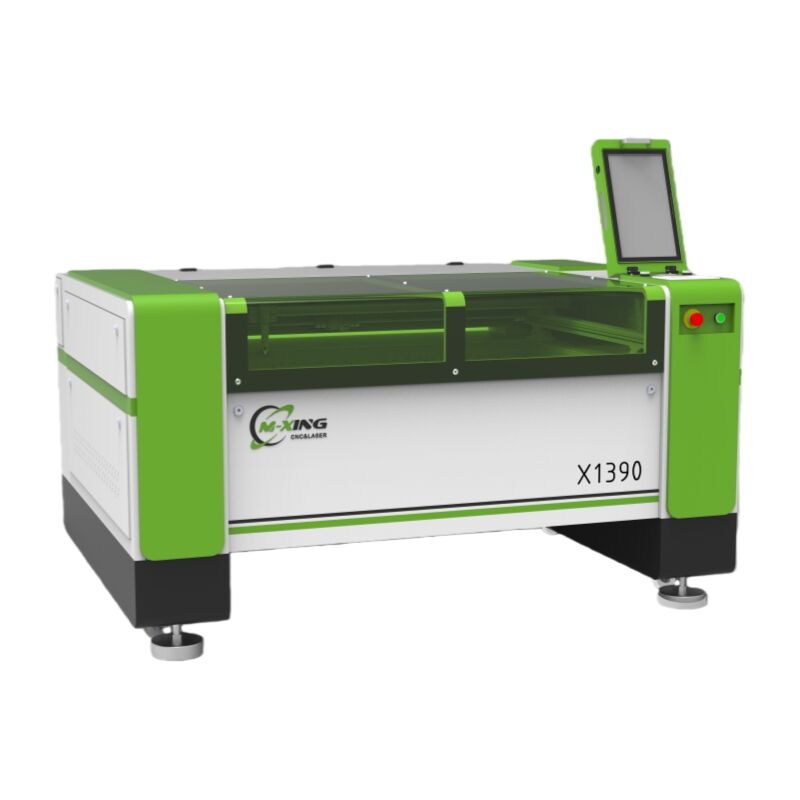
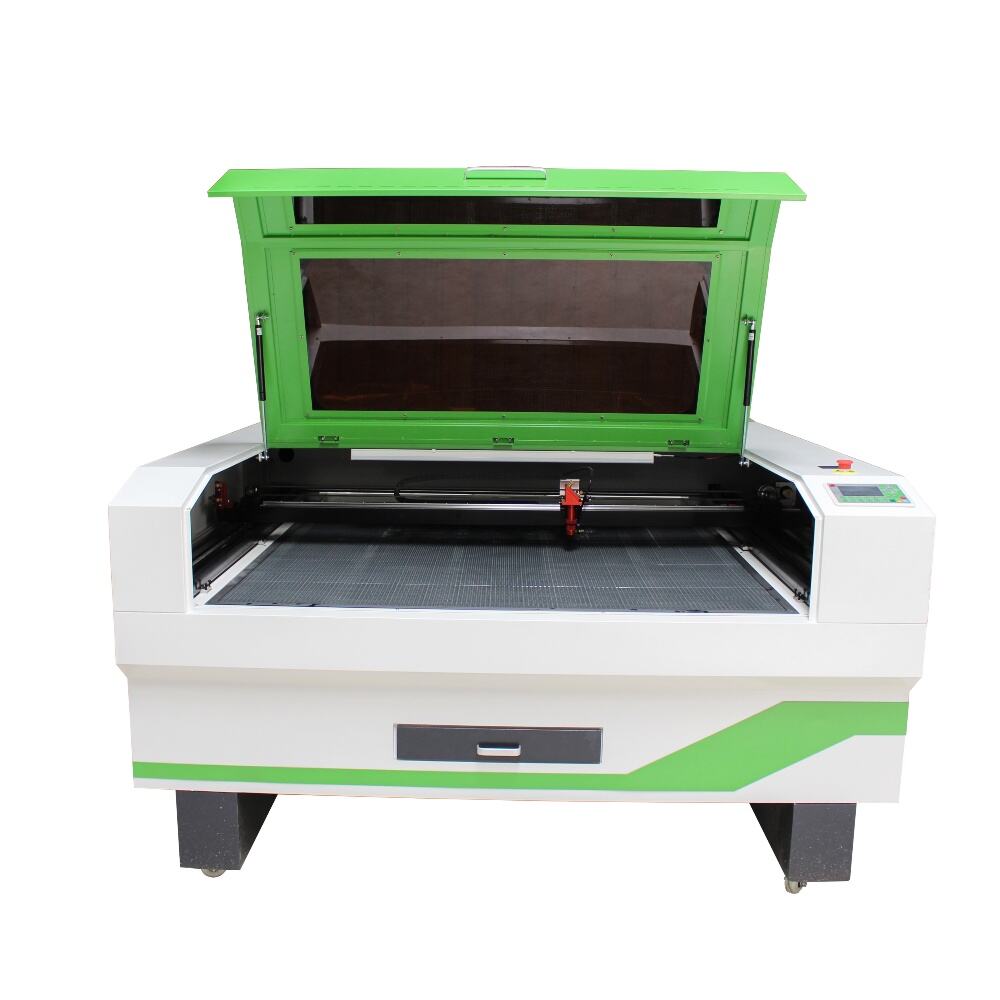
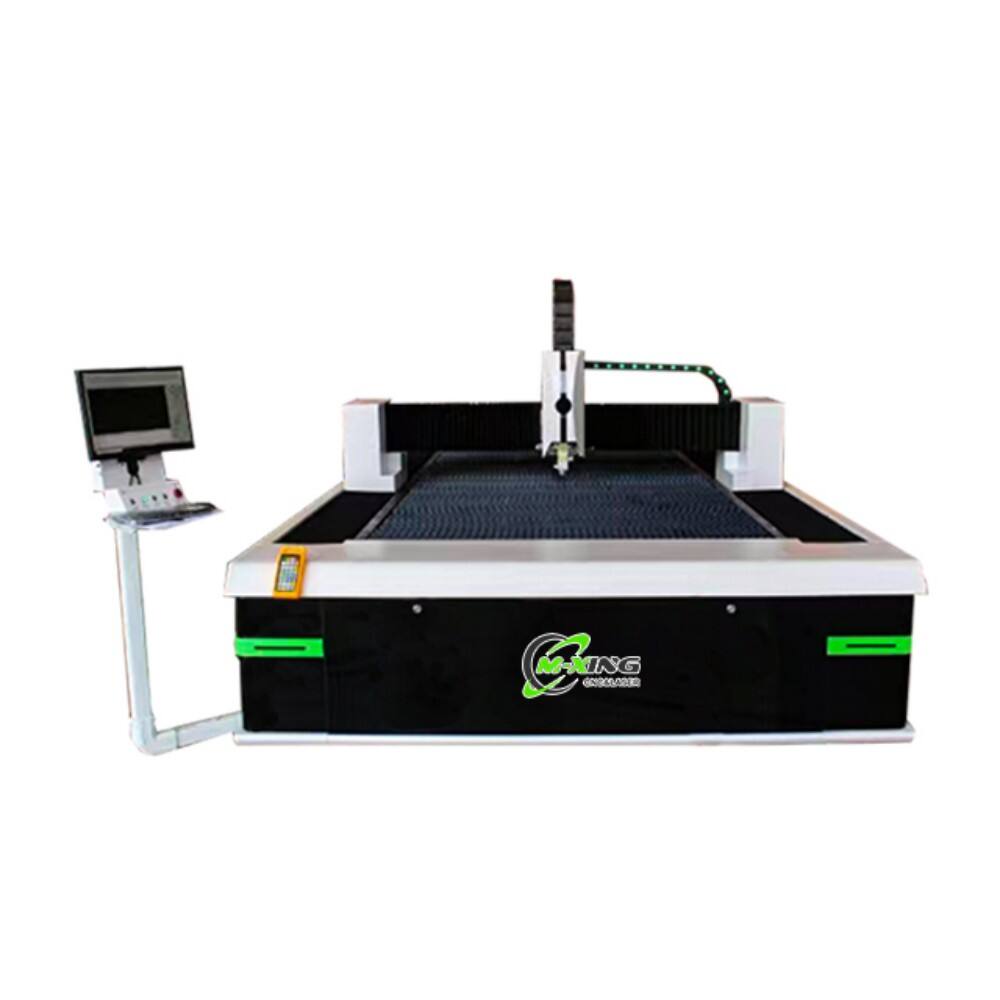
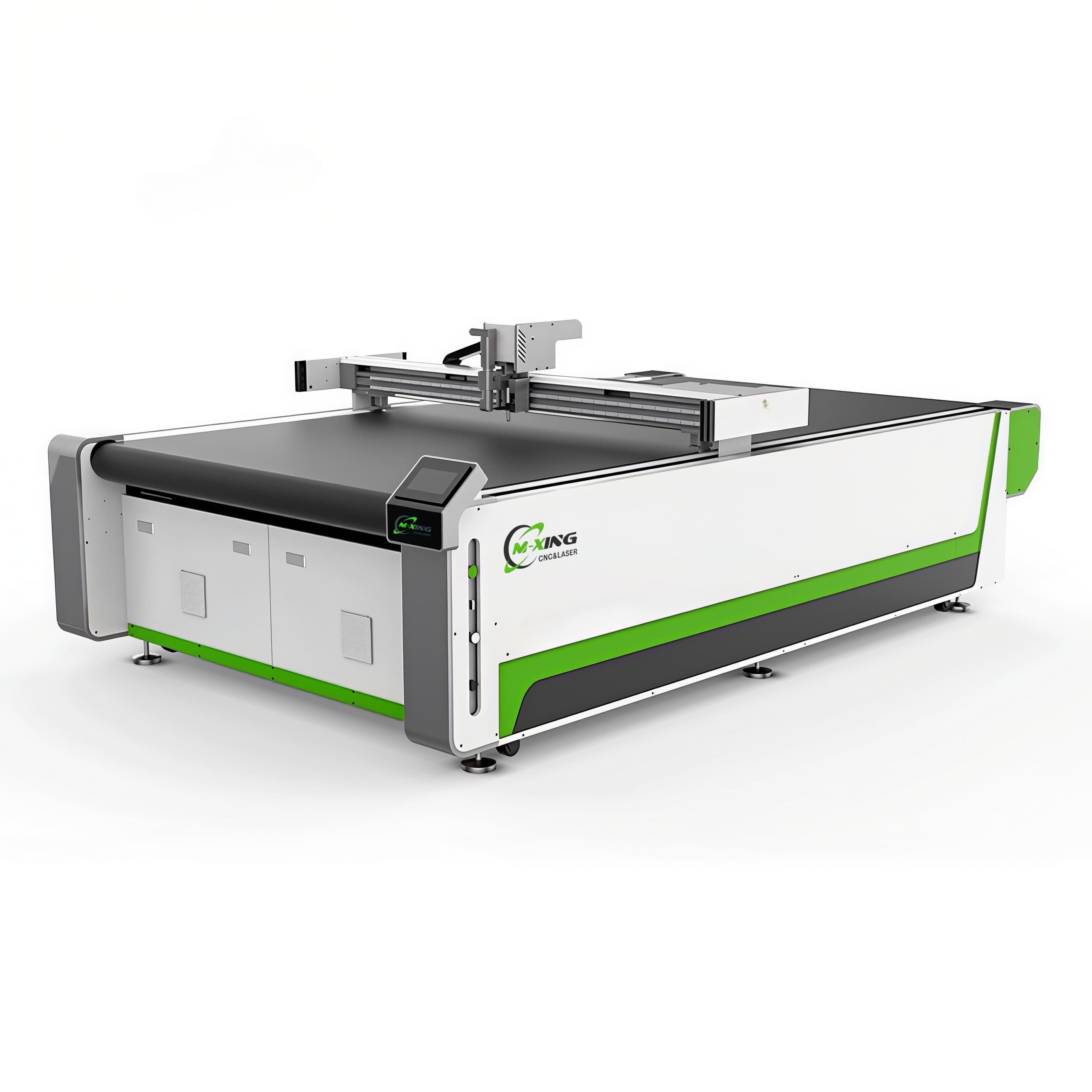
The remarkable versatility of the laser welding and cutting machine makes it an invaluable asset for manufacturers seeking to consolidate their production capabilities into a single, efficient system. This versatility manifests in multiple dimensions, including material compatibility, thickness range, processing capabilities, and application flexibility. The laser welding and cutting machine can effectively process virtually any metal material commonly used in manufacturing, from thin gauge sheets to thick structural plates. This includes ferrous materials like mild steel, stainless steel, and high-strength alloys, as well as non-ferrous metals such as aluminum, copper, brass, and titanium. The ability to handle such a diverse range of materials eliminates the need for multiple specialized machines, significantly reducing capital investment requirements and simplifying production workflows. The thickness range capabilities of modern laser welding and cutting machines are equally impressive, with some systems capable of cutting materials up to several inches thick while maintaining excellent edge quality. For welding applications, the same versatility applies, with the ability to join materials of different thicknesses, compositions, and configurations. This flexibility is particularly valuable for job shops and custom fabricators who must handle a wide variety of projects with different specifications and requirements. The laser welding and cutting machine adapts easily to different production scenarios, from high-volume repetitive manufacturing to one-off prototype development. The programmable nature of these systems allows operators to quickly switch between different jobs by simply loading new cutting or welding programs, minimizing setup time and maximizing machine utilization. This adaptability is enhanced by modular tooling systems and quick-change fixtures that accommodate different part sizes and configurations. The versatility extends to the types of operations the laser welding and cutting machine can perform, including straight cuts, complex contours, beveling, drilling, marking, and various welding configurations such as butt joints, lap joints, and fillet welds. This comprehensive capability set allows manufacturers to complete entire assemblies on a single machine, reducing handling time and improving overall efficiency. Furthermore, the laser welding and cutting machine can integrate seamlessly with automated material handling systems, robotic loading mechanisms, and quality control equipment, creating complete production cells that operate with minimal human intervention. This integration capability makes the system suitable for Industry 4.0 manufacturing environments where connectivity and data exchange are essential for optimized operations.
 EN
EN