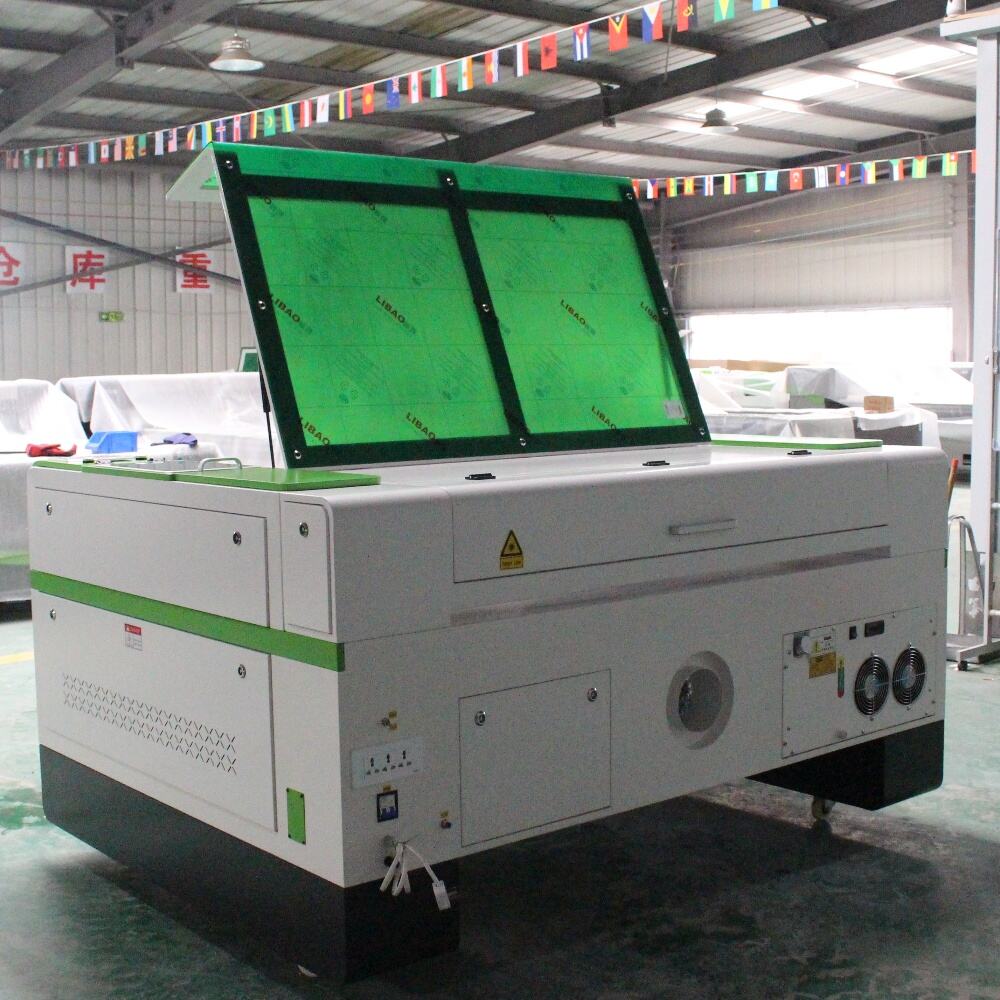
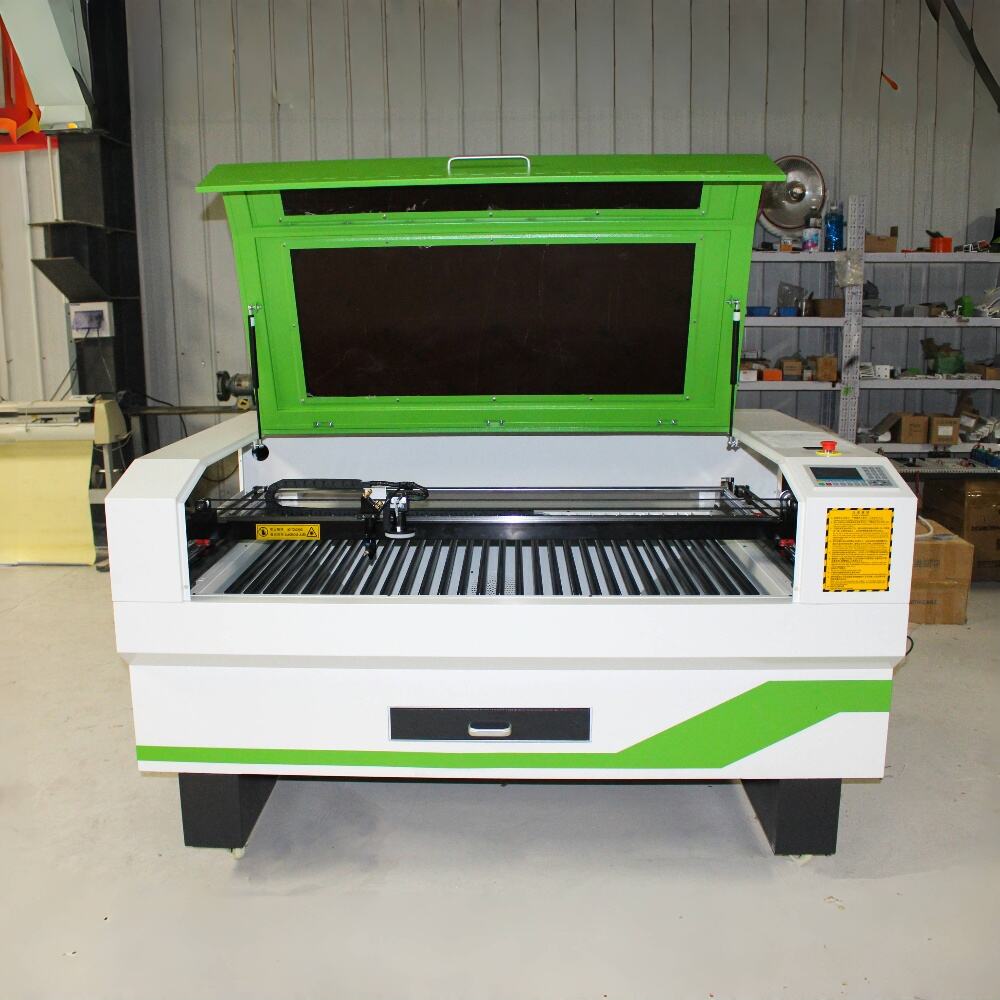
industrial laser engraver
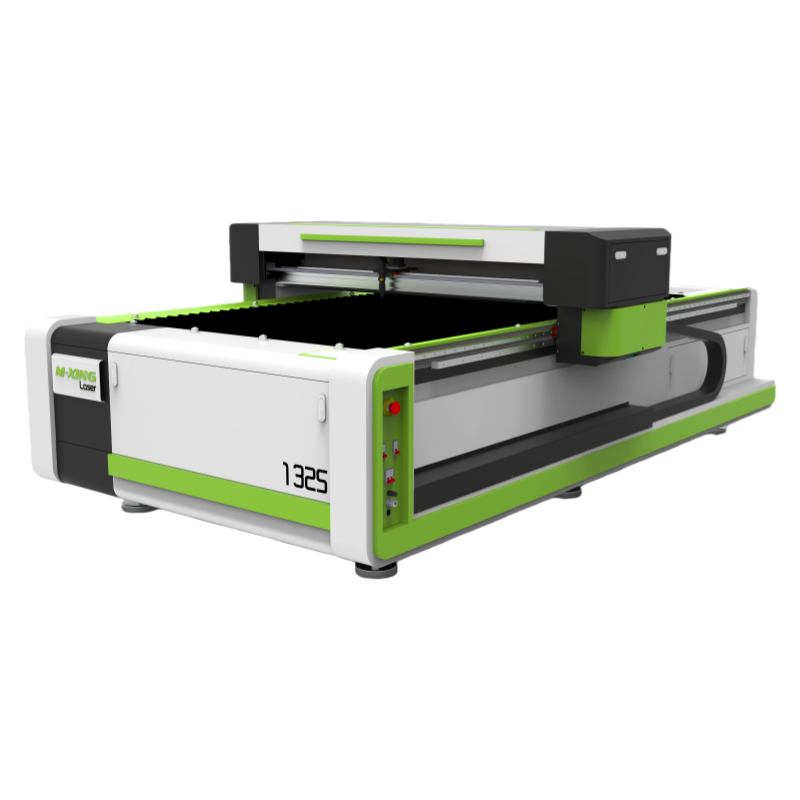
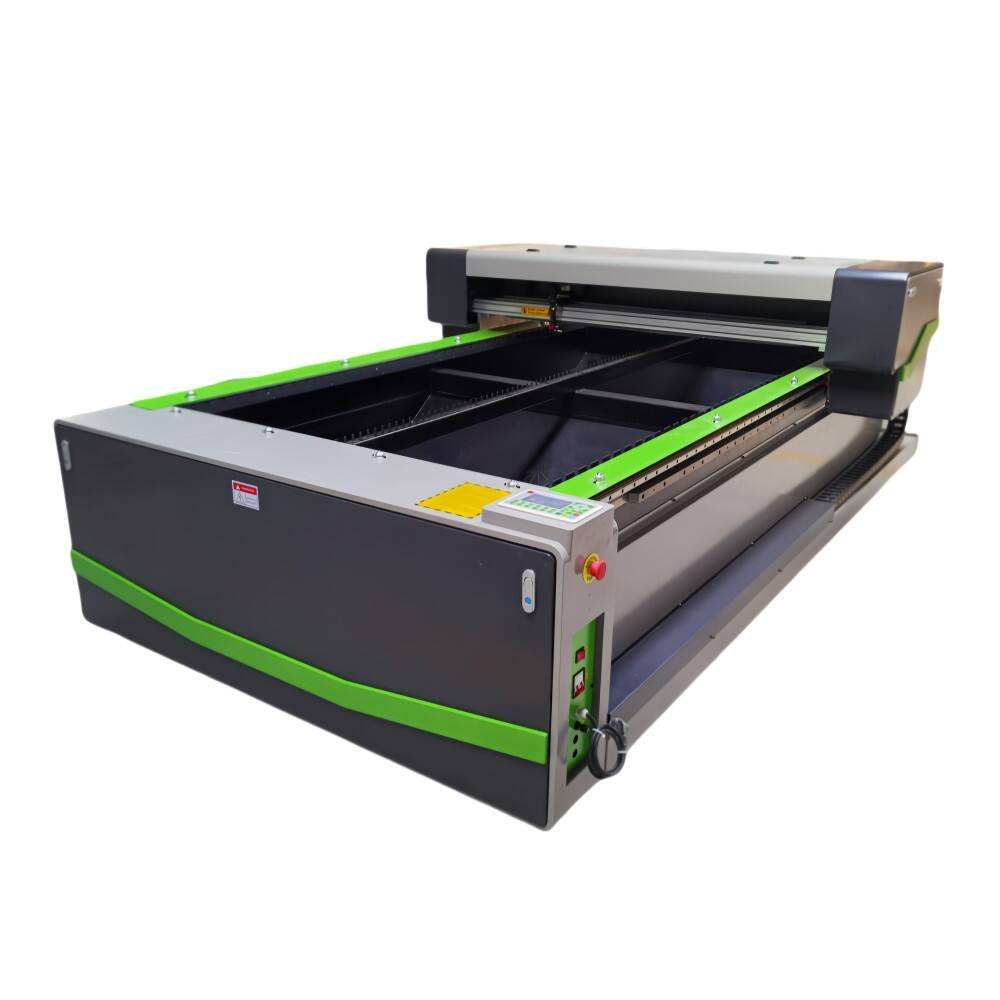
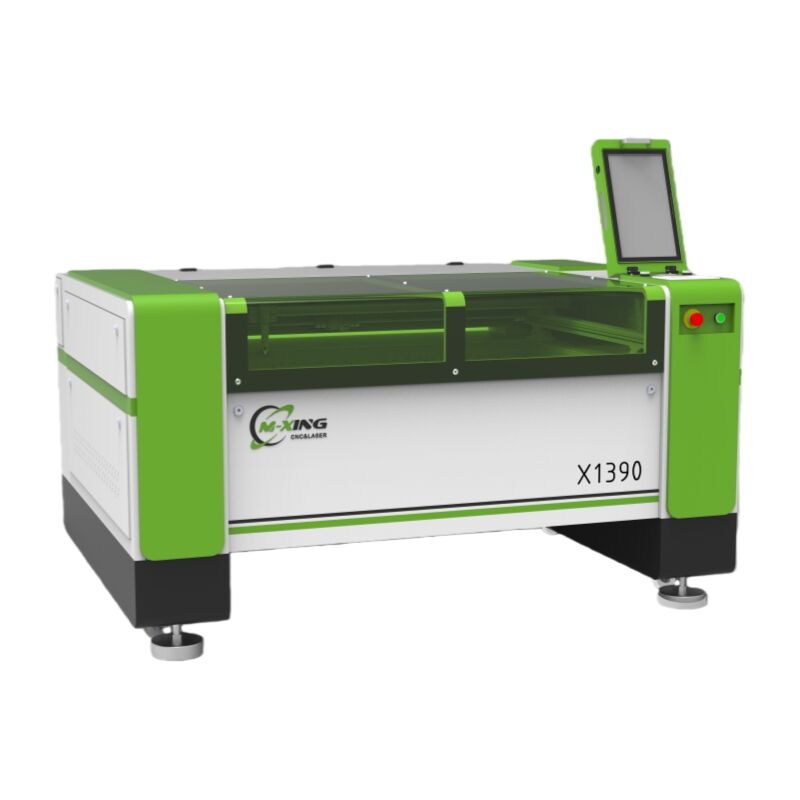
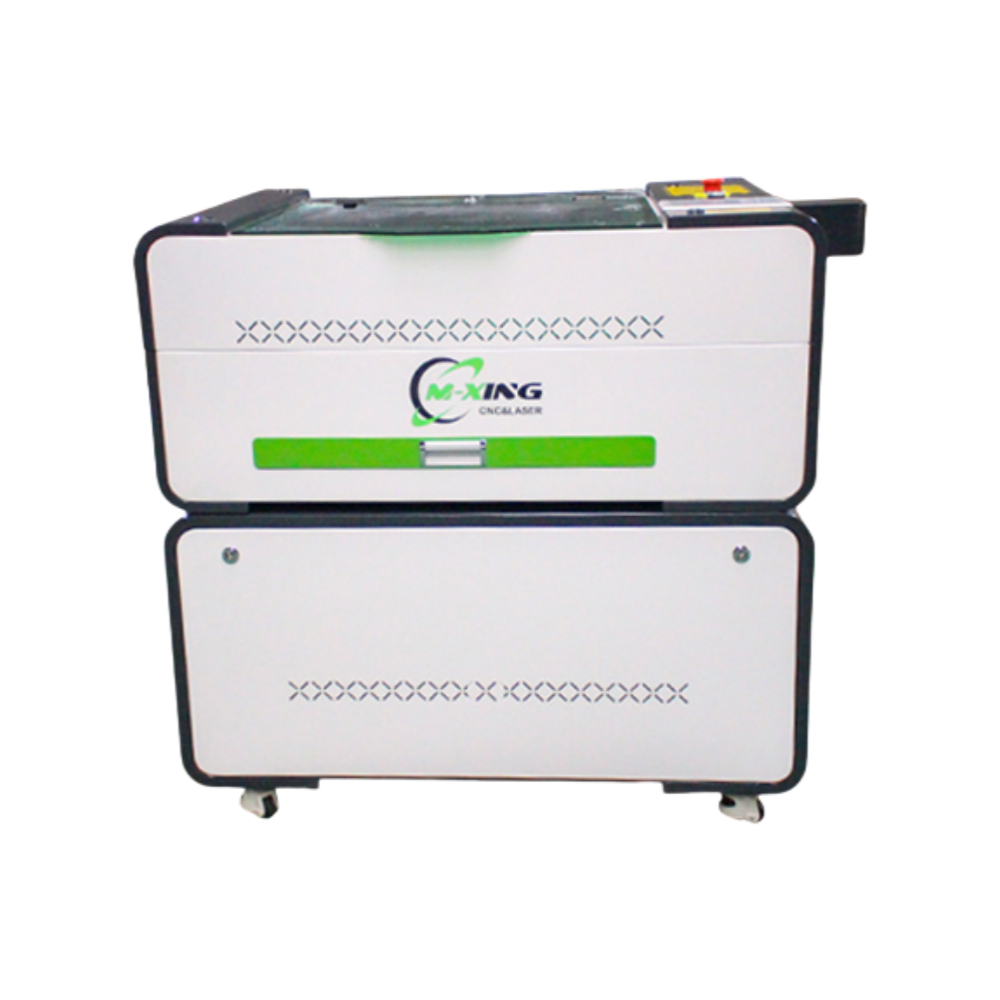
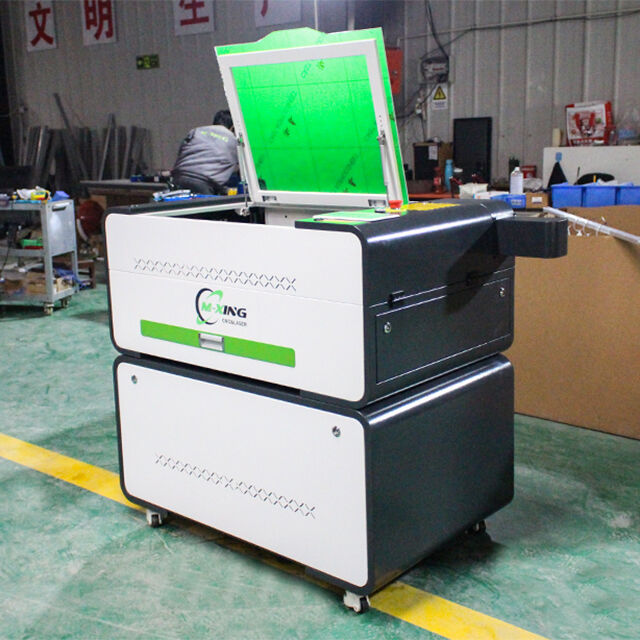
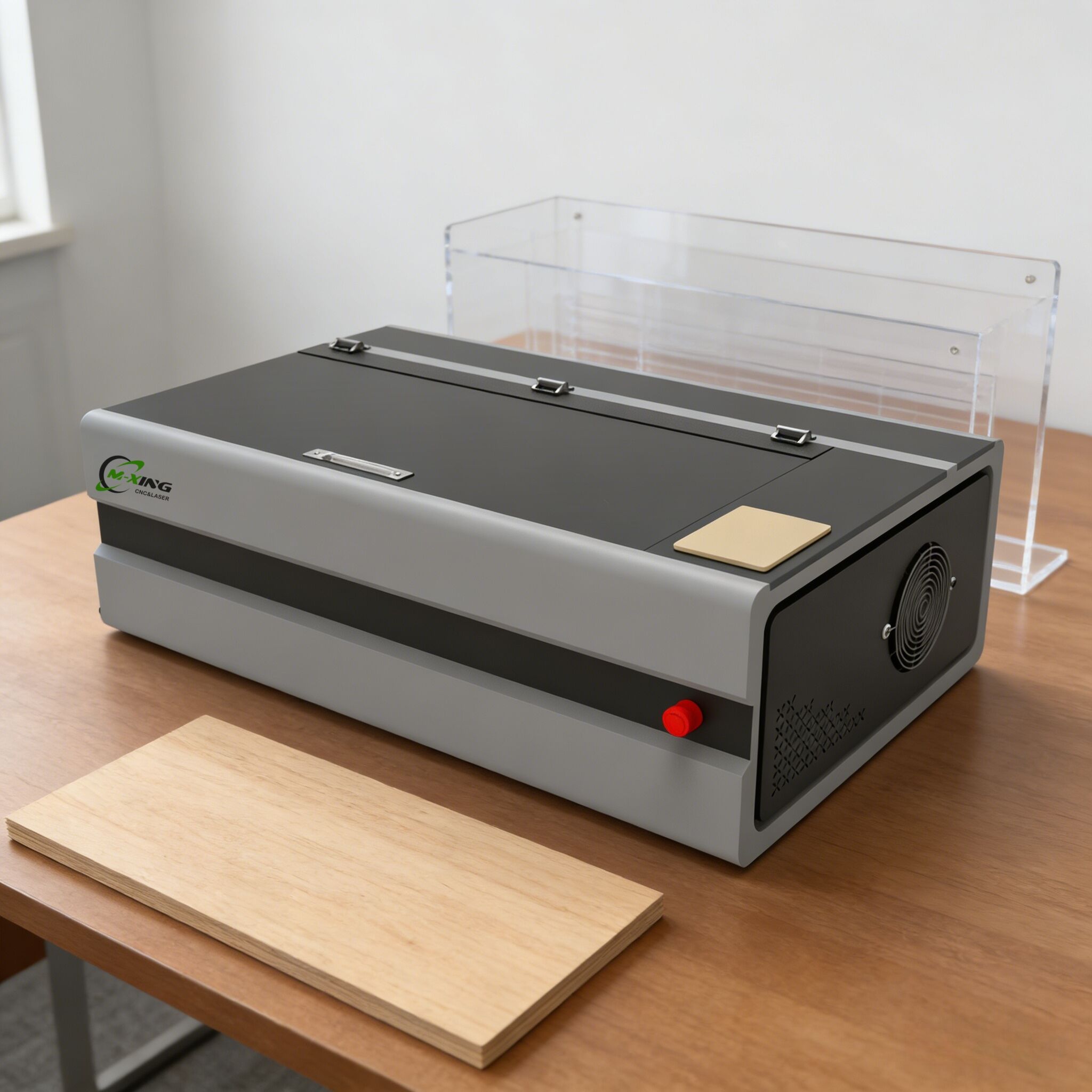
An industrial laser engraver represents a sophisticated manufacturing solution that utilizes concentrated laser beams to create precise markings, engravings, and cuts on various materials. This advanced equipment harnesses the power of focused light energy to permanently alter material surfaces through controlled thermal processes. The industrial laser engraver operates by directing a high-intensity laser beam onto the workpiece, where the concentrated energy vaporizes or melts the material to create desired patterns, text, or designs with exceptional accuracy. Modern industrial laser engraver systems incorporate cutting-edge technologies including fiber lasers, CO2 lasers, and diode lasers, each optimized for specific material types and applications. The main functions of an industrial laser engraver encompass surface marking, deep engraving, cutting, welding, and material processing across diverse industries. Technological features include computer numerical control systems, automatic focus adjustment, variable power settings, and integrated safety mechanisms. The industrial laser engraver supports multiple file formats and offers seamless integration with CAD software for streamlined workflow management. Applications span automotive manufacturing, aerospace components, medical device production, electronics fabrication, jewelry creation, and promotional product customization. These versatile machines process metals, plastics, ceramics, glass, wood, leather, and composite materials with remarkable consistency. The industrial laser engraver delivers non-contact processing, eliminating tool wear and reducing maintenance requirements. Advanced cooling systems ensure optimal performance during extended operation periods. Quality control features include real-time monitoring, precision positioning systems, and automated calibration functions. The industrial laser engraver technology continues evolving with enhanced beam quality, increased processing speeds, and improved energy efficiency. Environmental benefits include reduced waste generation and minimal chemical usage compared to traditional marking methods.
 EN
EN