Comprehensive Material Versatility and Adaptability
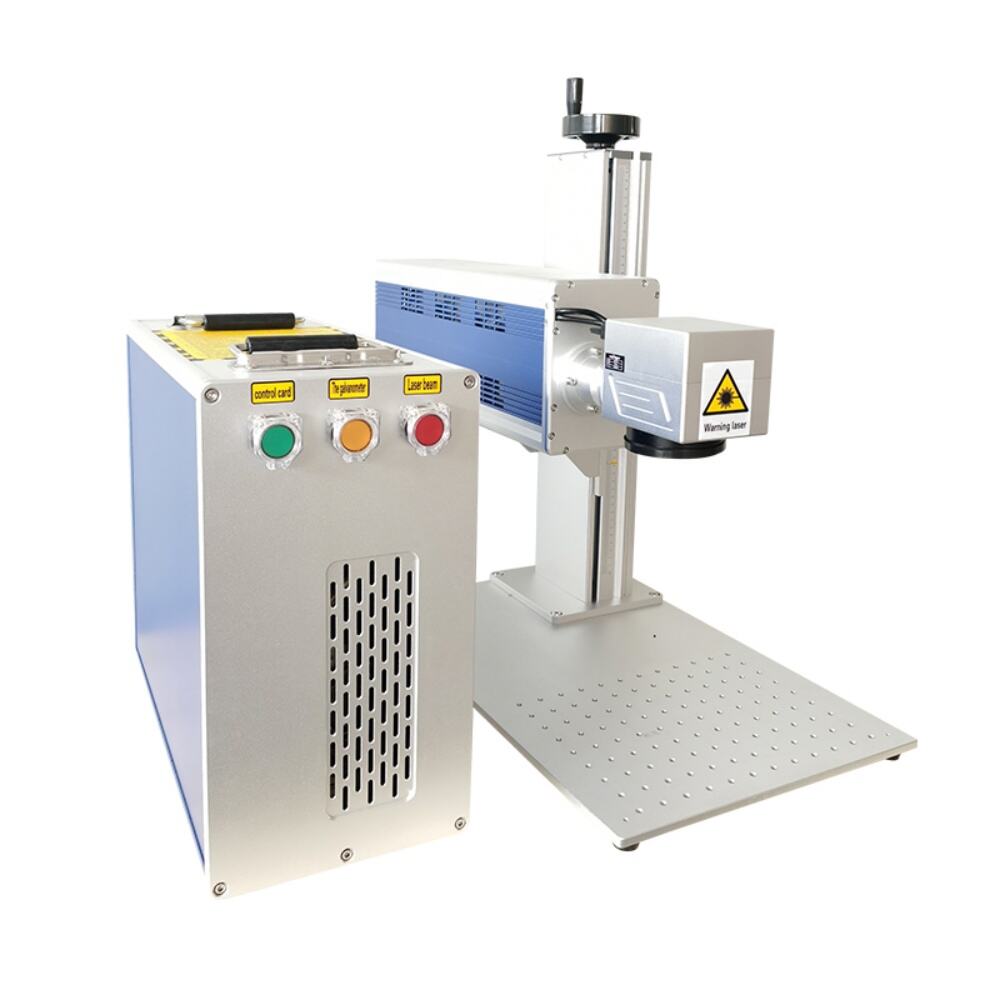
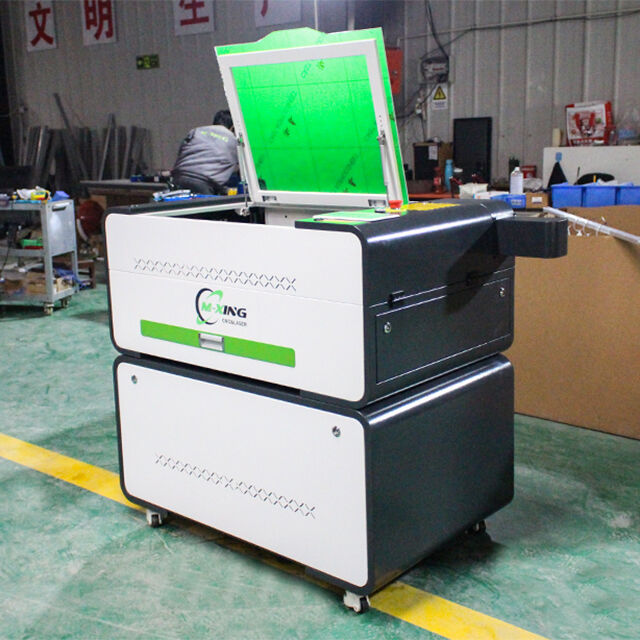
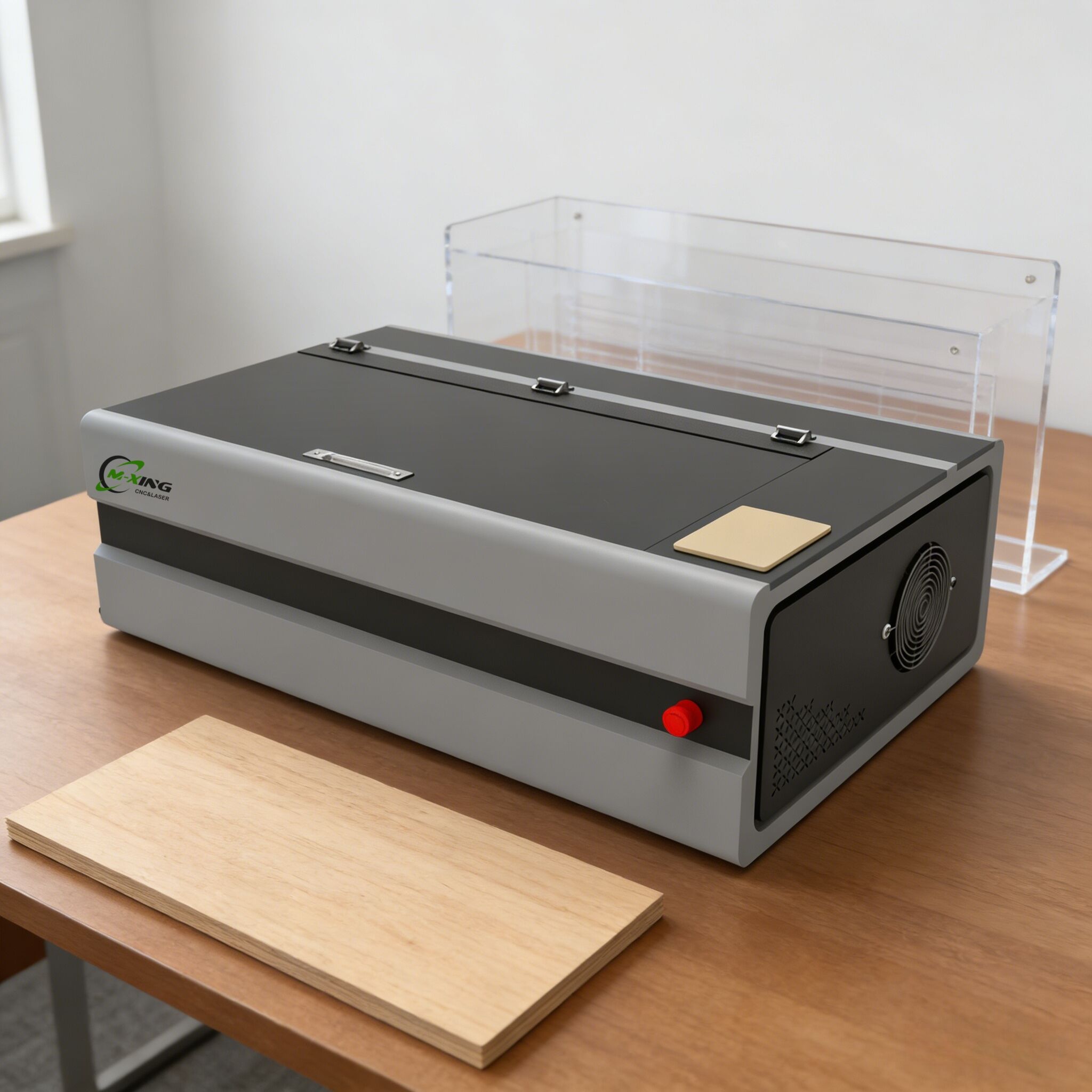
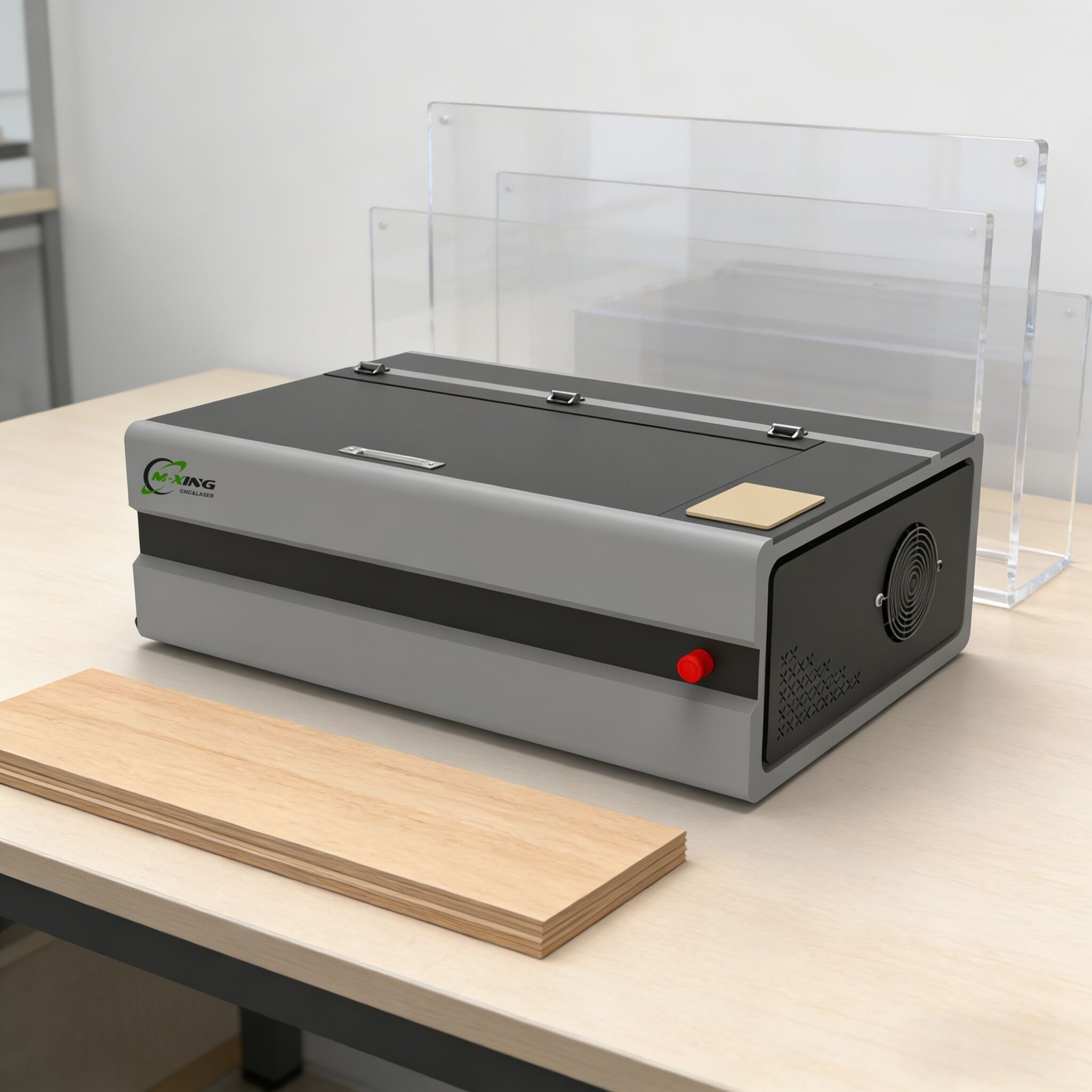
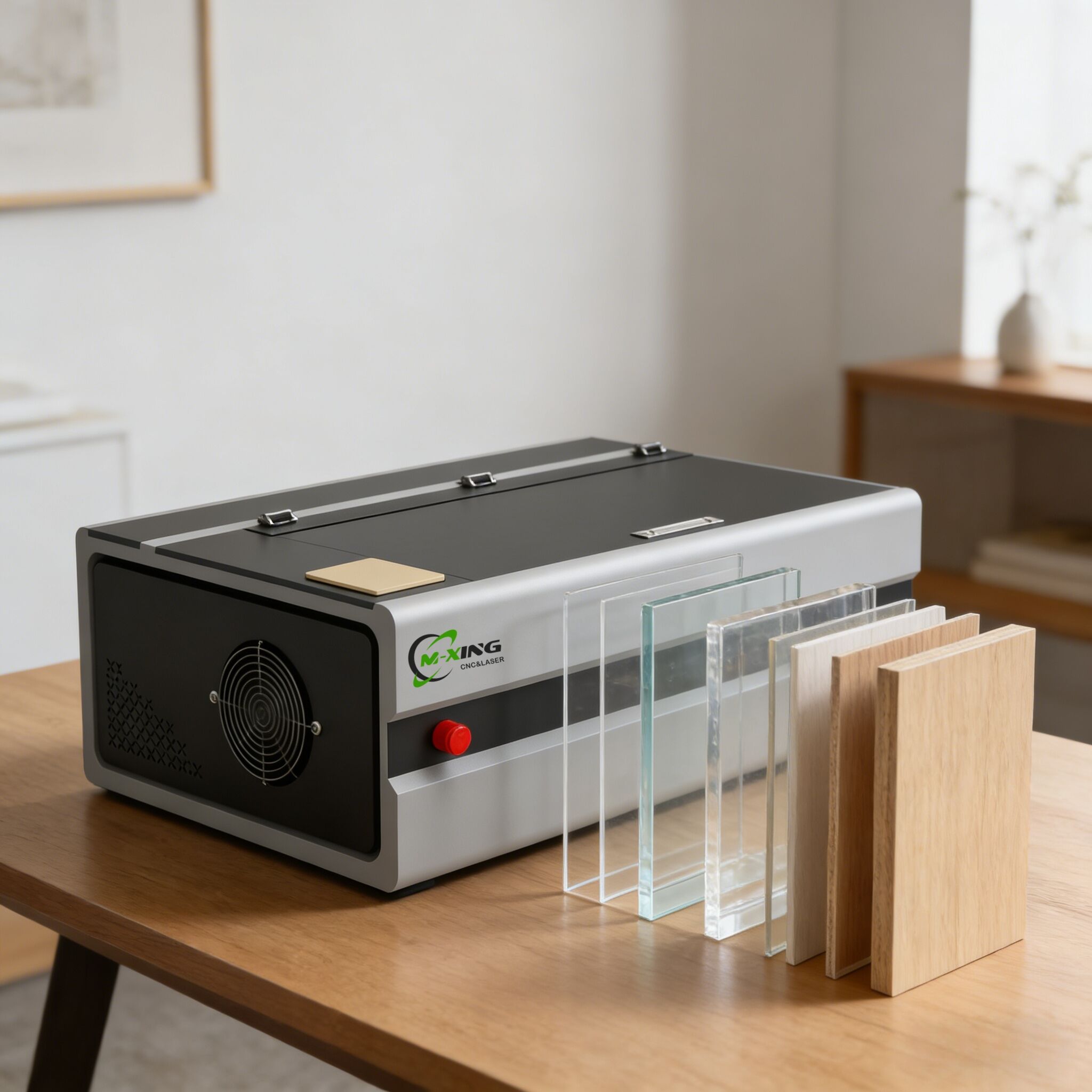
The material versatility of a small laser engraving machine represents one of its most valuable characteristics, enabling operators to work across an exceptionally broad range of substrates with a single device. This adaptability stems from the controllable nature of laser energy, which can be precisely adjusted for power, speed, and pulse characteristics to match the specific requirements of different materials. The versatility eliminates the need for multiple specialized tools and significantly reduces equipment investment requirements for businesses and workshops. Wood processing showcases the remarkable range of possibilities available with a small laser engraving machine. From delicate paper-thin veneers to thick hardwood boards, the laser can engrave intricate details, cut precise shapes, and create textured surfaces. Different wood species respond uniquely to laser processing, creating opportunities for artistic effects and functional applications. Bamboo, cork, and other organic materials also process beautifully, opening opportunities in sustainable product manufacturing. Plastic and acrylic materials demonstrate another dimension of versatility. The small laser engraving machine can cut, engrave, and etch these materials with exceptional edge quality and detail precision. Clear acrylic pieces can be edge-lit after laser cutting, creating illuminated signs and display elements. The ability to process various plastic types enables rapid prototyping and custom manufacturing applications across numerous industries. Metal processing capabilities vary by laser type, but many small laser engraving machines can mark, etch, and even cut thin metal sheets. Stainless steel, aluminum, brass, and titanium all respond well to laser processing, enabling applications in jewelry making, industrial marking, and decorative metalwork. The permanent marking capability proves essential for compliance labeling and traceability requirements. Fabric and leather processing opens creative opportunities in fashion, upholstery, and craft applications. The laser can cut intricate lace patterns, create decorative perforations, and engrave detailed designs without fraying edges. This capability enables small-scale fashion production and custom textile manufacturing that would be cost-prohibitive with traditional methods. The value of this versatility extends beyond individual material capabilities to the business flexibility it provides. A single small laser engraving machine can serve customers across multiple industries and applications, maximizing revenue opportunities and minimizing equipment investment requirements.
 EN
EN