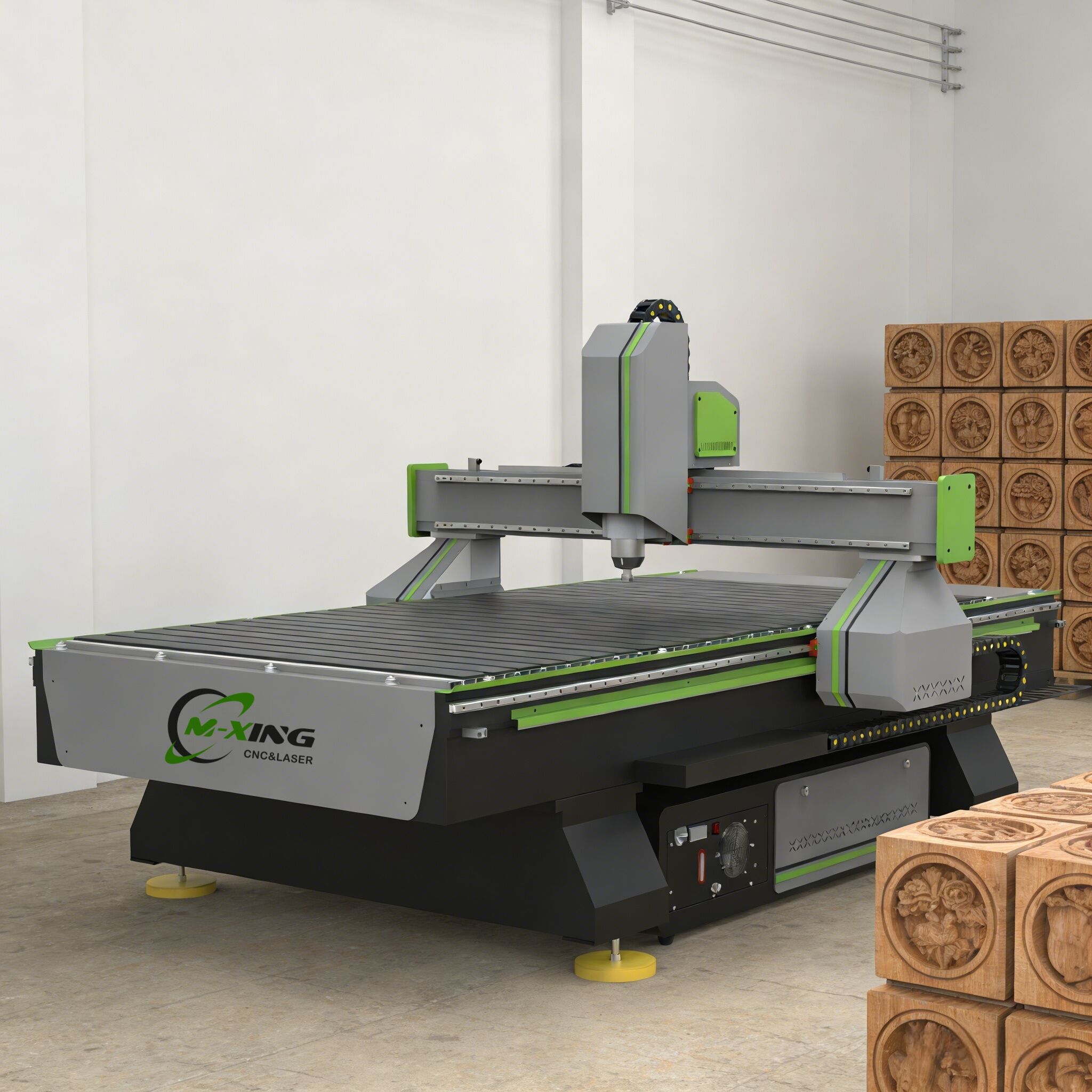
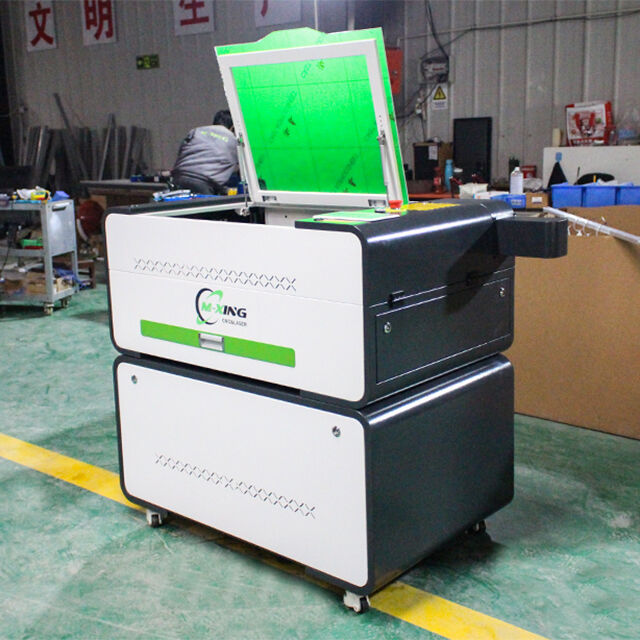
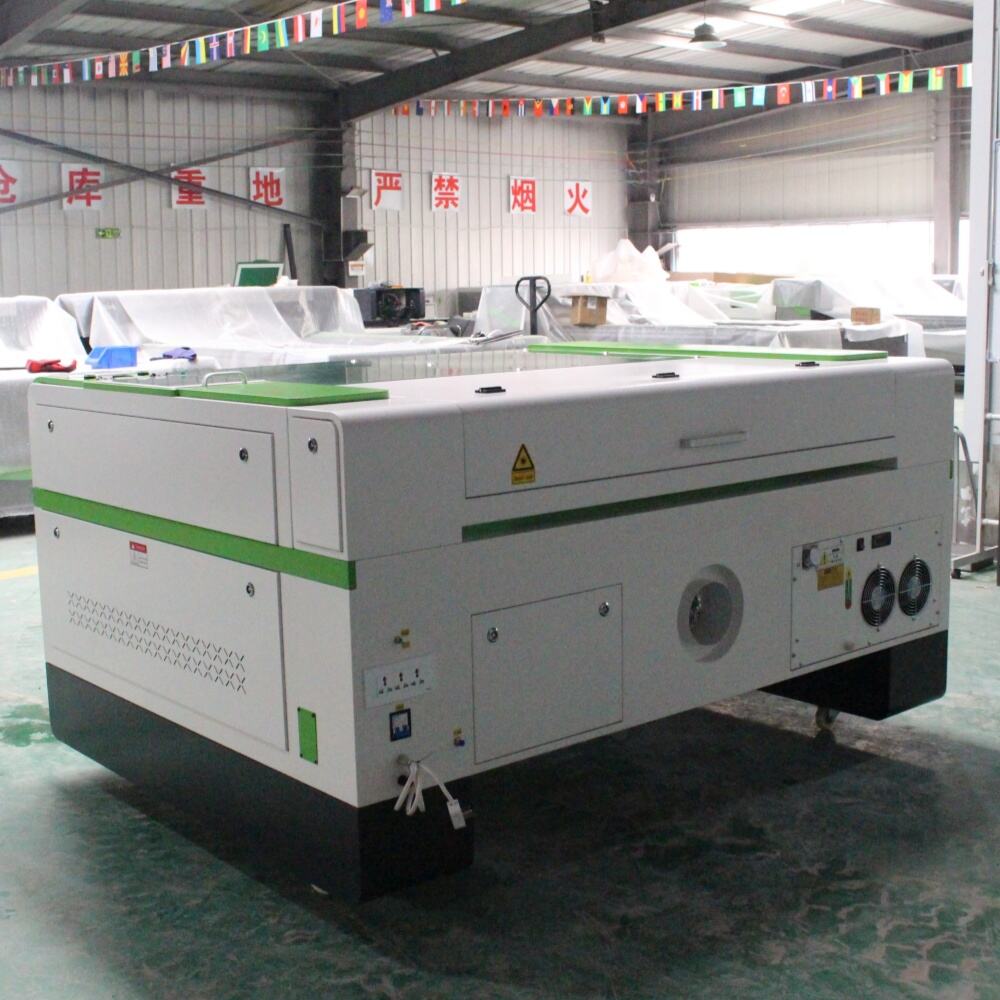
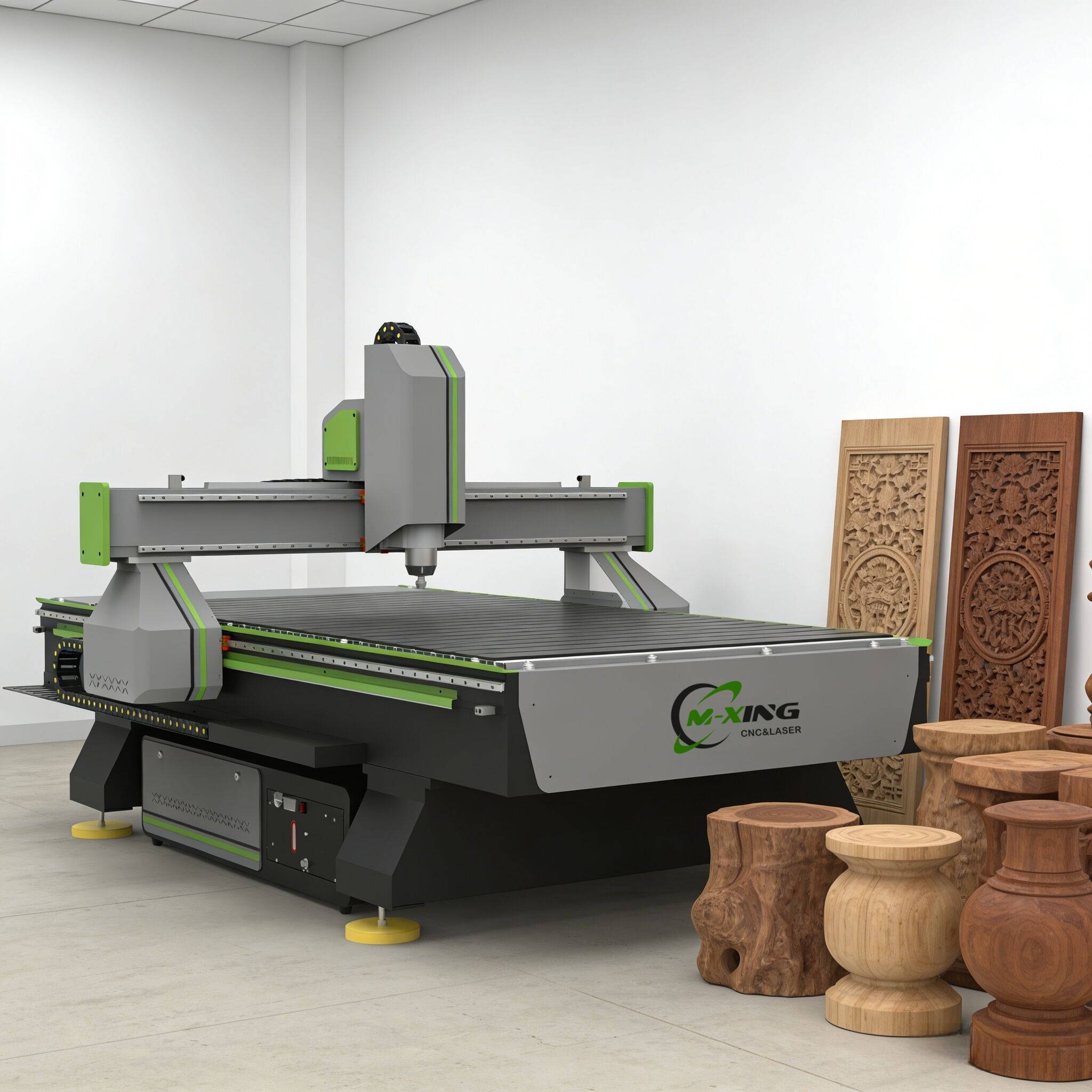
Exceptional Material Versatility and Adaptability
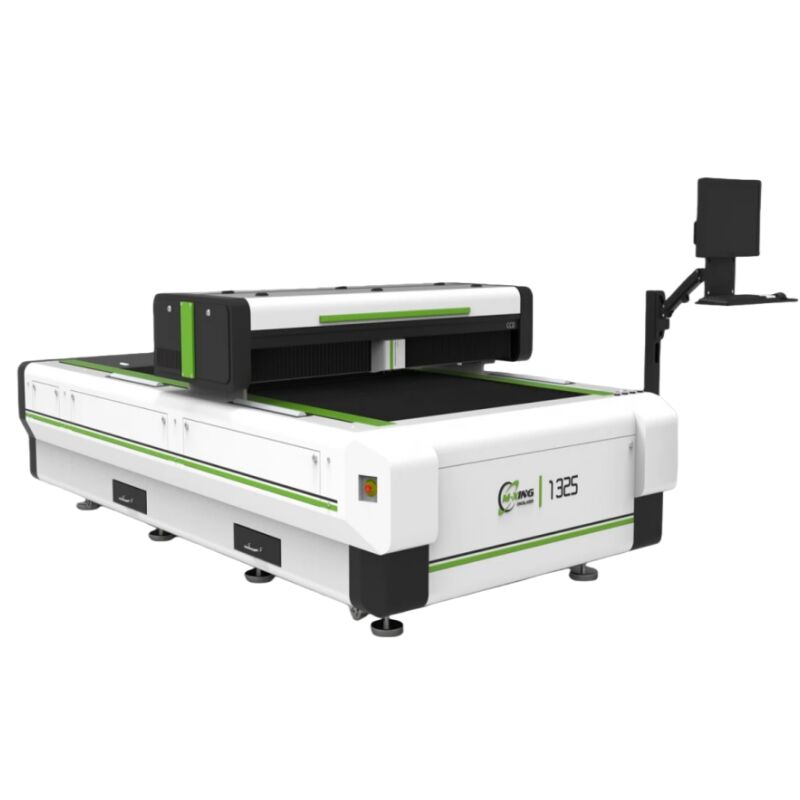
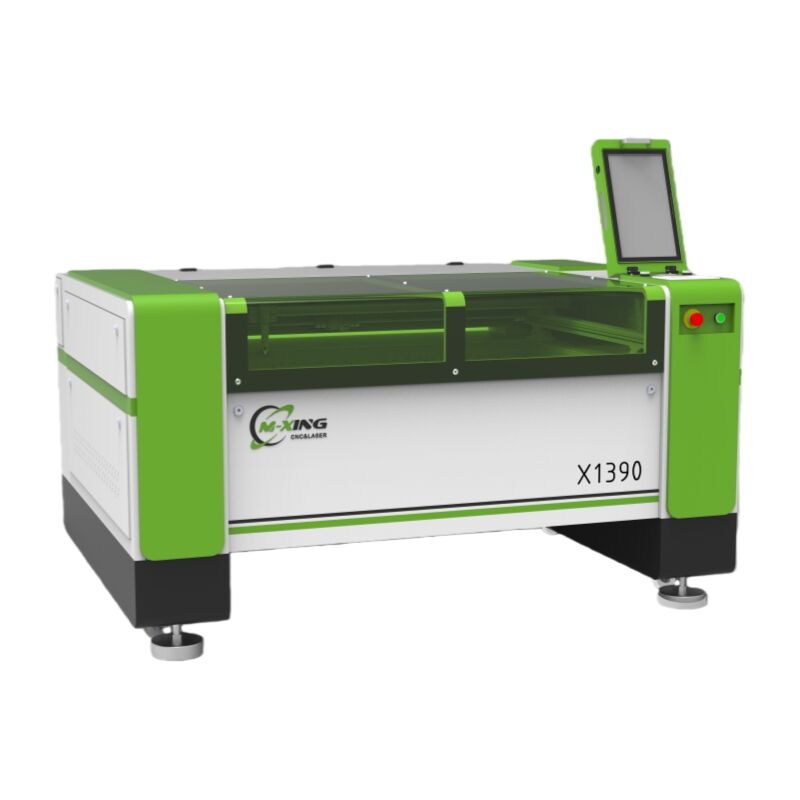
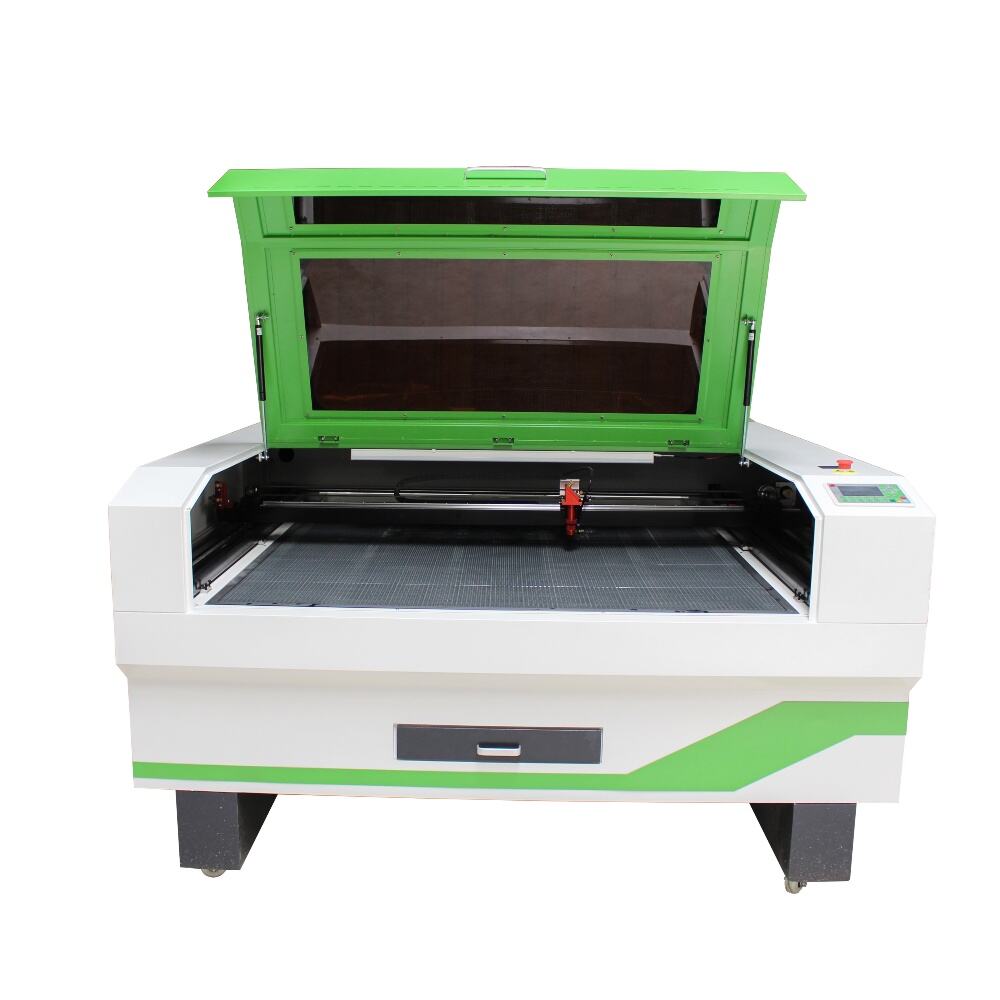
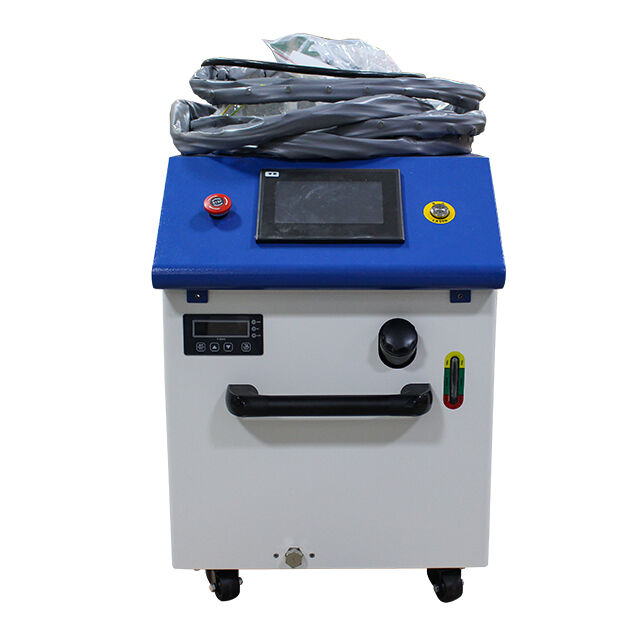
The infrared laser engraver demonstrates remarkable adaptability across an extensive range of materials, making it an invaluable asset for diverse manufacturing environments and creative applications. This versatility eliminates the need for multiple specialized engraving systems, consolidating operations while reducing equipment costs and floor space requirements. The infrared laser engraver processes metals including stainless steel, aluminum, titanium, and precious alloys with equal effectiveness, adjusting power parameters automatically to achieve optimal results on each substrate. Polymer materials respond exceptionally well to infrared laser engraver technology, allowing precise marking on plastics, rubber compounds, and composite materials without causing thermal damage or dimensional changes. Glass and ceramic processing capabilities expand application possibilities into decorative arts, electronic components, and laboratory equipment marking where chemical etching methods prove impractical or environmentally problematic. The infrared laser engraver adapts to varying material thicknesses and surface conditions through sophisticated sensor systems that detect substrate properties and optimize processing parameters accordingly. This adaptability extends to textured surfaces, coated materials, and multi-layer constructions that challenge conventional engraving technologies. Organic materials including wood, leather, and paper benefit from the precise thermal control offered by the infrared laser engraver, enabling detailed artistic work without scorching or excessive carbonization. The technology accommodates both marking applications that preserve material integrity and deeper engraving operations that remove significant material volumes for functional purposes. Advanced infrared laser engraver systems feature material libraries containing optimized settings for hundreds of common substrates, streamlining setup procedures and ensuring consistent results across different batches and suppliers. Flexibility extends to marking geometries, as the infrared laser engraver successfully processes flat sheets, cylindrical components, irregularly shaped objects, and assemblies with complex three-dimensional profiles. This geometric versatility proves essential for automotive, aerospace, and consumer electronics applications where components feature varied shapes and accessibility constraints that limit traditional engraving approaches.
 EN
EN