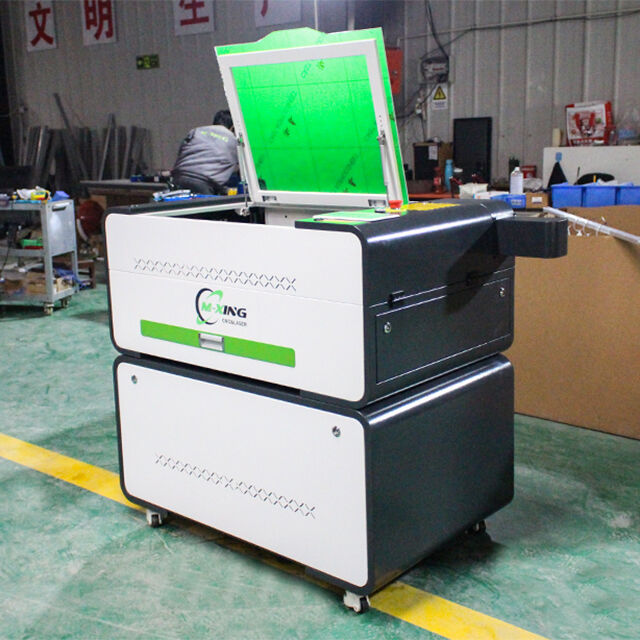
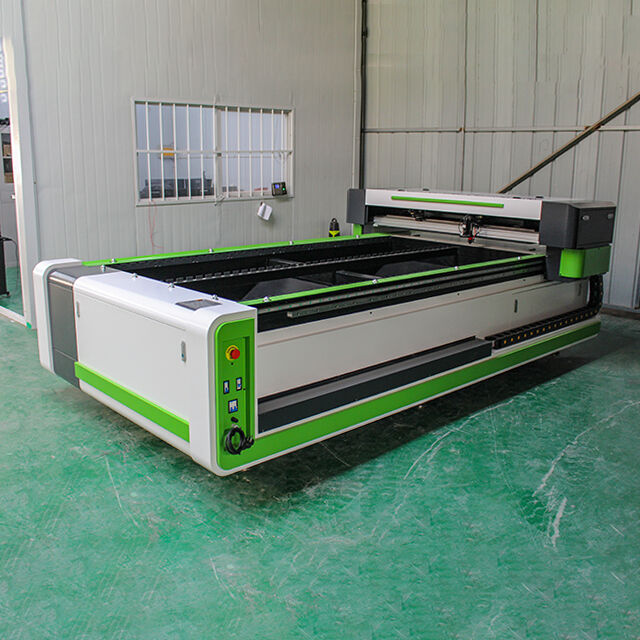
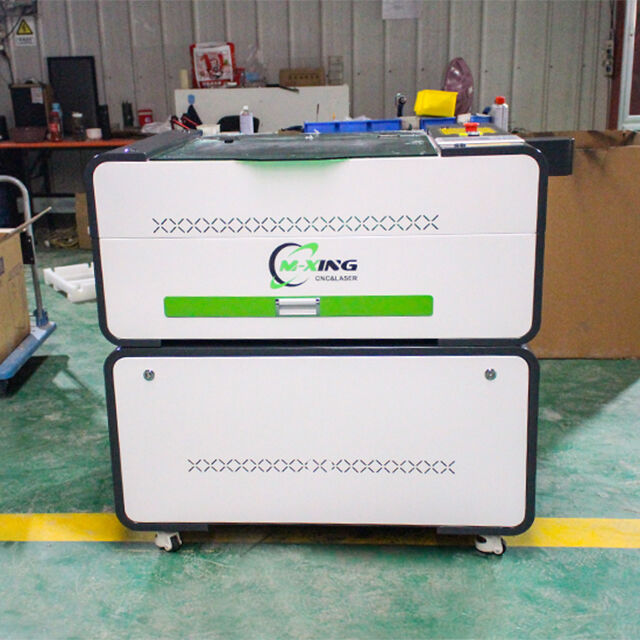
co2 laser glass cutting
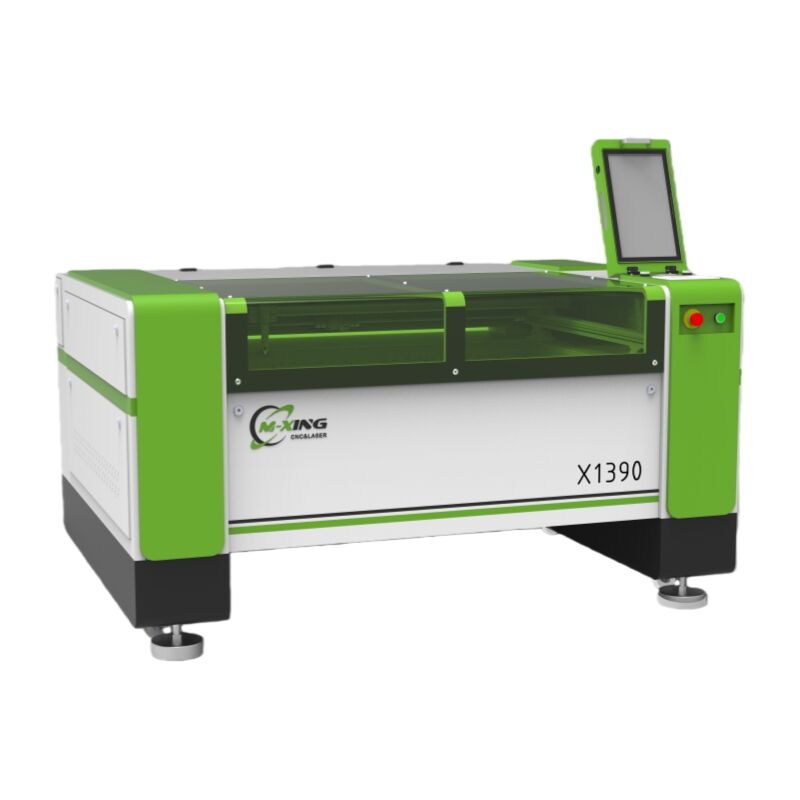
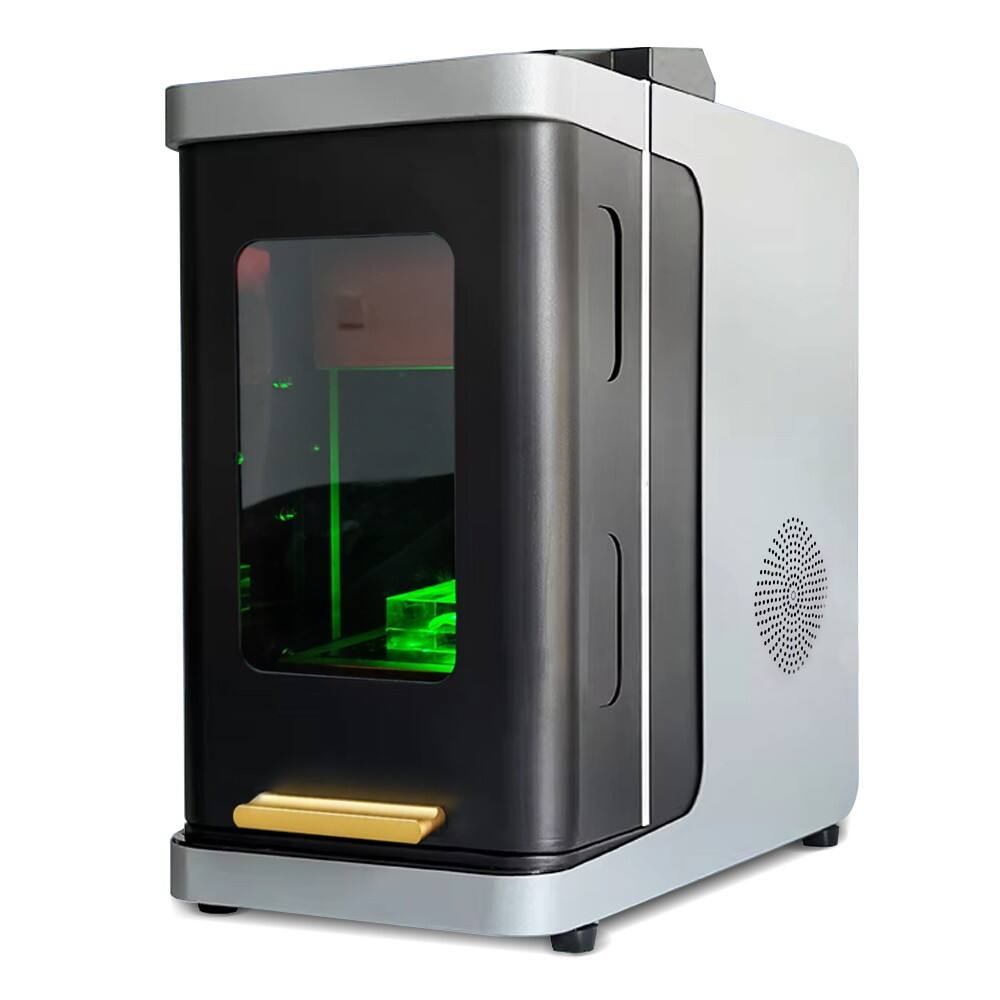
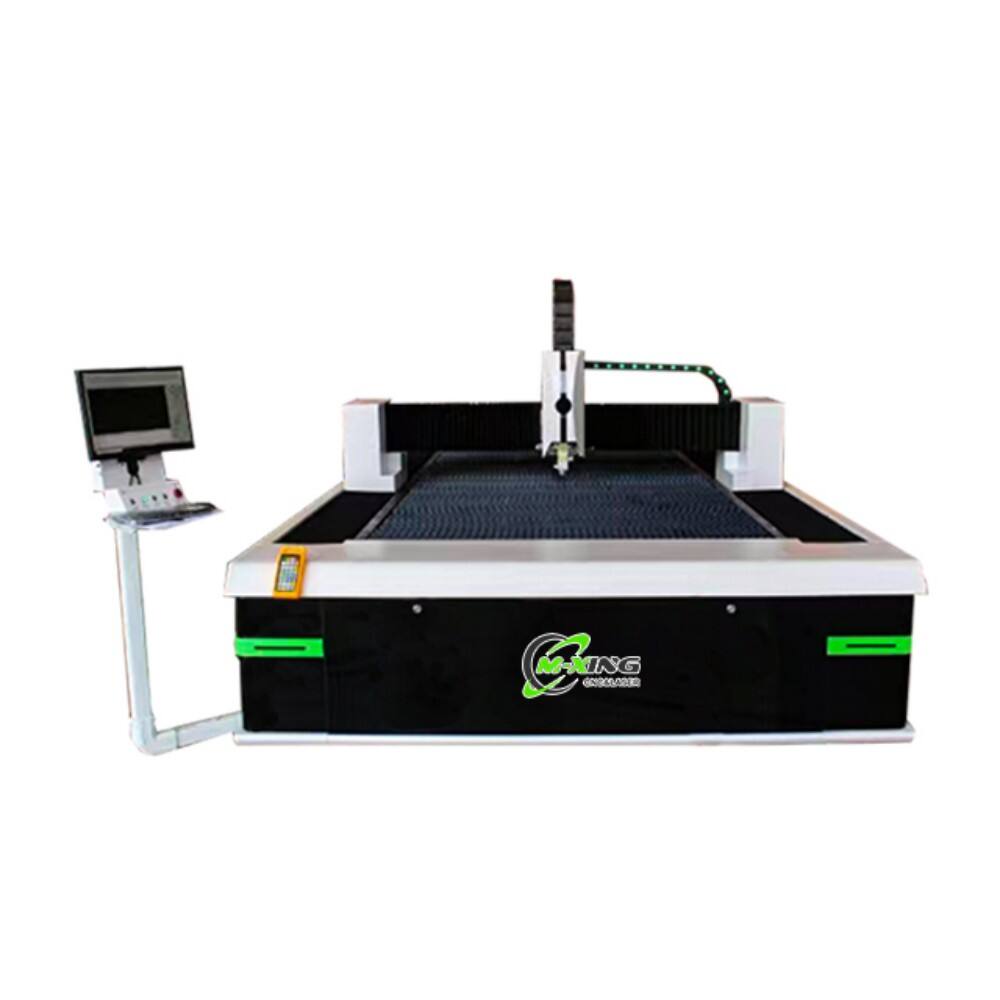
CO2 laser glass cutting represents a revolutionary manufacturing technology that utilizes high-powered carbon dioxide lasers to precisely cut, engrave, and shape glass materials with exceptional accuracy. This advanced cutting method employs a focused laser beam generated by exciting CO2 gas molecules, creating an intense heat source that can reach temperatures exceeding 10,000 degrees Celsius. The CO2 laser glass cutting process operates by directing this concentrated beam onto the glass surface, where it rapidly heats and vaporizes the material along predetermined cutting paths. The technology's main functions encompass straight-line cutting, complex curve cutting, hole drilling, edge polishing, and surface engraving on various glass types including tempered glass, borosilicate glass, quartz glass, and standard float glass. Key technological features of CO2 laser glass cutting include computer numerical control (CNC) integration, enabling automated precision cutting with tolerances as tight as ±0.1mm. The system incorporates advanced beam focusing optics, real-time power modulation, and sophisticated motion control systems that ensure consistent cut quality across different glass thicknesses ranging from 0.5mm to 25mm. The cutting speed can be precisely adjusted from 1mm/minute for intricate detailed work to 15,000mm/minute for high-volume production runs. Applications span numerous industries including automotive manufacturing for windshield and window production, electronics sector for display panels and optical components, architectural glass fabrication for decorative panels and structural elements, medical device manufacturing for laboratory equipment and diagnostic instruments, and aerospace industry for specialized optical systems. The CO2 laser glass cutting technology also finds extensive use in artistic glass creation, custom signage production, furniture manufacturing with glass components, and solar panel fabrication where precise cutting of photovoltaic glass is essential for optimal energy conversion efficiency.

 EN
EN