co2 laser metal engraving
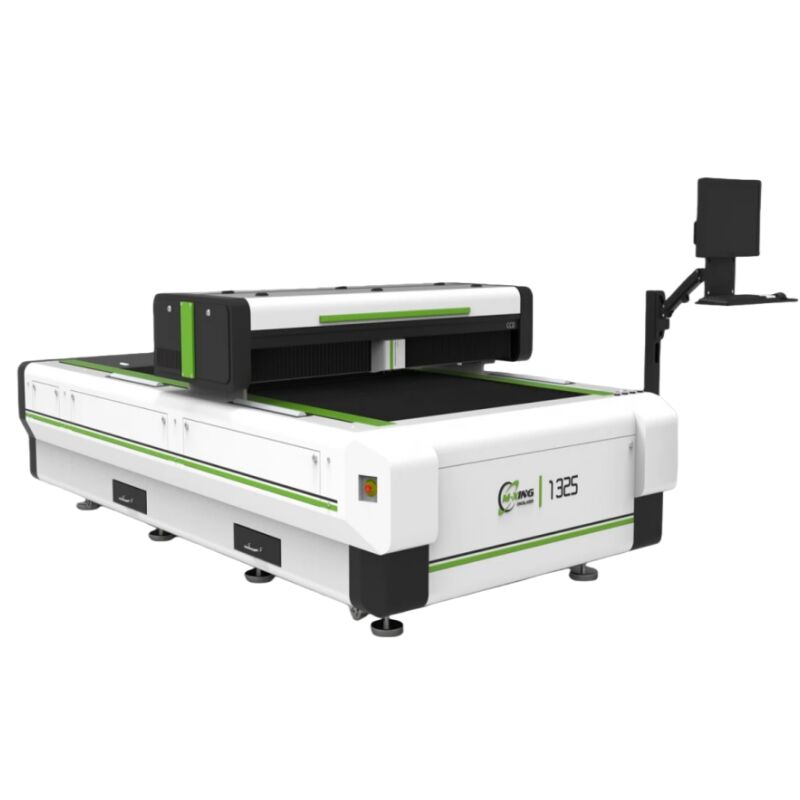
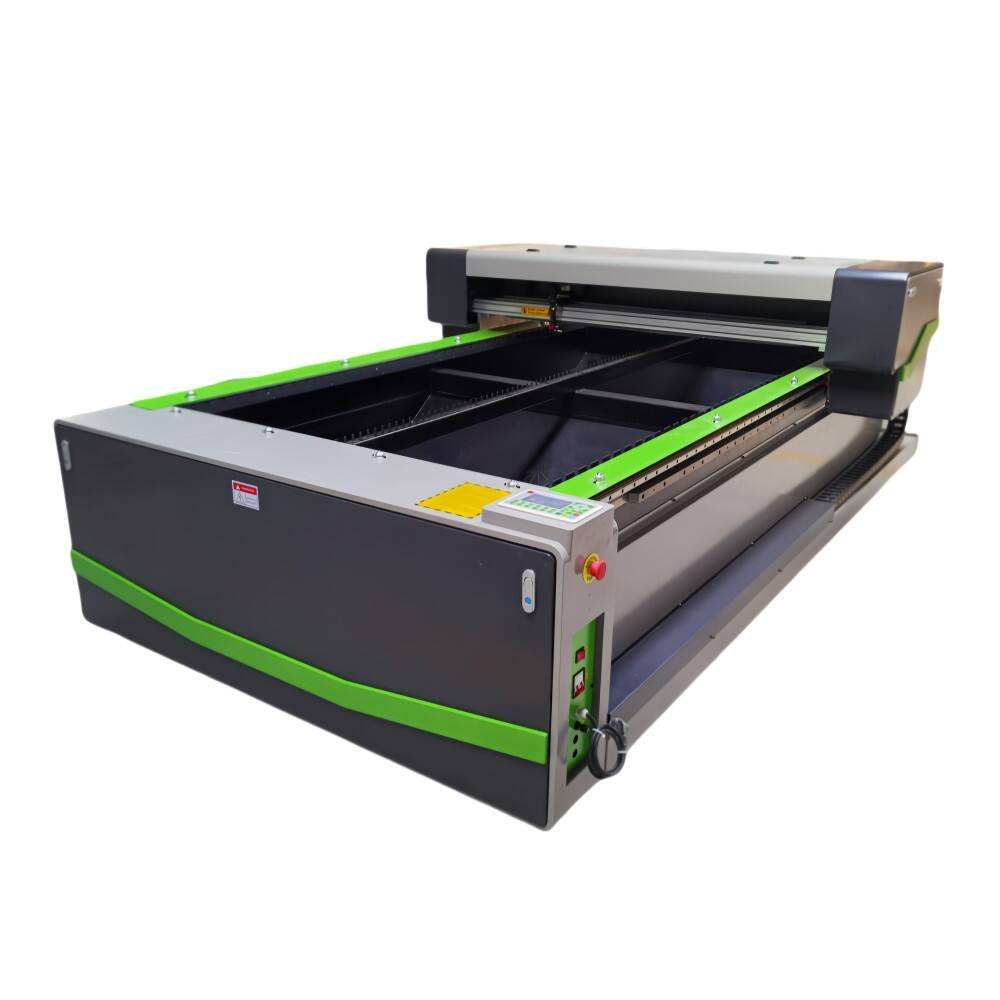
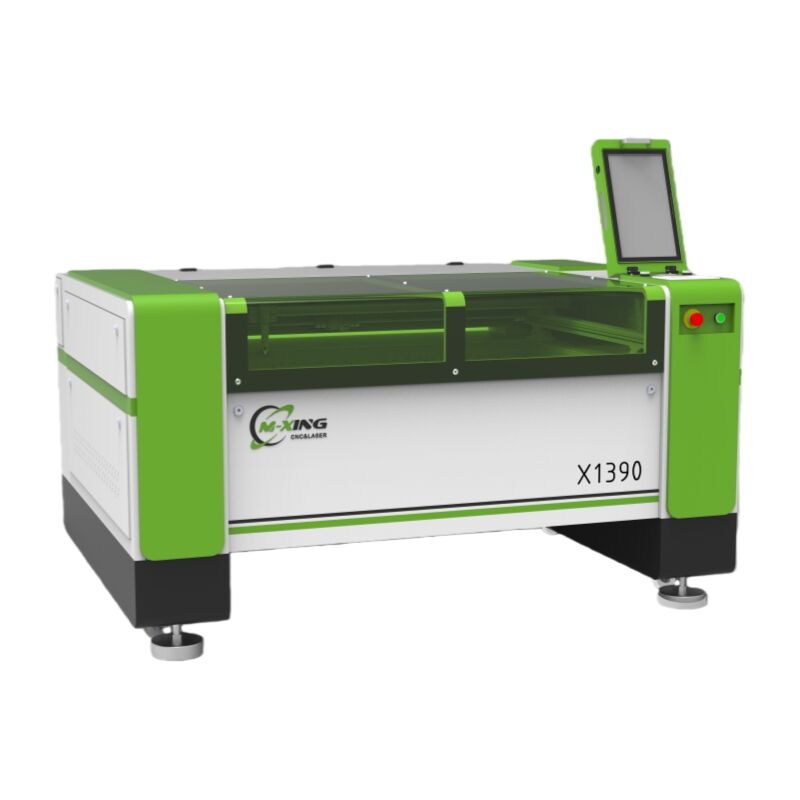
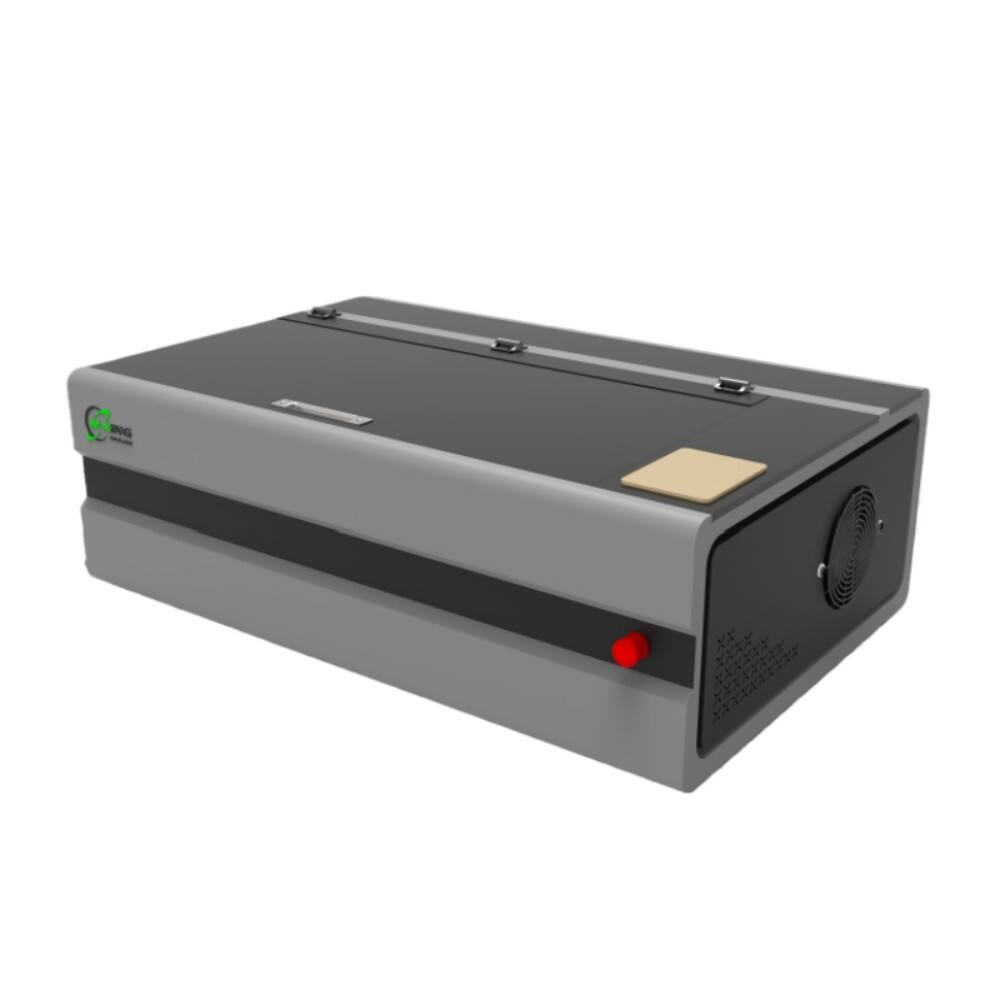
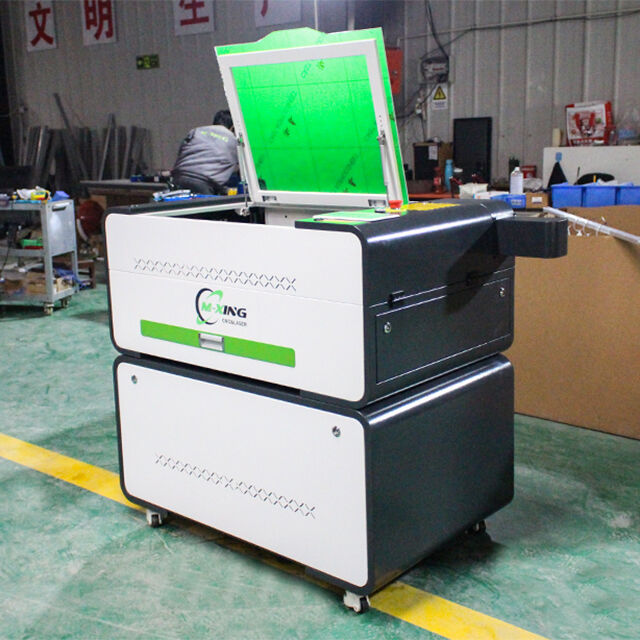
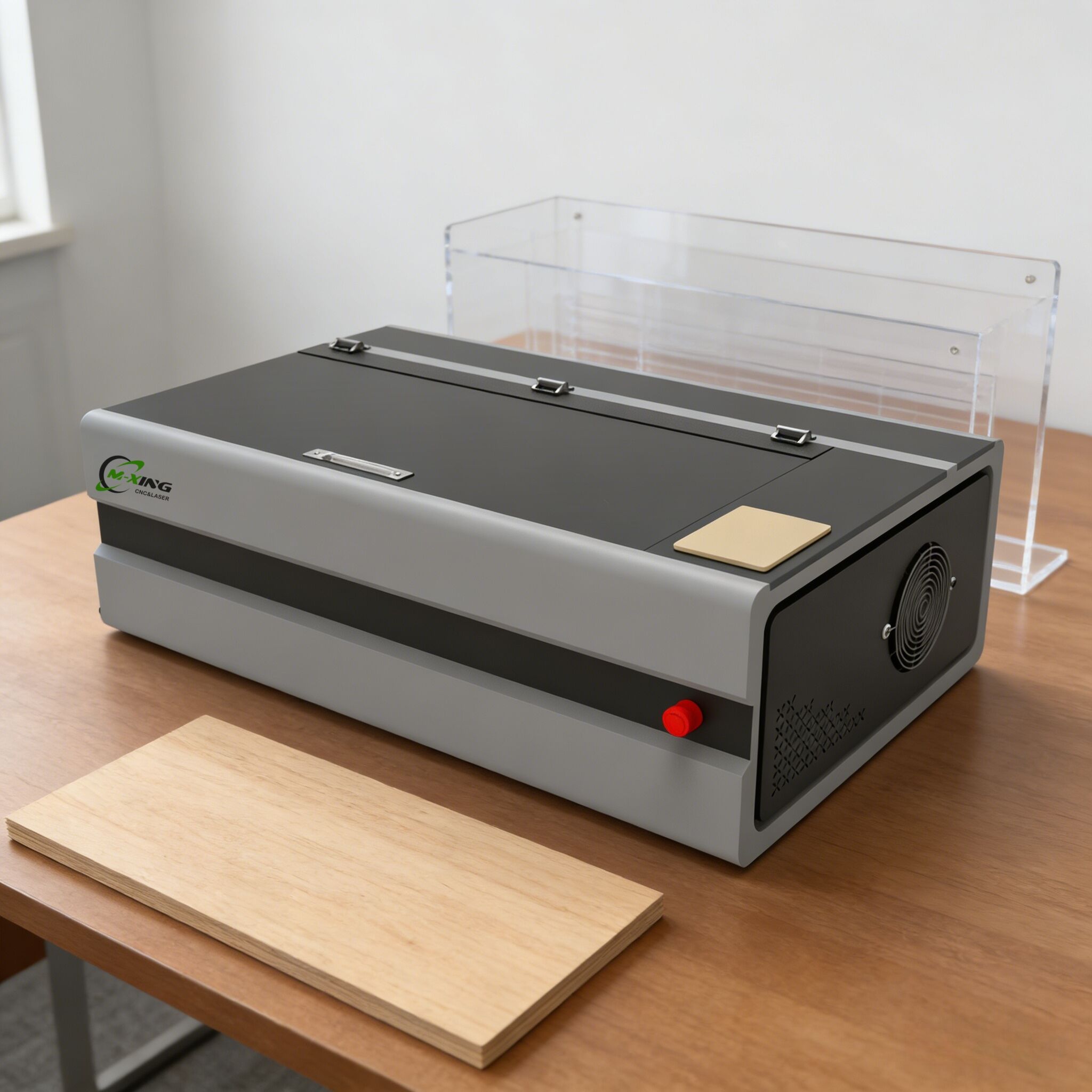
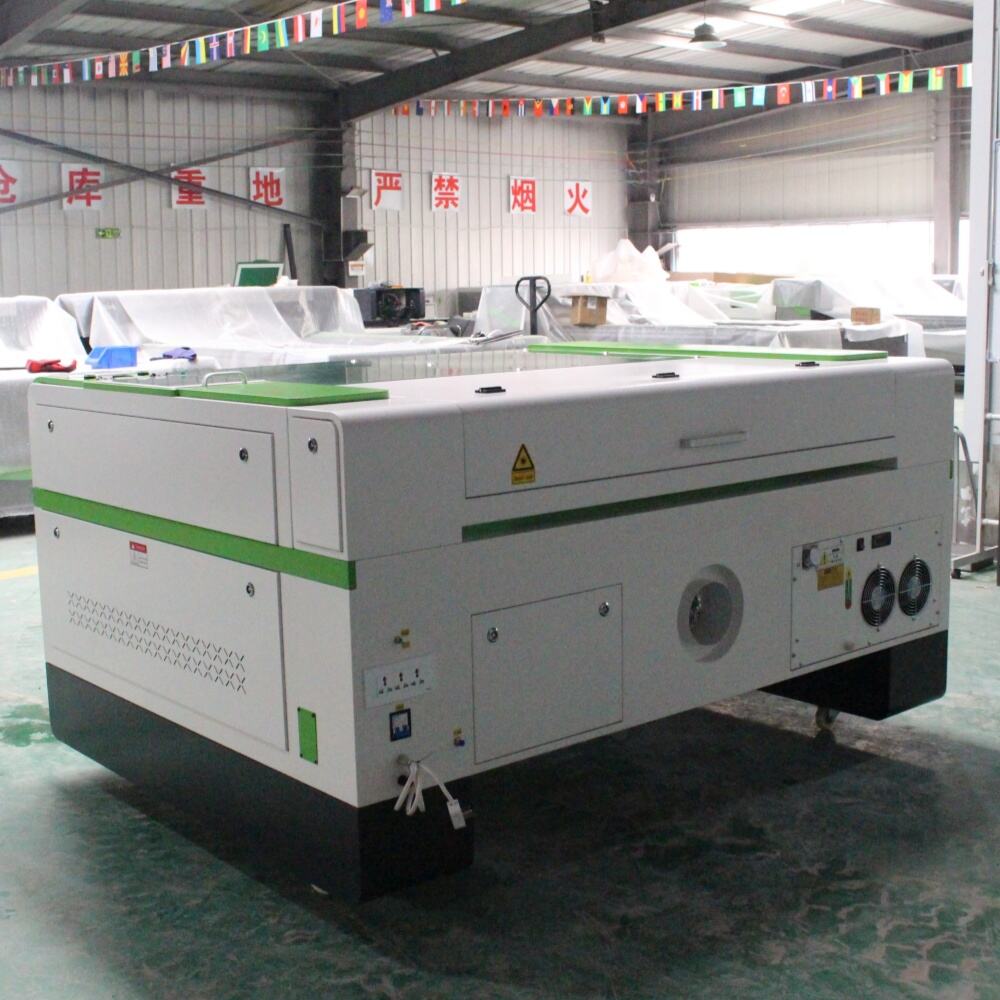
CO2 laser metal engraving represents a cutting-edge manufacturing technology that utilizes carbon dioxide laser systems to create precise markings, patterns, and designs on various metal surfaces. This advanced process employs a high-powered laser beam generated by exciting CO2 gas molecules within a sealed tube, producing infrared radiation at 10.6 micrometers wavelength. The CO2 laser metal engraving system directs this concentrated energy onto metal substrates, causing localized heating that removes material or alters surface properties to create permanent engravings. The technology operates through computer-controlled mechanisms that ensure exceptional accuracy and repeatability in every application. Modern CO2 laser metal engraving machines feature sophisticated beam delivery systems, including mirrors and focusing lenses that concentrate the laser energy into extremely small spots, typically ranging from 0.1 to 0.5 millimeters in diameter. This precision enables operators to achieve intricate details and fine text that would be impossible with traditional engraving methods. The process works effectively on numerous metal types, including stainless steel, aluminum, titanium, brass, copper, and various alloys. CO2 laser metal engraving finds extensive applications across multiple industries, from automotive and aerospace manufacturing to jewelry production and medical device fabrication. The technology excels in creating serial numbers, barcodes, logos, decorative patterns, and complex geometric designs with consistent quality. Manufacturing facilities utilize CO2 laser metal engraving for product identification, traceability marking, and branding purposes. The non-contact nature of the process eliminates tool wear and reduces maintenance requirements compared to mechanical engraving alternatives. Additionally, CO2 laser metal engraving systems can process materials of varying thicknesses and shapes, accommodating flat sheets, curved surfaces, and three-dimensional objects with equal effectiveness, making this technology an indispensable tool for modern metalworking operations.
 EN
EN