Unmatched Precision and Edge Quality
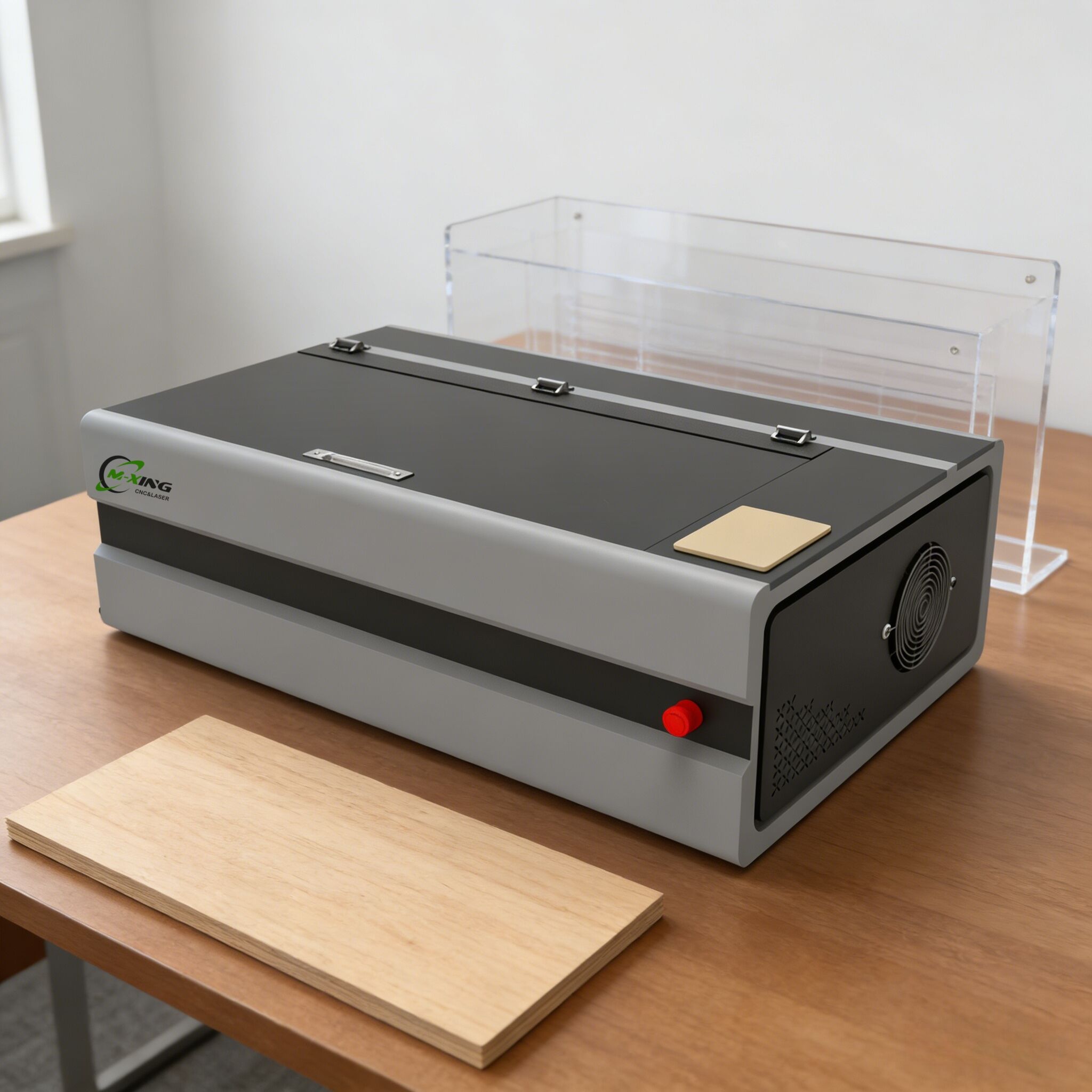
The precision capabilities of laser cut transparent acrylic represent a quantum leap in manufacturing accuracy, delivering tolerances that consistently meet the most demanding specifications across diverse industries. This exceptional precision stems from the computer-controlled laser systems that follow digital design files with microscopic accuracy, ensuring that every cut, curve, and angle matches the original design intent perfectly. The laser beam's focused energy creates cuts with tolerances as tight as 0.05mm, enabling the production of components that fit together seamlessly without gaps or interference issues. This level of accuracy proves particularly valuable in applications requiring multiple components to work together, such as display cases, architectural installations, and precision instruments. The edge quality achieved through laser cutting surpasses all traditional methods, as the laser beam simultaneously cuts and polishes the material, creating flame-polished edges that exhibit glass-like clarity and smoothness. These polished edges eliminate the need for secondary operations such as sanding, routing, or flame polishing, significantly reducing production time and labor costs while ensuring consistent quality. The absence of tool marks, scratches, or surface imperfections means that laser cut transparent acrylic components are ready for immediate use or assembly upon completion of the cutting process. This superior edge quality becomes particularly important in applications where the cut edges remain visible, such as retail displays, architectural elements, and decorative installations. The precision cutting capability extends to complex internal features, allowing for the creation of intricate patterns, precise mounting holes, and complex geometries that would be extremely difficult or impossible to achieve with conventional methods. The laser's ability to start and stop cuts at precise locations enables the production of components with multiple separate features in a single operation, reducing handling and setup time while maintaining positional accuracy between features. Furthermore, the digital nature of the cutting process ensures perfect repeatability across production runs, eliminating the variations that typically occur with manual or mechanically guided cutting methods.
 EN
EN