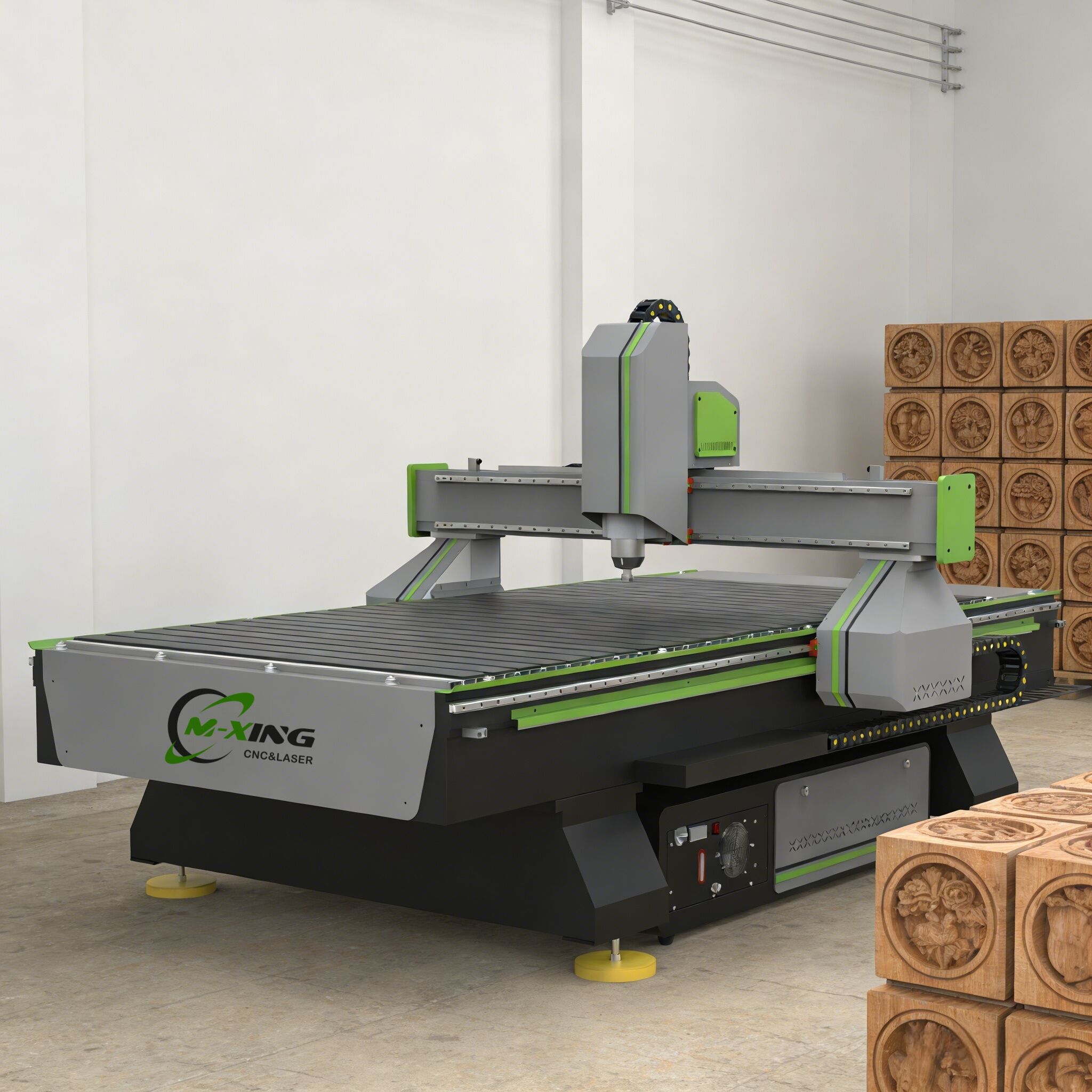
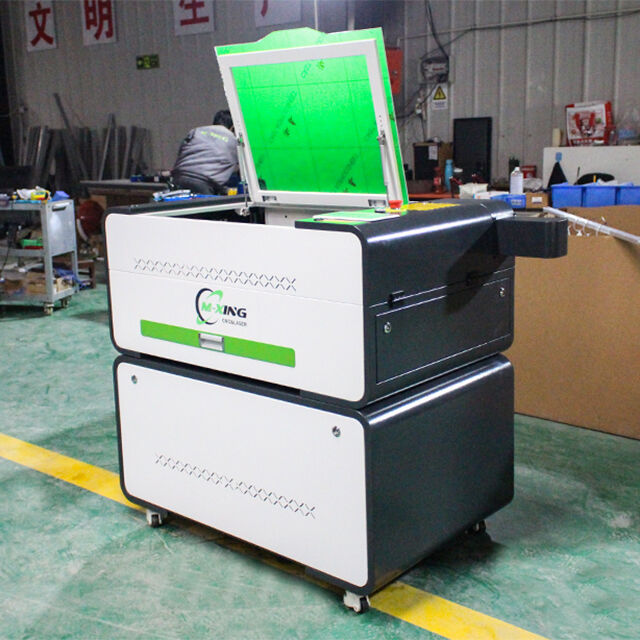
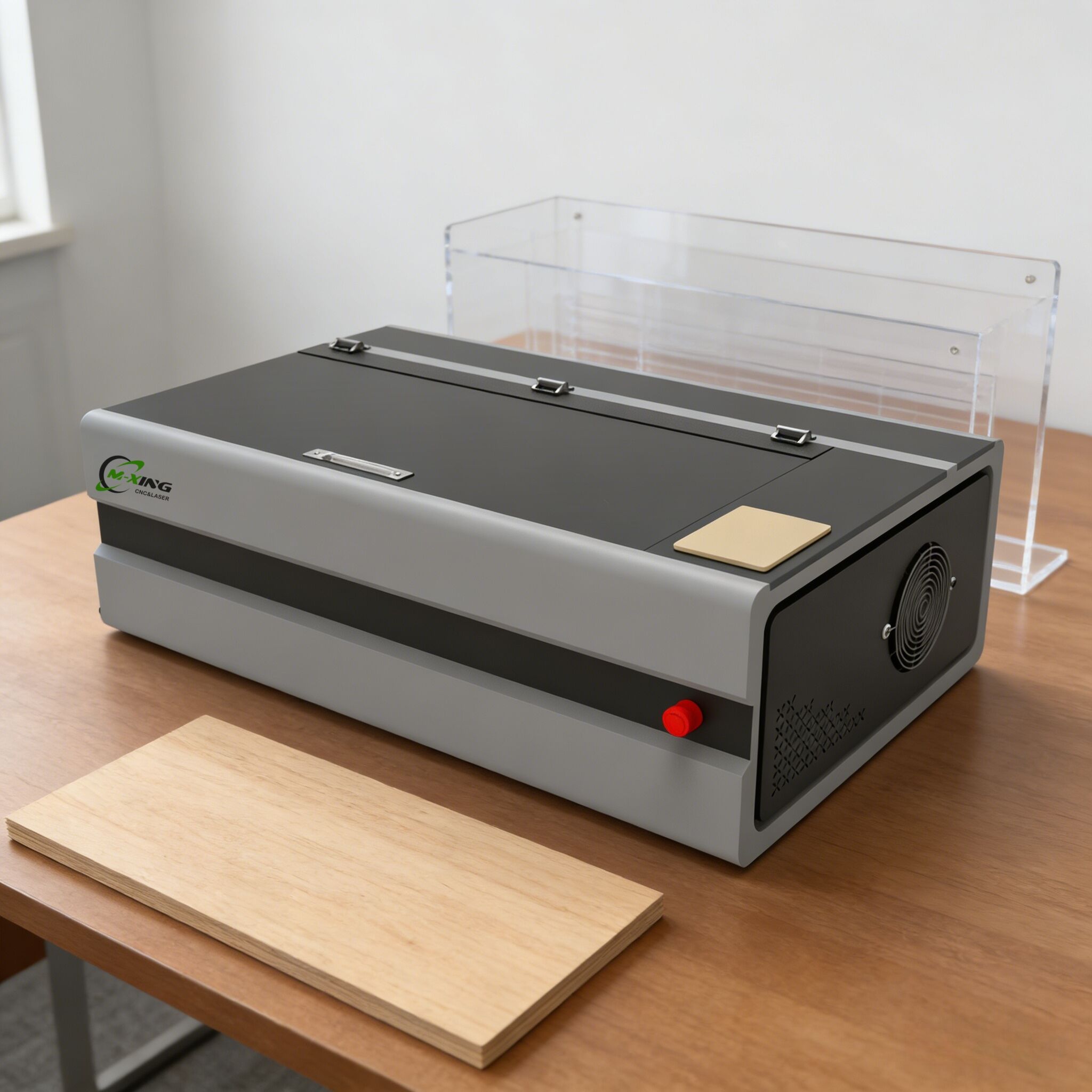
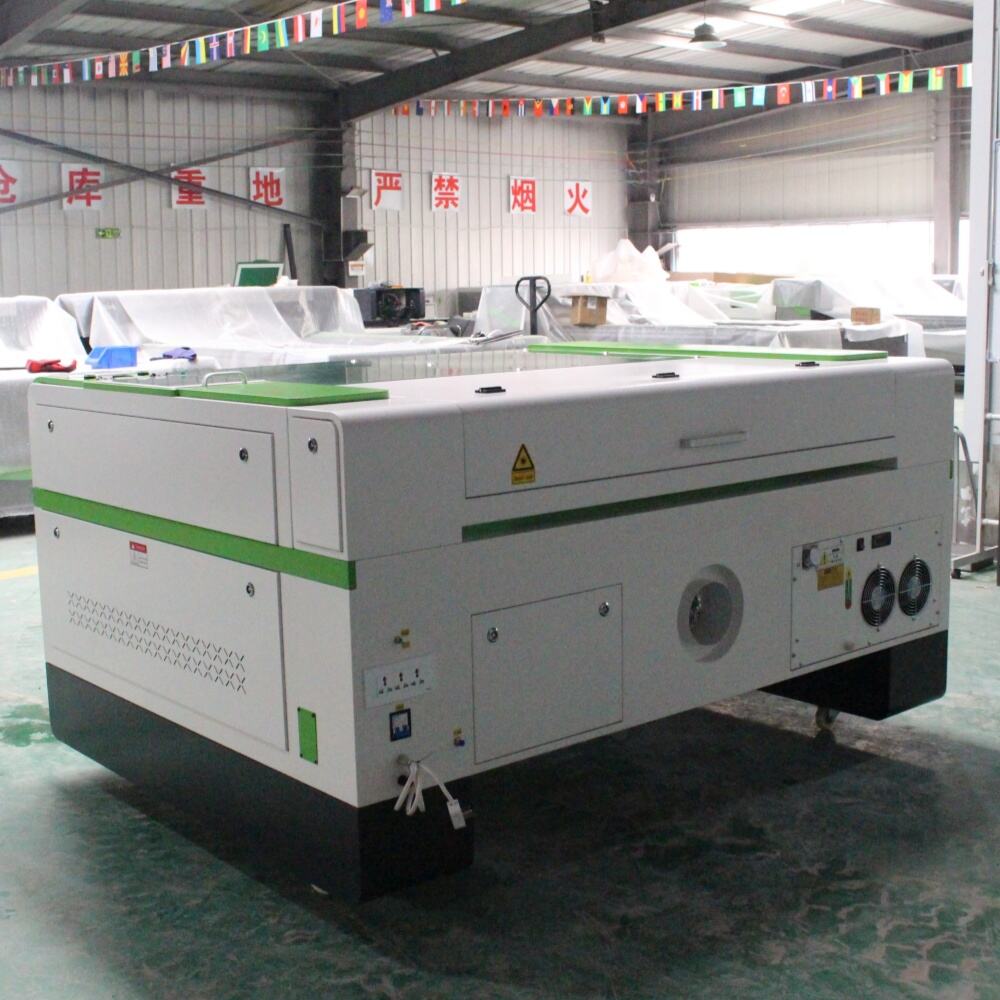
co2 laser cutting acrylic
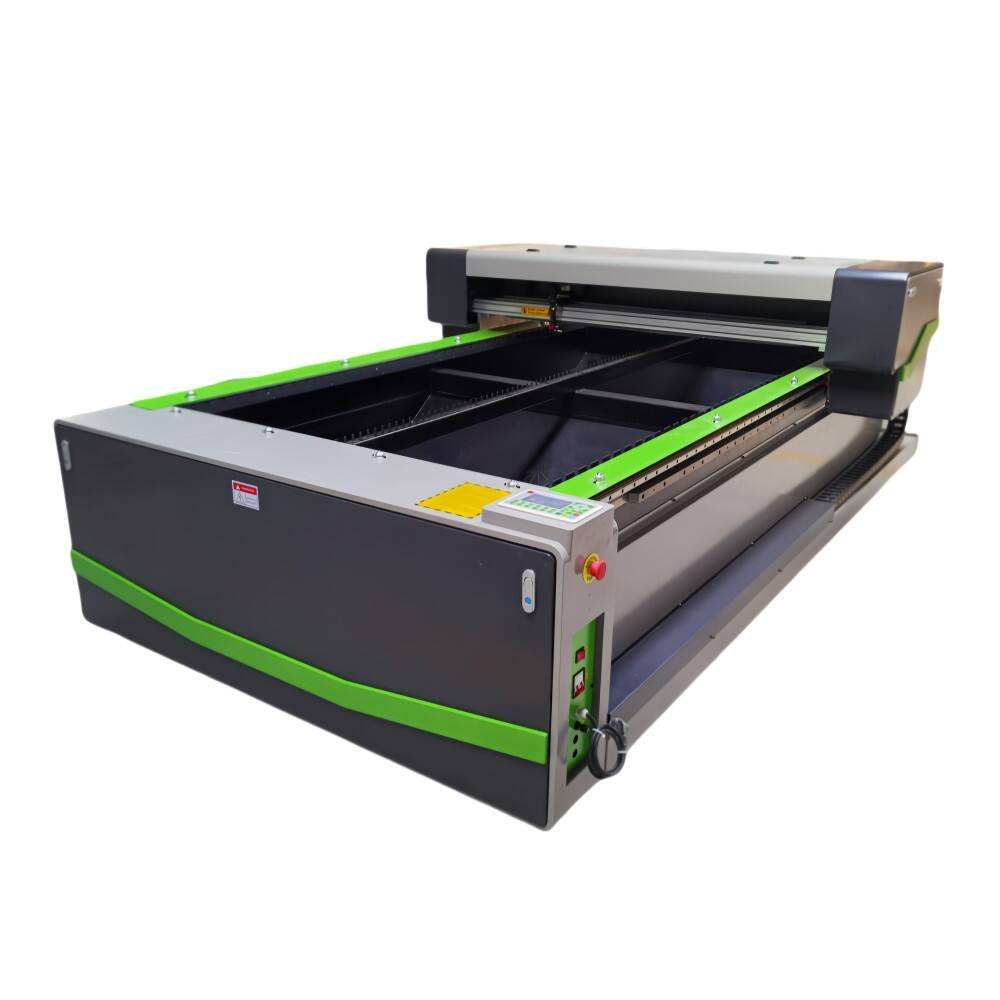
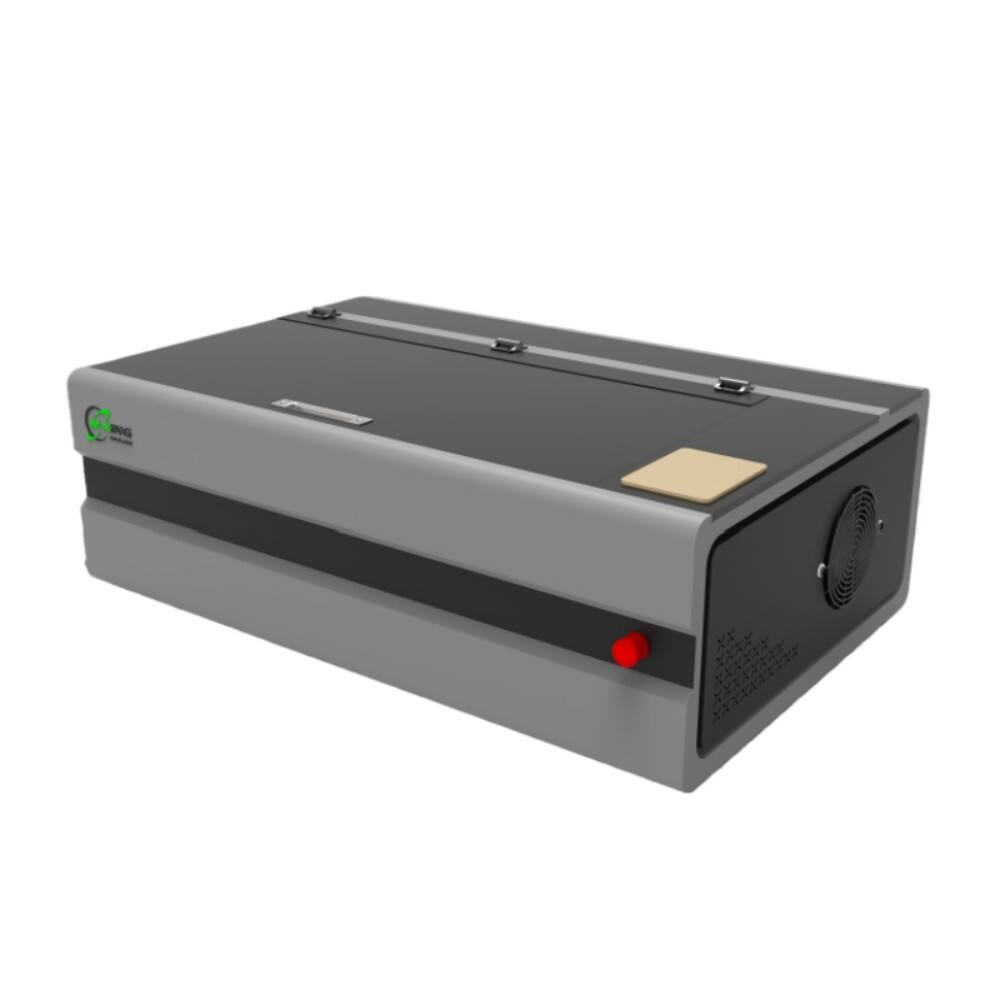
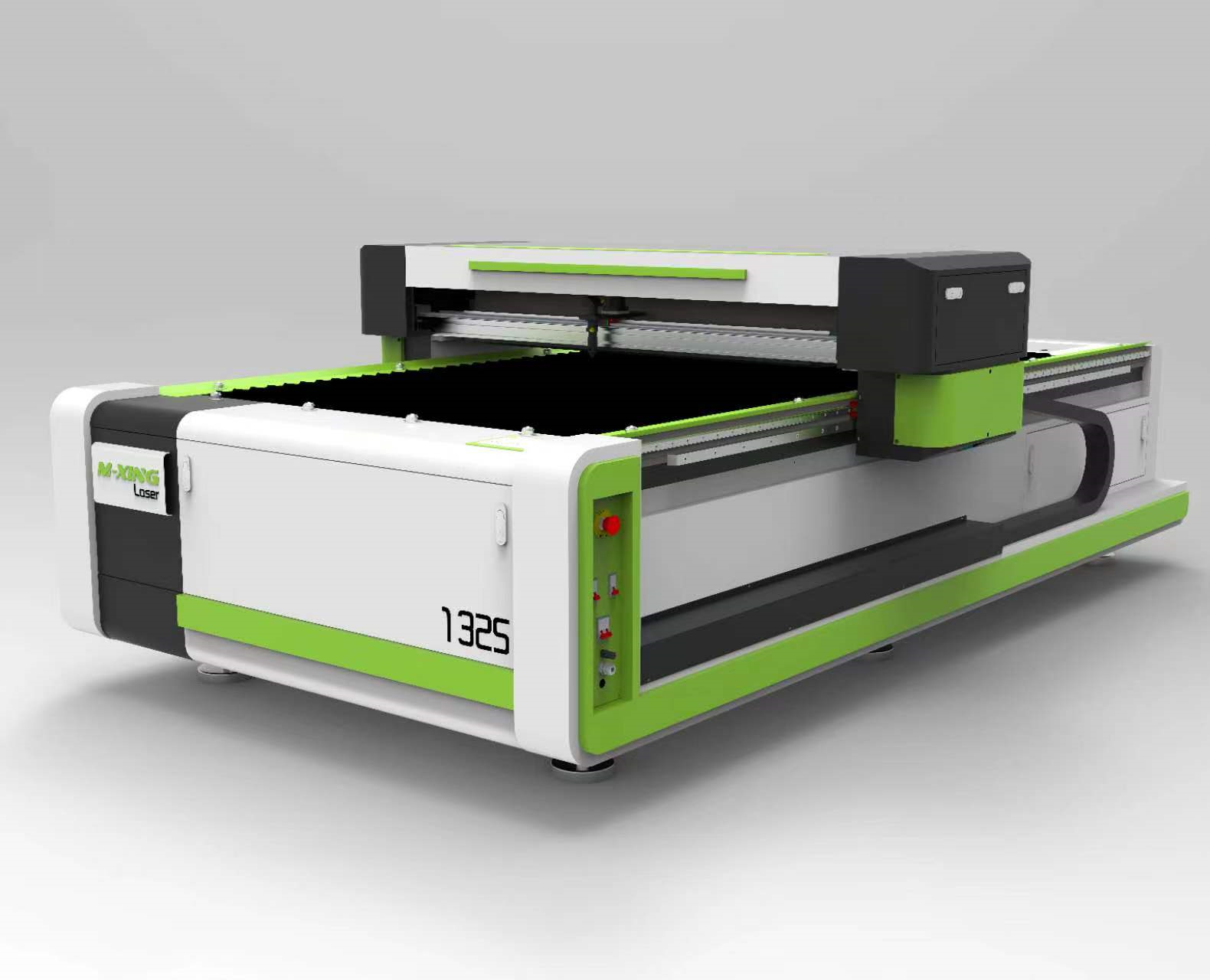
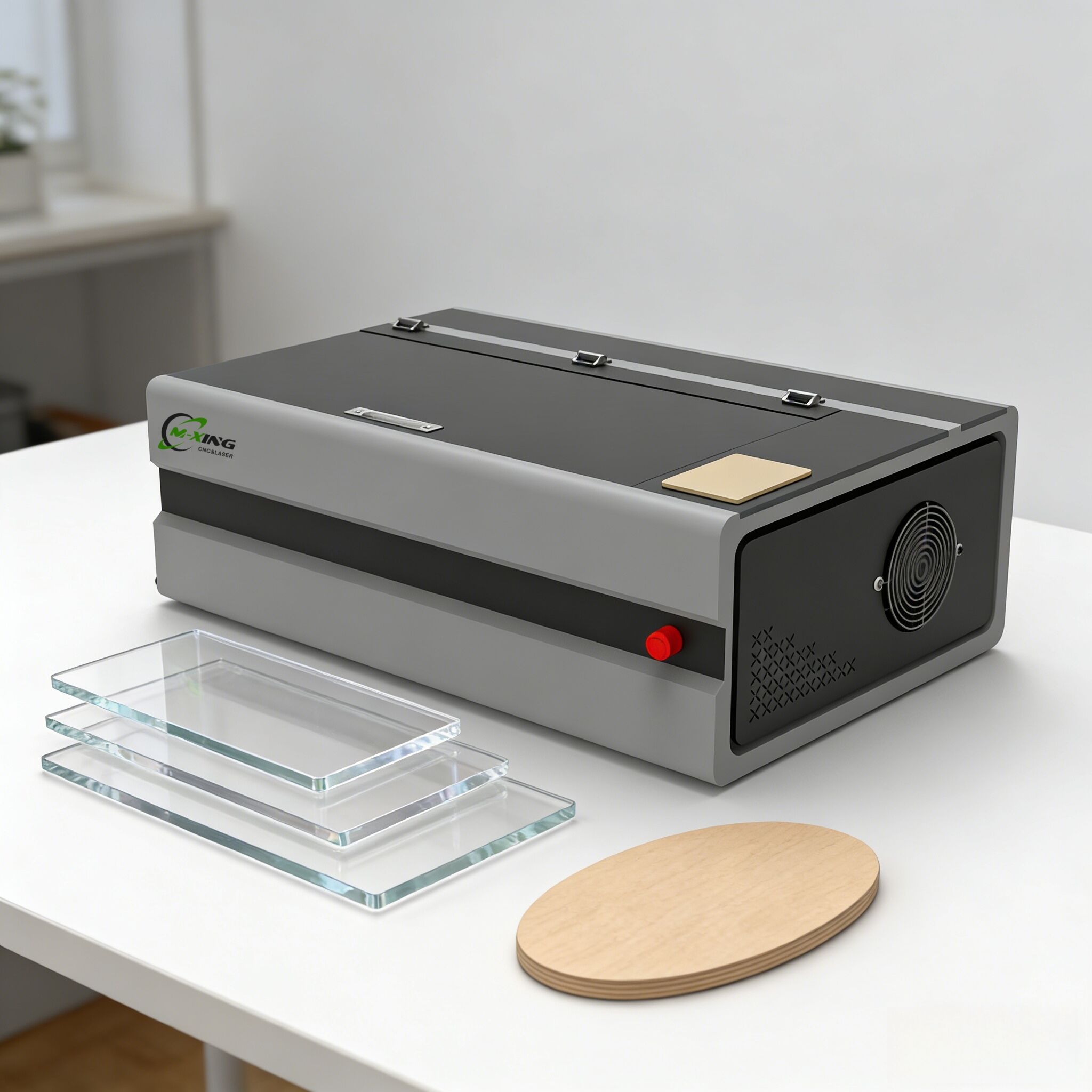
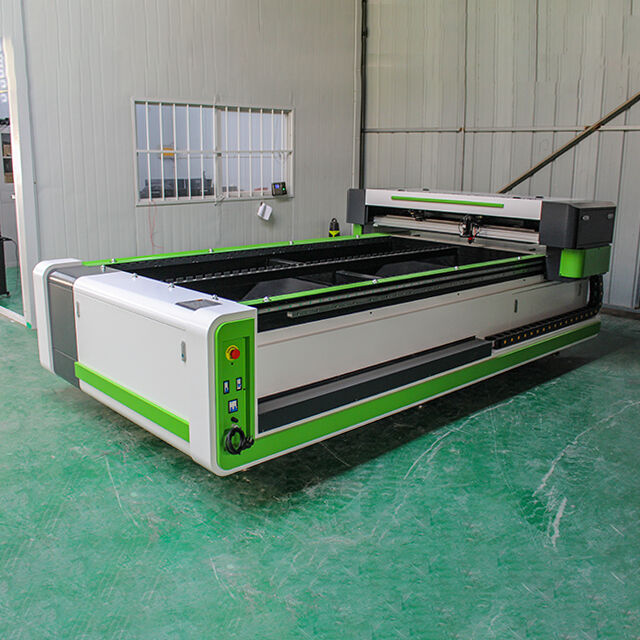
CO2 laser cutting acrylic represents a revolutionary manufacturing technology that transforms how businesses and individuals work with acrylic materials. This advanced cutting method utilizes a powerful CO2 laser beam to precisely slice through acrylic sheets, creating clean, polished edges without requiring additional finishing processes. The CO2 laser cutting acrylic system operates by focusing an intense beam of infrared light onto the material surface, instantly vaporizing the acrylic along predetermined cutting paths. This process delivers exceptional accuracy with tolerances as tight as 0.1mm, making it ideal for intricate designs and complex geometries. The technology excels at cutting various acrylic thicknesses, from thin 1mm sheets to robust 25mm plates, accommodating diverse project requirements. One of the most remarkable aspects of CO2 laser cutting acrylic is its ability to simultaneously cut and polish edges, eliminating the need for secondary operations. The laser beam creates a flame-polished finish that appears crystal clear and professional, significantly reducing production time and labor costs. Modern CO2 laser cutting acrylic systems incorporate computer-controlled precision, allowing operators to upload digital designs directly to the machine for flawless reproduction. This technology supports various file formats including DXF, AI, and CDR, ensuring compatibility with popular design software. The cutting speed varies depending on material thickness and complexity, typically ranging from 10-50mm per minute for standard applications. CO2 laser cutting acrylic finds extensive use across multiple industries, from architectural model making and signage production to jewelry creation and automotive prototyping. The process produces minimal waste material since the laser beam width is extremely narrow, maximizing material utilization and reducing costs. Additionally, the non-contact cutting method prevents material distortion or mechanical stress, preserving the acrylic's optical clarity and structural integrity throughout the manufacturing process.
 EN
EN