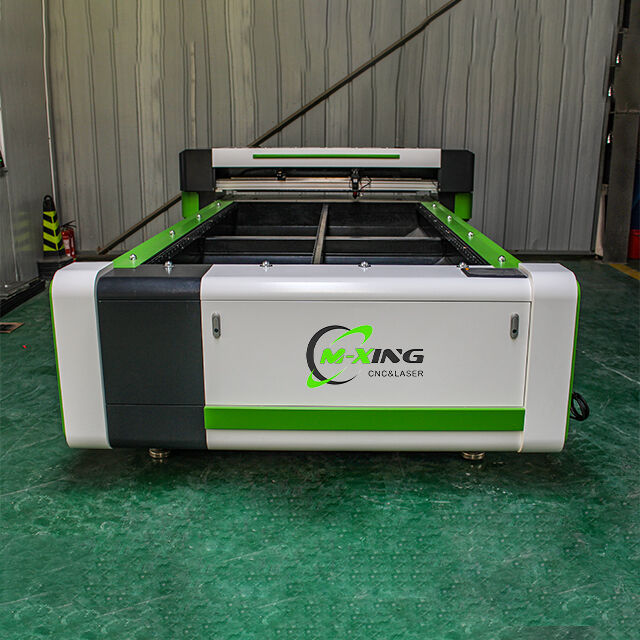
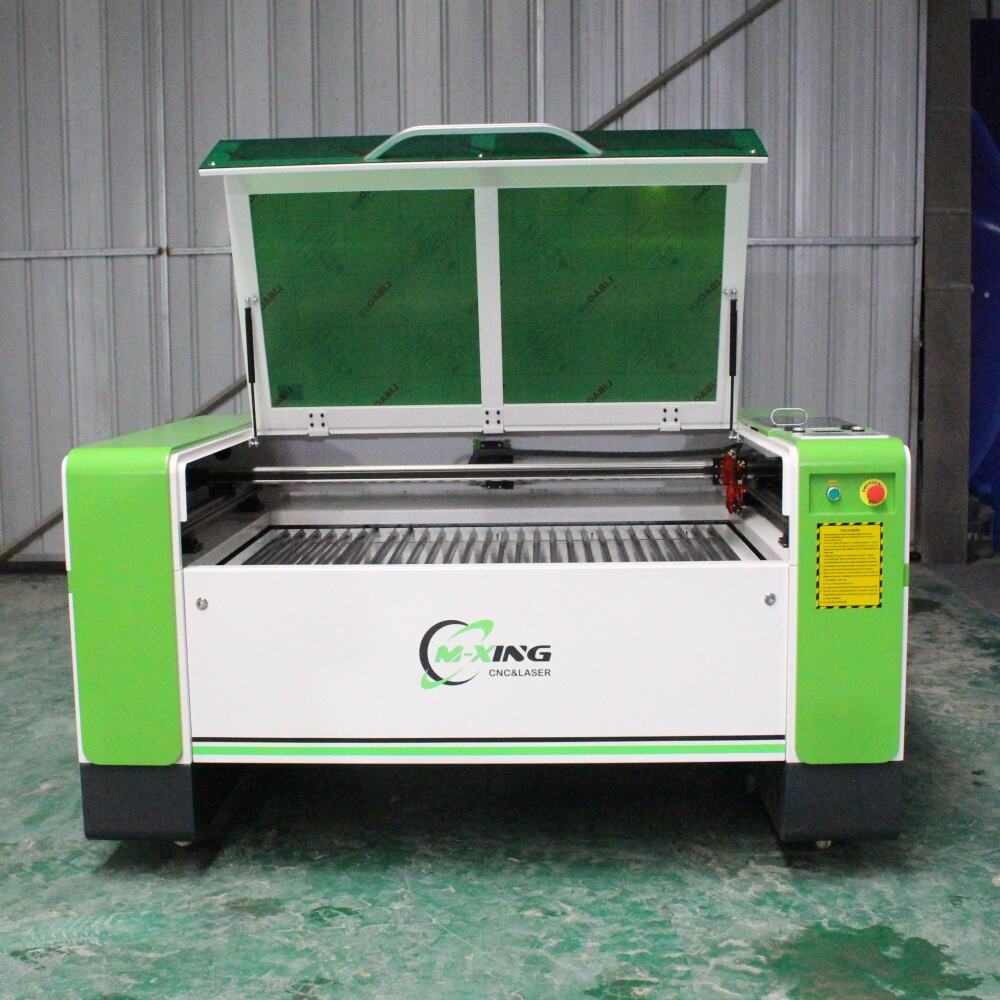
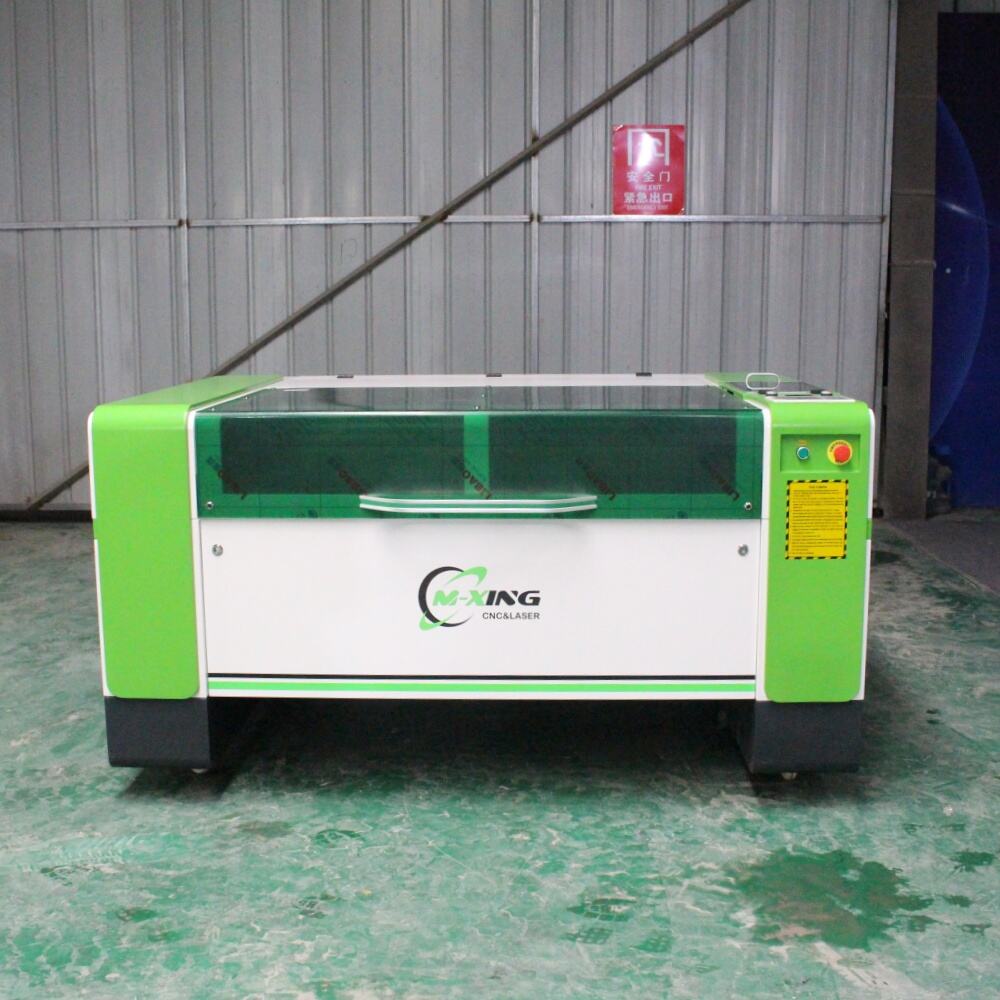
acrylic laser cutting design
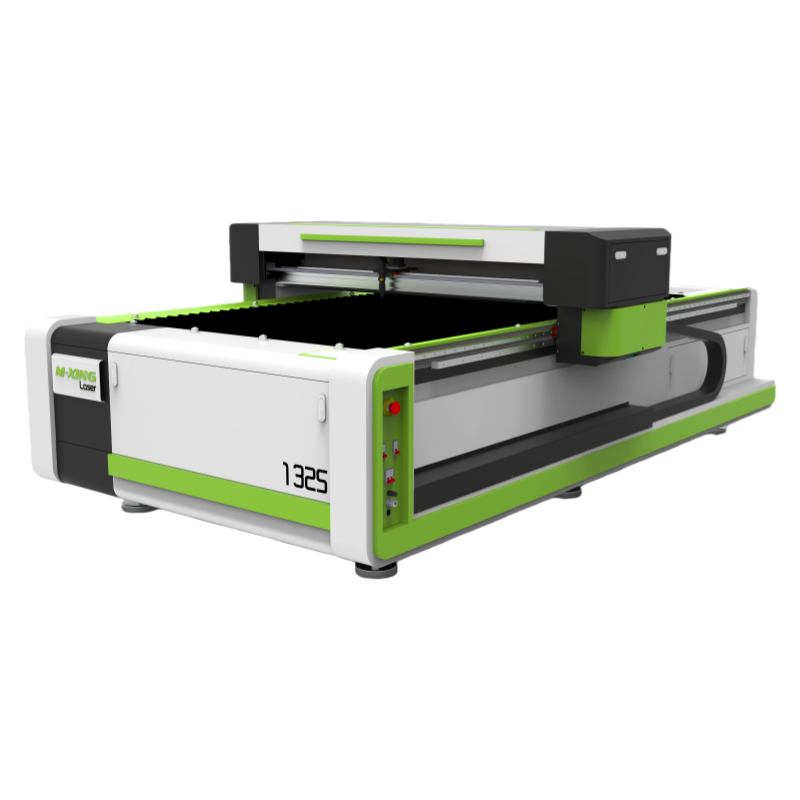
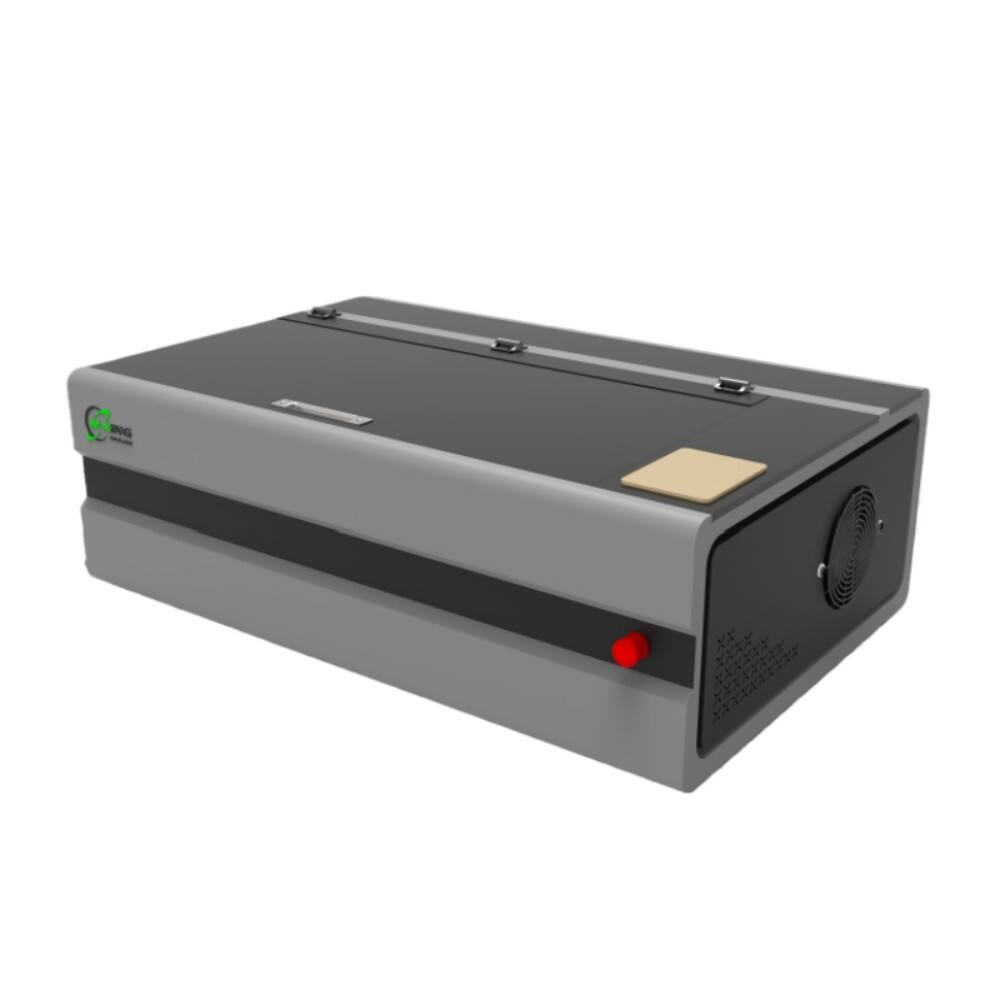
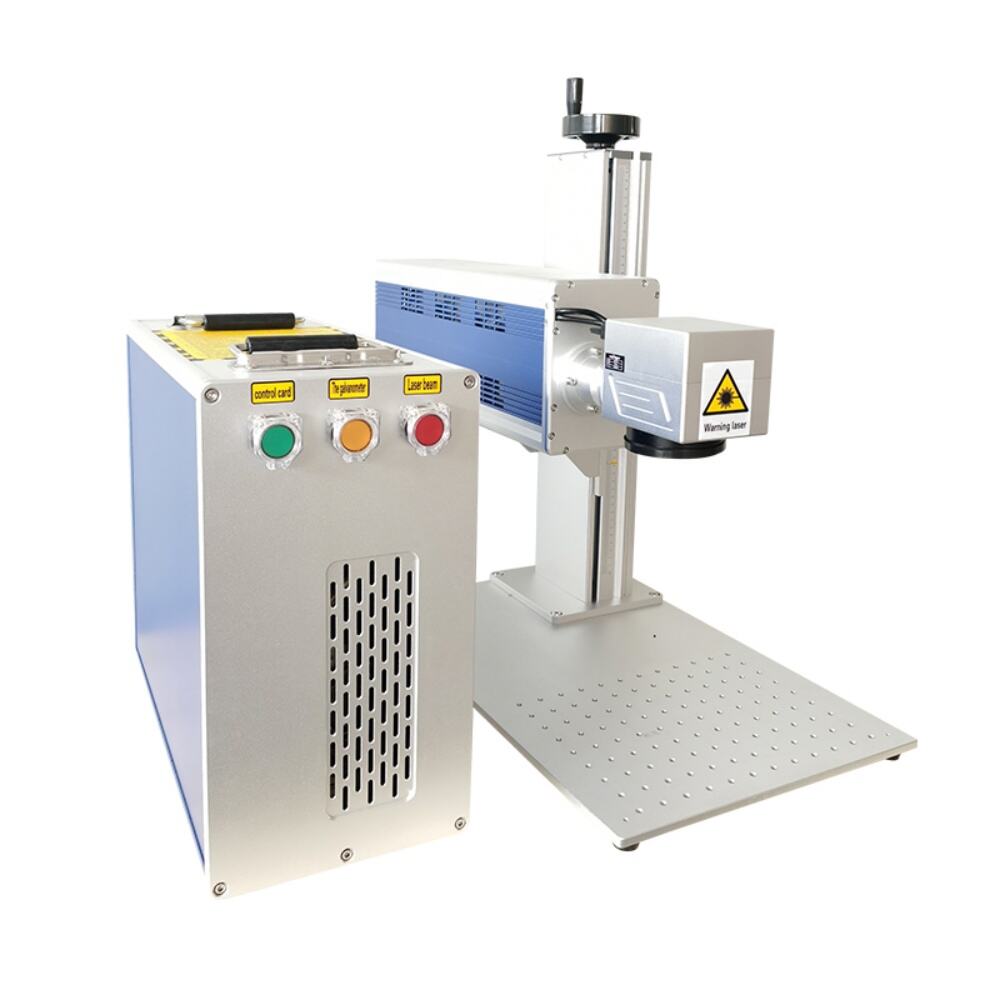
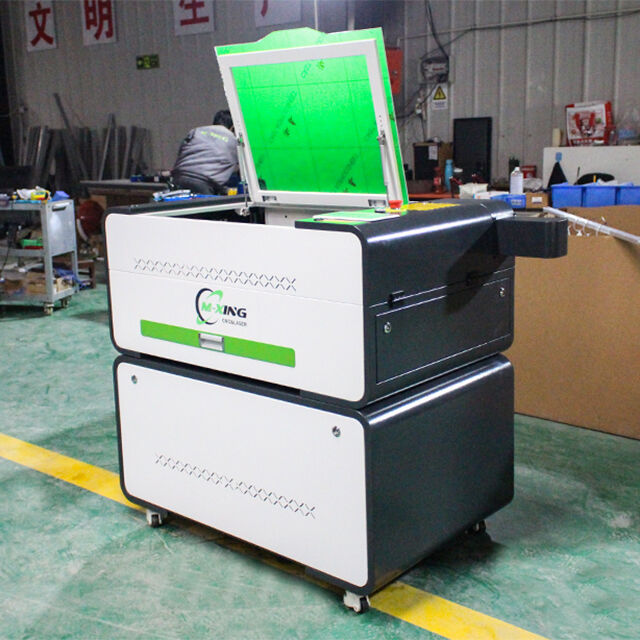
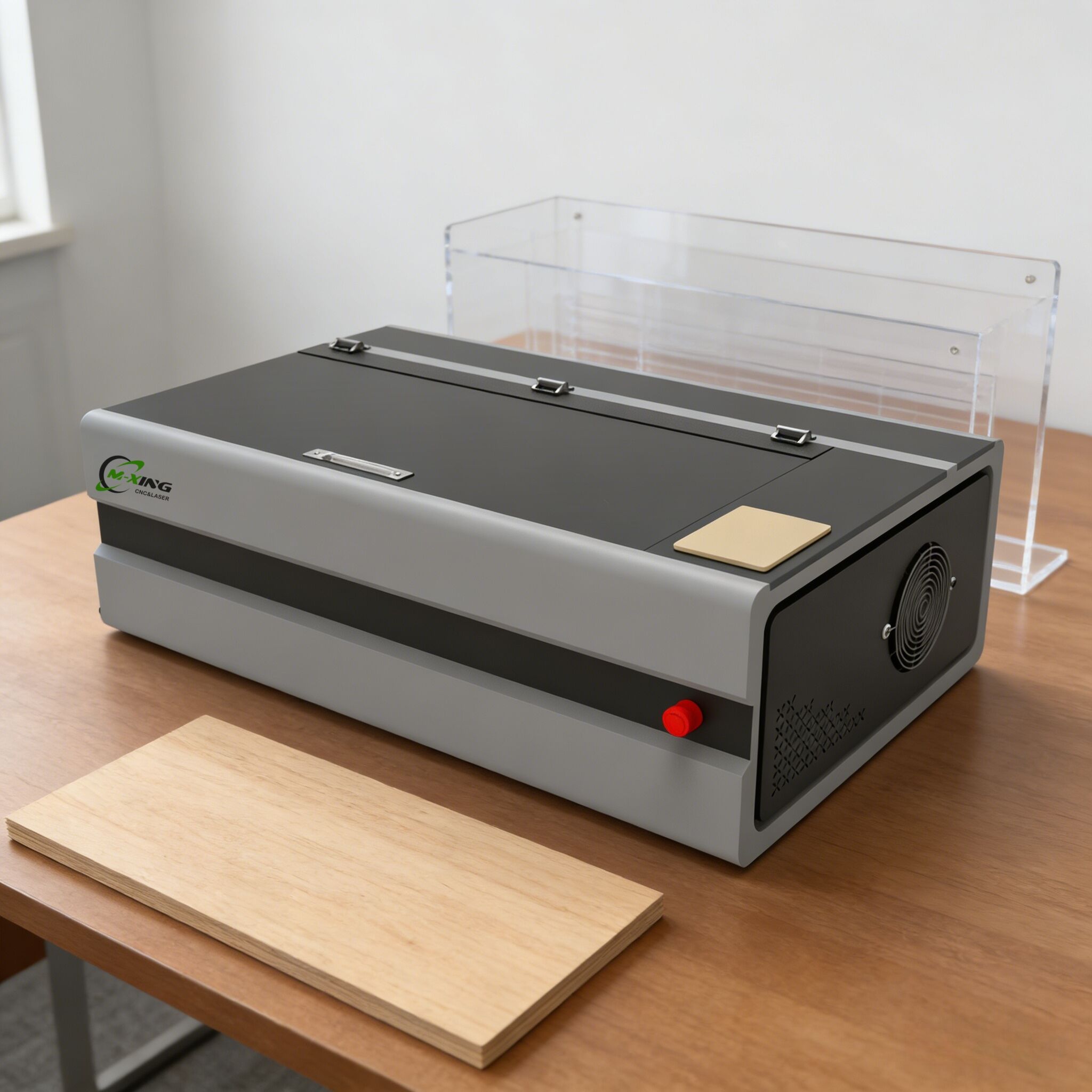
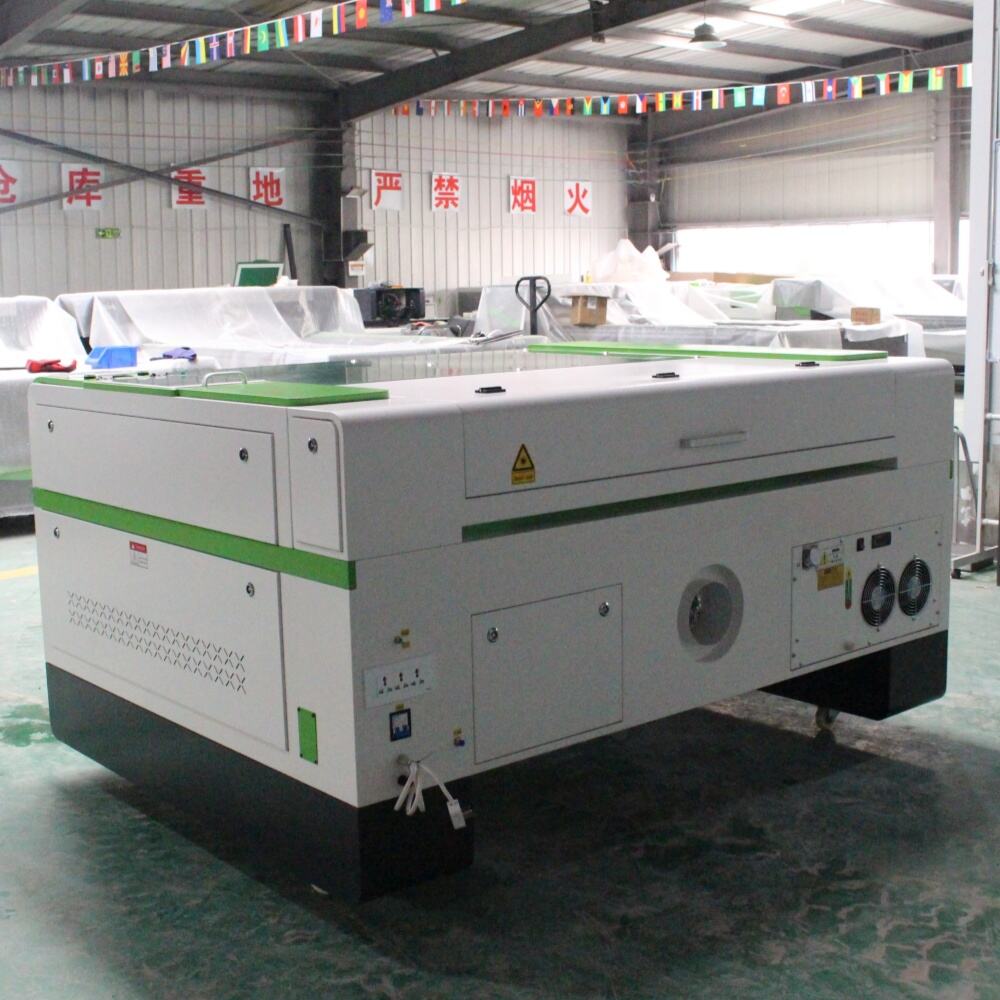
Acrylic laser cutting design represents a revolutionary manufacturing technique that transforms raw acrylic materials into intricate, customized products through precise laser beam applications. This advanced technology utilizes concentrated light energy to cut, engrave, and shape acrylic sheets with extraordinary accuracy, creating clean edges and complex geometries that traditional cutting methods cannot achieve. The acrylic laser cutting design process involves computer-controlled laser systems that follow digital blueprints, ensuring consistent quality and repeatability across production runs. Modern laser cutting equipment features sophisticated software integration that allows designers to create detailed vector files, which directly control the laser's movement patterns and cutting parameters. The main functions of acrylic laser cutting design encompass material removal through vaporization, edge sealing through heat application, and surface engraving for decorative or functional purposes. Technological features include adjustable power settings that accommodate various acrylic thicknesses, variable cutting speeds for different material densities, and automated focus systems that maintain optimal beam concentration throughout the cutting process. The acrylic laser cutting design methodology supports both raster and vector operations, enabling manufacturers to combine cutting and engraving functions in single production cycles. Applications span numerous industries including architectural modeling, retail displays, signage production, electronic enclosures, medical device components, automotive parts, jewelry creation, and artistic installations. The versatility of acrylic laser cutting design makes it suitable for prototyping phases where rapid iteration is essential, as well as large-scale manufacturing where consistency and precision are paramount. Quality control mechanisms built into modern acrylic laser cutting design systems include real-time monitoring sensors that detect material thickness variations and automatic power adjustments that compensate for different acrylic formulations, ensuring optimal results across diverse project requirements.
 EN
EN