fiber laser cutting machine price
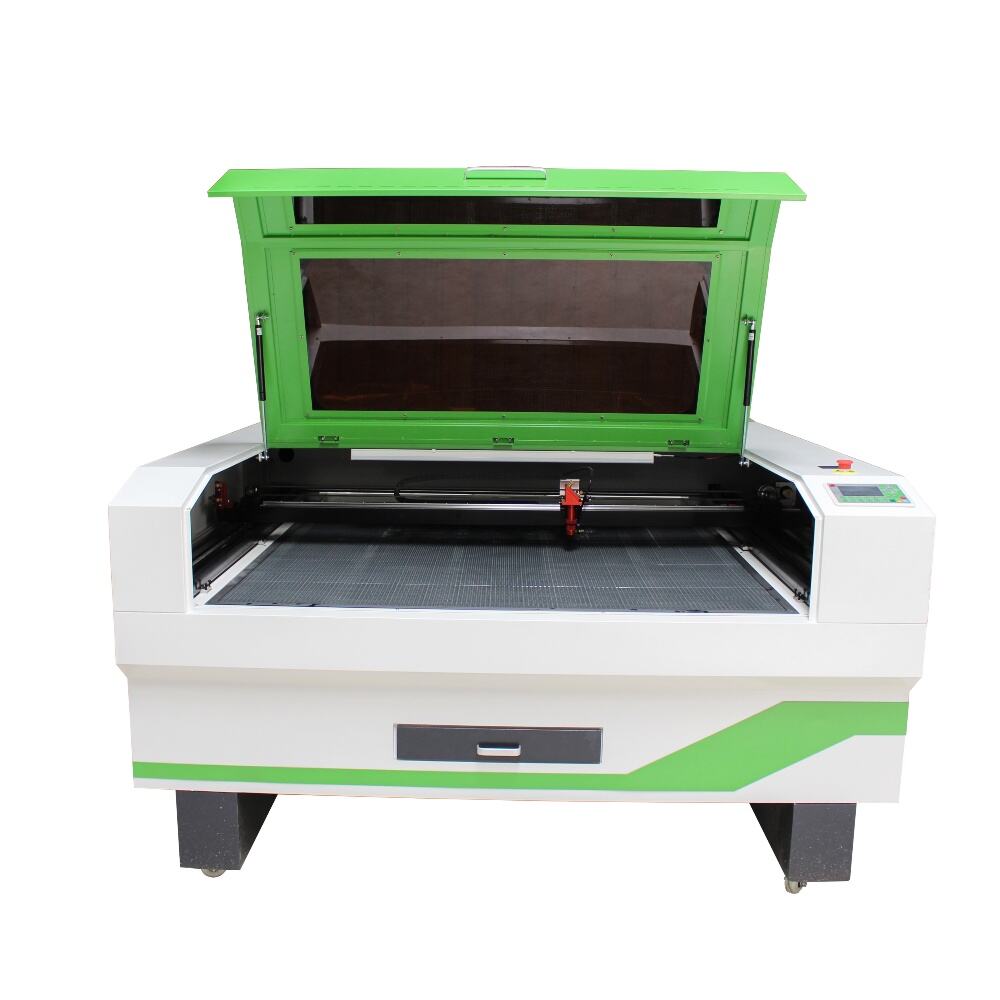
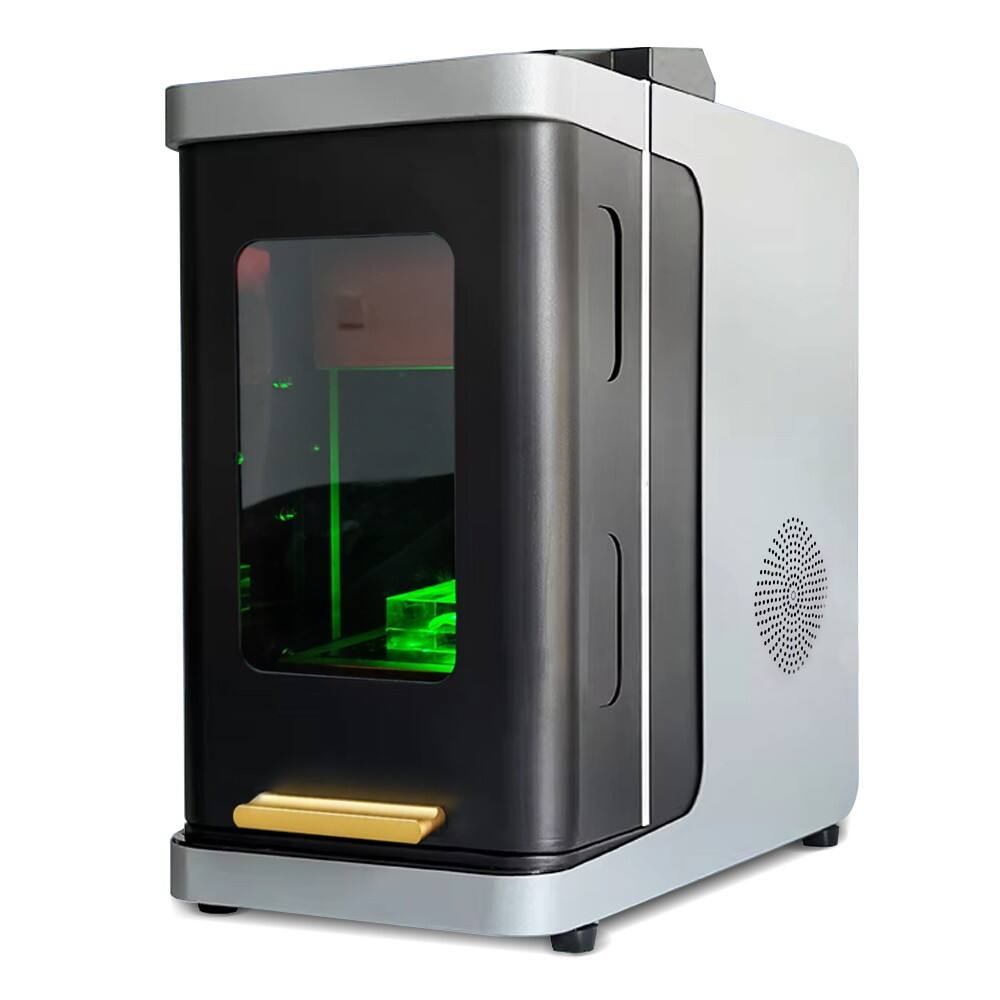
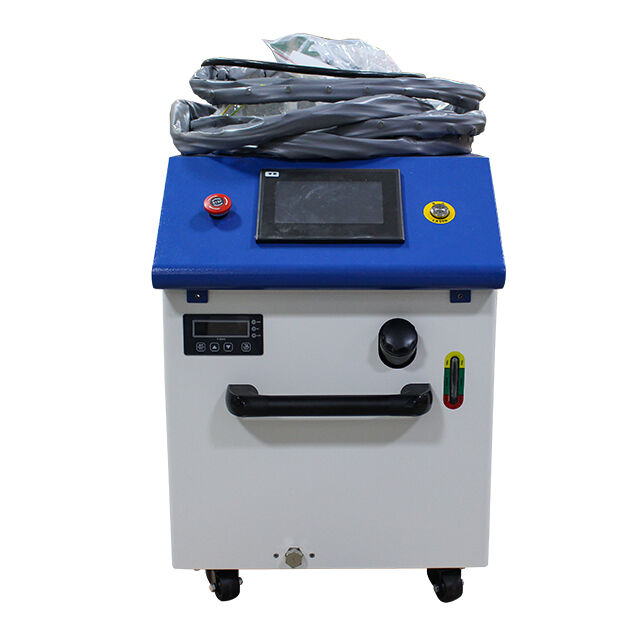
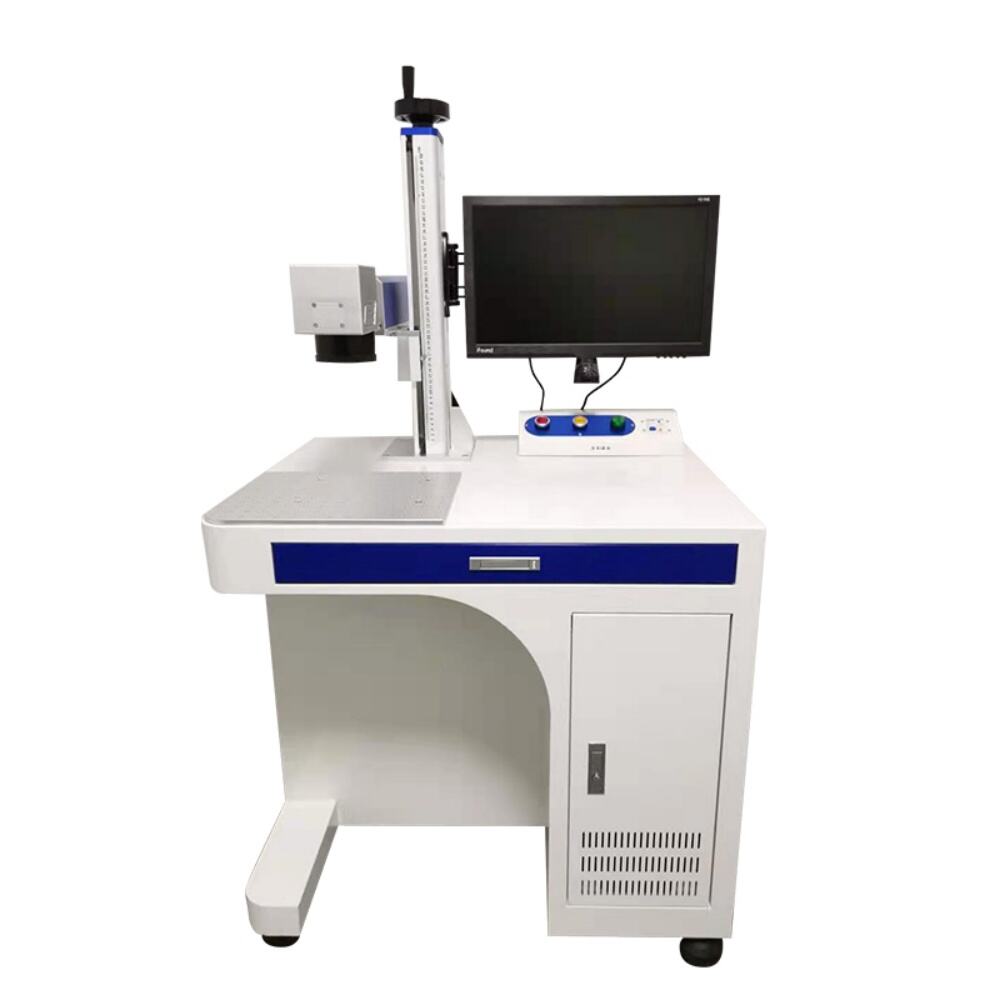
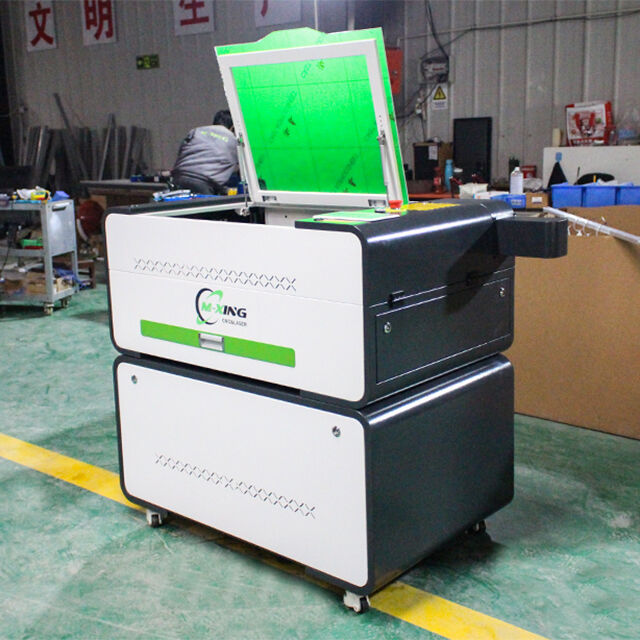
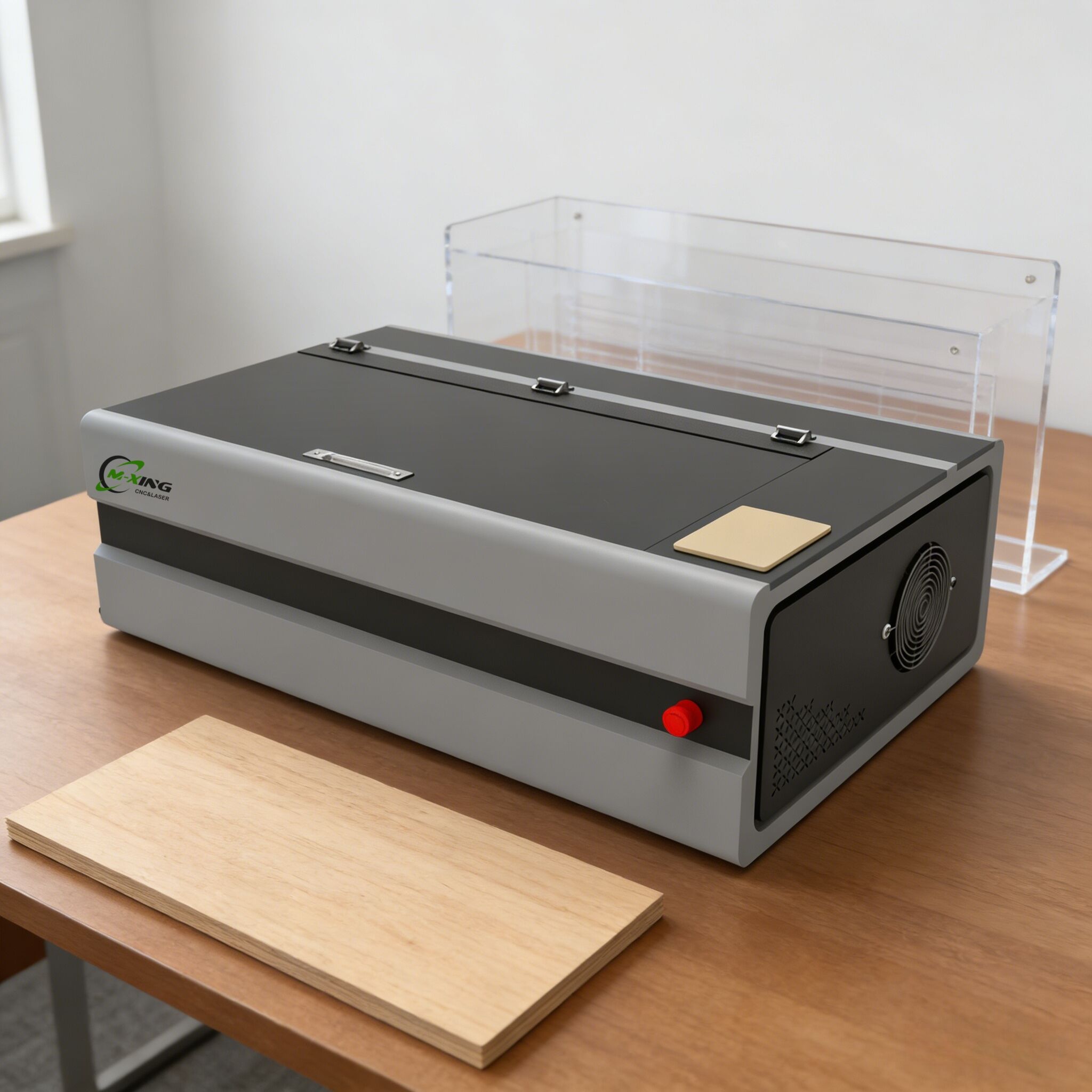
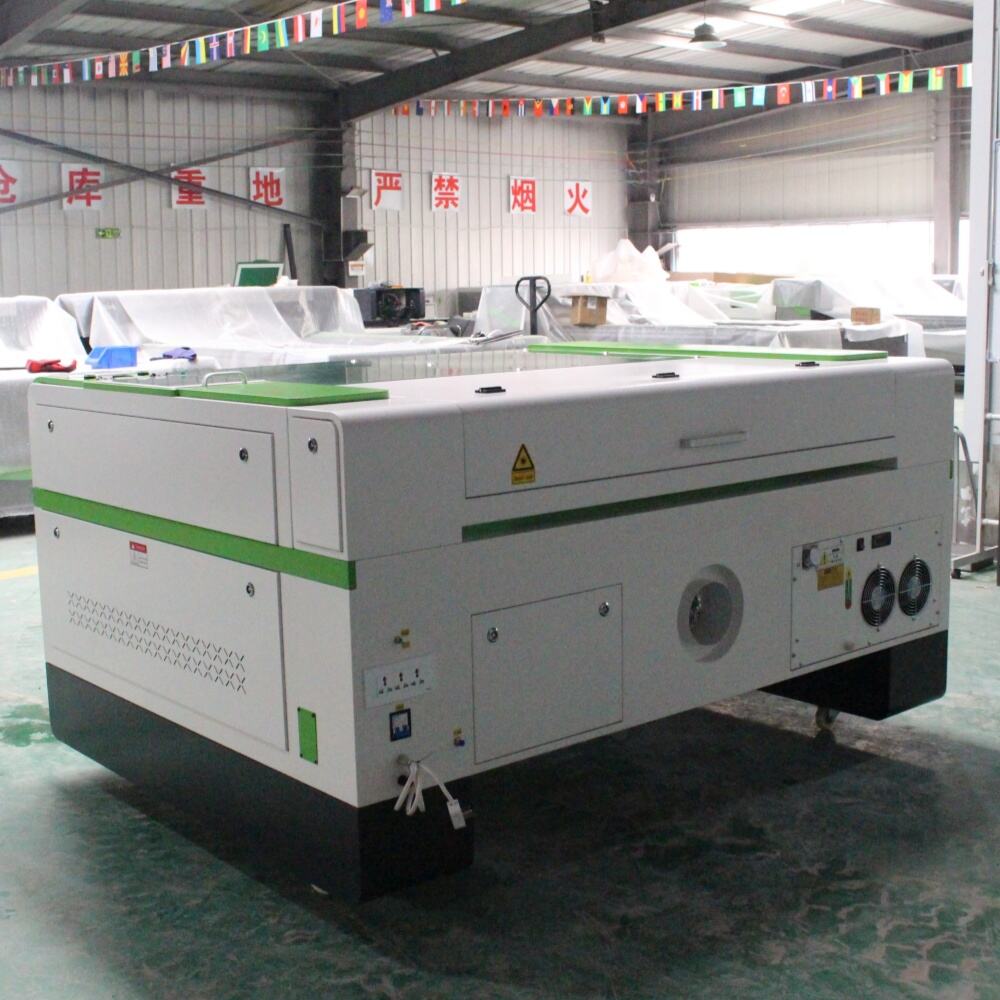
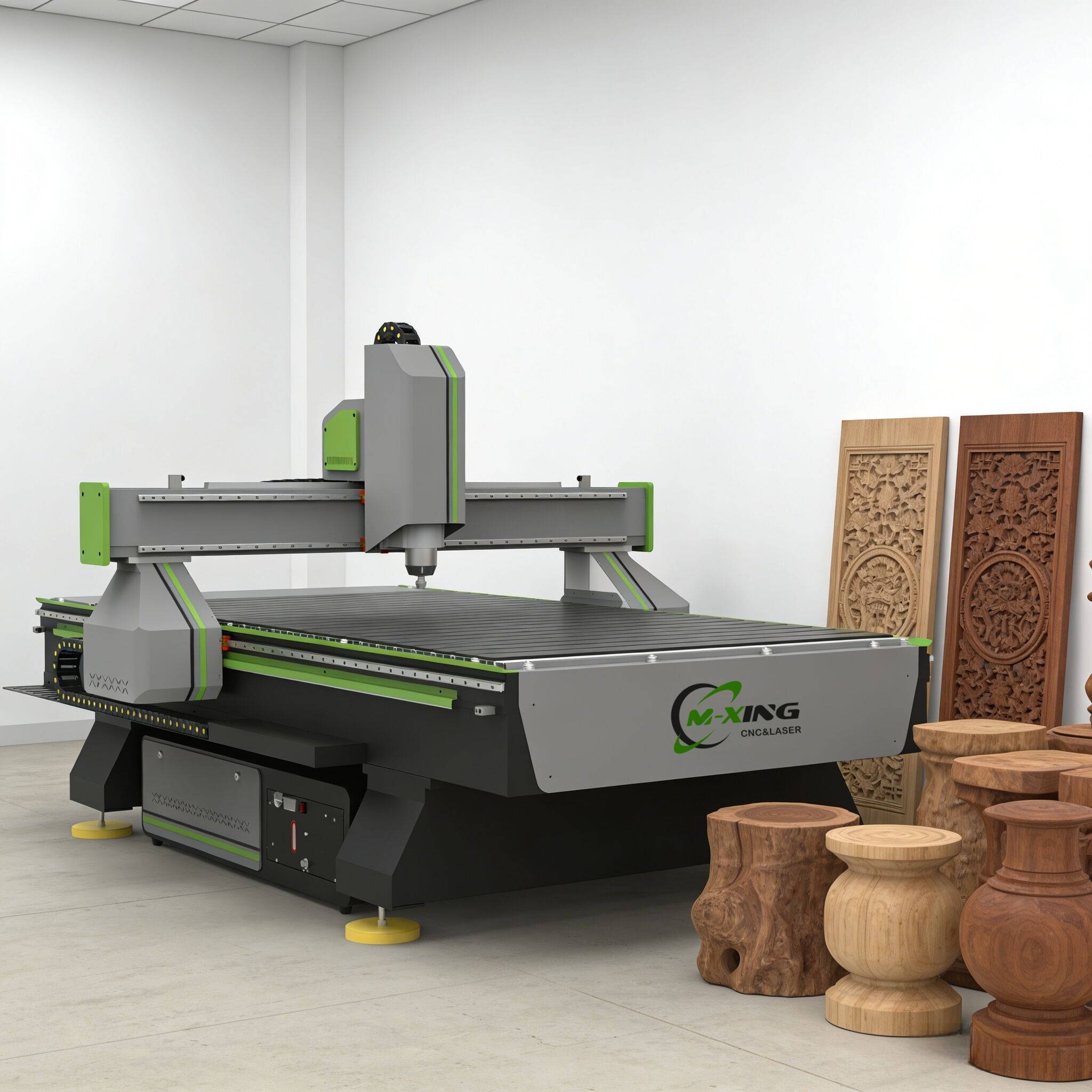
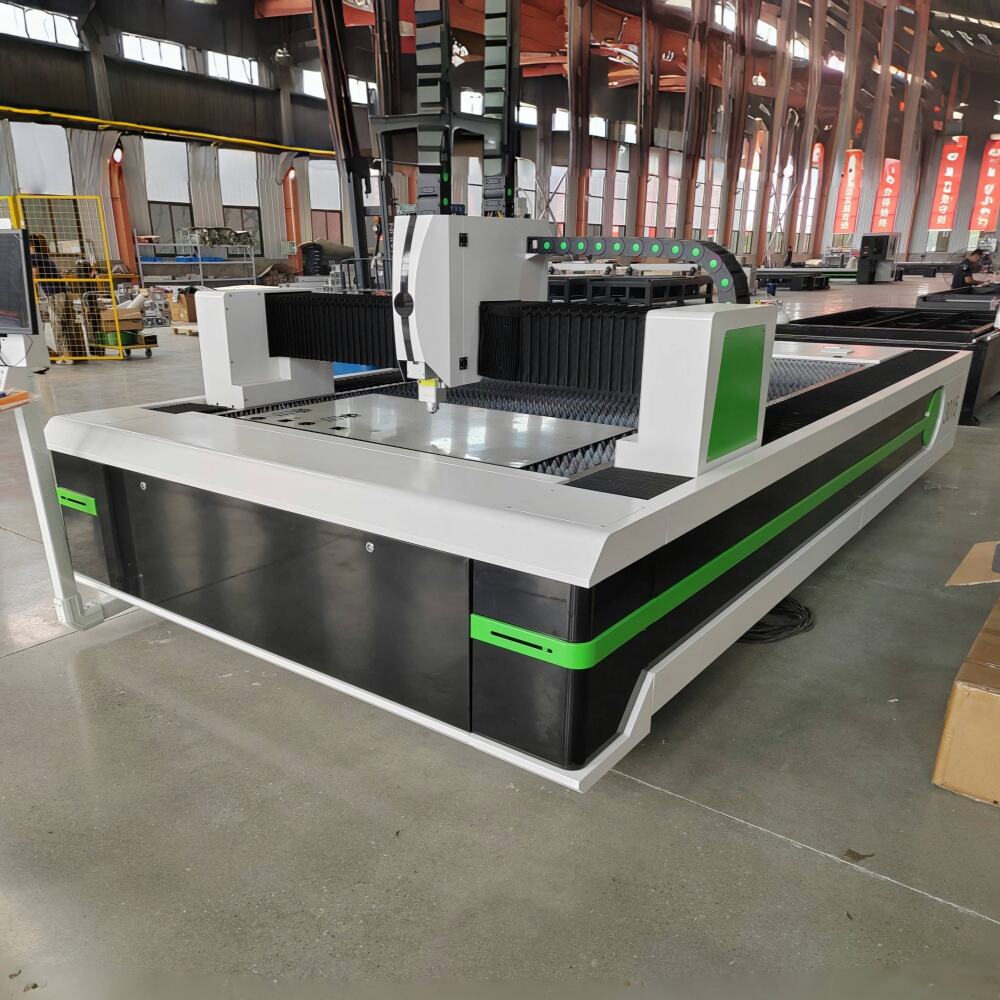
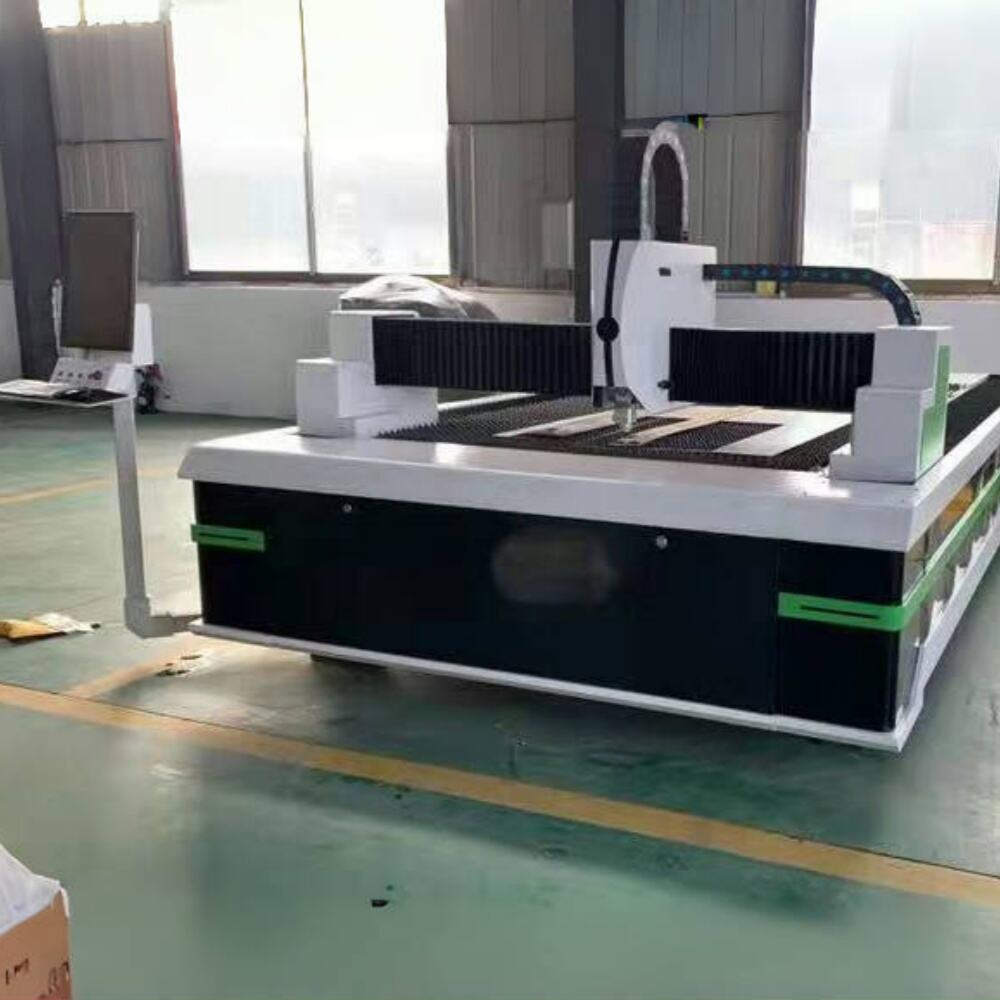
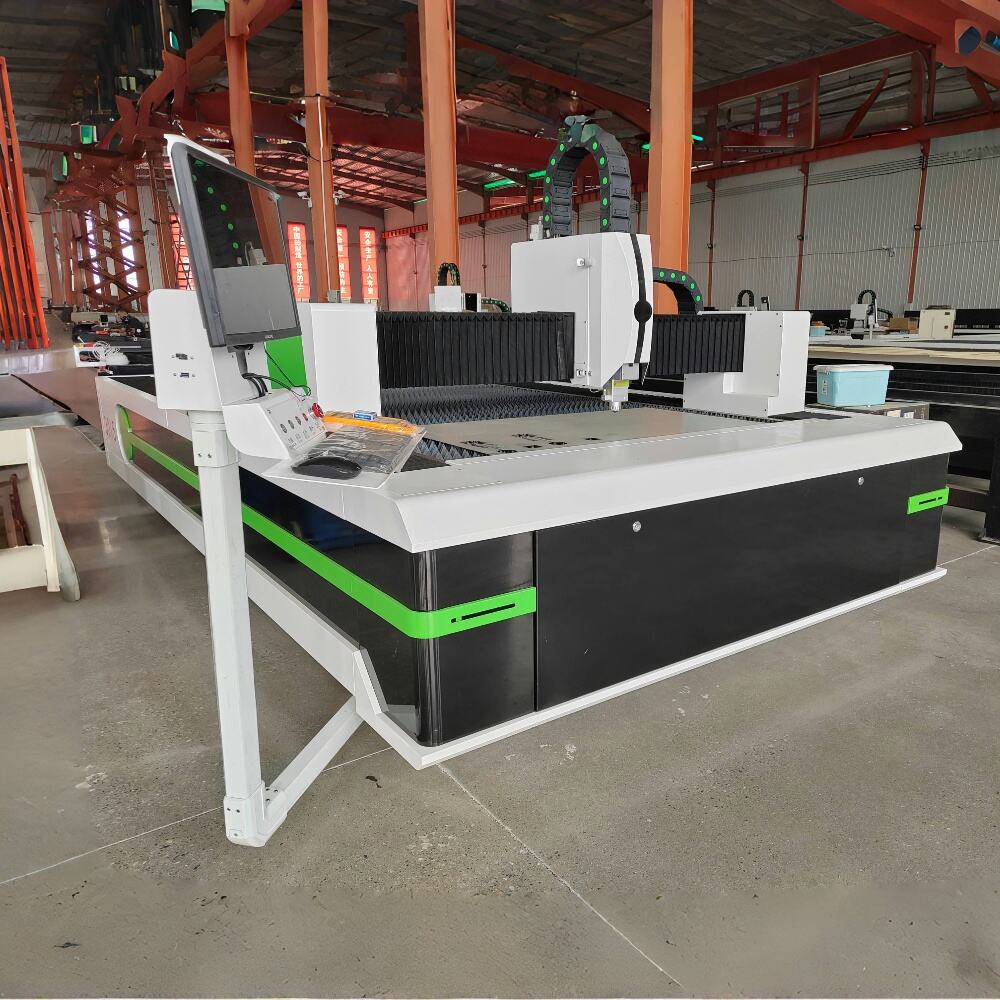
Understanding fiber laser cutting machine price requires examining the comprehensive value proposition these advanced manufacturing tools offer. Modern fiber laser cutting machines represent a significant investment in precision manufacturing technology, with pricing typically ranging from $50,000 to $500,000 depending on specifications and capabilities. The fiber laser cutting machine price reflects sophisticated engineering that combines high-powered fiber laser sources with computer-controlled cutting systems. These machines utilize fiber optic technology to generate concentrated laser beams capable of cutting through various materials including steel, aluminum, copper, and brass with exceptional accuracy. The main functions encompass precise material cutting, engraving, and marking operations across diverse thickness ranges. Key technological features include automatic focus adjustment systems, real-time power monitoring, advanced cooling systems, and intuitive software interfaces that streamline operation processes. The cutting head technology incorporates ceramic rings and protective lenses that maintain beam quality while ensuring consistent performance. Motion control systems utilize servo motors and linear guides to achieve positioning accuracies within 0.01mm tolerances. Applications span automotive manufacturing, aerospace components, architectural metalwork, signage production, and custom fabrication services. Industrial sectors rely on these machines for producing intricate parts, decorative panels, and structural components that demand superior edge quality and dimensional precision. The fiber laser cutting machine price consideration must account for operational capabilities including maximum cutting speeds up to 100 meters per minute, material thickness capacities ranging from 0.1mm to 25mm depending on material type, and power options from 1000 watts to 15000 watts. Integration capabilities with CAD/CAM software systems enable seamless workflow management from design to production. Advanced models feature automatic material loading systems, waste removal conveyors, and integrated quality control sensors that monitor cutting parameters in real-time to maintain consistent output quality throughout production runs.
 EN
EN