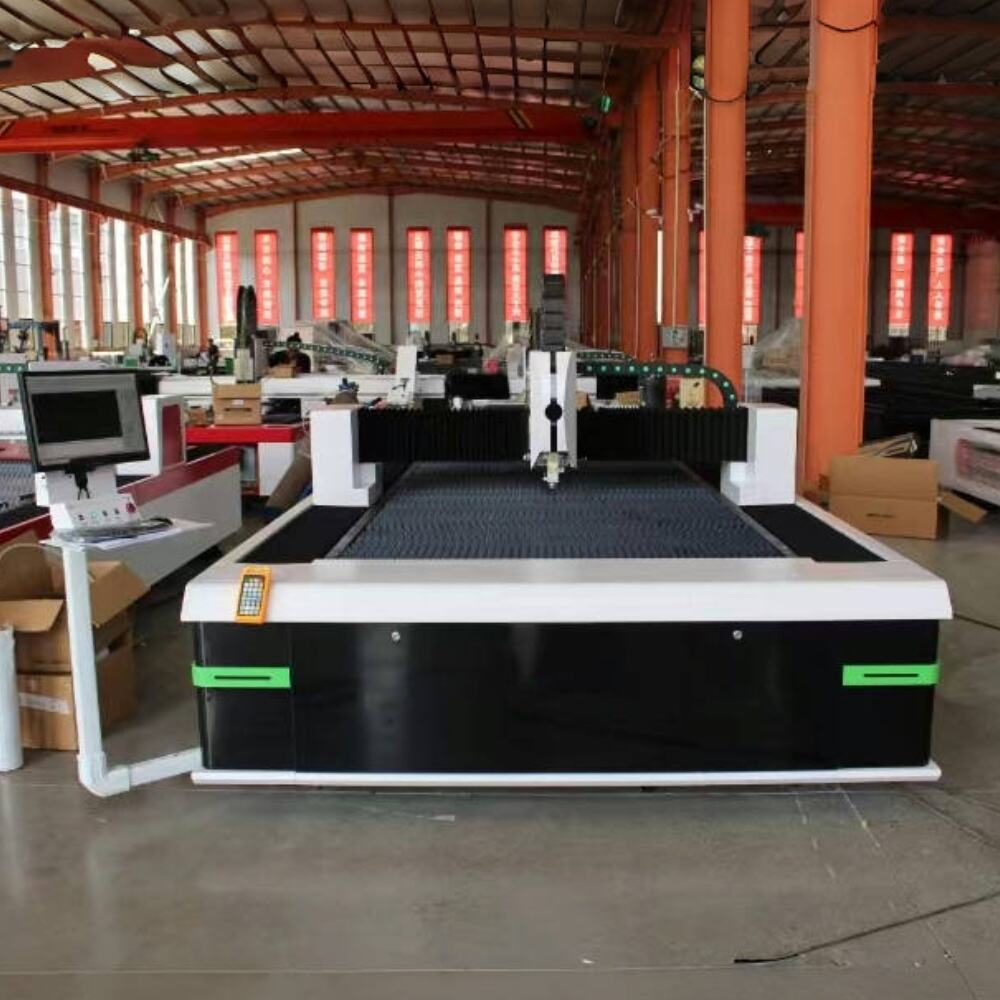
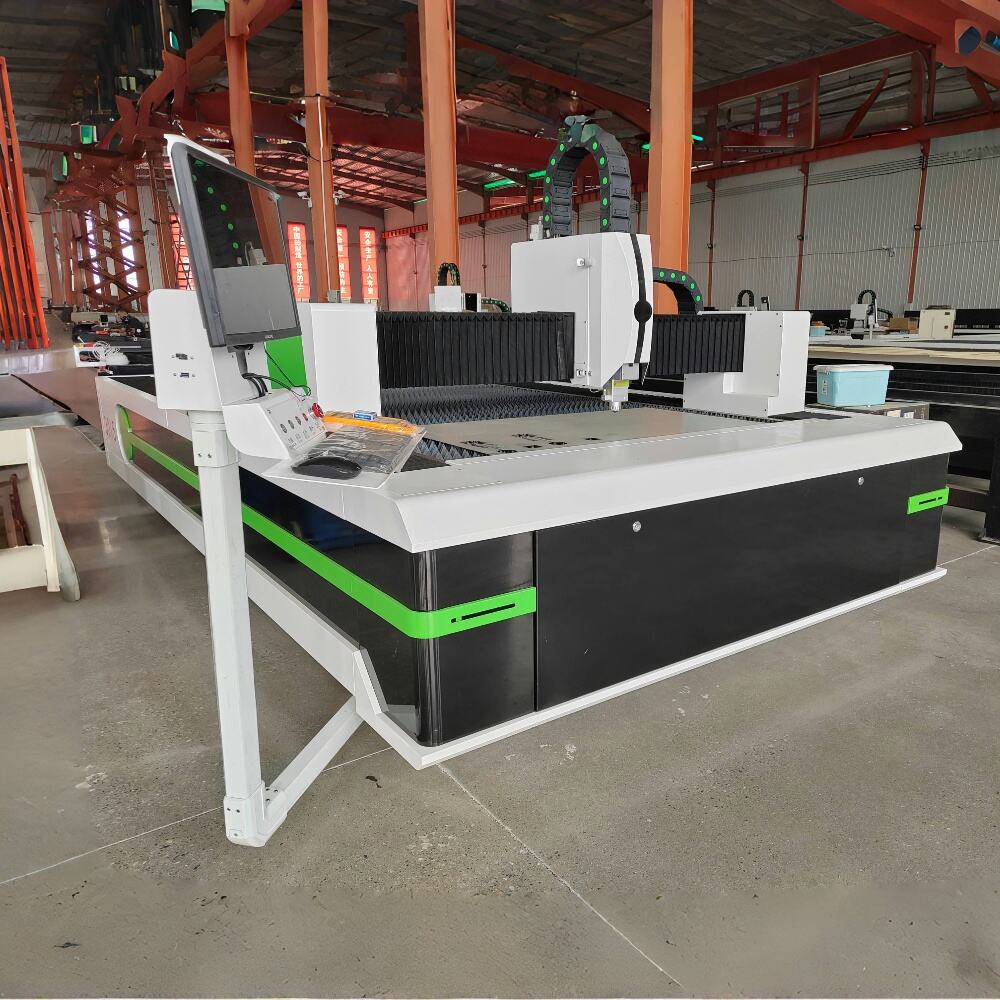
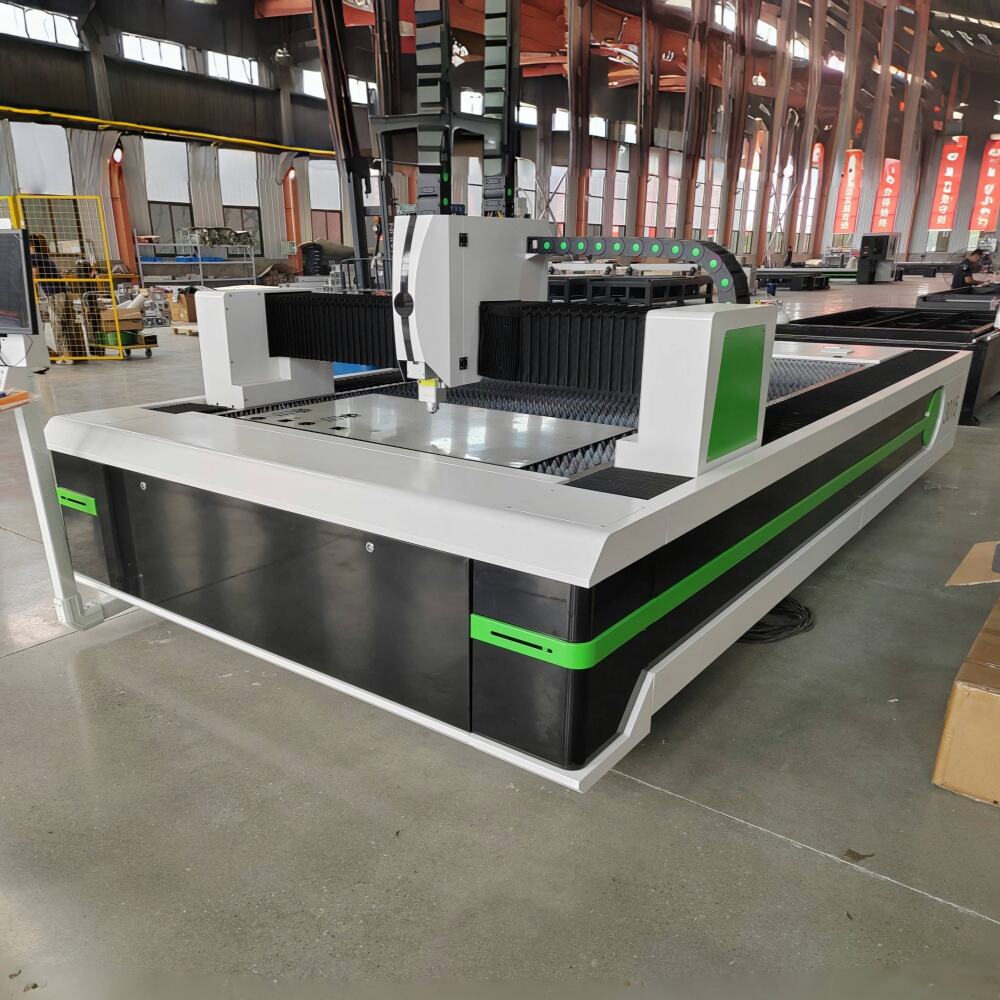
metal fiber laser cutter
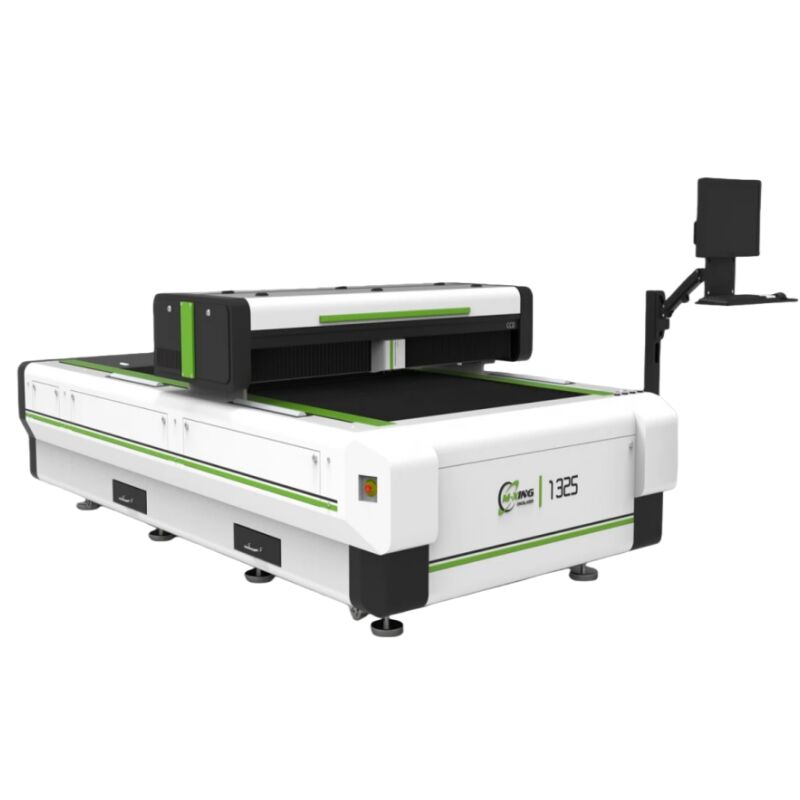
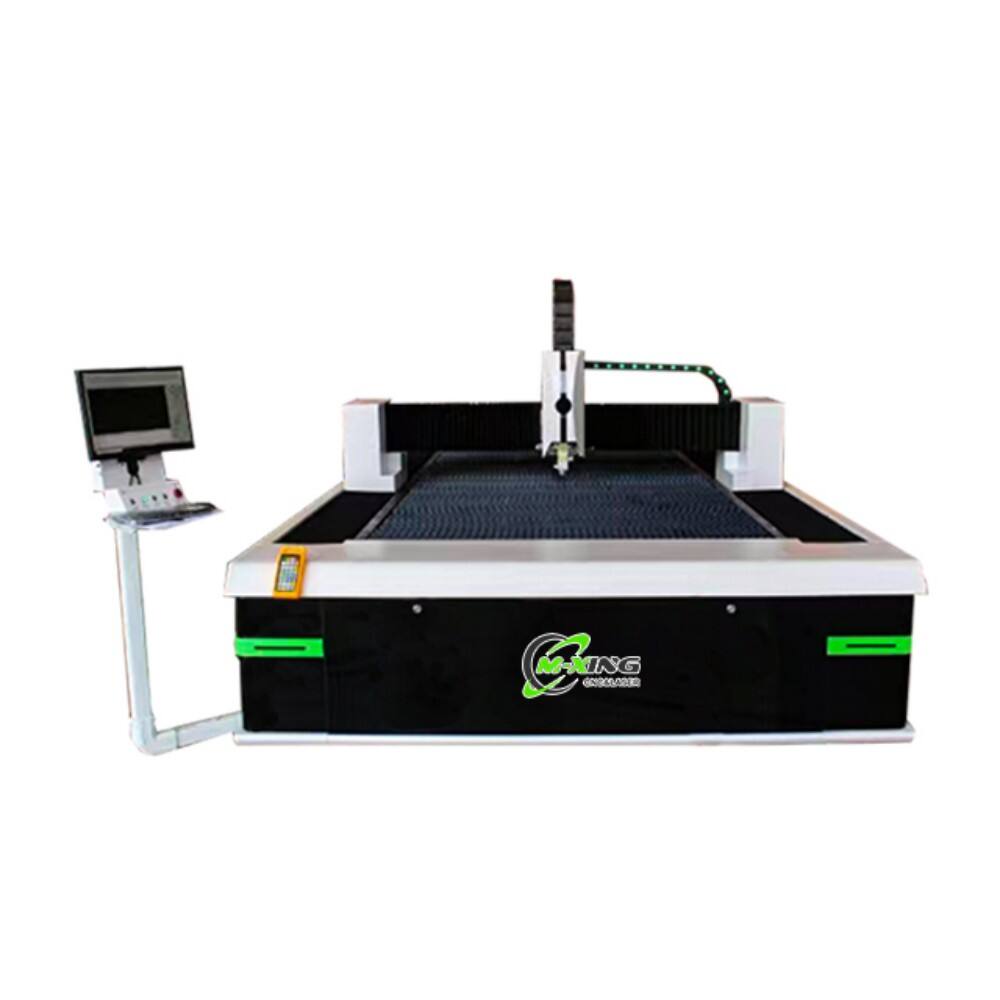
The metal fiber laser cutter represents a revolutionary advancement in industrial manufacturing technology, utilizing high-powered fiber laser beams to precisely cut through various metallic materials. This sophisticated equipment employs concentrated laser energy delivered through optical fibers, creating an extremely focused beam that can slice through steel, aluminum, brass, copper, and other metals with exceptional accuracy. The metal fiber laser cutter operates by generating intense heat at the point of contact, melting and vaporizing the material while simultaneously using assist gases to blow away molten debris, resulting in clean, precise cuts. The core technology behind this equipment involves a fiber laser source that produces wavelengths typically around 1064 nanometers, which metals absorb efficiently, making the cutting process highly effective. These machines feature advanced CNC control systems that enable operators to program complex cutting patterns, curves, and intricate designs with remarkable repeatability. The metal fiber laser cutter incorporates sophisticated beam delivery systems, including high-quality cutting heads with automatic focus adjustment capabilities, ensuring optimal cutting performance across varying material thicknesses. Modern units integrate intelligent software that automatically adjusts cutting parameters based on material type, thickness, and desired cut quality. The equipment typically includes safety features such as enclosed cutting chambers, fume extraction systems, and emergency stop mechanisms to protect operators and maintain workplace safety standards. Technological features include real-time monitoring systems that track cutting progress, laser power output, and assist gas pressure, providing operators with comprehensive process control. Many metal fiber laser cutters offer dual-table configurations, allowing continuous operation by loading materials on one table while cutting occurs on another. The applications for metal fiber laser cutters span numerous industries including automotive manufacturing, aerospace engineering, architectural metalwork, electronics production, medical device fabrication, and decorative arts. These versatile machines handle projects ranging from thin sheet metal components to thick structural plates, making them indispensable tools in modern manufacturing environments.
 EN
EN