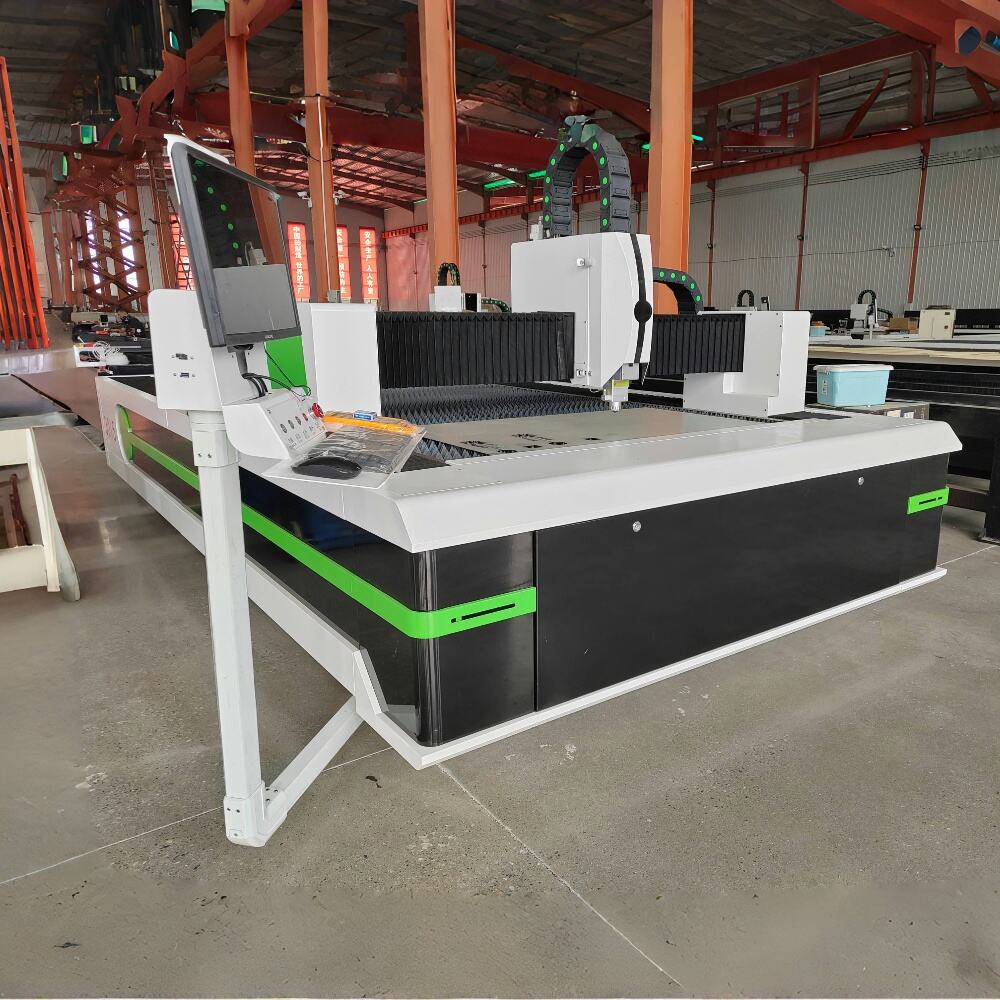
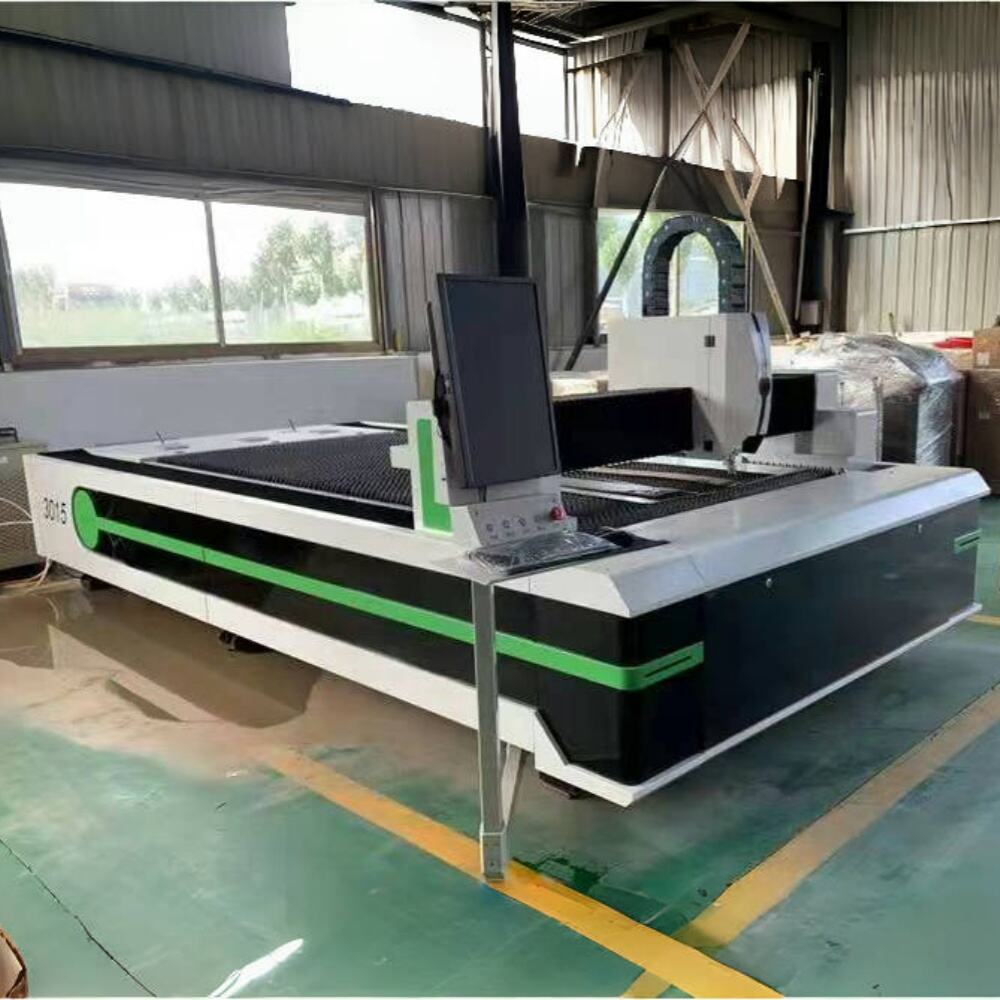
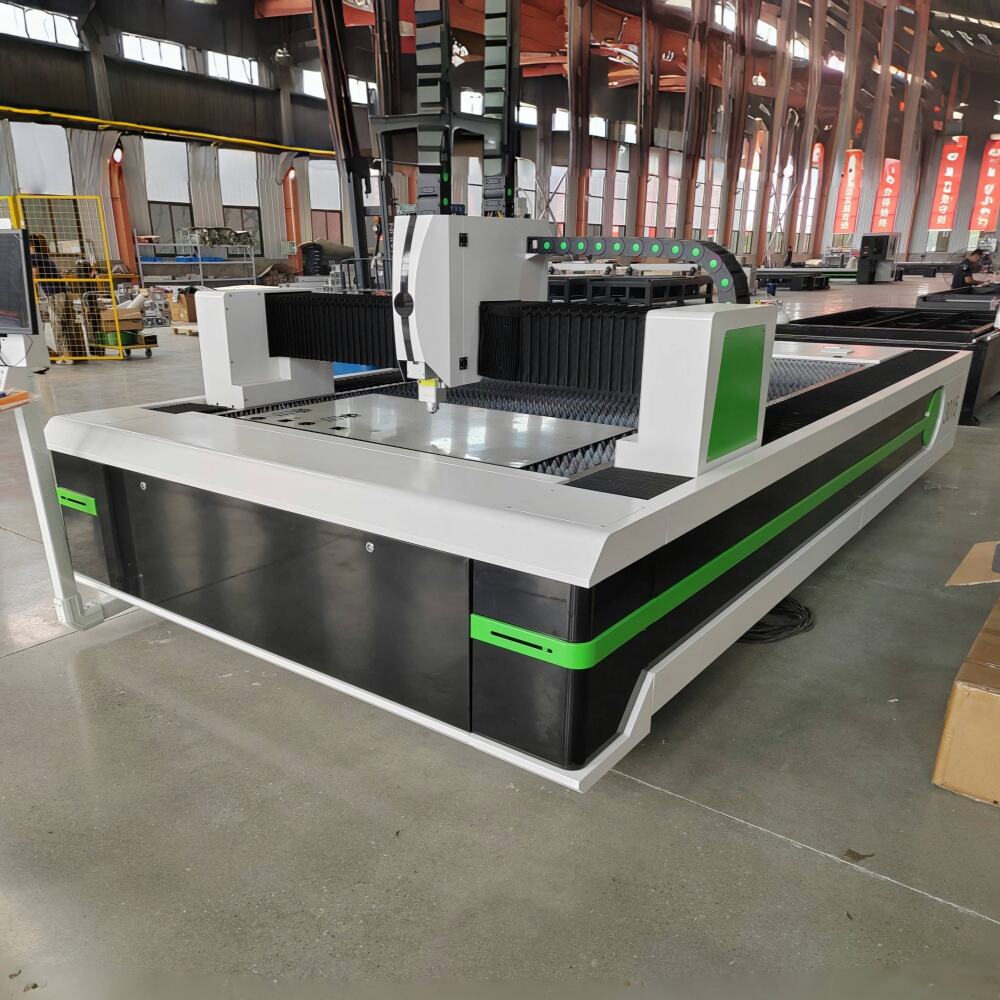
fiber laser for cutting metal
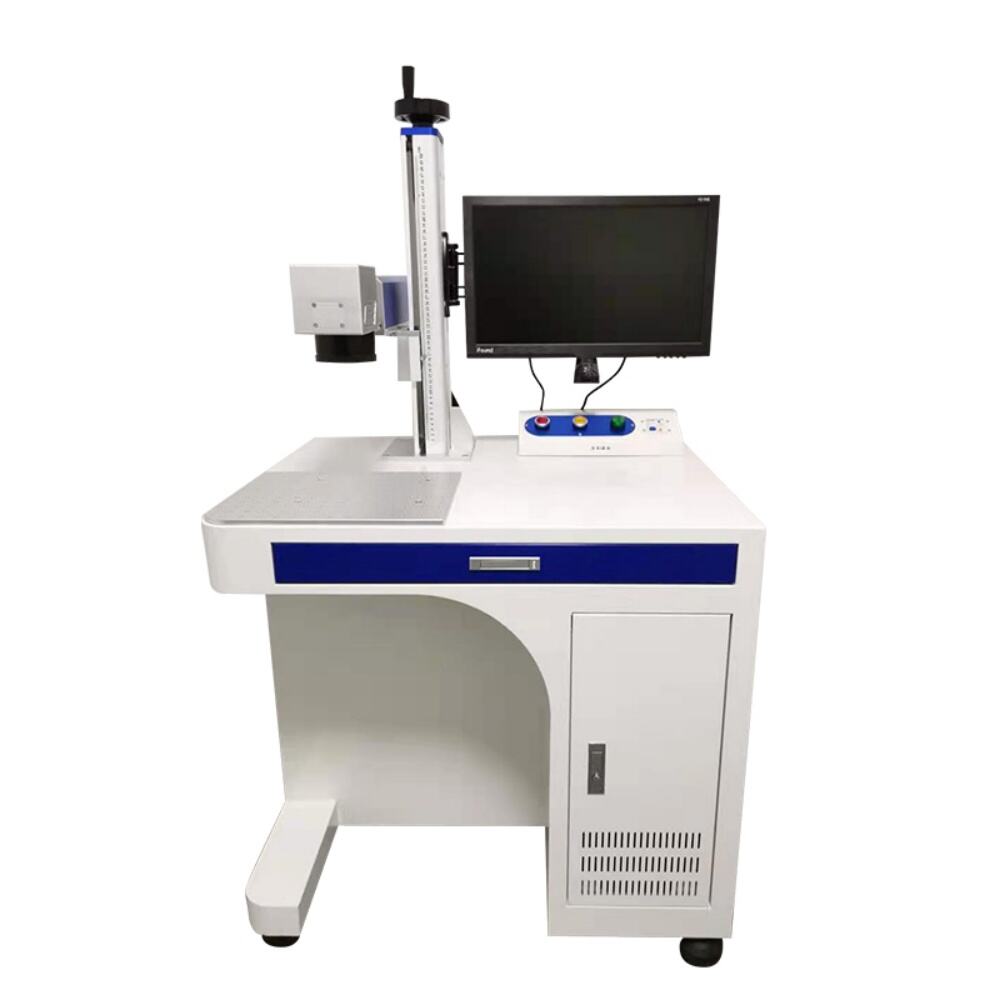
A fiber laser for cutting metal represents a revolutionary advancement in industrial manufacturing technology, utilizing concentrated light beams to achieve precise, clean cuts across various metallic materials. This sophisticated system employs fiber optic technology to generate and deliver high-intensity laser energy directly to the cutting surface, creating exceptional accuracy and efficiency in metal fabrication processes. The fiber laser for cutting metal operates by focusing photons through specially designed optical fibers, concentrating energy into an extremely narrow beam that can penetrate and slice through materials with remarkable precision. The fundamental operation involves generating laser light within a gain medium consisting of rare-earth elements like ytterbium, which are embedded in glass fibers. These elements absorb pump light and emit laser radiation at specific wavelengths optimized for metal absorption. The resulting beam travels through the fiber optic delivery system, maintaining its quality and intensity until it reaches the cutting head. At the cutting point, the fiber laser for cutting metal creates temperatures exceeding 10,000 degrees Celsius, instantly vaporizing or melting the material along predetermined paths. Modern fiber laser systems incorporate advanced beam shaping technologies that ensure consistent power distribution across the cutting area, eliminating irregularities and producing smooth, burr-free edges. The technology supports various cutting modes, including continuous wave operation for thick materials and pulsed operation for thin sections requiring minimal heat-affected zones. Computer numerical control integration allows operators to program complex cutting patterns, enabling automated production of intricate components with repeatable accuracy. Gas assist systems work alongside the fiber laser for cutting metal, using compressed air, oxygen, or nitrogen to blow away molten material and prevent oxidation. The combination of precise energy control, advanced optics, and intelligent automation makes this technology indispensable for industries requiring high-quality metal fabrication, from aerospace components to architectural elements.
 EN
EN