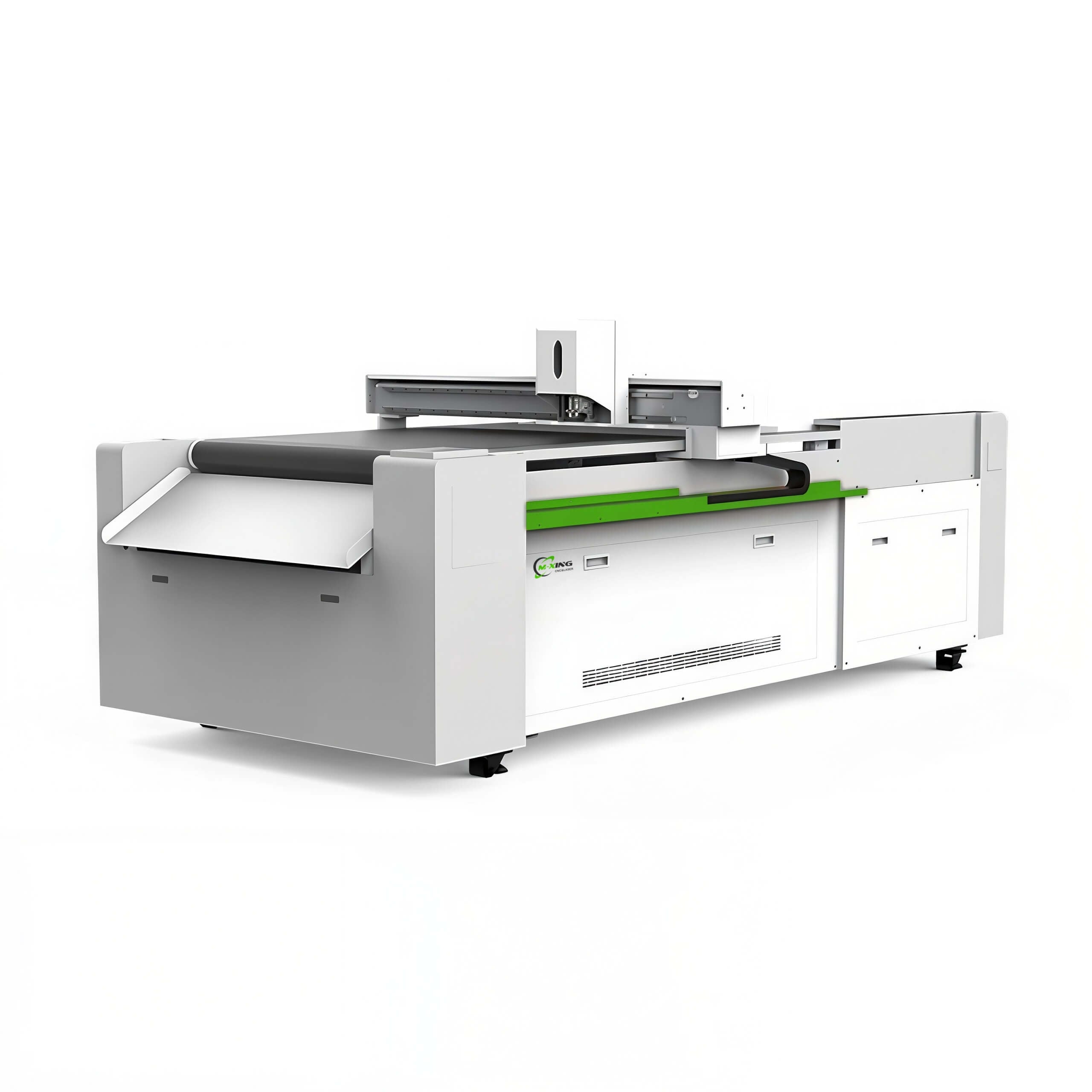
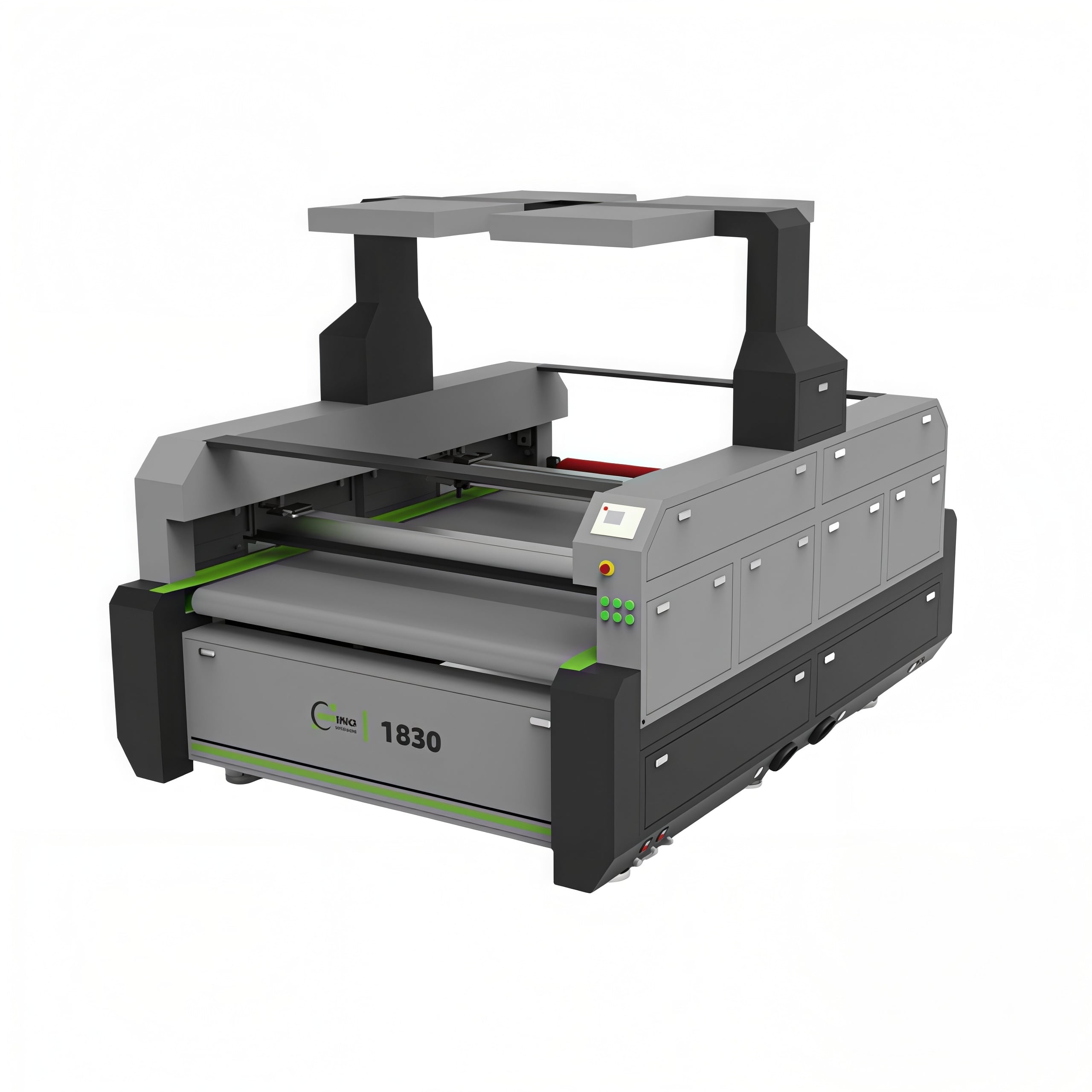
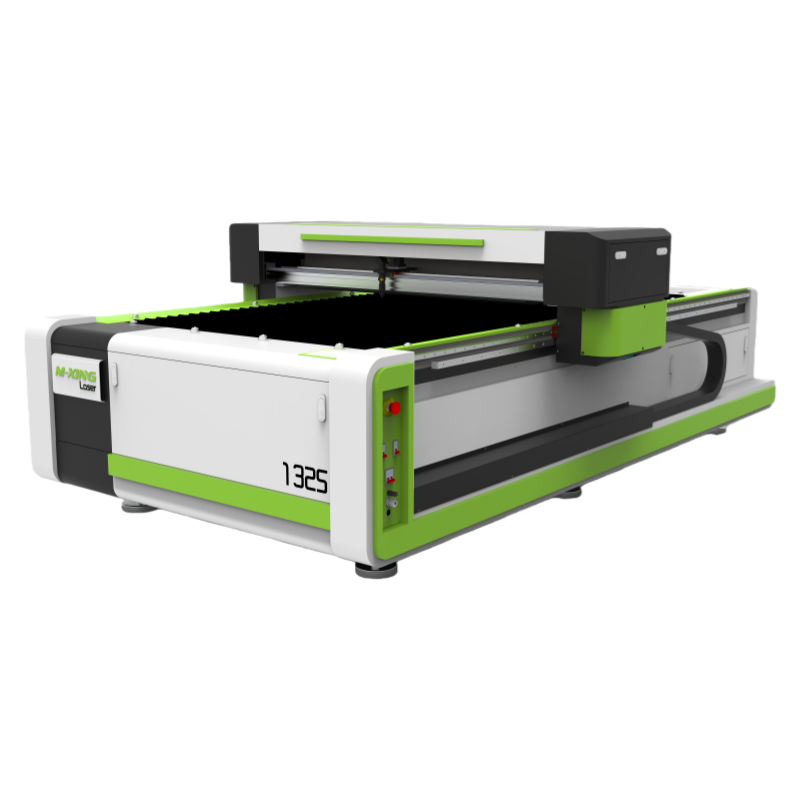
Usually in two places: buying more machine than the job requires, or buying a low upfront price that turns expensive after delivery.
If you are figuring out how to buy your first laser cutting machine, start with the real production need, not the catalog headline. Procurement teams often get pulled toward higher power, larger working areas, or extra features that sound useful but do not affect daily output. On the other side, a machine quoted very cheaply can create costs through unstable quality, slow delivery of spare parts, weak technical support, or unclear warranty terms.
A better question than “What is the cheapest machine?” is “What machine gives stable output for the materials and volume we actually buy for?” That shift alone prevents a lot of avoidable overspending.
Do this before sending one inquiry. If your specification is vague, every quote will look different, which makes price comparison almost useless.
For a CO2 laser cutting or engraving purchase, define these points first:
Without that baseline, suppliers may quote different tube power, table size, control systems, or accessory bundles. Then the lowest number on paper is not really the lowest comparable offer.
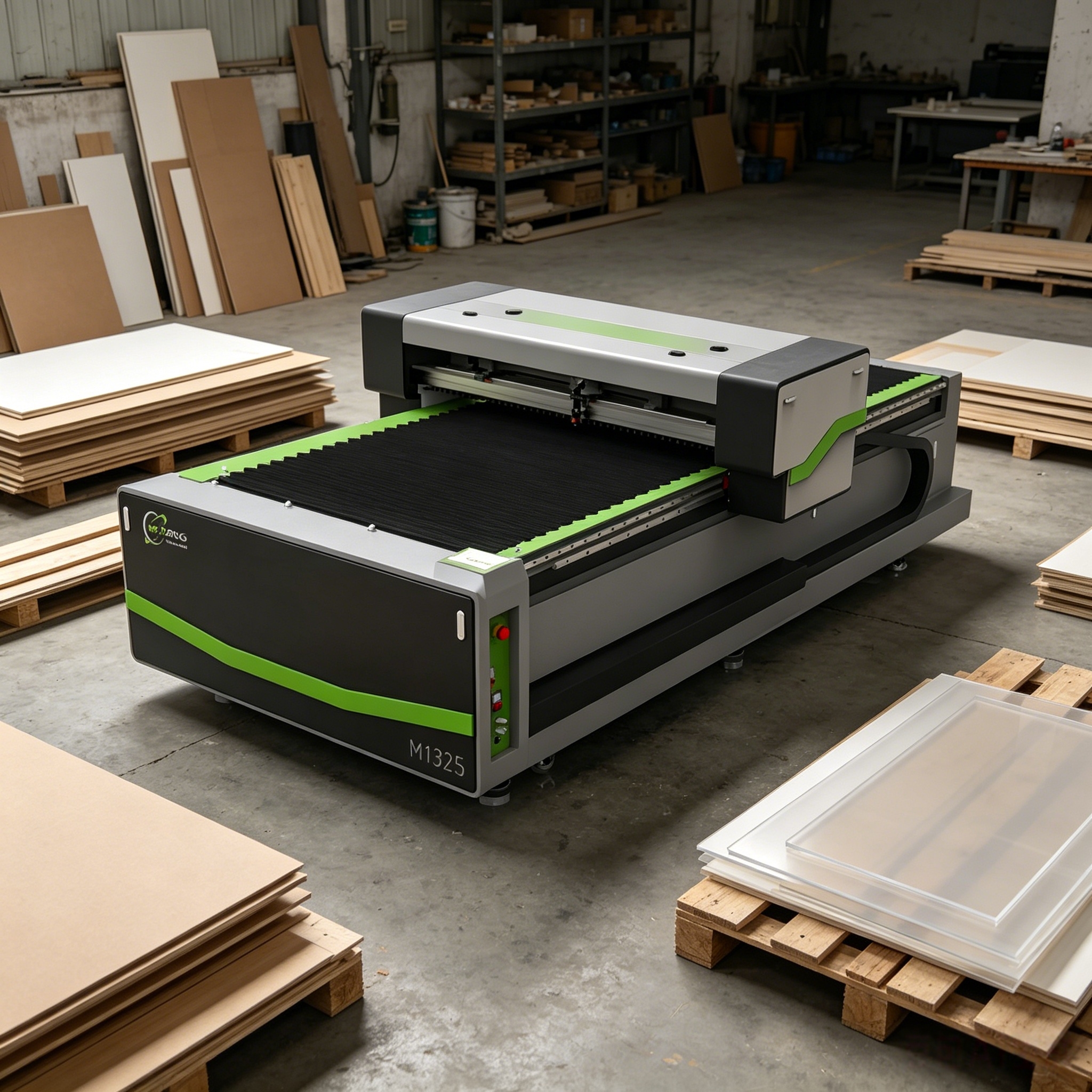
For many first-time buyers focused on non-metal materials, yes. A CO2 laser machine is commonly chosen for cutting and engraving acrylic, wood, textiles, leather, paper, and similar materials. That makes it a practical entry point for buyers sourcing machines for signage, crafts, packaging samples, garment work, or light industrial fabrication.
The mistake is assuming one machine type covers every job. If your requirement includes materials outside typical CO2 applications, the buying decision changes quickly. So instead of asking for a generic “best laser machine,” match the machine type to the material list and output target in your purchase brief.
That is especially important for procurement, because the wrong machine category is not a small pricing error. It is a sourcing failure that can lead to rework, downtime, or a second purchase.
Break the quote into comparable parts. Many buyers see a large price spread and assume one supplier has better margin control. In reality, the machines may not be configured the same way at all.
| What to Compare | Why It Changes Cost |
|---|---|
| Laser tube power and brand level | Affects cutting ability, replacement cycle, and output stability |
| Working area and machine structure | Larger beds and heavier frames raise machine and shipping cost |
| Cutting versus engraving setup | Different tables, motion systems, and accessories may be included |
| Cooling, exhaust, and air assist package | Some quotes include them, others leave them optional |
| Software, training, and after-sales support | Support quality often shows up here, not in the machine body price |
| OEM or custom factory requirements | Special branding or configuration adds engineering and lead time |
Ask every supplier to quote against the same requirement sheet. Then request a line-by-line breakdown. If one quote is much lower, check what is missing before treating it as a saving.
Choose power based on your regular workload, not on occasional edge cases. Buyers often overspend by sizing the machine for the thickest material they might process once in a while. That usually leads to paying more for a machine that runs below its real capacity most of the time.
When reviewing offers, ask suppliers to explain the recommended power in relation to three things: your main material, typical thickness, and required speed. If they only give a power number without connecting it to those factors, the recommendation is too generic to support a purchasing decision.
For procurement, the useful comparison is not simply higher versus lower power. It is whether the quoted machine can deliver acceptable cut quality and cycle time for the jobs that generate most of your volume.
That depends on what you need beyond the machine itself. A factory-direct source can make sense if your team wants clearer pricing, technical communication, and potential customization. An OEM-focused supplier may be a better fit if branding, configuration alignment, or repeat wholesale purchasing matters. A trading company can still work, but only if it adds real coordination value and stays transparent about service responsibility.
The key point is not the label. It is who owns the answer when something goes wrong. Before you issue a purchase order, identify who handles installation guidance, spare parts, troubleshooting, and warranty decisions. If those responsibilities are vague, the lower purchase price can become expensive very quickly.
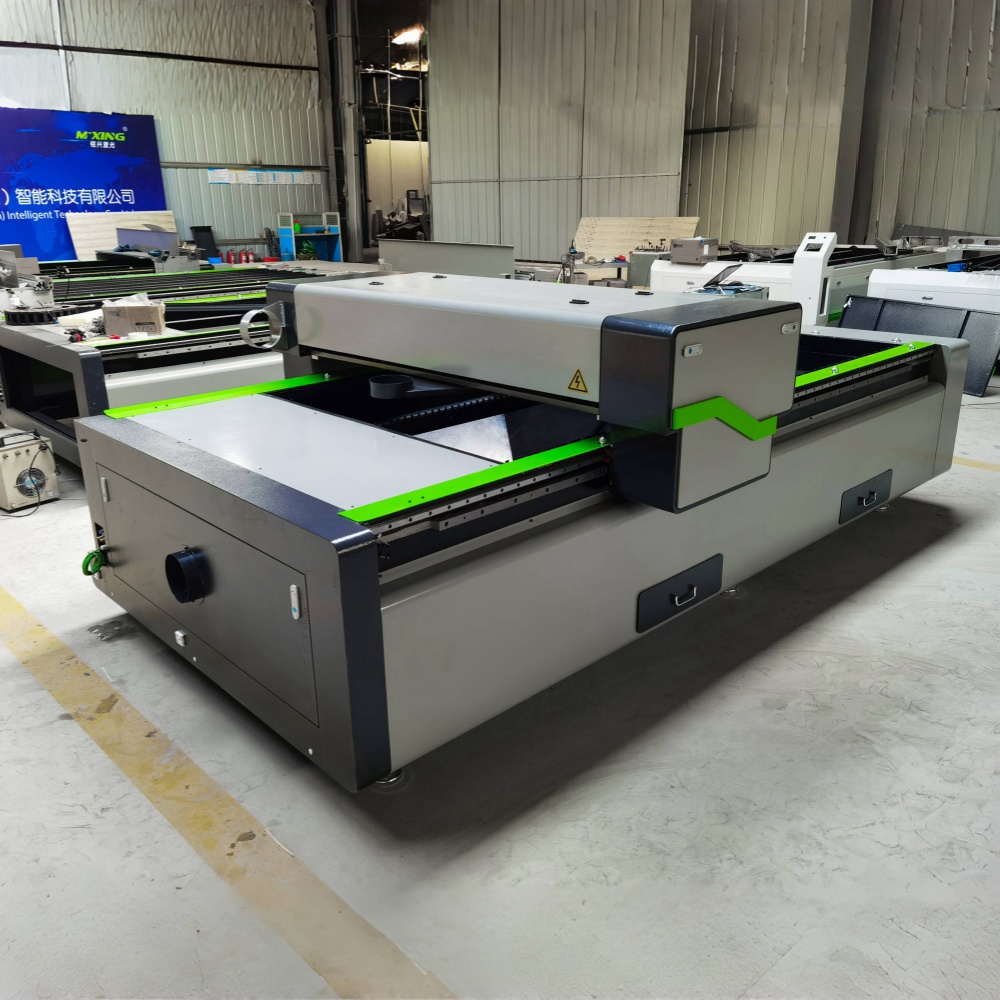
Ask for documents that help you verify commercial scope and technical fit, not just a polished quotation.
This matters because many disputes are not about whether a machine was shipped. They are about whether the delivered configuration matches what the buyer thought was included.
The machine price is only part of the spend. A careful first purchase should look at total acquisition cost over the early operating period.
Common hidden costs include freight, import handling, installation preparation, ventilation setup, operator training time, consumables, replacement parts, and production loss if the machine is delayed or hard to support. Some buyers also forget the cost of buying a machine that is too slow for planned output. A cheaper machine that misses throughput targets can be more expensive than a higher-priced unit that keeps orders moving.
When comparing suppliers, ask each one to state what is included and what the buyer must arrange locally. This makes your budget more honest and your approval process much easier.
Look for consistency in technical answers and commercial detail. Reliable suppliers usually answer practical questions directly: what configuration is proposed, what support is included, what parts are considered routine replacements, and how problems are handled after shipment.
Pay attention to warning signs. If the response stays vague when you ask about machine scope, lead time, consumables, or service responsibility, that is not a minor communication issue. It often points to trouble after payment.
For a first purchase, the safer supplier is usually the one that helps you narrow the right configuration instead of pushing the biggest model in the fastest possible way.
Only if your order structure supports it. Wholesale pricing can help when you are planning multiple units, repeat procurement, or OEM distribution. For a single first machine, chasing the lowest factory-wholesale figure is not always the best move if it means weaker support or a poorly matched specification.
Procurement teams sometimes focus too heavily on unit price and miss the value of a stable supply relationship. If future expansion is likely, it makes sense to discuss repeat-order pricing, spare parts availability, and OEM options early. If this is a one-machine operational purchase, configuration accuracy and service clarity should carry more weight than a headline discount.
A few show up again and again.
None of these mistakes looks dramatic at quote stage. They become expensive later, which is why procurement should slow down at the comparison stage rather than during the dispute stage.
Keep it simple and disciplined. Start with your application brief, send the same requirement set to multiple suppliers, compare configuration before price, then review service terms before approval.
A practical sequence looks like this:
If you want a workable rule for how to buy your first laser cutting machine without overpaying, use this one: pay for the capacity you will actually use, and pay close attention to the support you will actually need. That is where most good buying decisions separate from expensive ones.
 Hot News
2026-02-05
2026-02-03
2025-12-01

Mingxing Laser is a leading China-based laser machine manufacturer offering CO2 laser cutters, fiber laser cutting machines, CNC routers, laser welders & marking machines. OEM/ODM custom solutions available. Get a quote today!
- Company Headquarters: Room 1303, Building 4, UnitedFortune Plaza, High-tech Zone, Jinan City, Shandong Province, China
- Manufacturing Plant: No. 18, Yinhe Road, Jibei Street, Jiyang District, Jinan City, Shandong Province, China
Copyright © 2026 Century Mingxing (jinan) Intelligent Technology Co., Ltd. All rights reserved. Privacy Policy

 EN
EN