
 EN
EN
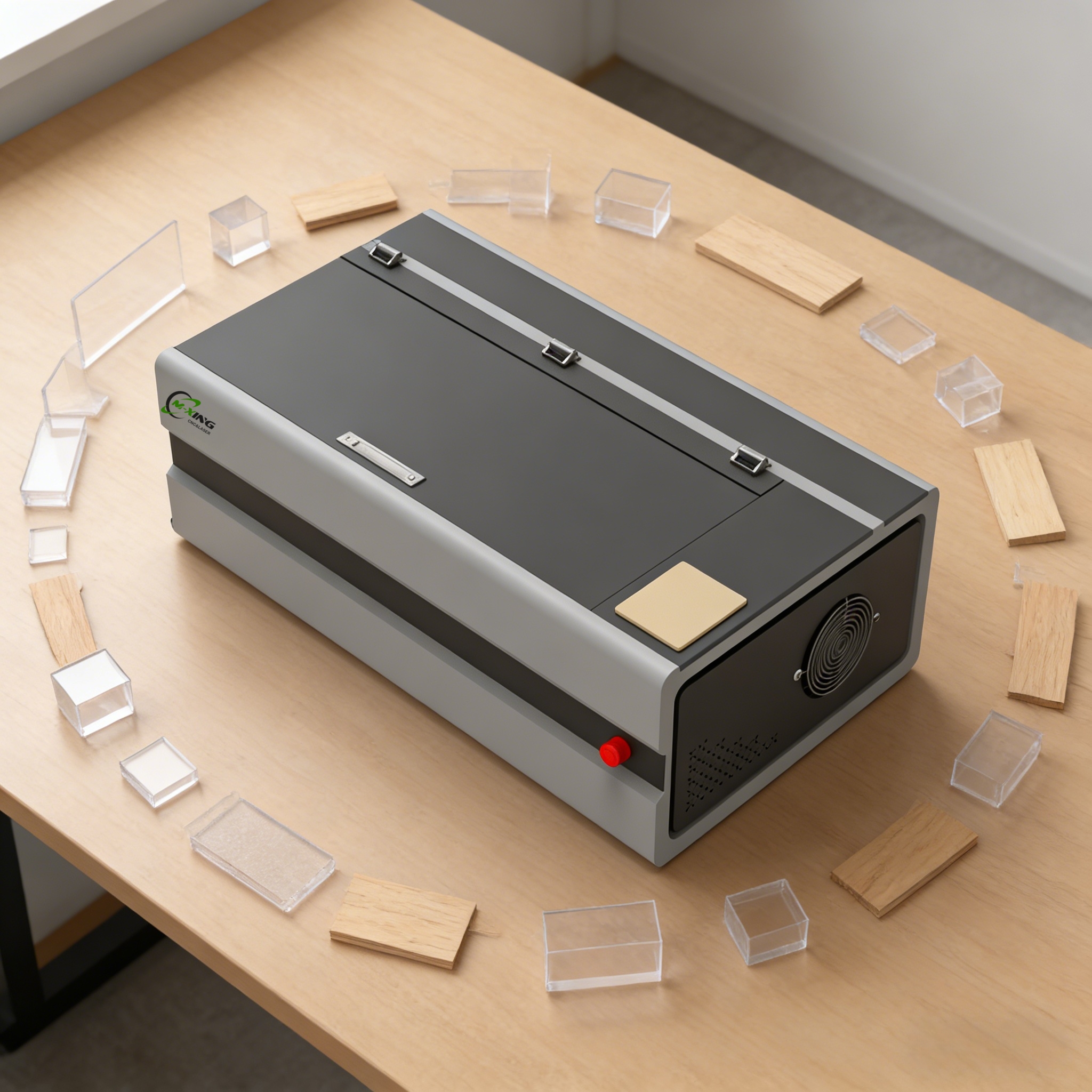
Manufacturing operations face persistent challenges in joining materials with precision, speed, and cost-effectiveness. Traditional welding methods often struggle with heat distortion, material waste, and the need for extensive post-processing. A co2 laser cutter represents a breakthrough solution that addresses these critical manufacturing problems by delivering superior accuracy, minimal thermal impact, and exceptional repeatability across diverse production environments.
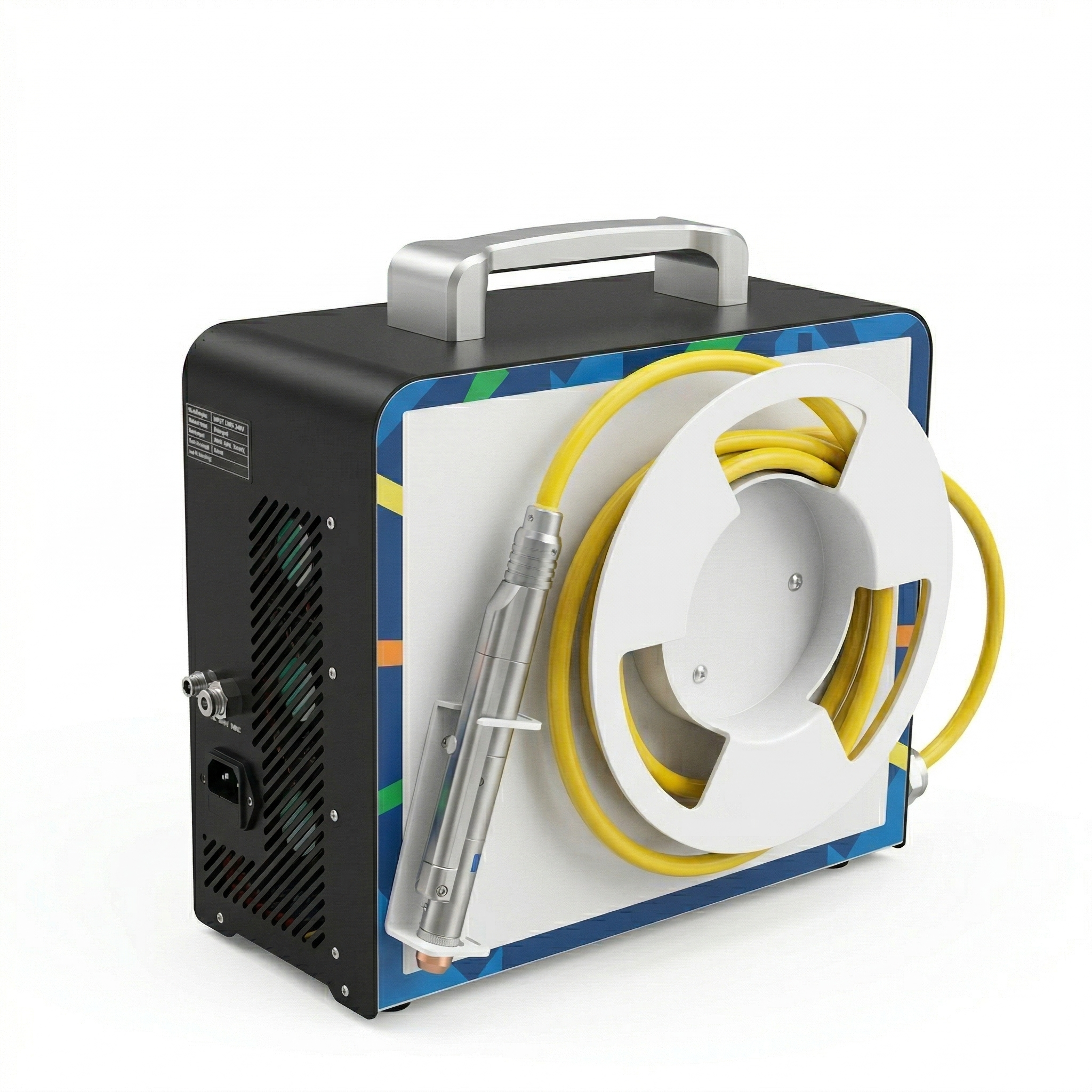
Understanding how a co2 laser cutter solves manufacturing problems requires examining the specific limitations of conventional welding techniques and the technological advantages that laser-based joining brings to the production floor. This exploration reveals why leading manufacturers increasingly turn to co2 laser cutter systems for applications demanding precision, reliability, and scalability.
Precision Joining and Thermal Control
Minimizing Heat-Affected Zones
One of the most significant advantages a co2 laser cutter offers is its ability to concentrate energy in an extremely narrow focal point. Unlike traditional arc welding that generates broad heat zones, a co2 laser cutter creates minimal thermal impact on surrounding material. This focused energy delivery means the heat-affected zone remains small, reducing material brittleness, warping, and metallurgical changes that compromise structural integrity. Components retain their original mechanical properties outside the weld area, a critical benefit for aerospace, automotive, and medical device manufacturing.
The precision control of a co2 laser cutter eliminates the need for extensive cooling and straightening operations post-welding. Manufacturers reduce secondary processing costs and production timelines significantly. Materials that traditionally required complex fixturing or stress-relief treatments can now be handled directly after welding, demonstrating how a co2 laser cutter streamlines the entire production workflow.
Achieving Superior Material Fusion
A co2 laser cutter achieves weld penetration through rapid laser energy absorption, creating a deep, narrow fusion zone with exceptional strength. The beam's wavelength ensures consistent material interaction, enabling co2 laser cutter operators to produce welds with predictable dimensions and mechanical properties across thousands of parts. This consistency eliminates variability that plagues conventional processes where operator skill, ambient conditions, and equipment drift introduce defects.
Quality control becomes dramatically simpler when using a co2 laser cutter because the process parameters remain stable and repeatable. Manufacturers can establish proven settings that deliver identical results across production runs, reducing scrap rates and rework expenses that directly impact profitability.
Cost Efficiency and Production Speed
Reducing Material Waste and Labor Requirements
Traditional welding methods generate substantial material losses through oxidation, spatter, and slag formation. A co2 laser cutter eliminates these waste streams entirely, as the process produces minimal spatter and requires no consumable electrodes or flux materials. For manufacturers processing expensive materials like stainless steel, titanium, or specialized alloys, the material preservation benefit of a co2 laser cutter directly increases profit margins on each component produced.
Labor costs also decline when implementing a co2 laser cutter system. The process requires minimal pre-weld cleaning, fixture setup is simpler, and post-weld finishing demands are dramatically reduced. A co2 laser cutter enables higher throughput per operator and faster cycle times, allowing facilities to meet aggressive production schedules without proportionally increasing staffing levels.
Accelerating Production Cycles
Speed is a decisive factor in modern manufacturing competitiveness. A co2 laser cutter completes welds in fractions of a second compared to conventional methods requiring multiple passes and cooling intervals. For applications like battery pack assembly, automotive structural components, or electronics enclosures, the speed advantage of a co2 laser cutter translates directly into higher daily production output.
The rapid cycling capability of a co2 laser cutter supports just-in-time manufacturing strategies and enables manufacturers to respond quickly to market demands. Companies deploying a co2 laser cutter often report production increases of 30 percent to 50 percent without facility expansion or significant capital expenditure increases.
Versatility Across Materials and Applications
Handling Diverse Material Combinations
Manufacturing challenges intensify when joining dissimilar materials such as copper to aluminum, steel to stainless steel, or composites to metals. Traditional welding methods struggle with these combinations due to melting point differences and metallurgical incompatibilities. A co2 laser cutter excels at dissimilar material joining because the focused energy profile and rapid cooling rates minimize chemical reactions and phase transformations that create weak joints. This capability opens new design possibilities for engineers previously constrained by joinability limitations.
The flexibility of a co2 laser cutter extends to varying component thicknesses within a single assembly. Manufacturers can weld thick sections and delicate features on the same part without compromising quality at either location. This adaptability addresses a fundamental manufacturing problem that conventional processes cannot easily solve.
Supporting Complex Geometries
Complex shapes, tight tolerances, and internal cavities present challenges for traditional welding accessibility. A co2 laser cutter delivers energy through optics and can reach internal surfaces, confined spaces, and irregular geometries that manual or robotic arc welding cannot access. For medical devices, precision instruments, and intricate assemblies, a co2 laser cutter removes manufacturing constraints that previously forced design compromises.
The non-contact nature of a co2 laser cutter process eliminates the risk of component contamination or distortion from mechanical pressure. Sensitive materials and pre-assembled components can be joined safely, solving production sequencing problems that plague conventional assembly workflows.
FAQ
What specific manufacturing problems does a co2 laser cutter address?
A co2 laser cutter directly solves heat distortion, material waste, inconsistent weld quality, labor intensity, and limited material compatibility issues. It enables precise joining with minimal thermal impact, reduces scrap rates, improves repeatability, lowers labor requirements, and accommodates dissimilar and sensitive materials that conventional welding cannot effectively join.
How does a co2 laser cutter improve manufacturing profitability?
The co2 laser cutter increases profitability through material preservation, reduced labor intensity, faster cycle times, lower rework costs, and minimal secondary processing requirements. These combined benefits lower per-unit production costs while enabling higher throughput and improved cash flow from faster order completion.
Can a co2 laser cutter integrate with existing production systems?
Yes, a co2 laser cutter systems can integrate into automated production lines with robotic handling, conveyor systems, and quality inspection equipment. Facilities can gradually implement a co2 laser cutter technology by introducing focused systems for specific applications first, then expanding deployment as experience and confidence grow across the organization.
