
 EN
EN
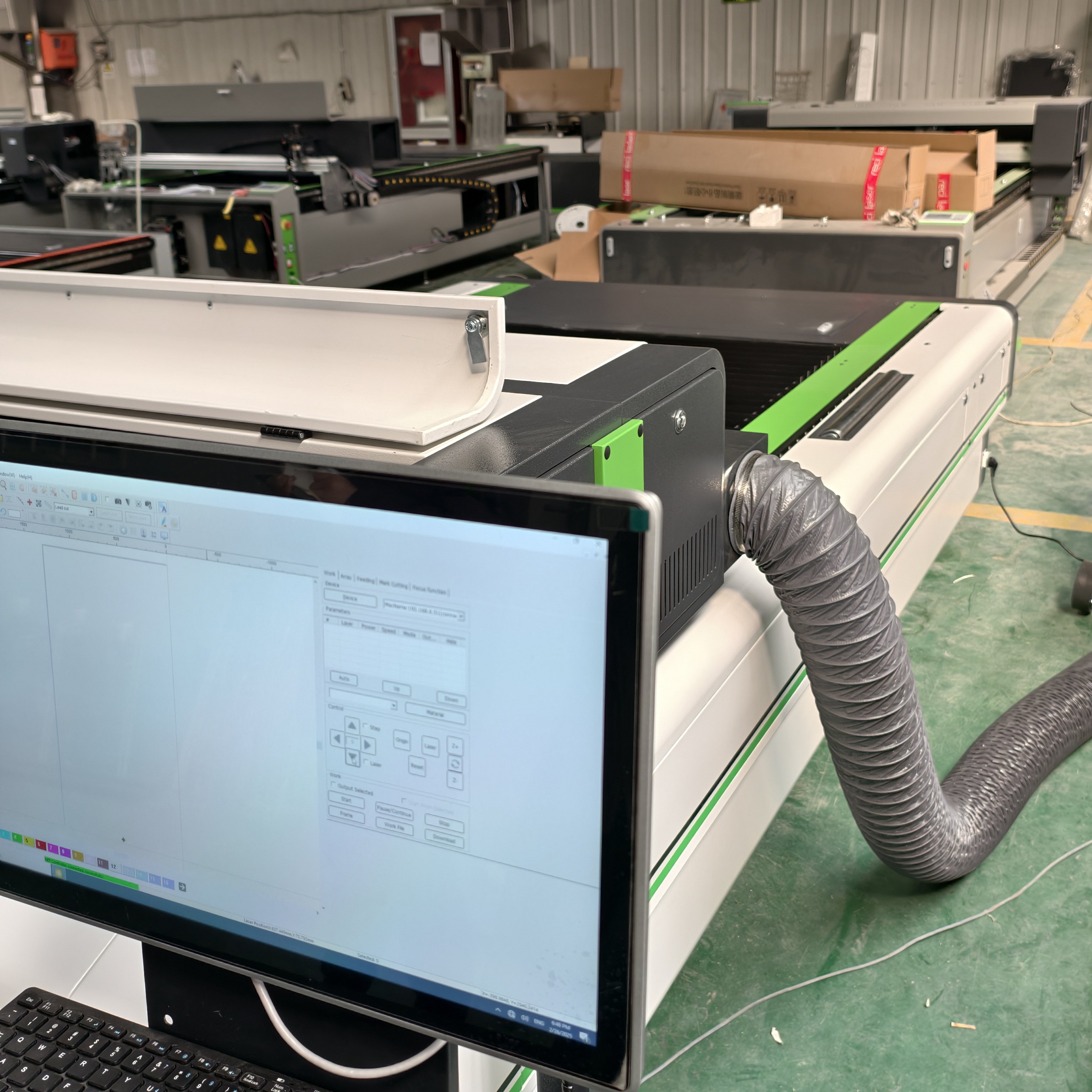
Selecting the right laser engraving machine requires understanding your specific metal fabrication needs, production volume, and precision requirements. A laser engraving machine is a critical investment for any metal working operation, whether you're in aerospace, automotive, jewelry, or custom manufacturing. The laser engraving machine you choose will directly impact your output quality, production speed, and operational costs over several years. This guide walks you through the essential factors that make a laser engraving machine suitable for your metal application.
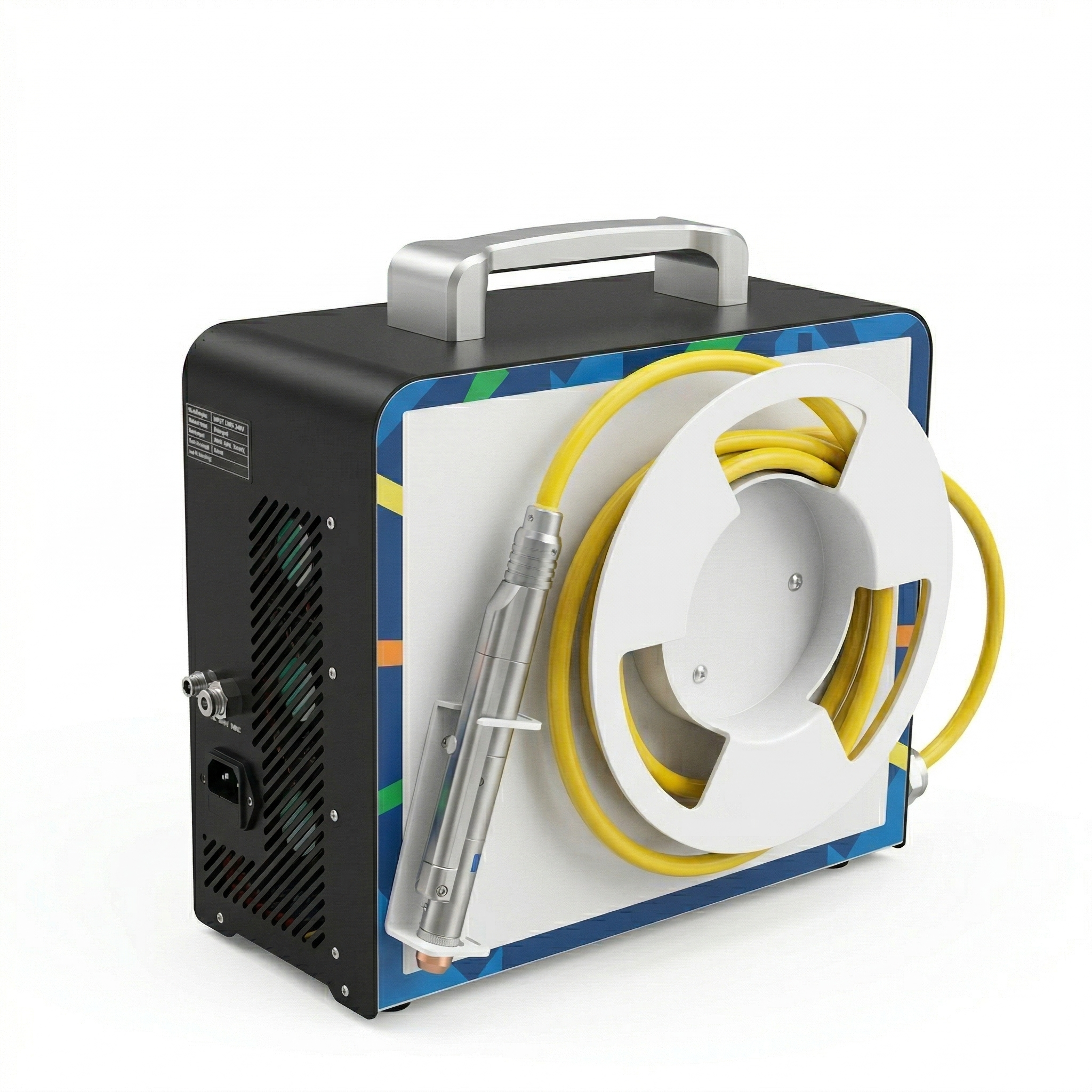
The metal engraving landscape has evolved significantly with fiber and CO2 laser technologies, each offering distinct advantages for different metal substrates and design patterns. When evaluating any laser engraving machine, you must first determine whether fiber laser technology or another laser type aligns with your metal grades, thickness range, and desired marking depth. Understanding these foundational differences ensures your laser engraving machine investment delivers consistent results without costly rework or equipment downtime.
Laser Engraving Machine Power and Wavelength Selection
Understanding Fiber versus CO2 Technology
A fiber-based laser engraving machine operates at a shorter wavelength, typically around 1064 nanometers, making it ideal for ferrous metals, aluminum alloys, and stainless steel. This laser engraving machine type excels at permanent marking and deep engraving because the metal absorbs fiber wavelengths more efficiently than longer wavelengths. CO2 laser engraving machines, conversely, work better for non-metals like leather, wood, and acrylic, and perform less effectively on polished metal surfaces due to reflectivity. For serious metal production, a fiber-based laser engraving machine remains the superior choice, delivering sharper lines and deeper penetration with less wasted energy.
Power Output Considerations
A 20-watt laser engraving machine handles light marking and shallow engravings on thin metal stock, while a 50-watt or 100-watt laser engraving machine suits production environments requiring deeper penetration and faster marking speeds. Industrial applications demanding high throughput typically benefit from a 100-watt or higher-powered laser engraving machine to minimize cycle time per part. When specifying your laser engraving machine power, balance your speed targets against your depth requirements and budget constraints. A laser engraving machine that operates above your actual power needs wastes energy and increases operational expense, whereas underpowered equipment creates bottlenecks and quality inconsistencies.
Precision, Material Compatibility, and Engraving Depth
Focusing on Beam Quality and Resolution
The beam quality of your laser engraving machine directly determines the sharpness of fine details, text clarity, and edge definition on metal surfaces. A laser engraving machine with superior beam quality, measured in M² value, produces tighter focus spots and finer feature resolution, critical for intricate logos, serial numbers, and technical drawings. Industrial-grade laser engraving machine models typically offer beam quality ratings below 1.5 M², ensuring consistent spot sizes across the work area. When comparing laser engraving machine specifications, request detailed beam quality documentation and ask for sample engravings on your target metal substrates to verify resolution meets your requirements.
Material-Specific Compatibility and Depth Control
Your laser engraving machine must reliably mark ferrous metals, stainless steel, aluminum, titanium, and copper without surface degradation or inconsistent color. Some laser engraving machine systems struggle with highly reflective aluminum, requiring specialty coatings or treatment, while others accommodate standard grades directly. Engraving depth control becomes essential when your laser engraving machine must produce varying depths on the same part; precise power modulation and focus adjustment enable this flexibility. Test your candidate laser engraving machine on production-representative samples across your full material range before commitment, confirming that depth, contrast, and surface finish meet specifications consistently.
System Integration, Automation, and Total Cost Considerations
Software Compatibility and Workflow Integration
Your laser engraving machine must integrate seamlessly with your design software, CAD systems, and production workflow to minimize setup time and operator training. A laser engraving machine with intuitive software, batch processing capabilities, and rapid job loading functions reduces per-part handling and increases shop floor efficiency. Look for a laser engraving machine that supports common file formats—DXF, PDF, PNG—and offers variable parameter control so operators can fine-tune results without redesigning jobs. Integration challenges with your laser engraving machine can eliminate productivity gains, so evaluate software usability during on-site demonstrations and request references from current users running similar production profiles.
Maintenance, Support, and Long-Term Operating Costs
Operating your laser engraving machine economically requires understanding maintenance intervals, replacement part costs, and local technical support availability. A reputable laser engraving machine supplier provides clear documentation on consumable replacement schedules, spare part pricing, and warranty coverage to help you forecast total cost of ownership accurately. Laser engraving machine downtime during peak production periods can cost far more than premium support and expedited parts delivery, making supplier proximity and responsiveness critical selection criteria. Request references from at least three existing users of your target laser engraving machine model, specifically asking about support responsiveness, parts availability, and maintenance predictability over their operating history.
FAQ
What power laser engraving machine should I buy for production?
A 50-watt to 100-watt laser engraving machine typically balances production speed and engraving depth for most commercial metal shops, though your specific material types and design complexity should guide the final decision. High-volume operations often prefer 100-watt or higher laser engraving machine models to minimize cycle time, while custom or lower-volume shops may find 30 to 50 watts sufficient and more cost-effective. Consult with your prospective laser engraving machine supplier about your actual throughput targets and test the equipment on representative jobs before purchasing.
Can a laser engraving machine work on all metal types?
A fiber laser engraving machine marks virtually all metals effectively, including ferrous metals, stainless steel, aluminum, titanium, and brass, though marking contrast and surface finish vary by material. Some metals like polished aluminum may require chemical surface preparation before marking to achieve high-contrast results, but the laser engraving machine itself does not damage or reject any common industrial metal. CO2 laser engraving machines perform poorly on shiny metals due to reflectivity, so always confirm your laser engraving machine uses fiber technology for metal-specific work.
How do I verify a laser engraving machine meets my precision needs?
Request a laser engraving machine demonstration on your actual parts or production-representative samples, specifically testing fine detail resolution, text clarity, and consistency across multiple passes. Ask the supplier to provide sample engravings with your target metal grades and designs, allowing you to inspect edge sharpness, depth uniformity, and marking contrast under magnification. A competent laser engraving machine vendor will welcome on-site testing and provide documented proof of capability before you commit to purchase or sign a lease agreement.
