
 EN
EN
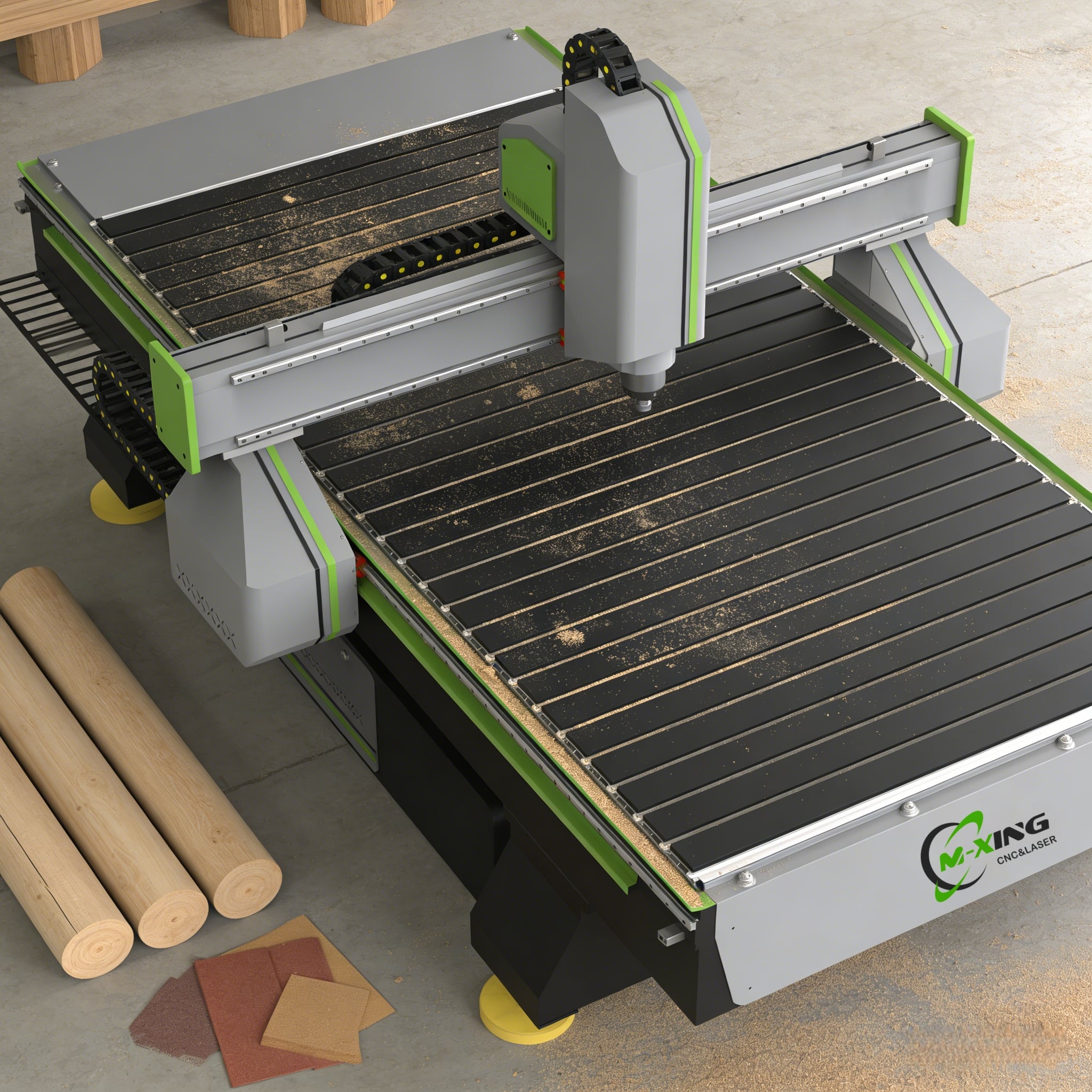
Laser marking machines have become essential tools across manufacturing, electronics, medical devices, and automotive industries, and understanding how they function reveals the sophisticated engineering behind modern precision marking. A cnc machine equipped with laser technology automates the marking process with exceptional accuracy, repeatability, and speed. In 2026, these systems continue to evolve with enhanced software integration, faster processing capabilities, and broader material compatibility. Whether you are marking metal components, plastic housings, or specialized materials, the underlying principles of cnc machine operation remain consistent while advancing in capability.
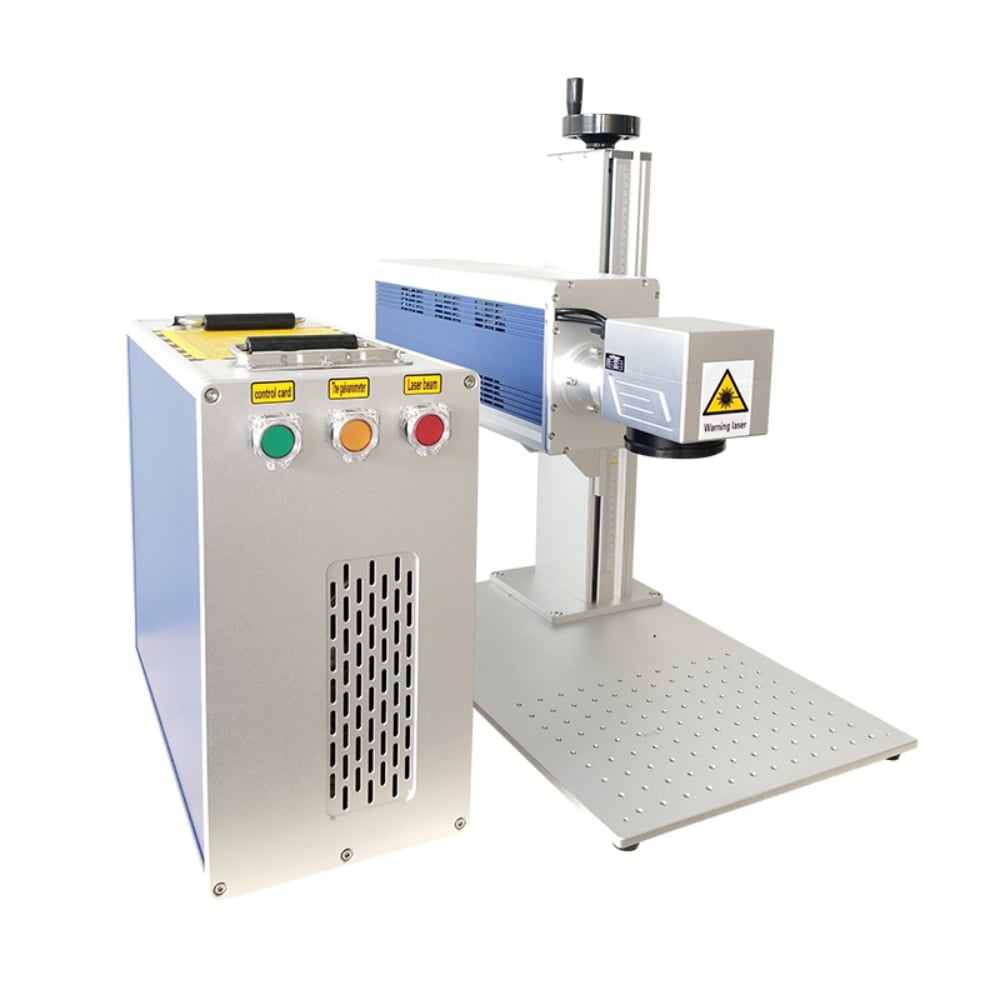
The operation of a cnc machine in a laser marking system begins with a digital design file, typically in formats such as vector graphics or bitmap images. This file is uploaded to the cnc machine control software, which interprets the design and converts it into a series of movement commands. The cnc machine then directs the laser beam across the workpiece surface following the programmed path, creating marks through thermal etching, discoloration, or material removal depending on the laser type and material composition.
Core Components of a Laser Marking cnc Machine System
Laser Source and Beam Delivery
The laser source is the heart of any cnc machine marking system, generating the concentrated light beam used for etching. Modern cnc machine systems employ fiber lasers, CO2 lasers, or solid-state lasers, each optimized for different material types. A cnc machine fiber laser excels at marking metals and some plastics, while a cnc machine CO2 laser works best with organic materials like wood, leather, and paper. The beam travels from the source through optical components to a scanning head that positions the laser precisely on the workpiece surface.
Motion Control and Positioning
A cnc machine positioning system uses galvanometer mirrors or XY stage motors to direct the laser beam to exact coordinates. The cnc machine controller calculates the required mirror angles or stage movements based on the design file, enabling micro-level precision. Advanced cnc machine systems feature servo-driven stages that achieve positioning accuracy within micrometers, essential for intricate designs, barcodes, and serial numbers. The cnc machine motion feedback system continuously monitors actual position against commanded position, ensuring every mark matches the design specifications.
How cnc Machine Laser Marking Processes Work
Design Upload and Path Generation
The marking workflow begins when operators input a design into the cnc machine software interface. The cnc machine system converts the design into a machine-readable format, calculating the laser path that will reproduce the intended mark. For a cnc machine marking vector artwork, the software traces the outline and creates movement instructions. For a cnc machine processing photographic images, the software analyzes pixel intensity and converts it into dot patterns or line densities, instructing the cnc machine to vary beam dwell time or intensity across different regions.
Laser Power and Pulse Control
A cnc machine operator adjusts laser power output measured in watts, controlling mark depth and darkness. The cnc machine software modulates laser power in real time as the beam travels across the workpiece. Pulse frequency, measured in kilohertz, determines how rapidly the laser turns on and off. A cnc machine set to high frequency creates smooth, continuous marks, while lower frequency settings produce dotted or stippled effects. This dynamic control enables a cnc machine to achieve varying mark contrast within a single design, enhancing visual appeal and information density.
Environmental Factors and cnc Machine Performance
Material Surface Interaction
When laser energy strikes a workpiece, the cnc machine's thermal impact creates the visible mark through different mechanisms depending on material composition. On metals, a cnc machine laser causes localized heating that oxidizes the surface, creating contrast without material removal. On plastics, a cnc machine laser beam melts or vaporizes the material, changing surface reflectivity. A cnc machine marking wood causes charring, producing dark marks. For each material type, a cnc machine operator must calibrate power, speed, and pulse parameters to optimize mark quality while preventing surface damage or excessive heat distortion.
Speed and Throughput Optimization
A cnc machine laser marking speed directly influences production throughput and operating costs. Faster cnc machine beam scanning reduces time per mark, enabling higher volume processing. Modern cnc machine systems achieve scanning speeds exceeding 10 meters per second for simple marks, while complex designs require slower speeds for precision. A cnc machine operator balances speed against mark quality; excessive speed on a cnc machine can result in incomplete marks or poor contrast. Production facilities optimize cnc machine settings based on part geometry, material type, and required mark permanence.
Real-World Applications and Industry Context
Manufacturing and Traceability
Industrial manufacturers deploy cnc machine laser marking systems to apply serial numbers, batch codes, and product identifiers directly onto components. This cnc machine approach eliminates label dependency and ensures permanent identification throughout the product lifecycle. Automotive suppliers use cnc machine systems to mark engine blocks and transmission housings with specification data. Electronics manufacturers rely on cnc machine technology to mark circuit boards with part numbers and assembly dates. Medical device producers use cnc machine systems for permanent marking that withstands sterilization cycles.
Personalization and Custom Production
Beyond industrial production, cnc machine laser marking enables custom personalization at scale. Retailers use cnc machine systems to add customer names or logos to promotional items with minimal setup time. Jewelry manufacturers employ cnc machine technology for precise, intricate engraving on precious metals. Gift and awards producers use cnc machine systems to mark commemorative text with artistic fonts. The flexibility of cnc machine software allows quick design changes between jobs, supporting small batch and made-to-order business models.
Emerging Trends in cnc Machine Laser Technology for 2026
Integration with Industry 4.0 Systems
Modern cnc machine laser marking systems increasingly integrate with factory automation networks, enabling remote monitoring and predictive maintenance. A cnc machine connected to IoT platforms can report mark quality metrics, component usage, and operational status in real time. Advanced cnc machine systems feature machine learning algorithms that detect deviations from expected performance, alerting operators before quality issues arise. This cnc machine connectivity supports just-in-time inventory management and optimizes marking schedules across multi-station production lines.
Enhanced Beam Precision and Versatility
Newer cnc machine designs achieve finer beam focus, enabling ultra-fine line widths and microscopic mark details previously impossible. Hybrid cnc machine systems combining fiber and CO2 capabilities allow seamless switching between material types without reconfiguration. Advanced optical components in modern cnc machine systems reduce aberrations and improve mark uniformity across large work areas. These enhancements expand the range of materials and applications a single cnc machine can handle efficiently.
FAQ
What materials can a cnc machine laser marking system mark effectively?
A cnc machine laser system can mark metals including steel, aluminum, titanium, and brass using fiber lasers. A cnc machine with CO2 laser capability excels at marking wood, leather, rubber, and natural materials. Some advanced cnc machine systems equipped with diode lasers can also mark specific plastics and composites. The specific cnc machine configuration needed depends on your primary material requirements and application demands.
How does a cnc machine achieve such fine marking precision?
A cnc machine achieves precision through servo-controlled positioning systems and closed-loop feedback mechanisms that verify actual beam position against commanded position in real time. Galvanometer mirrors in a cnc machine can deflect the laser beam with sub-micron accuracy across scanning distances. The cnc machine software synchronizes beam position with power modulation, ensuring consistent mark quality. Precision laser optics and cnc machine calibration procedures maintain consistent performance across thousands of marking cycles.
What maintenance does a cnc machine laser marking system require?
A cnc machine laser system requires regular cleaning of optical surfaces to maintain beam quality and marking consistency. Coolant systems in a cnc machine must be maintained to dissipate heat generated during extended operation. A cnc machine requires periodic software calibration to ensure positioning accuracy remains within specification tolerances. Regular inspection of cnc machine motion components, mirrors, and lenses helps detect wear before quality degradation occurs, maximizing uptime and mark quality.
