
 EN
EN
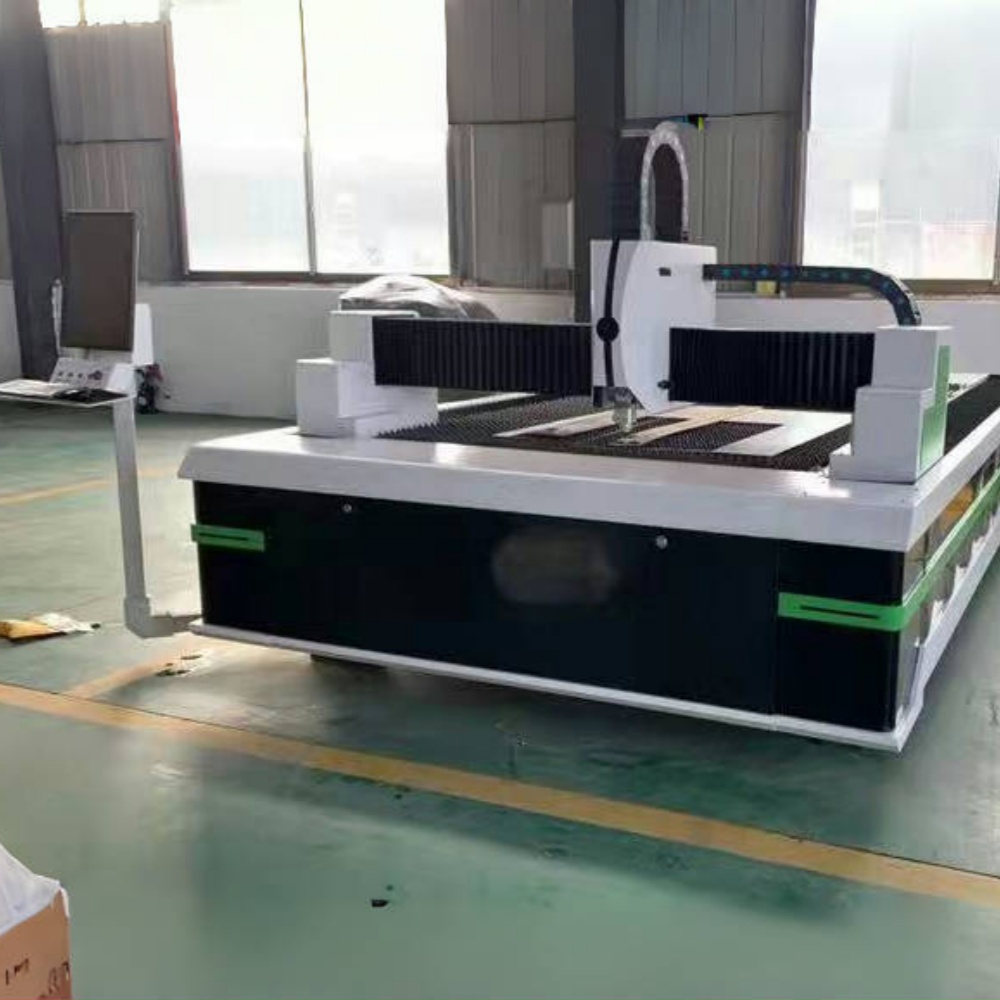
Buying a fiber laser cutting machine is one of the most significant capital investments a metal fabrication business can make. With dozens of configurations, power levels, and feature sets available in 2026, making the wrong choice can cost you productivity, money, and competitive advantage. Whether you are upgrading an existing shop or setting up a new cutting operation, understanding what truly matters in a fiber laser cutting machine purchase will help you avoid costly mistakes and secure long-term value.
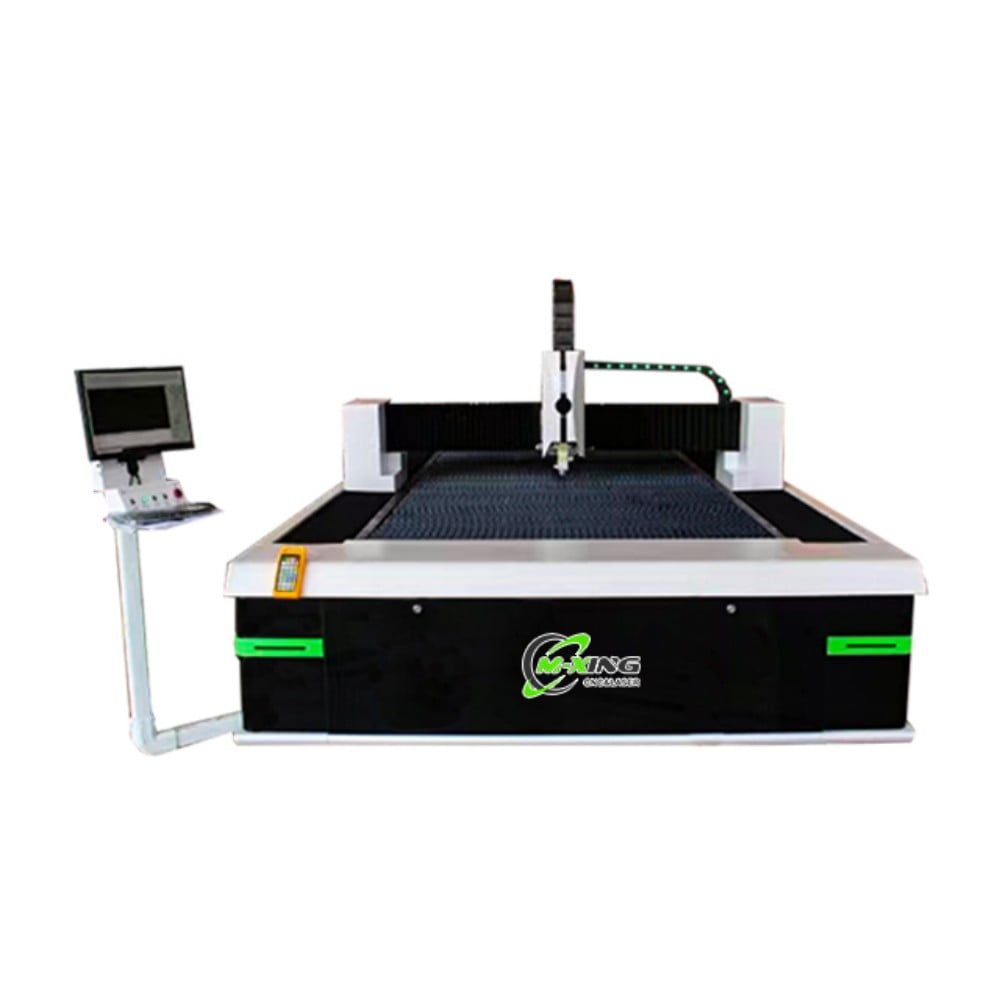
This guide walks you through the key decision factors every buyer must evaluate before committing to a fiber laser cutting machine in 2026. From laser power and cutting bed dimensions to software compatibility and after-sales support, each element plays a direct role in how well the fiber laser cutting machine performs in your specific production environment. Use these insights to ask smarter questions, compare options more effectively, and invest with confidence.
Understanding Your Production Requirements First
Material Type and Thickness Range
Before evaluating any fiber laser cutting machine specification, you must define exactly what materials and thicknesses your operation requires. A fiber laser cutting machine handles a wide range of metals including mild steel, stainless steel, aluminum, brass, and copper. However, the laser power needed to cut 20mm carbon steel cleanly is vastly different from what is required for 1mm stainless sheet work. Matching power output to your dominant material and thickness profile is the single most important decision you will make when choosing a fiber laser cutting machine.
In 2026, fiber laser cutting machine options commonly range from 1kW to 30kW and beyond. For thin sheet metal work under 6mm, a 1.5kW to 3kW fiber laser cutting machine typically delivers excellent speed and edge quality. For medium-thickness plate cutting up to 16mm, a 6kW to 12kW fiber laser cutting machine offers the right balance between cutting speed and capital cost. Heavy-duty structural cutting beyond 20mm demands a high-powered fiber laser cutting machine of 15kW or more, which also requires a more robust mechanical frame and cutting head design.
Production Volume and Duty Cycle
Your expected daily production volume directly affects which fiber laser cutting machine configuration is appropriate. A low-volume job shop may operate a fiber laser cutting machine for six to eight hours per day, while a high-throughput manufacturer may demand continuous operation across two or three shifts. Choosing a fiber laser cutting machine rated for intermittent use in a high-duty-cycle environment leads to accelerated component wear and unplanned downtime. Always confirm the rated duty cycle and mean time between failures for any fiber laser cutting machine you are considering.
Key Technical Specifications to Evaluate
Laser Source Quality and Brand Transparency
The laser source is the heart of every fiber laser cutting machine, and its quality directly determines beam stability, cutting consistency, and long-term reliability. In 2026, reputable fiber laser cutting machine suppliers are transparent about the laser source they use, its rated power output, beam quality parameter (M² value), and warranty terms. A fiber laser cutting machine with a high-quality laser source will maintain consistent cutting performance over years of operation, while a poorly sourced unit may show power degradation much earlier. Always request documentation confirming the laser source specifications for any fiber laser cutting machine under consideration.
Cutting Bed Size and Machine Rigidity
The cutting bed dimensions of a fiber laser cutting machine must align with the standard sheet sizes you process. Most industrial fiber laser cutting machine models accommodate 1500mm x 3000mm or 2000mm x 4000mm standard formats, but custom bed sizes are available for specialized applications. Beyond bed size, the structural rigidity of a fiber laser cutting machine chassis determines positional accuracy at high cutting speeds. A fiber laser cutting machine with a welded steel or cast iron base will resist vibration-induced positioning errors far better than a lightweight frame design, which matters greatly when cutting intricate geometries or tight-tolerance parts.
Additionally, examine the drive system of the fiber laser cutting machine. Rack-and-pinion systems are common on larger format machines, while linear motor drives offer faster acceleration and deceleration cycles for smaller fiber laser cutting machine models. Linear drive fiber laser cutting machine configurations tend to cost more upfront but deliver higher throughput for complex, small-part cutting tasks.
Evaluating Software, Support, and Total Cost of Ownership
CAM Software and Automation Integration
A modern fiber laser cutting machine is only as productive as the software ecosystem supporting it. In 2026, most competitive fiber laser cutting machine platforms ship with integrated CAM nesting software capable of optimizing sheet utilization, managing cutting sequences, and generating reports automatically. Evaluate whether the fiber laser cutting machine software supports your existing CAD file formats, interfaces with your ERP system, and allows remote monitoring. Automation-ready fiber laser cutting machine configurations with automatic sheet loading and unloading systems are increasingly cost-effective, especially for high-volume production environments where manual handling creates bottlenecks.
After-Sales Service and Spare Parts Availability
The purchase price of a fiber laser cutting machine is only one component of total cost of ownership. Service response time, spare parts availability, and technical training significantly affect the real cost of operating a fiber laser cutting machine over a five-to-ten year horizon. Before finalizing a fiber laser cutting machine purchase, confirm that the supplier maintains local service technicians, holds critical spare parts in regional warehouses, and offers structured operator training programs. A fiber laser cutting machine that sits idle waiting for a replacement cutting head or controller part costs your business far more than any upfront price difference between competing models. Request reference accounts from the supplier and speak directly with existing fiber laser cutting machine owners about their service experience.
FAQ
What laser power do I need for my fiber laser cutting machine?
The right power level for a fiber laser cutting machine depends on your primary material and thickness. For thin sheet work under 6mm, a 1.5kW to 3kW fiber laser cutting machine is typically sufficient. For thicker materials between 6mm and 20mm, consider a 6kW to 12kW fiber laser cutting machine. For heavy plate cutting, a 15kW or higher fiber laser cutting machine is recommended.
How important is the laser source brand in a fiber laser cutting machine?
The laser source brand and quality are critically important for any fiber laser cutting machine. The laser source determines beam quality, power stability, and service life. Always ask your fiber laser cutting machine supplier to provide documentation on the laser source specifications, warranty terms, and expected power degradation rates before committing to a purchase.
Should I prioritize cutting speed or accuracy in a fiber laser cutting machine?
The right priority depends on your specific application. For high-volume thin sheet production, cutting speed in a fiber laser cutting machine is typically the dominant performance metric. For precision part manufacturing requiring tight tolerances, positional accuracy in the fiber laser cutting machine matters more. Many modern fiber laser cutting machine models are engineered to deliver both, but understanding your primary production need helps you select the correct drive system and controller configuration.
