
 EN
EN
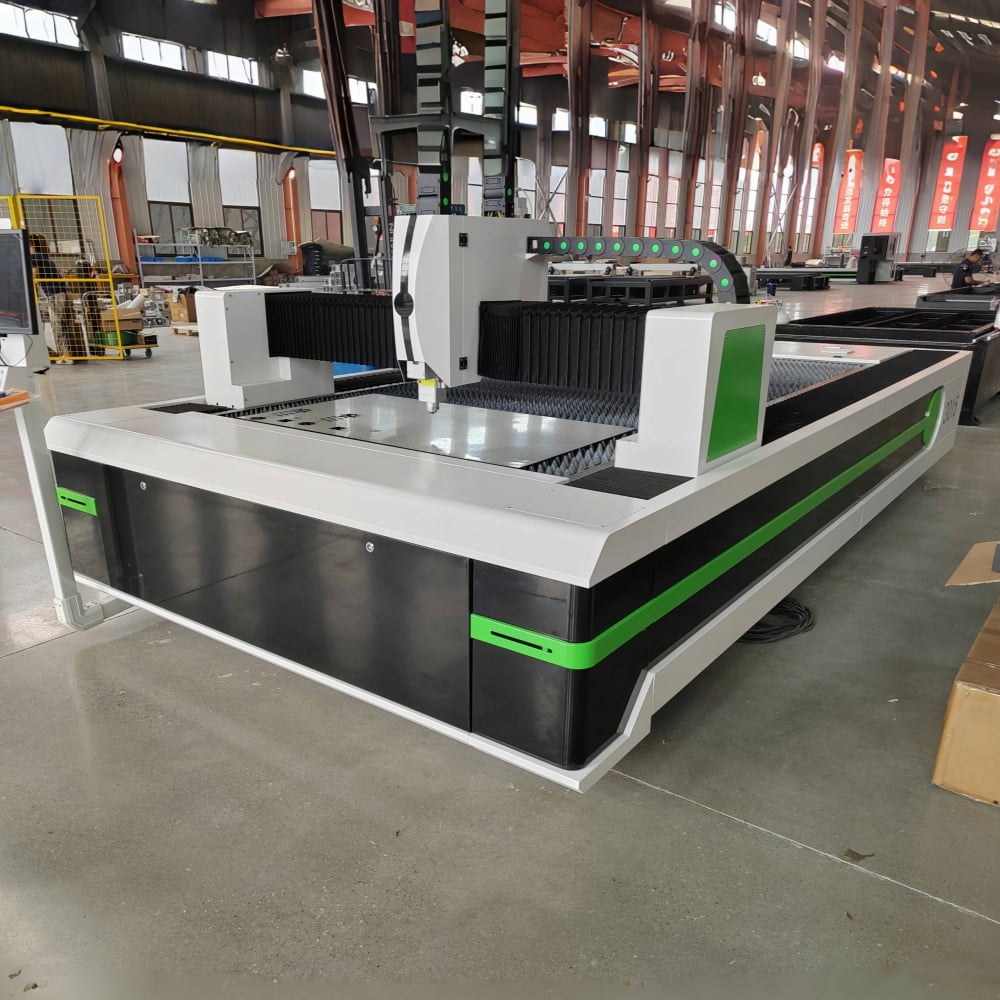
For many fabrication shops and industrial manufacturers, the question of when to upgrade cutting equipment is not simply about wanting newer technology — it is about recognizing the precise moment when your current setup is actively holding your business back. A fiber laser cutting machine represents a significant operational shift, and understanding the right timing for that transition can mean the difference between a strategic investment and a premature expense. The signals are often visible long before the decision is made, and learning to read them accurately is what separates businesses that scale efficiently from those that stagnate.
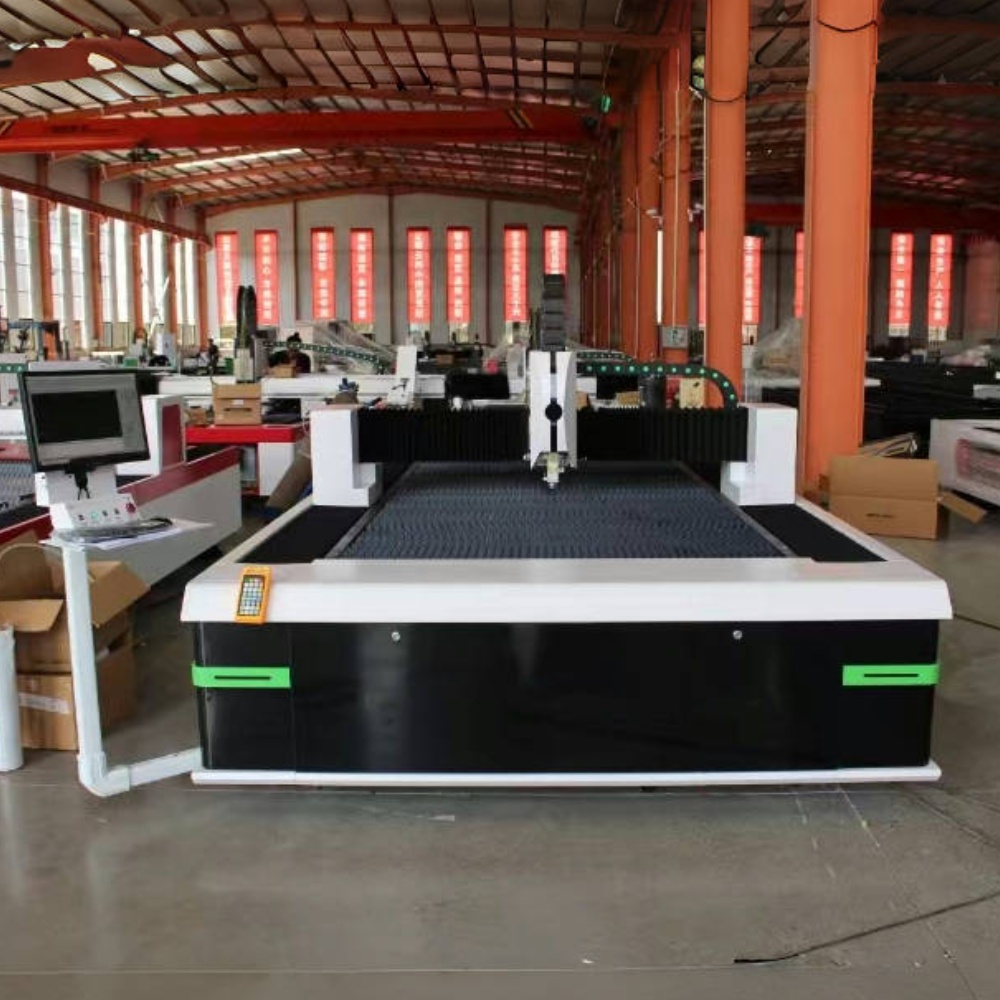
This article is designed to help production managers, procurement decision-makers, and shop floor operators identify the specific conditions, operational triggers, and business readiness signals that indicate it is time to move to a fiber laser cutting machine. Rather than offering a generic overview of laser technology, the focus here is entirely on timing — the when, not just the why or the what. If you have been on the fence about making this upgrade, the sections below will give you a structured framework for making that call with confidence.
Recognizing the Operational Limits of Your Current Equipment
Throughput Bottlenecks That Cannot Be Resolved by Process Tweaks
One of the clearest indicators that an upgrade is overdue is when your cutting equipment has become the consistent bottleneck in your production workflow. If downstream processes — bending, welding, assembly — are regularly waiting on cut parts, and you have already optimized scheduling and nesting strategies without meaningful improvement, the machine itself is the constraint. A fiber laser cutting machine operates at cutting speeds that are dramatically faster than CO2 lasers and plasma systems, particularly on thin to medium gauge metals, which means the throughput gap between your current equipment and available technology may be larger than you realize.
When overtime hours are being used primarily to compensate for slow cutting cycles rather than to handle genuine demand spikes, that is a financial signal worth quantifying. The labor cost of running extended shifts to cover equipment limitations often exceeds the amortized cost of a fiber laser cutting machine upgrade when calculated over a 12-month period. Throughput bottlenecks that persist despite operational optimization are not a scheduling problem — they are a capital equipment problem.
It is also worth examining whether your current machine is limiting your ability to take on new contracts. If you are turning down orders because your cutting capacity cannot meet lead time requirements, the revenue opportunity cost of not upgrading becomes a concrete number rather than an abstract concern. A fiber laser cutting machine with higher duty cycles and faster processing speeds directly expands your capacity ceiling without requiring additional floor space or headcount in most cases.
Escalating Maintenance Costs and Unplanned Downtime
Aging cutting equipment tends to follow a predictable cost curve: maintenance expenses increase gradually, then accelerate sharply as core components reach end-of-life. If your maintenance logs show a pattern of increasing frequency and cost over the past 12 to 24 months, you are likely approaching the steep part of that curve. Spare parts for older CO2 laser systems and plasma cutters can be difficult to source and expensive to replace, and the downtime associated with waiting for components compounds the financial impact.
A fiber laser cutting machine has a fundamentally different maintenance profile. The solid-state fiber laser source has no mirrors, no gas flow systems, and no alignment-sensitive optical paths that require regular recalibration. This translates directly into lower consumable costs, fewer scheduled maintenance interventions, and significantly reduced unplanned downtime. When your current machine's annual maintenance spend approaches 15 to 20 percent of its original purchase price, the economic case for upgrading becomes difficult to argue against.
Unplanned downtime carries costs beyond the immediate lost production hours. Customer relationships are strained when delivery commitments are missed due to equipment failures. Expediting costs rise when you need to outsource cutting work to meet deadlines. These indirect costs rarely appear in a simple maintenance cost analysis but are very real when evaluating the total cost of continuing to operate aging equipment versus investing in a fiber laser cutting machine.
Material and Application Demands That Exceed Current Capabilities
Expanding Into Reflective or Difficult-to-Cut Materials
If your customer base or product mix is evolving toward materials that your current equipment handles poorly, that is a strong timing signal for upgrading. CO2 lasers, for example, struggle significantly with highly reflective metals such as copper, brass, and aluminum. Plasma cutting introduces heat-affected zones and edge quality limitations that make it unsuitable for precision components or materials requiring tight tolerances. A fiber laser cutting machine handles these materials with a level of precision and consistency that older technologies simply cannot match.
The wavelength of a fiber laser is approximately ten times shorter than that of a CO2 laser, which means it is absorbed far more efficiently by reflective metals. This is not a marginal improvement — it is a categorical capability difference. If you are currently outsourcing cuts on copper bus bars, aluminum heat sinks, or brass decorative components because your in-house equipment cannot handle them reliably, a fiber laser cutting machine would allow you to bring that work back in-house and capture the associated margin.
Material thickness range is another dimension to consider. Modern high-power fiber laser cutting machines can process thick structural steel and stainless steel at speeds and quality levels that were previously only achievable with specialized plasma or waterjet systems. If your current equipment is limiting the thickness range you can offer customers, you are effectively capping your addressable market. Upgrading when material demand is expanding is a proactive move that positions you ahead of customer requirements rather than behind them.
Precision and Edge Quality Requirements Tightening
Industries such as aerospace, medical device manufacturing, electronics enclosures, and architectural metalwork have progressively tightened their dimensional tolerances and surface finish requirements over the past decade. If you are serving or targeting these sectors, the edge quality and kerf width consistency delivered by a fiber laser cutting machine is not a luxury — it is a qualification requirement. Parts that require secondary deburring, grinding, or edge finishing after cutting represent hidden costs that erode your margin on every job.
A fiber laser cutting machine produces a narrow, consistent kerf with minimal heat-affected zone, which means parts come off the machine closer to finished condition. This reduces secondary processing time, improves dimensional repeatability across production runs, and lowers scrap rates on tight-tolerance components. When your current rejection rate or rework rate on precision parts is consistently above acceptable thresholds, the root cause is often the cutting process itself rather than downstream operations.
Customer-driven quality requirements are also worth monitoring as an upgrade trigger. If you are receiving more frequent requests for tighter tolerances, smoother edge finishes, or reduced heat distortion on thin materials, and your current equipment cannot reliably meet those specifications, you are at risk of losing those accounts to competitors who have already made the upgrade. Timing your investment to align with rising customer quality expectations is a strategically sound approach.
Energy Costs and Operational Efficiency as Financial Triggers
The Energy Consumption Gap Between Technologies
Energy costs are a significant and often underestimated factor in the total cost of operating cutting equipment. CO2 laser systems require substantial power to generate and maintain the gas laser beam, and their wall-plug efficiency — the ratio of useful cutting power to total electrical consumption — is considerably lower than that of a fiber laser cutting machine. For high-volume production environments running multiple shifts, this efficiency gap translates into meaningful differences in monthly electricity bills.
A fiber laser cutting machine typically achieves wall-plug efficiency in the range of 25 to 30 percent, compared to 10 to 15 percent for CO2 systems. In practical terms, this means a fiber laser cutting machine can deliver the same or greater cutting power while consuming significantly less electricity. When energy prices are rising or when your facility is operating near its electrical capacity limits, this efficiency advantage becomes a compelling financial argument for upgrading sooner rather than later.
Assist gas consumption is another operational cost dimension. While both CO2 and fiber laser systems use assist gases such as nitrogen and oxygen, the optimized cutting parameters of a fiber laser cutting machine often allow for lower gas pressures and flow rates on many materials, reducing consumable costs per part. Over a full year of production, these savings accumulate into a measurable contribution to the return on investment calculation for the upgrade.
Labor Efficiency and Automation Readiness
Modern fiber laser cutting machines are designed with automation integration as a core feature rather than an afterthought. Automatic nozzle changers, pallet shuttle systems, and direct connectivity to CAD/CAM and ERP platforms are standard or readily available options on current-generation equipment. If your production strategy includes reducing manual handling, improving traceability, or integrating cutting into a broader automated workflow, upgrading to a fiber laser cutting machine is the enabling step that makes those goals achievable.
Labor availability and cost pressures are also relevant timing factors. In markets where skilled machine operators are difficult to recruit and retain, equipment that requires less manual intervention and offers more intuitive control interfaces reduces your dependency on specialized labor. A fiber laser cutting machine with modern CNC controls and automated setup features can be operated effectively by a broader range of technicians, which improves your operational resilience and reduces training time for new staff.
If your current equipment requires significant manual setup time between jobs — changing lenses, recalibrating mirrors, adjusting gas pressures — the cumulative time lost to setup across a full production week is worth calculating. Faster job changeover on a fiber laser cutting machine directly increases the number of jobs you can process per shift, which is particularly valuable for shops handling high-mix, lower-volume work where setup time represents a large fraction of total job time.
Business Growth Signals That Indicate Readiness for the Upgrade
Order Volume and Contract Pipeline Justifying the Investment
Capital equipment decisions should be anchored in forward-looking demand signals, not just current pain points. If your sales pipeline shows sustained growth in orders that require cutting capacity beyond what your current equipment can deliver, waiting to upgrade means leaving revenue on the table during the period between when demand materializes and when new equipment is installed and qualified. Lead times for fiber laser cutting machines, installation, and operator training mean that the decision to upgrade should ideally precede the capacity crunch by several months.
Long-term contracts or framework agreements with customers who have growing cutting requirements are particularly strong justification for upgrading. When a customer commits to a multi-year supply relationship that will require consistent cutting capacity, investing in a fiber laser cutting machine to support that relationship is a straightforward business case. The contract provides revenue visibility that supports the financing or capital allocation decision, and the upgraded capability strengthens the customer relationship by demonstrating your commitment to meeting their needs.
New market entry is another growth signal worth considering. If your business is targeting sectors — automotive components, renewable energy structures, industrial enclosures — where a fiber laser cutting machine is effectively a prerequisite for competitive participation, the upgrade timing is driven by market entry strategy rather than purely by current operational pain. In these cases, the investment is an enabler of growth rather than a response to existing constraints.
Competitive Positioning and Market Differentiation
The competitive landscape in metal fabrication has shifted significantly as fiber laser cutting machines have become more accessible across a wider range of business sizes. Shops that upgraded several years ago have already built operational experience, process libraries, and customer relationships around the capabilities that fiber laser technology enables. If your competitors are winning bids on precision work, faster lead times, or broader material capabilities that you cannot match, the competitive cost of not upgrading is accumulating with every lost opportunity.
Quoting competitiveness is a direct and measurable indicator. If your cost per part on cutting operations is consistently higher than market pricing, and you are either losing bids or compressing your margin to win them, the underlying cause is often equipment efficiency. A fiber laser cutting machine with higher cutting speeds, lower energy consumption, and reduced secondary processing requirements changes your cost structure in ways that restore quoting competitiveness without requiring you to sacrifice margin.
Differentiation through capability is equally important. Offering customers the ability to cut complex geometries in reflective metals, achieve tight tolerances on thin stainless steel, or process thick structural plate with consistent quality positions your business as a more capable and reliable partner. These are the kinds of capabilities that justify premium pricing and build long-term customer loyalty, and they are capabilities that a fiber laser cutting machine delivers as a matter of standard operation.
FAQ
How do I know if my current cutting machine has reached the end of its useful life?
The clearest indicators are escalating maintenance costs, increasing frequency of unplanned downtime, difficulty sourcing spare parts, and a growing gap between your machine's output quality and what customers are requesting. When annual maintenance costs approach 15 to 20 percent of the machine's original value, the financial case for replacing it with a fiber laser cutting machine typically becomes compelling. Throughput limitations that cannot be resolved through scheduling or process optimization are also a strong signal that the equipment has reached its practical ceiling.
Is a fiber laser cutting machine suitable for small or mid-sized fabrication shops?
Yes, and the range of available power levels and configurations means that a fiber laser cutting machine can be scaled to match the production volumes and material requirements of smaller operations. Entry-level and mid-range fiber laser cutting machines have become significantly more accessible in terms of both price and operational complexity over the past several years. For a small shop experiencing throughput constraints, quality issues, or rising maintenance costs on older equipment, the upgrade can deliver a strong return on investment even at modest production volumes.
What is the typical lead time between deciding to upgrade and having a fiber laser cutting machine fully operational?
Lead times vary depending on the machine configuration, power level, and any automation options selected, but a realistic planning horizon from order placement to full production readiness is typically three to six months. This includes manufacturing and delivery time, site preparation, installation, commissioning, and operator training. Because of this lead time, the decision to upgrade should ideally be made several months before your current equipment reaches a critical constraint point, allowing the new fiber laser cutting machine to be operational before the capacity gap becomes a customer-facing problem.
Does upgrading to a fiber laser cutting machine require significant changes to my facility or workflow?
Facility requirements for a fiber laser cutting machine typically include adequate electrical supply capacity, proper ventilation and fume extraction, and sufficient floor space for the machine footprint plus material handling clearance. Most modern fiber laser cutting machines are designed to integrate with standard CAD/CAM software and can be connected to existing ERP or production management systems with relatively straightforward configuration. Workflow changes are generally positive — faster cutting cycles, reduced setup time, and lower secondary processing requirements tend to simplify rather than complicate production flow once operators are trained and comfortable with the new equipment.
Table of Contents
- Recognizing the Operational Limits of Your Current Equipment
- Material and Application Demands That Exceed Current Capabilities
- Energy Costs and Operational Efficiency as Financial Triggers
- Business Growth Signals That Indicate Readiness for the Upgrade
-
FAQ
- How do I know if my current cutting machine has reached the end of its useful life?
- Is a fiber laser cutting machine suitable for small or mid-sized fabrication shops?
- What is the typical lead time between deciding to upgrade and having a fiber laser cutting machine fully operational?
- Does upgrading to a fiber laser cutting machine require significant changes to my facility or workflow?
