
 EN
EN
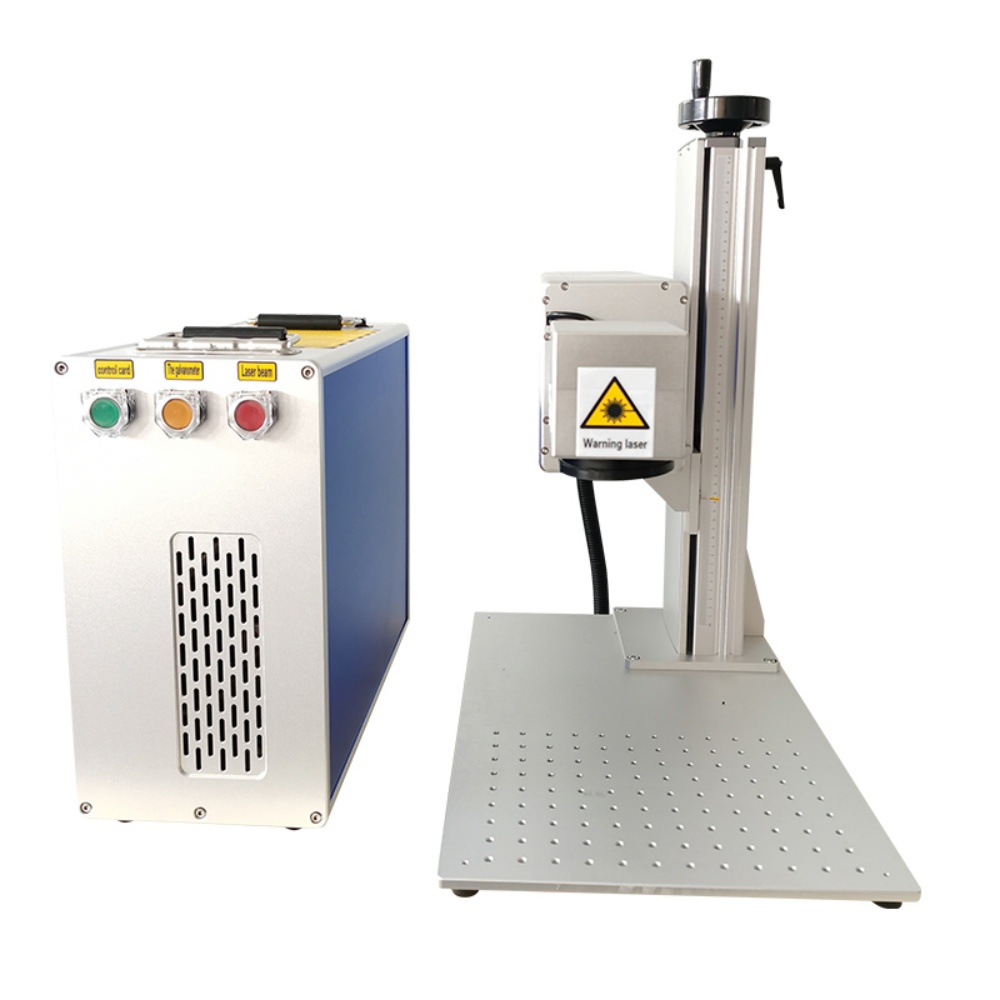
Investing in a laser marking machine represents a significant capital decision that demands careful evaluation. Whether you operate in manufacturing, jewelry, electronics, or aerospace, selecting the right laser marking machine can dramatically improve production efficiency, product quality, and operational costs. However, the market offers diverse technologies, specifications, and price points, making it essential to understand the critical factors before committing to a purchase. This guide walks you through the fundamental considerations that will help you make an informed investment decision aligned with your business needs.
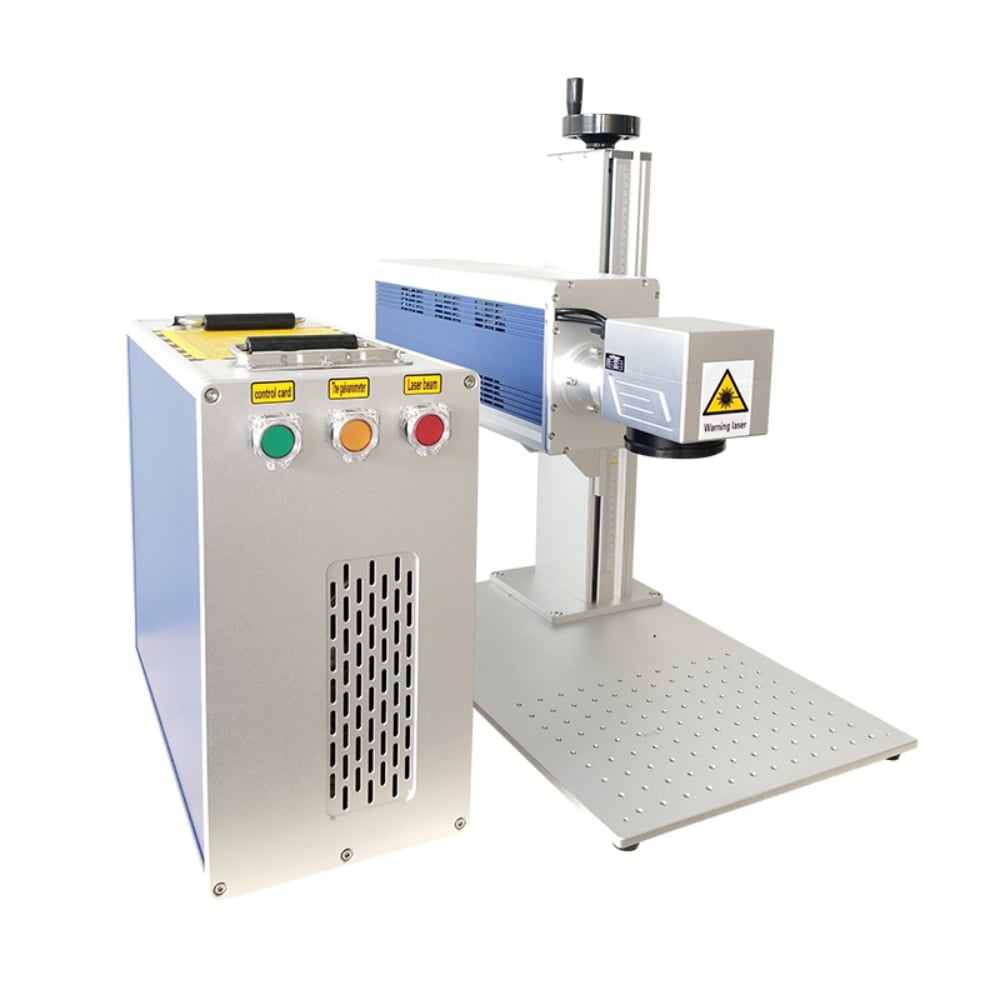
Before purchasing any laser marking machine, you must first assess your specific application requirements, production volume, material compatibility, and budget constraints. The laser marking machine industry encompasses multiple laser types, each serving distinct purposes and delivering different performance characteristics. Understanding these differences ensures you select equipment that aligns precisely with your operational goals rather than overpaying for unnecessary features or purchasing underpowered technology that cannot meet your demands.
Understanding Laser Marking Machine Types and Technologies
CO2 Laser Marking Machines Versus Fiber Laser Systems
The laser marking machine market primarily divides into CO2 and fiber laser technologies, each with distinct strengths. CO2 laser marking machines excel at marking organic materials including wood, acrylic, leather, paper, and rubber, making them ideal for signage, packaging, and craft applications. Fiber laser marking machines, conversely, deliver superior performance on metals and hard materials such as stainless steel, aluminum, copper, and titanium, making them the preferred choice for industrial and automotive applications.
CO2 laser marking machines typically operate at lower initial costs and offer larger working areas, while fiber laser marking machines provide faster marking speeds and longer operational lifespans. When evaluating a laser marking machine for your business, matching the laser type to your primary material focus prevents wasting resources on unsuitable technology. For instance, if your production primarily involves metal components, purchasing a CO2 laser marking machine would prove inefficient, whereas a fiber laser marking machine would deliver optimal results and faster throughput.
Power Output and Marking Capability Specifications
Power output directly determines what a laser marking machine can accomplish within your production environment. Most laser marking machines range from 10 watts to 150 watts or higher, with higher wattage enabling faster marking speeds, deeper engraving, and better performance on reflective materials. A 20-watt laser marking machine suits light production volumes and detailed marking, while a 100-watt laser marking machine handles heavy industrial demands and continuous operation.
Before purchasing a laser marking machine, calculate your daily marking volume and required marking depth to determine adequate wattage. Undersizing your laser marking machine creates production bottlenecks, while oversizing unnecessarily inflates costs and energy consumption. Most manufacturers provide specifications detailing marking speed per square centimeter, engraving depth capabilities, and material compatibility charts that help validate whether their laser marking machine meets your performance requirements.
Evaluating Return on Investment and Operational Economics
Initial Capital Costs and Equipment Pricing Factors
The cost of a laser marking machine varies dramatically based on laser type, power output, automation features, and included software. Entry-level fiber laser marking machines start around fifteen thousand dollars, while industrial-grade systems with advanced automation can exceed one hundred thousand dollars. Beyond the base equipment cost, budget for installation, operator training, maintenance contracts, and safety compliance measures when calculating total acquisition expense for your laser marking machine.
When comparing laser marking machine pricing between suppliers, request detailed specifications, warranty terms, and post-sale support commitments rather than focusing solely on the lowest quoted price. A laser marking machine from an established manufacturer with strong technical support often delivers better long-term value than a cheaper option lacking reliability or service infrastructure. Evaluate whether the seller offers financing options, leasing arrangements, or performance guarantees that reduce financial risk when acquiring your laser marking machine.
Operating Costs and Revenue Impact Analysis
Operating a laser marking machine involves electricity consumption, maintenance expenses, spare parts replacement, and operator wages, collectively forming your total cost of ownership. Modern laser marking machines consume between three and ten kilowatts during operation, translating to meaningful electricity costs at scale. Additionally, every laser marking machine requires periodic maintenance, including optics cleaning, calibration, and eventual laser tube or fiber module replacement when performance degrades.
Calculate the payback period for your laser marking machine investment by dividing total acquisition cost by monthly revenue generated from marked products. Most industrial applications achieve payback within six to twenty-four months when the laser marking machine eliminates manual marking steps or enables premium pricing for enhanced product appearance. Faster marking speeds from a more powerful laser marking machine directly correlate to higher throughput and faster return on your investment, justifying premium pricing for suitable applications.
Critical Technical and Operational Considerations
Software Compatibility and Integration Requirements
Every laser marking machine requires software to convert your design files into marking instructions, making software capabilities crucial to your purchasing decision. Evaluate whether the laser marking machine vendor supports file formats your team uses, such as PDF, DWG, AI, or EPS, and whether the interface accommodates both simple marking and complex variable data applications. Compatibility with your existing enterprise resource planning systems ensures the laser marking machine integrates smoothly into your production workflow without requiring manual data entry or external translation services.
Some laser marking machine systems offer advanced features like barcode generation, serial number incrementing, and database connectivity that automate marking of unique identifiers across production runs. If your business requires traceability, anti-counterfeiting marks, or dynamic content marking, confirm the laser marking machine software supports these capabilities before purchasing. Testing the laser marking machine software interface with representative files from your actual production workflow prevents discovering incompatibility issues after installation.
Safety Features and Regulatory Compliance Standards
Industrial laser marking machine systems generate hazardous radiation requiring specific safety infrastructure including proper enclosure, interlocks, and warning systems. Before installation, verify that your facility meets electrical requirements, has adequate ventilation for fume removal, and provides appropriate safety training for operators of the laser marking machine. Different regions enforce varying laser safety standards, so confirm your laser marking machine meets relevant ISO, CE, or FDA regulations for your market.
Quality laser marking machine manufacturers include safety documentation, operator manuals, and training resources that facilitate compliance with local regulations. Request detailed safety specifications from any laser marking machine vendor and factor compliance expenses into your total acquisition budget. Inadequate safety infrastructure around your laser marking machine creates worker injury risks and potential legal liability that far exceeds initial equipment savings.
FAQ
What materials can a typical laser marking machine process?
A fiber laser marking machine handles metals, plastics, glass, and ceramics, while a CO2 laser marking machine works best with wood, acrylic, leather, and paper. Your specific laser marking machine choice should match your primary material requirements. Most manufacturers provide detailed compatibility matrices showing which materials their laser marking machine can mark, engrave, or anodize, helping you verify suitability before purchase.
How much space does a laser marking machine require in a production facility?
Compact tabletop laser marking machine models occupy approximately two to three square meters, while industrial-scale systems may require ten square meters or more including material handling space. Before purchasing your laser marking machine, measure available facility space and ensure adequate clearance for ventilation systems, power connections, and operator access. Consider future expansion when selecting laser marking machine location to avoid costly relocation if your marking volume grows.
What training and support should I expect from a laser marking machine vendor?
Reputable laser marking machine manufacturers provide operator training, technical documentation, and ongoing customer support including troubleshooting assistance and maintenance guidance. Verify whether your laser marking machine vendor offers remote support, on-site technician services, or local service centers before committing to purchase. Excellent post-sale support from your laser marking machine supplier significantly impacts system uptime and productivity over the equipment lifespan.
