
 EN
EN
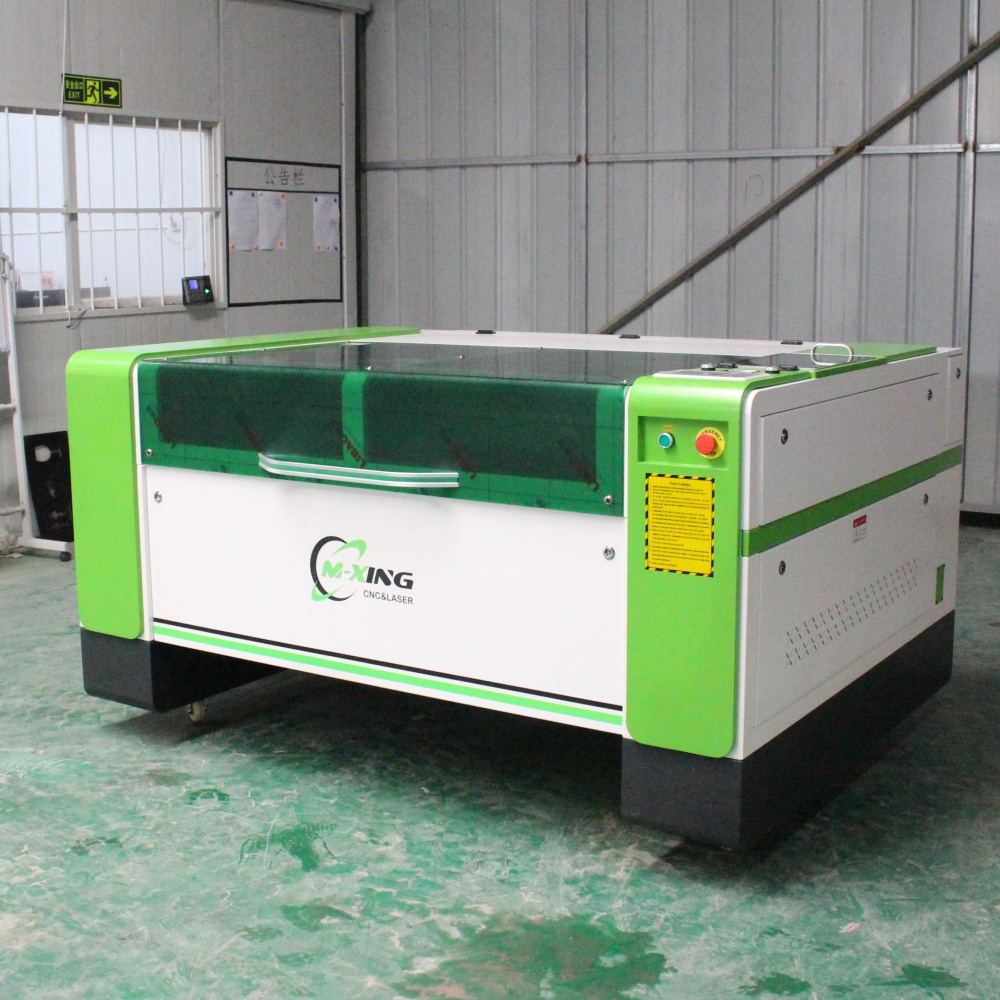
Modern manufacturing has undergone a seismic shift over the past two decades, and much of that transformation can be traced directly to the widespread adoption of the laser cutter. Where conventional cutting tools once demanded extensive setup time, frequent blade replacements, and significant operator skill, the laser cutter introduced a fundamentally different approach — one driven by focused light energy, digital precision, and unmatched repeatability. Manufacturers across automotive, aerospace, electronics, and metal fabrication industries have embraced this technology not as a luxury upgrade, but as a core operational necessity.
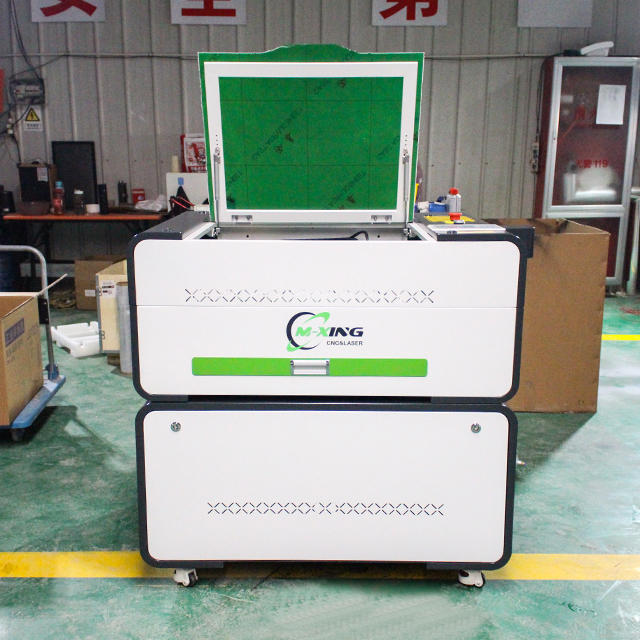
The transformation that a laser cutter brings to a manufacturing environment is both structural and operational. It changes how workflows are designed, how materials are handled, how quality is controlled, and ultimately how competitive a facility can become. Understanding this transformation in depth helps engineers, procurement managers, and plant directors make informed decisions about integrating laser cutting technology into their production strategies. This article explores the specific mechanisms by which a laser cutter reshapes manufacturing from the ground up.
The Core Mechanism Behind Laser Cutting Technology
How a Laser Cutter Converts Light Into Precision Cuts
At the heart of every laser cutter is a focused beam of coherent light — typically generated by a fiber, CO2, or Nd:YAG source — that is directed through a lens system onto a target material surface. The concentrated energy density at the focal point is sufficient to melt, vaporize, or ablate the material in a highly controlled manner. This non-contact process means the laser cutter applies no mechanical force to the workpiece, eliminating deformation risks that are common with traditional punching or sawing methods.
The cutting path is governed entirely by CNC software, which translates CAD files into precise motion commands for the cutting head. This digital-to-physical workflow allows a laser cutter to execute complex geometries, tight tolerances, and intricate patterns with consistent accuracy across thousands of repeated cuts. The combination of high energy density and software control is what gives the laser cutter its defining advantage in modern manufacturing environments.
Assist gases — such as nitrogen, oxygen, or compressed air — are often used in conjunction with the laser beam to eject molten material from the cut zone, improving edge quality and processing speed. The choice of assist gas directly influences the surface finish and oxidation level of the cut edge, making it a critical parameter in the laser cutter's overall process configuration.
Fiber Laser Technology and Its Manufacturing Impact
Among the variants available today, the fiber laser cutter has become the dominant choice for metal processing applications. Fiber lasers generate a beam with a shorter wavelength compared to CO2 systems, making them significantly more efficient at absorbing into metallic surfaces. This results in faster cutting speeds, lower energy consumption per unit processed, and reduced operational costs — all of which translate directly into manufacturing efficiency gains.
A fiber-based laser cutter also benefits from a solid-state beam delivery system using flexible fiber optic cables rather than a series of mirrors and lenses. This design dramatically reduces maintenance requirements and optical alignment issues, leading to higher machine uptime. For high-volume production environments, where every hour of downtime carries a measurable cost, this reliability advantage is a major driver of adoption.
The power scalability of fiber laser cutter systems — ranging from 1 kW for thin sheet processing up to 30 kW or beyond for thick plate cutting — gives manufacturers the flexibility to configure a machine that matches their specific material portfolio and production volume requirements without over-investing in unnecessary capacity.
Precision and Quality Transformation on the Shop Floor
How a Laser Cutter Elevates Part Accuracy
One of the most immediate and measurable ways a laser cutter transforms manufacturing is through dimensional accuracy. Traditional mechanical cutting methods introduce tool wear over time, which gradually degrades cut quality and requires frequent recalibration. A laser cutter, by contrast, maintains consistent performance because the 'tool' is a beam of light — it never wears out, never deflects under load, and never requires sharpening.
Tolerances achievable by a modern laser cutter routinely fall within ±0.1 mm or tighter, depending on the machine configuration and material being processed. For industries such as aerospace component manufacturing or medical device fabrication, where part specifications are unforgiving, this level of repeatability is not just desirable — it is mandatory. The laser cutter enables these industries to meet rigorous quality standards without relying on extensive post-processing to compensate for cutting inaccuracies.
Furthermore, the heat-affected zone (HAZ) around a laser cut edge is relatively narrow compared to plasma or flame cutting alternatives. A smaller HAZ means less thermal distortion, better structural integrity at cut edges, and reduced need for secondary finishing operations. This directly affects downstream assembly quality and reduces rework rates on the production line.
Surface Finish and Edge Quality Advantages
The quality of cut edges produced by a laser cutter is characteristically smooth, with minimal burr formation on most materials when process parameters are properly optimized. This has a significant downstream impact: parts exiting the laser cutter often require little to no deburring before they proceed to welding, bending, or surface treatment stages. Eliminating or reducing this intermediate step compresses the overall production cycle time.
In stainless steel processing, for example, a laser cutter using nitrogen as an assist gas can produce oxide-free, bright cut edges that are suitable for direct use in food processing equipment, pharmaceutical machinery, or architectural applications where surface aesthetics matter. This capability expands the range of applications a single laser cutter can serve, making it a versatile asset across multiple product lines.
The precision of a laser cutter also enables very fine feature creation — small holes, narrow slots, and intricate internal cutouts that would be structurally impossible or prohibitively expensive to achieve through punching or waterjet methods. This design freedom allows product engineers to develop lighter, more complex, and more functional parts without being constrained by the limitations of the cutting process.
Operational Efficiency and Production Speed Gains
Setup Time Reduction Through Digital Workflows
One of the most transformative aspects of a laser cutter in a production environment is the dramatic reduction in setup time when switching between part types. Traditional machining or stamping operations often require physical tool changes, die swaps, and fixture modifications that can consume hours of productive time. A laser cutter, operating from digital files, can switch from one part program to another in minutes — or even seconds in automated environments.
This agility makes the laser cutter particularly well-suited to job shop environments and manufacturers who produce high-mix, low-volume orders. Where a punch press or band saw might require dedicated tooling for each part geometry, the laser cutter uses the same hardware configuration for every job, with only the CNC program changing between runs. The economic and scheduling implications of this flexibility are substantial.
Digital nesting software further amplifies the efficiency of a laser cutter by automatically optimizing how multiple parts are arranged on a single sheet of material. Maximizing material utilization in this way directly reduces scrap rates and lowers the cost per part — a benefit that accumulates significantly over high-volume production runs.
Integration With Automation Systems
Modern laser cutter systems are increasingly designed with automation integration as a first-class feature rather than an optional add-on. Automated sheet loading and unloading systems, pallet changers, and sorting conveyors allow a laser cutter to operate continuously with minimal human intervention, extending productive hours beyond standard shift schedules. Lights-out or near-lights-out manufacturing — previously reserved for the most capital-intensive operations — becomes accessible when a laser cutter is paired with the right automation infrastructure.
Integration with ERP and MES platforms allows production managers to feed job orders directly into the laser cutter's workflow queue, track real-time machine utilization, and monitor output quality metrics from a centralized dashboard. This level of connectivity transforms the laser cutter from a standalone machine into an intelligent node within a broader smart manufacturing ecosystem.
Robotic material handling cells can be configured around a laser cutter to manage the entire process from raw sheet staging through finished part collection, creating a fully automated production island. For manufacturers competing on lead time and labor cost, this level of automation represents a decisive competitive advantage that was simply not achievable with conventional cutting technology.
Material Versatility and Application Breadth
The Range of Materials a Laser Cutter Can Process
A defining characteristic of the laser cutter's transformative impact is its ability to process an extraordinarily wide range of materials — mild steel, stainless steel, aluminum, copper, brass, titanium, and various engineering alloys can all be processed with appropriate laser cutter configurations. This versatility means that a single machine investment can serve the cutting needs of multiple product lines or departments within a manufacturing facility.
For non-metallic applications, CO2-based laser cutter systems extend the range to include wood, acrylic, polycarbonate, rubber, ceramics, and composite materials. Signage companies, furniture manufacturers, and electronics fabricators all benefit from this broad material compatibility, making the laser cutter a cross-industry workhorse rather than a niche tool confined to heavy metal processing.
The ability to quickly adjust laser power, cutting speed, assist gas type, and focal position means that a skilled operator or a well-programmed CNC system can adapt a single laser cutter to handle thin gauge sheet metal in the morning and thick structural plate in the afternoon. This operational flexibility is difficult to replicate with any other single cutting technology currently available.
Industry-Specific Applications Enabled by Laser Cutting
In the automotive industry, a laser cutter is used to produce body panel blanks, structural brackets, exhaust components, and complex mounting hardware with the precision and speed that high-volume assembly lines demand. The ability to rapidly prototype new designs using the same laser cutter that handles production runs accelerates product development cycles and reduces time to market.
Aerospace manufacturers rely on a laser cutter for the production of lightweight structural components, turbine blade blanks, and fuselage skin panels where material integrity and dimensional precision are critical. The minimal heat distortion and clean edges produced by a fiber laser cutter are particularly valued in this context, as they reduce post-processing requirements on high-value materials.
In the construction and architectural sector, a laser cutter enables the production of decorative facades, structural connection plates, custom hardware, and precision-cut facade elements that define the aesthetic and functional quality of modern buildings. The design freedom offered by a laser cutter allows architects and engineers to specify complex geometries that would have been cost-prohibitive to manufacture just two decades ago.
FAQ
What materials can a laser cutter process in a typical manufacturing environment?
A laser cutter can process a wide variety of materials depending on its configuration. Fiber laser cutter systems are optimized for metals including mild steel, stainless steel, aluminum, copper, and brass. CO2 laser cutter systems can additionally handle non-metallic materials such as wood, acrylic, rubber, and composites. The specific material range depends on the laser source type, power level, and assist gas options available on the machine.
How does a laser cutter improve manufacturing efficiency compared to traditional cutting methods?
A laser cutter improves manufacturing efficiency in several interconnected ways. It eliminates tool wear, reduces setup time through digital job switching, produces cleaner cut edges that minimize secondary finishing operations, and integrates naturally with automation systems to enable continuous or lights-out production. The cumulative effect is a significantly lower cost per part and a faster throughput cycle compared to plasma, punch press, or mechanical saw alternatives.
Is a laser cutter suitable for both high-volume production and custom job shop work?
Yes, one of the defining strengths of a laser cutter is its adaptability across production models. For high-volume production, the laser cutter delivers consistent quality and speed across thousands of identical parts. For job shop or custom work, the same laser cutter can switch between part programs rapidly, making it equally productive on small batch or one-off orders. This dual-mode suitability makes it one of the most versatile capital investments available in modern manufacturing.
What should manufacturers consider when selecting a laser cutter for their facility?
When selecting a laser cutter, manufacturers should evaluate the primary material types and thicknesses they process, the required cutting speeds and production volume, the level of automation integration needed, the available floor space, and the long-term service and support infrastructure of the supplier. Power level selection is particularly important — over-specifying adds unnecessary capital cost, while under-specifying creates a production bottleneck. A thorough process audit before purchasing ensures the laser cutter configuration aligns with actual production demands rather than hypothetical scenarios.
Table of Contents
- The Core Mechanism Behind Laser Cutting Technology
- Precision and Quality Transformation on the Shop Floor
- Operational Efficiency and Production Speed Gains
- Material Versatility and Application Breadth
-
FAQ
- What materials can a laser cutter process in a typical manufacturing environment?
- How does a laser cutter improve manufacturing efficiency compared to traditional cutting methods?
- Is a laser cutter suitable for both high-volume production and custom job shop work?
- What should manufacturers consider when selecting a laser cutter for their facility?
