
 EN
EN
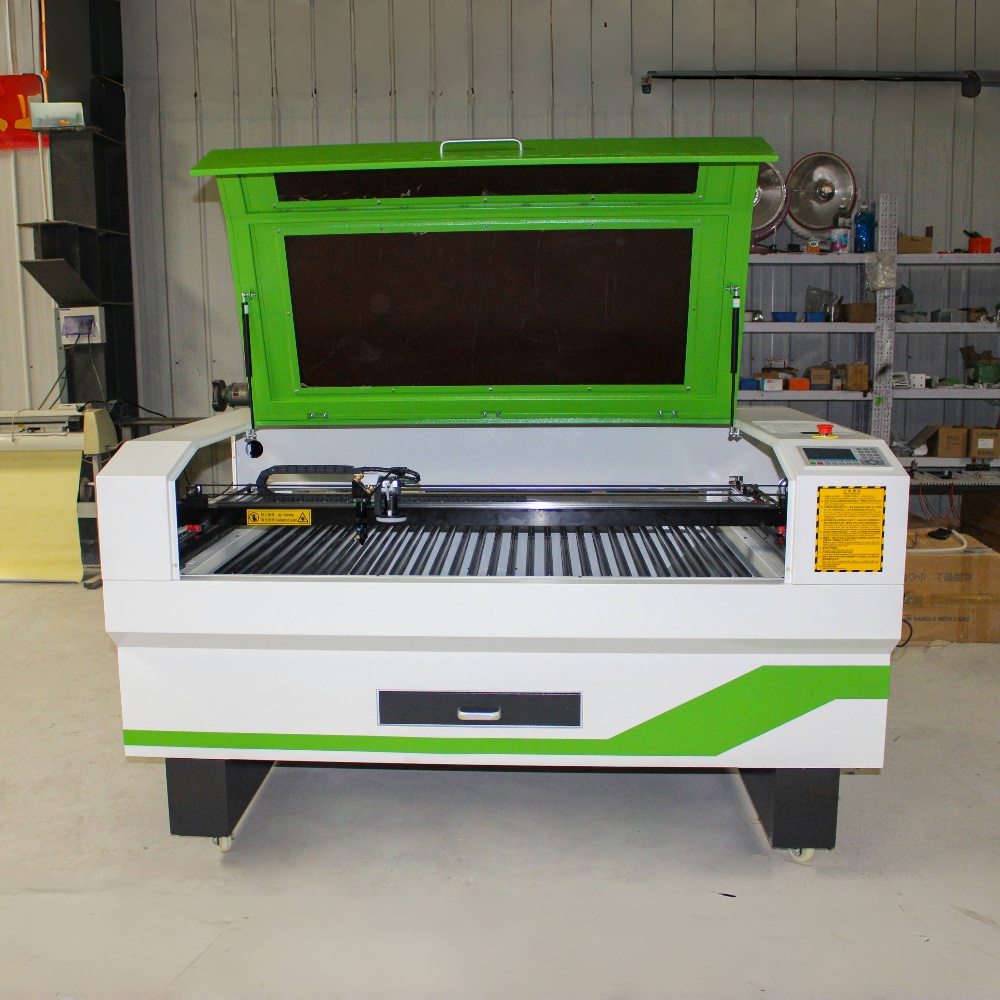
A laser cutter is one of the most transformative tools in modern manufacturing, fabrication, and design. Whether you are running a small creative studio or managing a large-scale industrial production line, understanding what a laser cutter is and how it actually functions in 2026 can help you make smarter investment decisions, optimize your workflow, and unlock precision that traditional cutting tools simply cannot match. The technology has evolved significantly over the past decade, and today's machines are more accessible, more intelligent, and more capable than ever before.
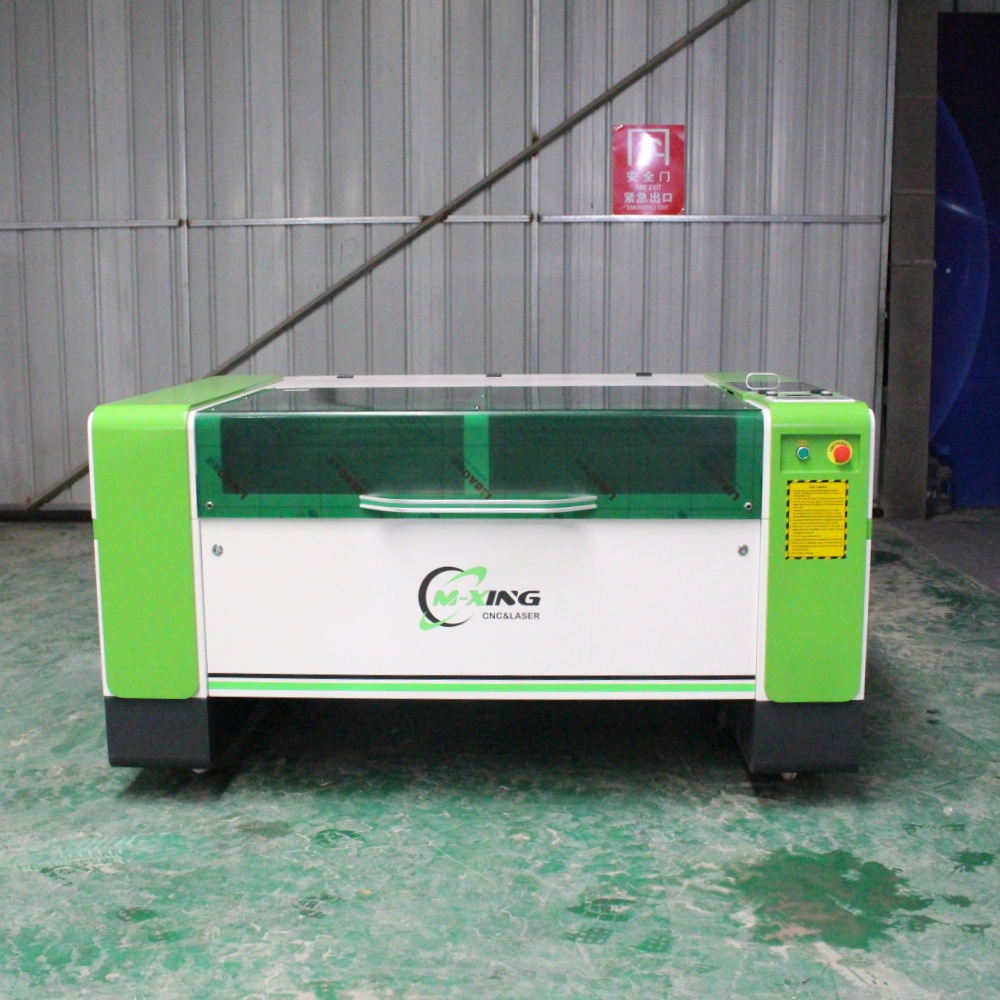
In 2026, the laser cutter has moved well beyond being a niche industrial instrument. It now sits at the intersection of digital fabrication, automation, and smart manufacturing. From cutting intricate patterns in acrylic and wood to engraving detailed graphics on MDF and leather, the laser cutter serves an enormous range of industries including signage, packaging, fashion, electronics, and custom product manufacturing. This article will walk you through everything you need to know — from the core definition and working principles to the specific technologies that define how a modern laser cutter operates today.
Defining the Laser Cutter
The Core Concept Behind Laser Cutting
At its most fundamental level, a laser cutter is a machine that uses a highly focused beam of light to cut, engrave, or mark materials with extreme precision. The term 'laser' stands for Light Amplification by Stimulated Emission of Radiation. When this concentrated beam is directed at a surface, it delivers intense thermal energy to a very small focal point, causing the material to melt, burn, vaporize, or be blown away by an assist gas.
Unlike mechanical cutting tools that rely on physical contact and blade pressure, a laser cutter operates without touching the material. This non-contact process means there is virtually no mechanical stress on the workpiece, which results in cleaner cuts, smoother edges, and significantly reduced material waste. The beam can be guided with extraordinary accuracy, often down to tolerances measured in fractions of a millimeter.
The laser cutter is controlled by computer numerical control (CNC) systems, which translate digital design files — typically in vector formats such as DXF, SVG, or AI — into precise movement instructions. This integration of software and hardware is what gives the laser cutter its defining advantage: the ability to reproduce complex designs consistently, at speed, without manual intervention.
What Makes a Laser Cutter Different From Other Cutting Tools
Compared to plasma cutters, water jet cutters, or mechanical routers, the laser cutter offers a unique combination of precision, speed, and versatility. Plasma cutters are effective on metal but produce rough edges and are not suitable for non-metallic materials. Water jet cutters offer good accuracy but are slower and involve significant post-processing for drying and cleanup. Mechanical routers involve tool wear and physical contact that can damage delicate materials.
The laser cutter, by contrast, handles a diverse material range — including wood, acrylic, MDF, leather, fabric, rubber, glass, and certain metals — with consistent results and minimal post-processing. The heat-affected zone in a laser cutter is extremely narrow, which means the surrounding material is barely affected during the cutting process. This is particularly valuable when working with intricate designs or thin, delicate substrates.
In 2026, the modern laser cutter also incorporates real-time feedback systems, autofocus lenses, and camera-based alignment tools that further reduce setup time and human error. These advancements make the laser cutter a genuinely intelligent machine, not just a cutting instrument.
How a Laser Cutter Works: The Core Mechanism
Generating and Focusing the Laser Beam
The operation of a laser cutter begins inside the laser source itself. Depending on the type of machine, this source may be a CO2 gas tube, a fiber laser module, or a diode laser. In a CO2 laser cutter — one of the most widely used types for non-metal materials — an electrical discharge excites a gas mixture (typically carbon dioxide, nitrogen, and helium) inside a sealed tube. This stimulation causes photons to be emitted, which are then amplified by mirrors within the resonator cavity to produce a coherent, high-intensity laser beam.
This beam is then directed through a series of mirrors and guided to a focusing lens mounted on the cutting head. The focusing lens converges the beam to a precise focal point — a spot often less than 0.1mm in diameter. It is at this focal point that the energy density becomes intense enough to interact with the material surface. Adjusting the focal length and the distance between the lens and the material surface is critical to achieving optimal cut quality with any laser cutter.
Modern laser cutter machines in 2026 often feature automatic z-axis adjustment, which continuously measures the material surface and repositions the cutting head to maintain the ideal focal distance. This is especially useful when working with materials that are not perfectly flat, ensuring consistent beam quality across the entire cutting area.
The Cutting Process: From Beam to Material
Once the focused beam contacts the material surface, the interaction depends on the material's properties and the laser's power and speed settings. In cutting mode, the beam heats the material rapidly until it reaches its melting or vaporization point. An assist gas — commonly air, nitrogen, or oxygen — is simultaneously blown through the cutting nozzle to expel molten or vaporized material from the kerf, the narrow channel created by the beam.
The laser cutter moves the cutting head in a programmed path defined by the digital design file. The CNC controller interprets each vector line, curve, or shape and translates it into synchronized X-Y axis movements. The speed of the head movement, the power of the beam, and the frequency of the pulse (in pulsed laser systems) are all precisely controlled variables that determine whether the laser cutter is cutting through the material or merely engraving its surface.
Engraving mode on a laser cutter works by reducing the power or increasing the speed so that the beam ablates only the top layer of the material rather than cutting all the way through. This allows for detailed surface graphics, text, patterns, and photographic images to be reproduced with high fidelity. In 2026, advanced grayscale engraving capabilities allow laser cutter machines to produce near-photographic quality imagery on wood, leather, and coated metals.
Types of Laser Cutter Technology in 2026
CO2 Laser Cutters
The CO2 laser cutter remains the dominant choice for cutting and engraving non-metallic materials. Operating at a wavelength of 10,600 nanometers, CO2 lasers are absorbed efficiently by organic materials such as wood, acrylic, MDF, paper, leather, and fabric. A CO2 laser cutter is ideal for signage makers, furniture designers, packaging manufacturers, and creative fabrication studios.
In 2026, CO2 laser cutter machines are available in a wide range of working area sizes, from compact desktop units to large-format flatbed systems exceeding 1600mm x 1000mm. Power configurations typically range from 40W for entry-level use to 150W or higher for heavy-duty industrial cutting. The 1390 format — a working area of 1300mm x 900mm — remains one of the most popular configurations because it balances material capacity with machine footprint effectively.
One of the key advantages of a CO2 laser cutter is its ability to handle both cutting and engraving within the same job, allowing users to combine structural cuts with surface decorations in a single automated pass. This dual functionality makes the CO2 laser cutter a highly efficient production tool for businesses that require both operations regularly.
Fiber Laser Cutters and Diode Laser Cutters
While the CO2 laser cutter dominates non-metal applications, fiber laser cutters have become the standard for metal processing. Fiber lasers operate at a wavelength of approximately 1,060 nanometers, which is far more effectively absorbed by metals like stainless steel, aluminum, copper, and brass. A fiber laser cutter can cut sheet metal at speeds several times faster than a CO2 machine on the same material, making it the preferred choice for metal fabricators and industrial manufacturers.
Diode laser cutters, which sit at the more accessible end of the market, use semiconductor diodes to generate the laser beam. In 2026, high-powered diode laser cutter systems have reached power levels of 20W to 40W, making them capable of cutting thin wood and engraving a wide range of materials. These machines are popular with hobbyists, educators, and small businesses due to their lower cost and compact form factor.
Each type of laser cutter has its own optimal application range, and selecting the right technology depends on your material requirements, production volume, and budget. Understanding these distinctions helps businesses invest in the laser cutter configuration that will deliver the best return without overspending on capabilities they do not need.
Key Components of a Modern Laser Cutter
The Laser Source, Motion System, and Controller
Every laser cutter is built around three essential systems: the laser source, the motion system, and the control system. The laser source — whether a CO2 tube, fiber module, or diode — is the heart of the machine. Its rated power determines the maximum thickness and speed at which the laser cutter can process materials. Higher wattage generally enables faster processing and the ability to cut thicker materials, but it also increases the cost and cooling requirements of the machine.
The motion system of a laser cutter typically consists of a gantry with servo or stepper motors driving the X and Y axes, while the Z axis controls the height of the cutting head. In high-end laser cutter machines, linear guide rails and precision ball screws are used to ensure smooth, accurate movement at high speeds. The quality of the motion system directly impacts the precision of cuts and the repeatability of the machine over time.
The control system is the software and hardware interface that translates design files into machine commands. Modern laser cutter controllers support a wide range of file formats and often include onboard storage, touchscreen interfaces, and network connectivity for remote operation. In 2026, many laser cutter systems also support cloud-based job management, real-time monitoring, and integration with broader manufacturing execution systems.
The Cutting Bed, Exhaust System, and Safety Features
The cutting bed is the surface on which materials are placed during processing. Most laser cutter machines use a honeycomb aluminum bed or a knife-edge support structure. The honeycomb bed minimizes contact with the material underside, reducing reflections and burn marks. Some laser cutter systems offer motorized Z-axis beds that allow the working height to be adjusted automatically to accommodate materials of varying thickness.
An effective exhaust and filtration system is essential for any laser cutter installation. The cutting process generates smoke, fumes, and particulate matter that must be safely extracted to protect both the operator and the machine's internal optics. Industrial laser cutter setups typically use ducted exhaust fans combined with activated carbon filters or HEPA filtration units. In environments where external ducting is not possible, self-contained air filtration units designed specifically for laser cutter use are available.
Safety features on modern laser cutter machines include enclosures with interlock switches that stop the beam when the lid is opened, emergency stop buttons, fire detection sensors, and protective viewing windows made from laser-safe acrylic or glass. In 2026, these safety systems have become more sophisticated, with some laser cutter models incorporating thermal cameras that monitor the cutting area for unexpected combustion in real time.
Practical Applications of a Laser Cutter in 2026
Industries and Use Cases
The range of industries that rely on a laser cutter in 2026 is broader than at any previous point. In the signage and display industry, laser cutters produce precision-cut acrylic letters, backlit panels, and intricate decorative screens. In interior design and furniture manufacturing, laser cutter machines are used to create ornate wooden panels, custom cabinet parts, and engraved decorative surfaces with consistent quality at production scale.
The packaging industry uses the laser cutter for creating custom die lines, scoring patterns on cardboard and corrugated materials, and producing prototype packaging samples. In the fashion and textile industry, laser cutter machines handle fabric cutting, lace pattern cutting, and leather engraving with a speed and precision that manual methods cannot replicate. Education and prototyping environments use laser cutter systems to help students and engineers rapidly develop physical models from digital CAD designs.
In electronics manufacturing, laser cutter machines are used for PCB depaneling, thin film ablation, and precision marking of components. Even in medical device fabrication, the laser cutter plays a role in producing precisely cut components from medical-grade polymers and metals. The versatility of the laser cutter across such a wide spectrum of applications reflects the fundamental value of its core capability: delivering precise, repeatable, material-independent cuts driven entirely by digital design files.
What to Consider When Choosing a Laser Cutter for Your Application
Selecting the right laser cutter requires a clear understanding of your material requirements, production volume, working area needs, and budget. If your primary application involves cutting and engraving non-metal materials such as acrylic, wood, MDF, or leather, a CO2 laser cutter with a working area matched to your typical sheet size is almost certainly the right starting point. Power selection should be guided by the thickness of material you need to cut most frequently — thicker materials require higher wattage to achieve clean cuts at productive speeds.
Connectivity and software compatibility are increasingly important factors in 2026. A laser cutter that integrates seamlessly with your existing design software — whether that is Adobe Illustrator, CorelDraw, AutoCAD, or LightBurn — reduces the friction of getting jobs from design to production. Look for a laser cutter with a controller that supports the file formats you use most, and consider whether cloud connectivity or remote monitoring would benefit your workflow.
Build quality, after-sales support, and availability of replacement parts are often underestimated considerations when purchasing a laser cutter. A machine with a competitive price but poor technical support can result in costly downtime. In 2026, it is advisable to evaluate the full ownership cost of a laser cutter — including consumables such as laser tubes, lenses, and mirrors — alongside the purchase price when making your decision.
FAQ
What materials can a laser cutter process?
A laser cutter can process a wide range of materials depending on the type of laser technology used. CO2 laser cutters are well-suited for wood, acrylic, MDF, leather, fabric, paper, rubber, and certain coated metals. Fiber laser cutters are optimized for metals including stainless steel, aluminum, copper, and brass. Diode laser cutters are effective on thin wood, leather, and engraving on anodized metals. The key factor is always whether the material absorbs the specific laser wavelength efficiently enough to be processed safely.
How precise is a laser cutter compared to other cutting methods?
A laser cutter is among the most precise cutting tools available, with typical kerf widths (the width of the cut) ranging from 0.1mm to 0.3mm depending on the machine and material. This level of precision far exceeds most mechanical cutting methods and is comparable to, or better than, water jet cutting for many material types. The repeatability of a CNC-controlled laser cutter ensures that every part produced from the same file is virtually identical, which is critical for production environments.
Is a laser cutter difficult to operate?
Modern laser cutter machines in 2026 are designed with user-friendly interfaces that significantly reduce the learning curve compared to older systems. Most laser cutter software provides intuitive controls for setting power, speed, and frequency, and many machines include preset material profiles to simplify setup. While mastering advanced techniques such as grayscale engraving or multi-pass cutting takes practice, basic cutting and engraving operations can typically be learned within a few hours of guided use.
How often does a laser cutter require maintenance?
Routine maintenance for a laser cutter typically includes cleaning the optical mirrors and focusing lens, checking and cleaning the cutting head nozzle, inspecting the exhaust and filtration system, and lubricating the motion rails and lead screws. The frequency depends on usage intensity, but a general guideline is to perform basic cleaning after every 8 to 16 hours of operation. The CO2 laser tube in a laser cutter has a finite lifespan — typically between 2,000 and 10,000 hours — and will need replacement when power output diminishes noticeably.
