Unmatched Material Versatility
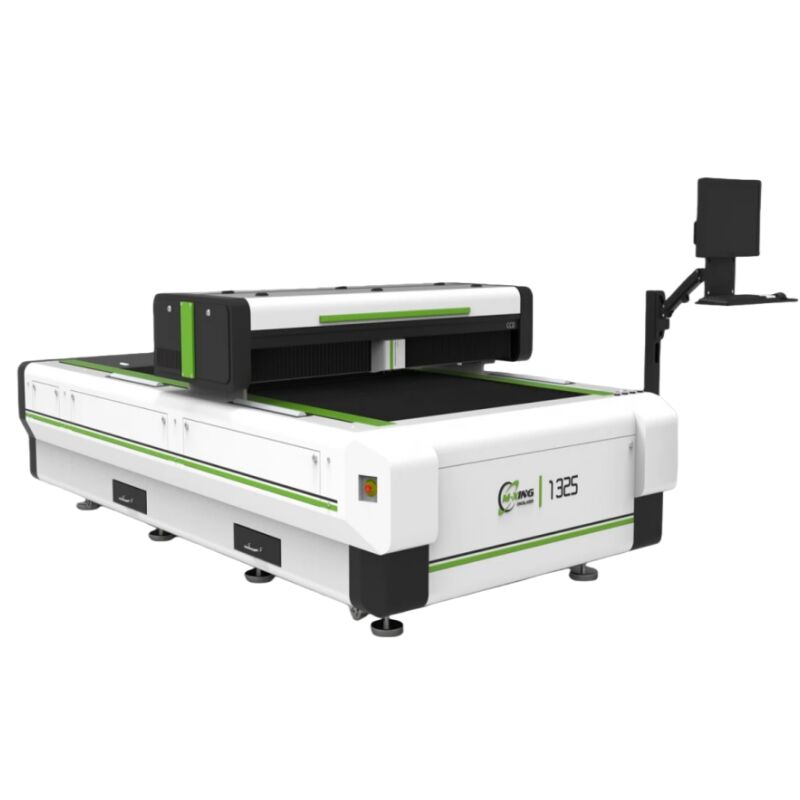
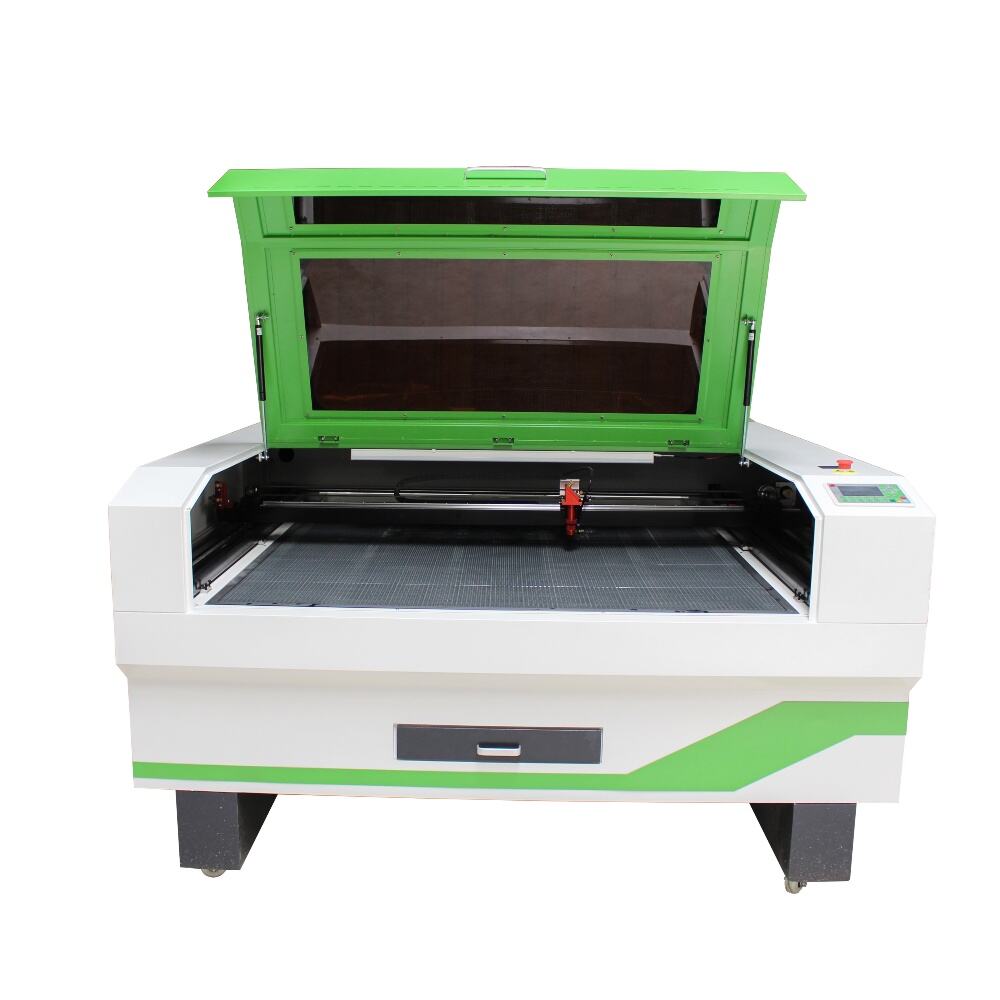
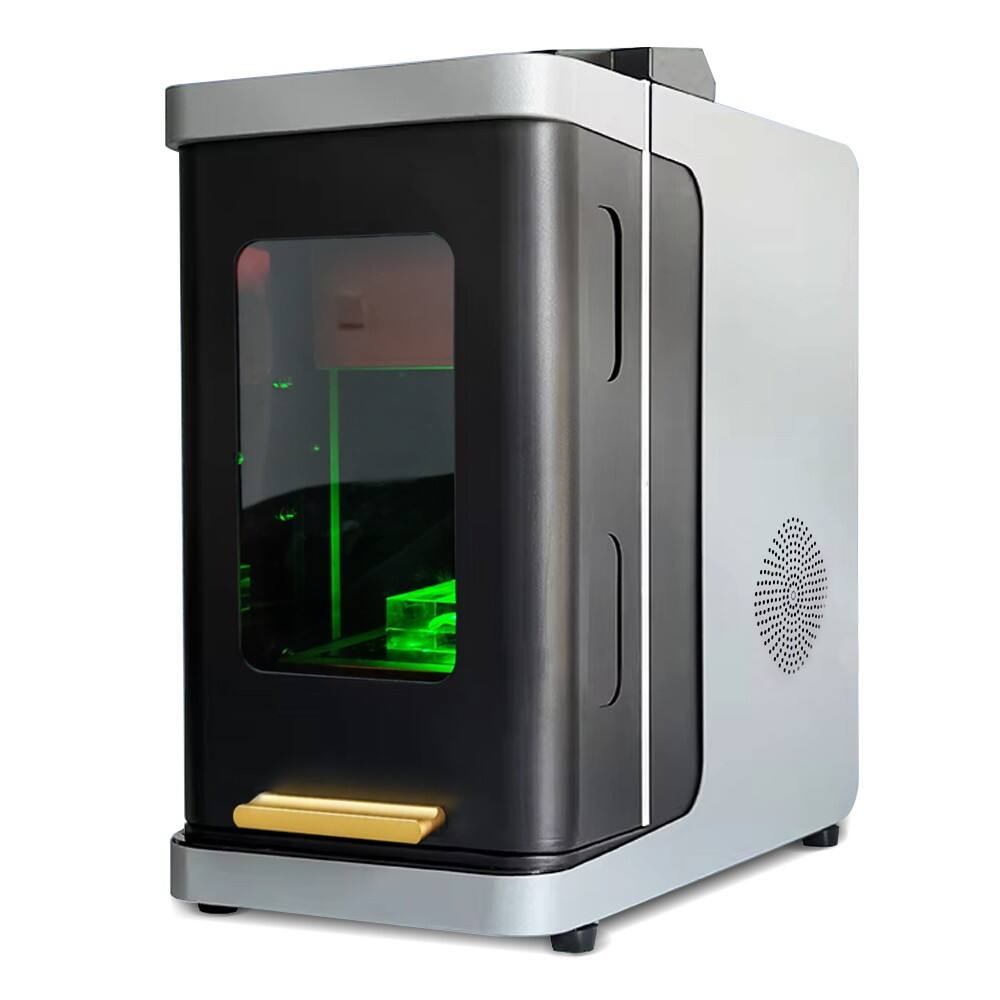
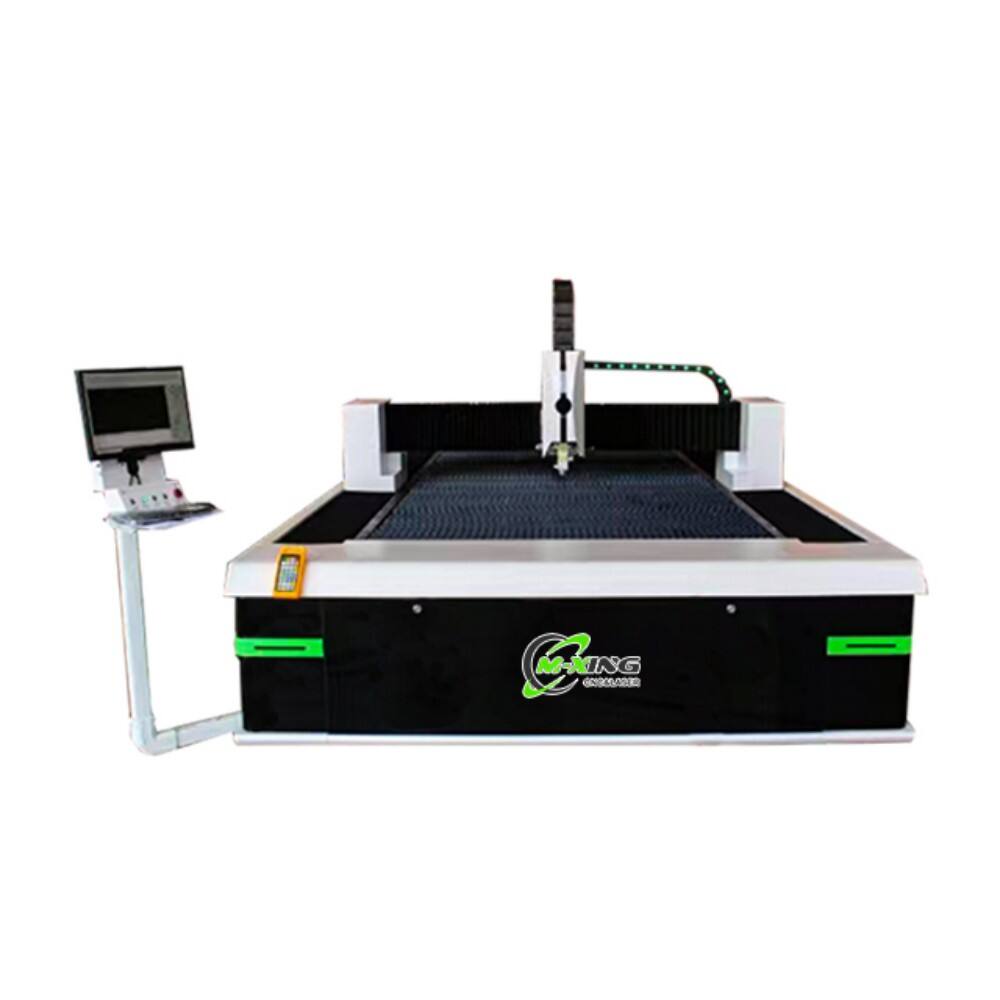
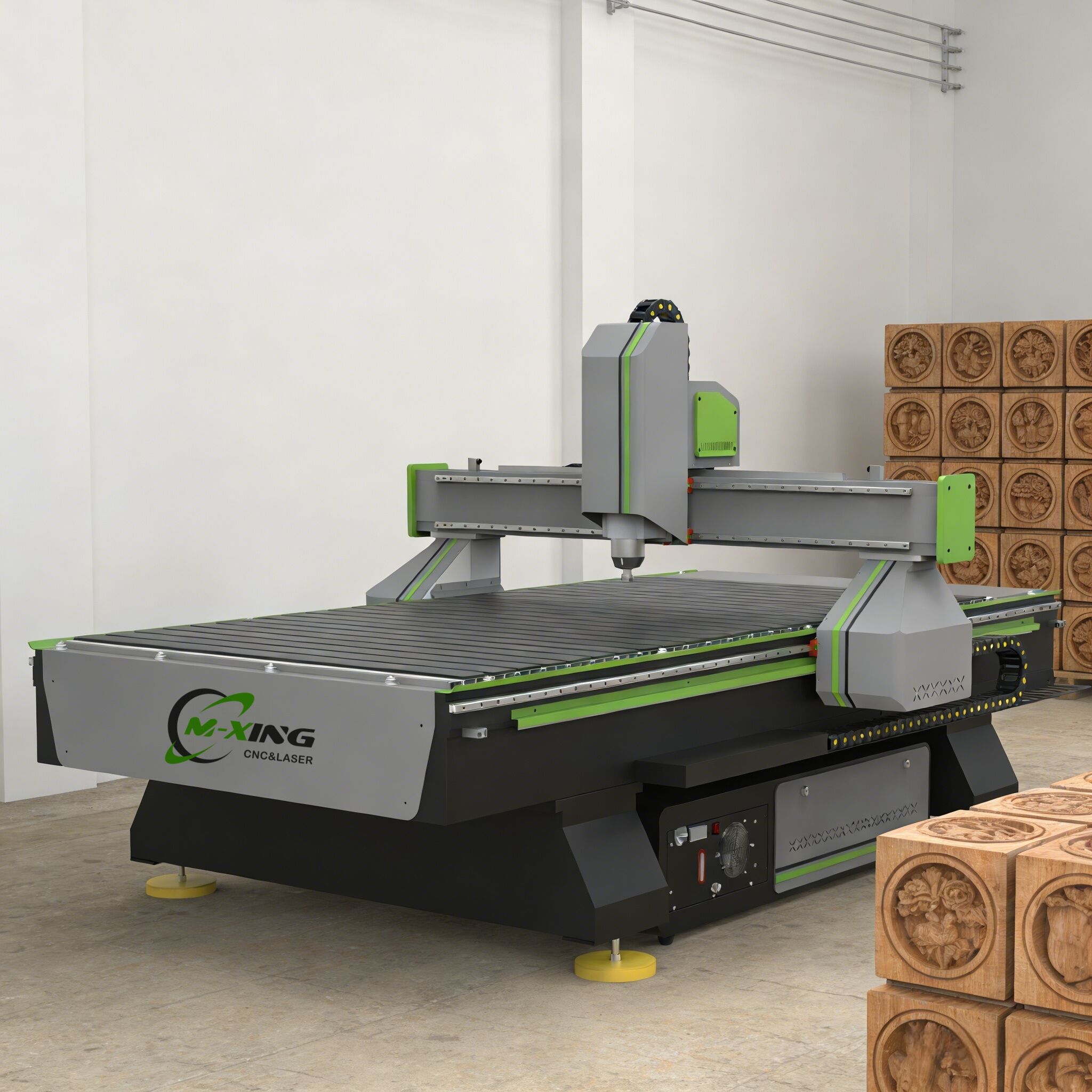
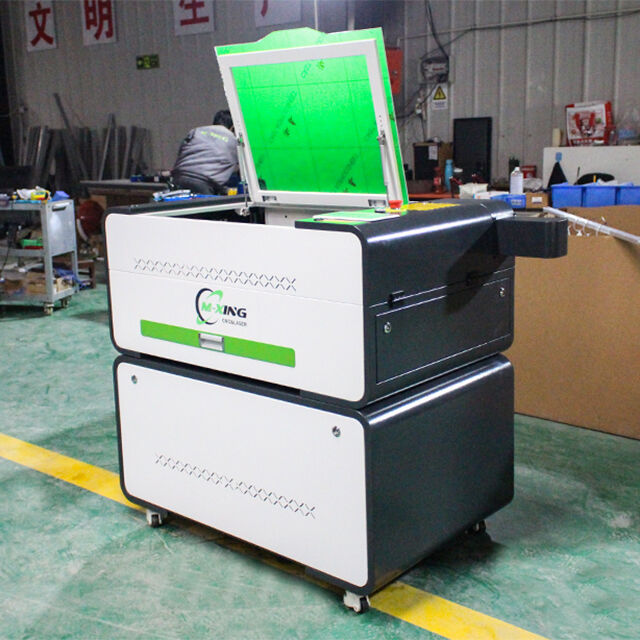
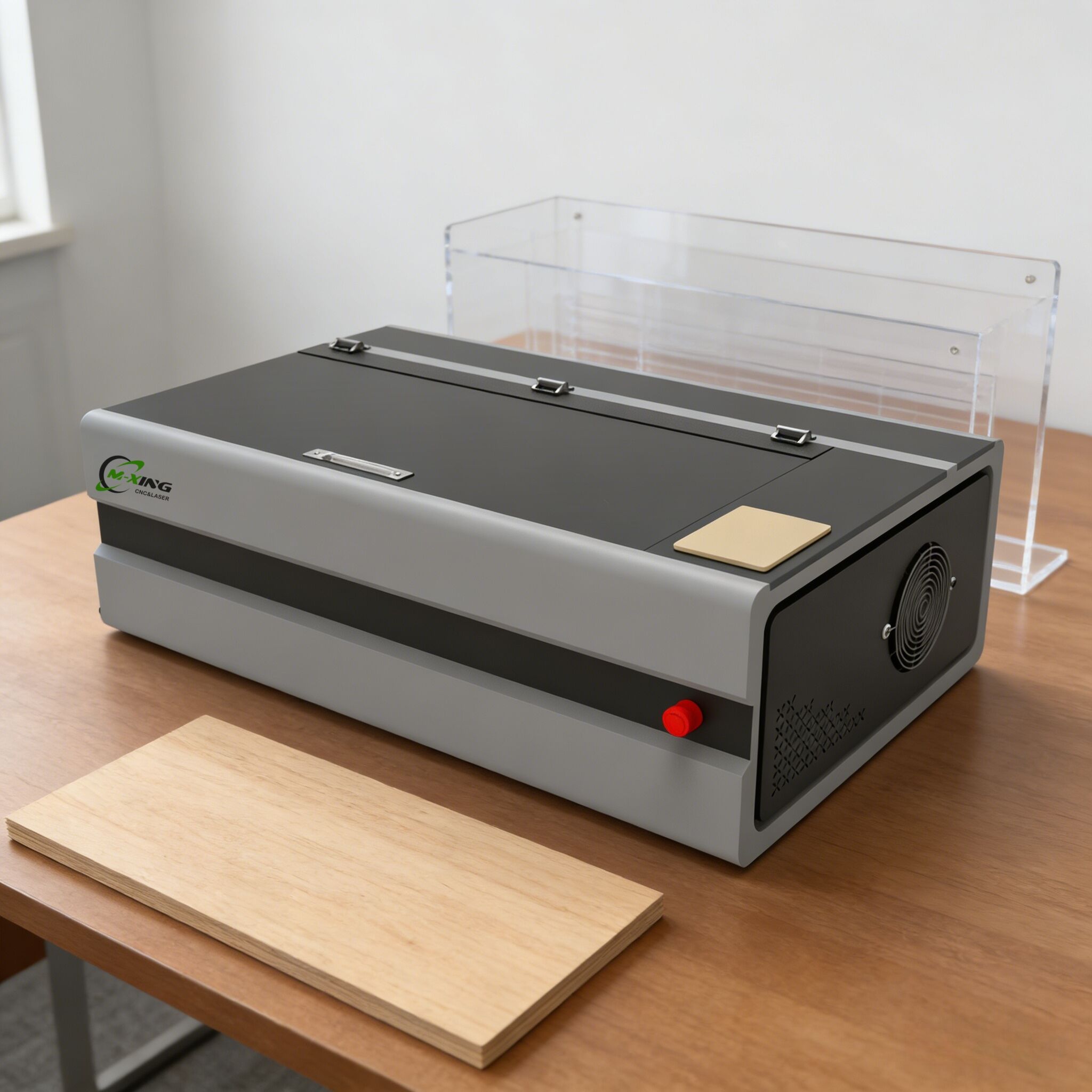
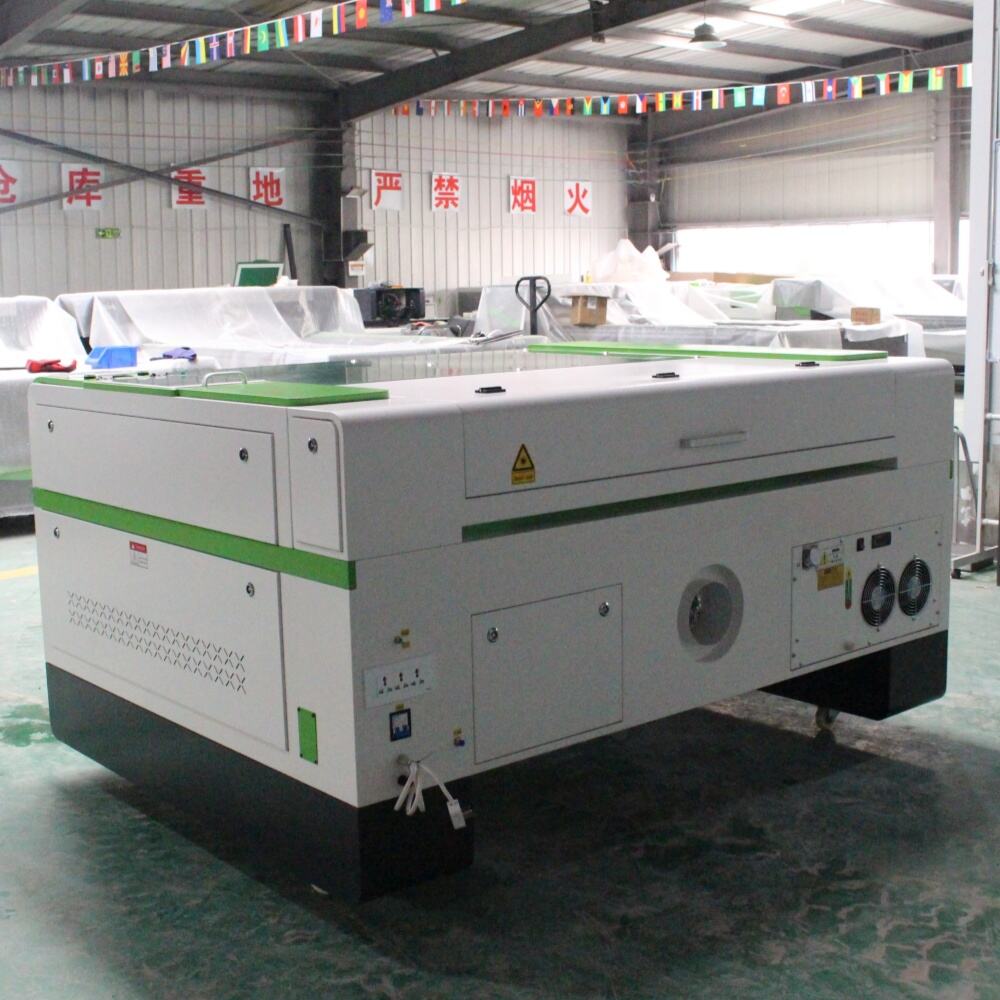
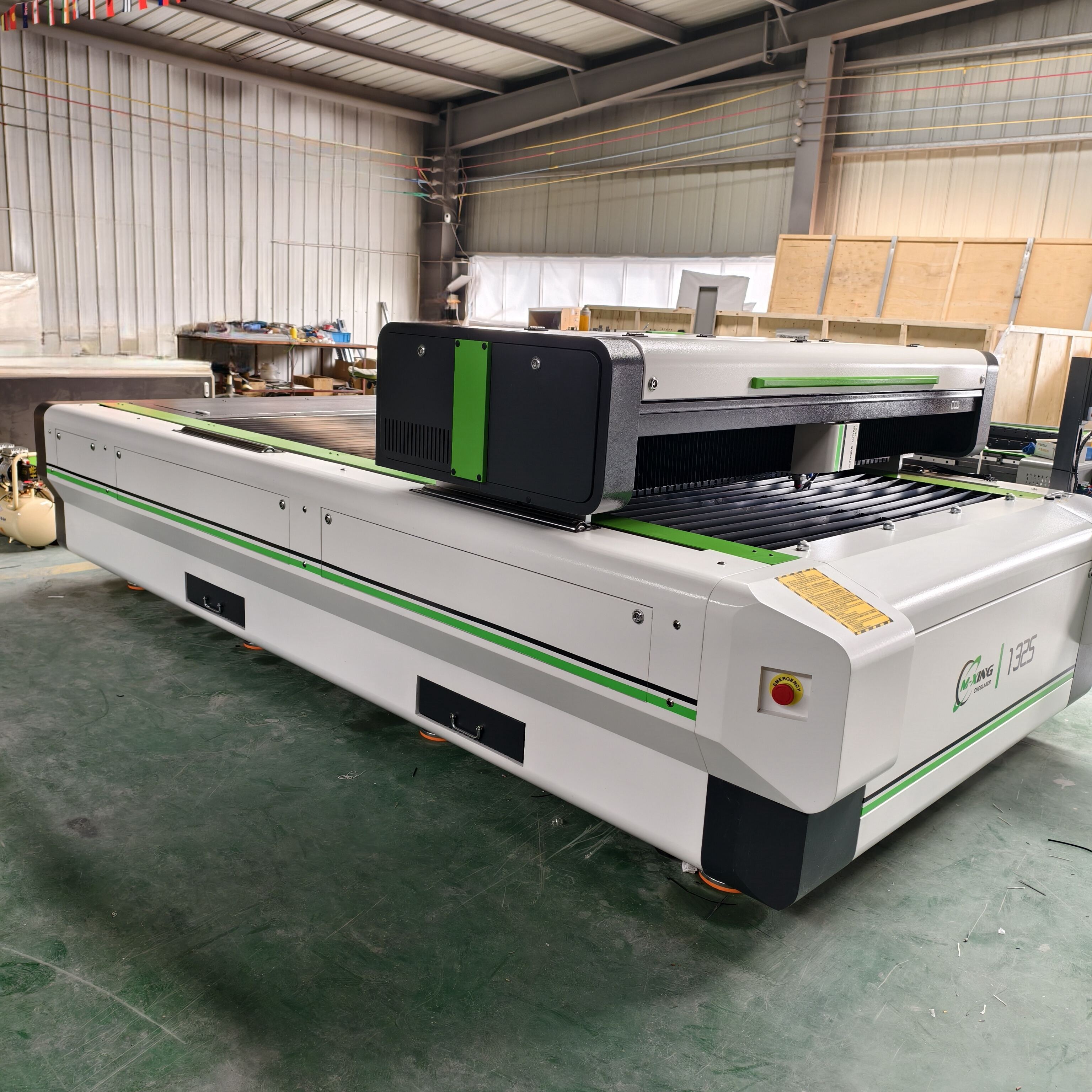
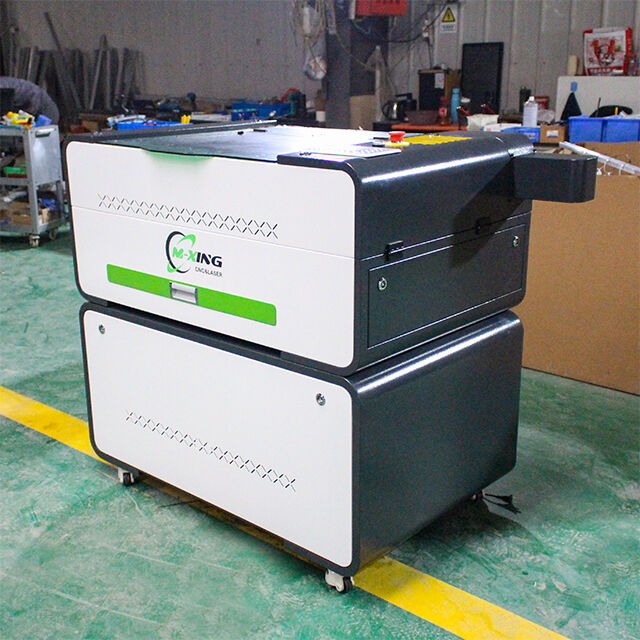
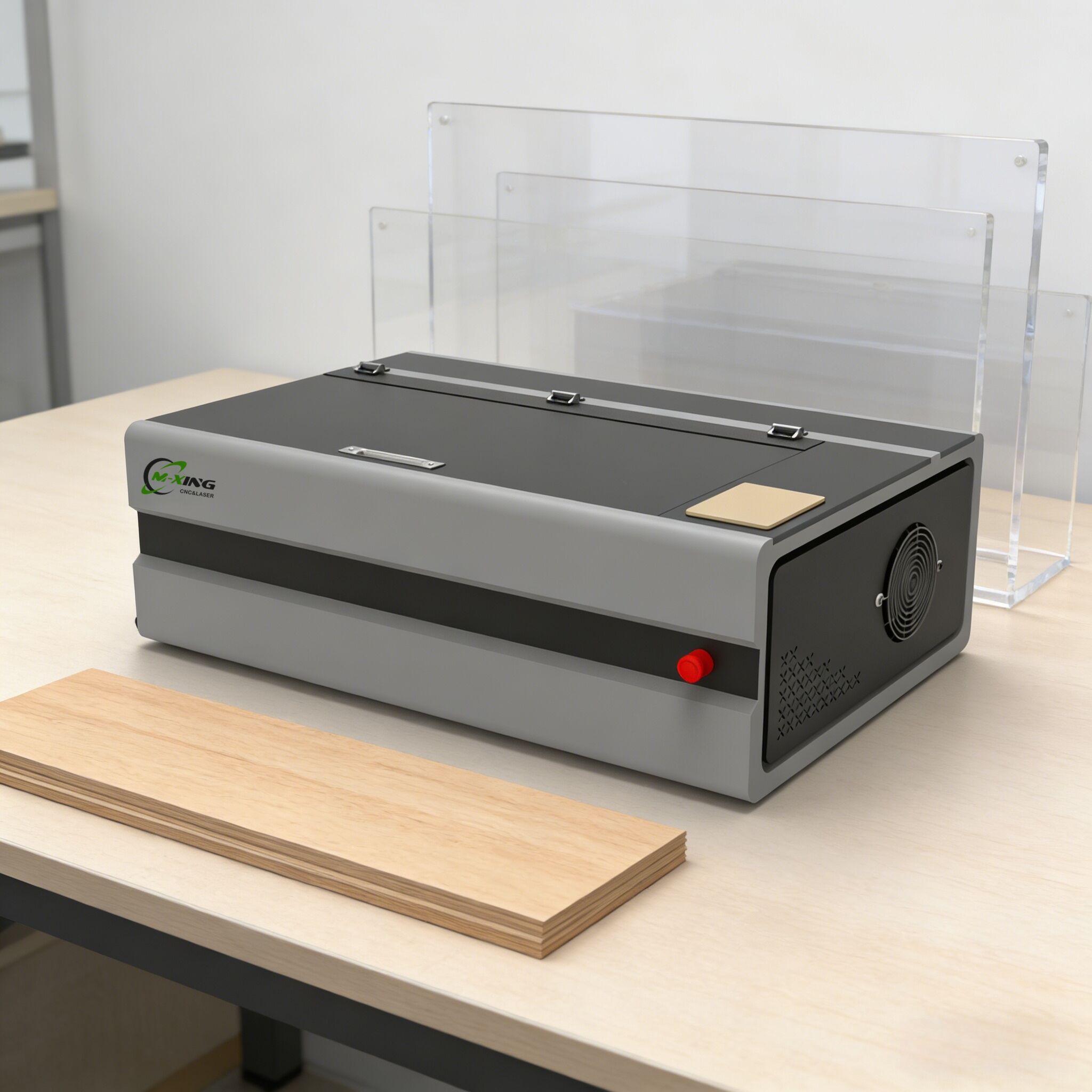
The universal laser cutter demonstrates exceptional material versatility, processing an extensive range of substrates from traditional metals and plastics to advanced composites and specialty materials used in cutting-edge applications. This remarkable adaptability eliminates the need for multiple specialized cutting systems, providing manufacturers with a single solution capable of handling diverse production requirements efficiently and cost-effectively. Metal processing capabilities extend from thin foils to thick plates, accommodating stainless steel, aluminum, brass, copper, titanium, and exotic alloys used in aerospace and medical applications. The universal laser cutter processes various grades of steel including mild steel, carbon steel, and hardened tool steels with consistent quality and minimal heat-affected zones. Non-metallic material processing encompasses plastics, acrylics, polycarbonates, and engineering polymers, enabling fabrication of precision components for electronics, automotive, and consumer products. Wood processing capabilities handle both natural hardwoods and softwoods, as well as engineered materials like plywood, MDF, and particleboard used in furniture and architectural applications. Fabric and textile processing represents another significant capability, with the universal laser cutter handling synthetic and natural fibers, leather, canvas, and technical textiles used in automotive interiors and outdoor equipment. Glass and ceramic processing capabilities enable cutting of tempered glass, borosilicate, and technical ceramics used in laboratory equipment and electronic components. Composite material processing includes carbon fiber, fiberglass, and advanced honeycomb structures used in aerospace and automotive lightweighting applications. The universal laser cutter handles foam materials ranging from packaging foams to technical insulation materials used in specialized applications. Paper and cardboard processing supports packaging, signage, and architectural model-making applications. Advanced material compatibility includes biocompatible polymers used in medical device manufacturing and food-grade materials for packaging applications.

 EN
EN