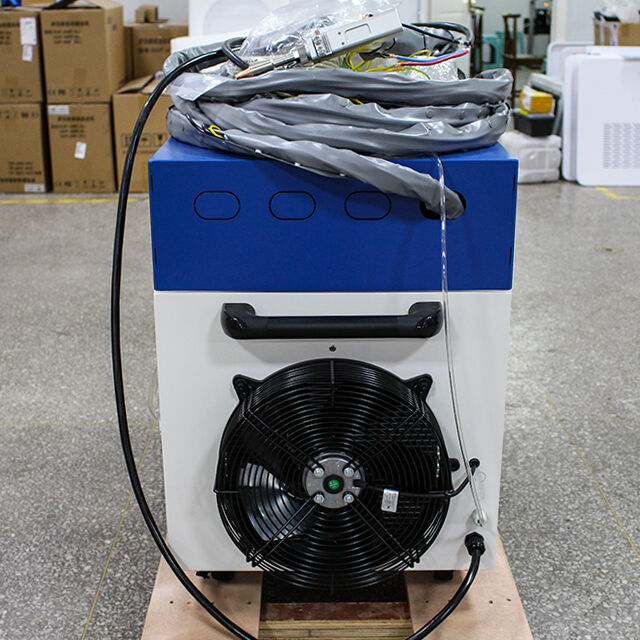
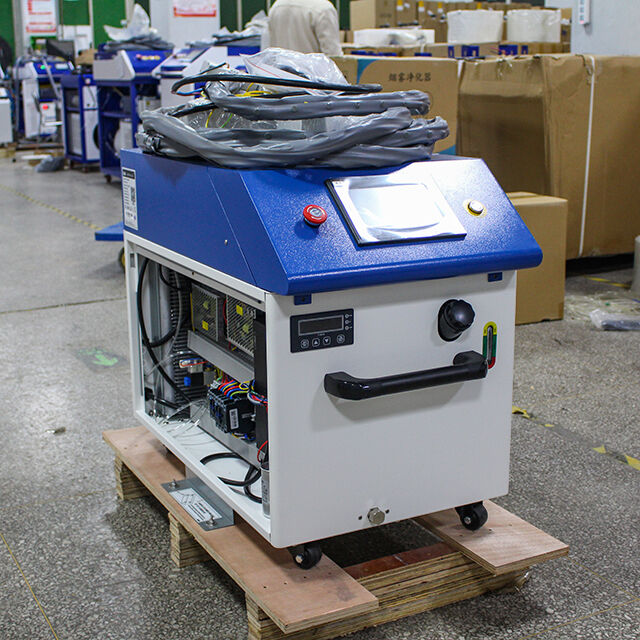
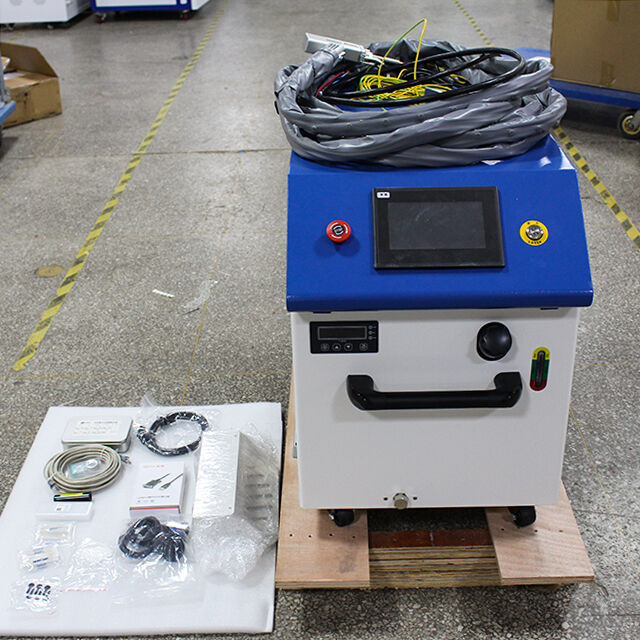
laser plastic welder
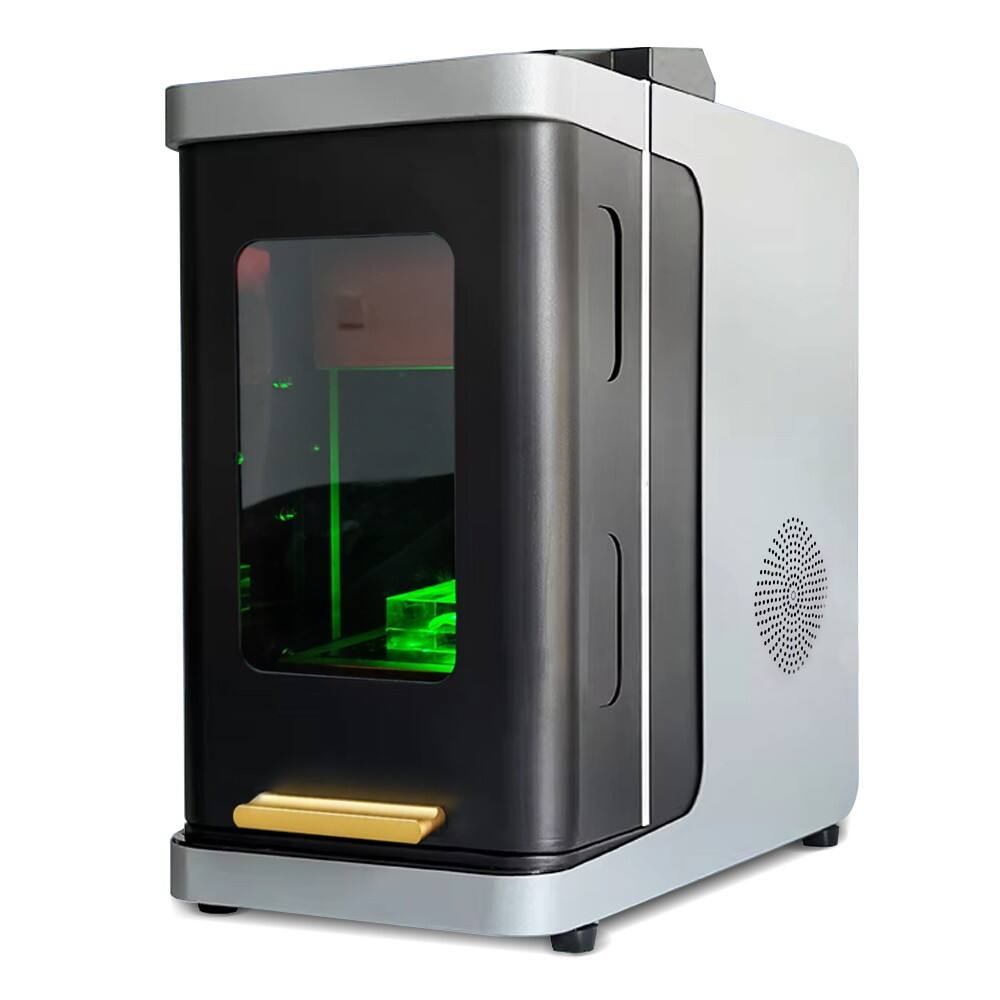
The laser plastic welder represents a revolutionary advancement in manufacturing technology, offering precise and efficient bonding solutions for thermoplastic materials across diverse industries. This sophisticated equipment utilizes concentrated laser beams to create molecular-level fusion between plastic components, delivering superior joint strength and exceptional aesthetic results. Unlike traditional welding methods that rely on external heating elements or consumable materials, the laser plastic welder generates heat directly within the plastic material through absorption of infrared radiation. The system operates by directing a focused laser beam through the transparent upper material to reach the absorbing lower material, creating localized heating that melts both surfaces simultaneously. This process ensures complete material fusion without compromising surrounding areas or creating visible weld lines. Modern laser plastic welder systems incorporate advanced beam control mechanisms, real-time temperature monitoring, and programmable welding parameters to accommodate various plastic types and thicknesses. The technology supports both transmission and absorption welding techniques, enabling manufacturers to join dissimilar materials with different optical properties. Key technological features include precision positioning systems, automated part handling capabilities, and integrated quality control sensors that monitor weld integrity throughout the process. The laser plastic welder excels in applications requiring hermetic seals, such as medical device manufacturing, automotive component assembly, and consumer electronics production. Its non-contact welding approach eliminates mechanical stress on delicate components while maintaining dimensional accuracy. The system's computer-controlled operation ensures consistent results across high-volume production runs, making it ideal for industries demanding strict quality standards. Additionally, the laser plastic welder offers remarkable flexibility in joint design, supporting butt joints, lap joints, and complex three-dimensional configurations that would be challenging with conventional welding methods.
 EN
EN