Advanced Laser Marking Systems - Precision Industrial Marking Solutions

All Categories

Get a Free Quote

Our representative will contact you soon.
Email
Name
WhatsApp
Company Name
Message
0/1000

laser marking systems

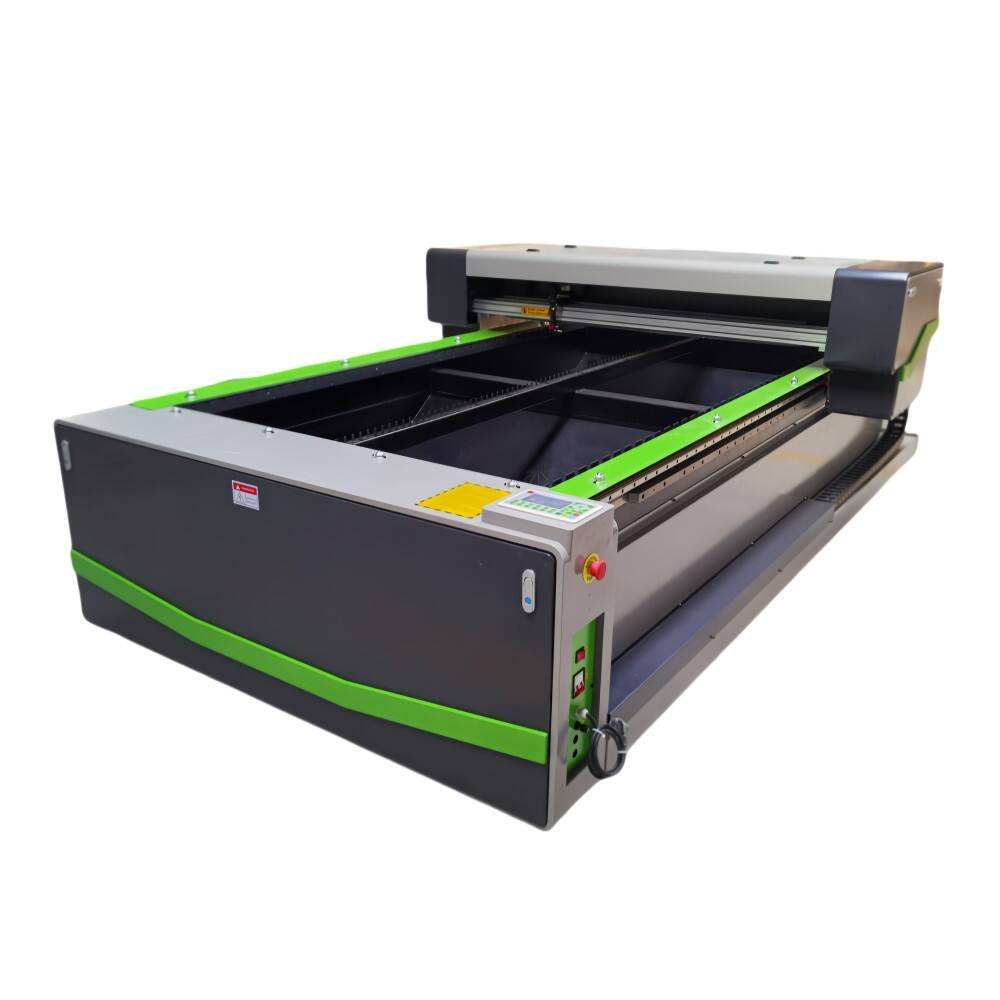
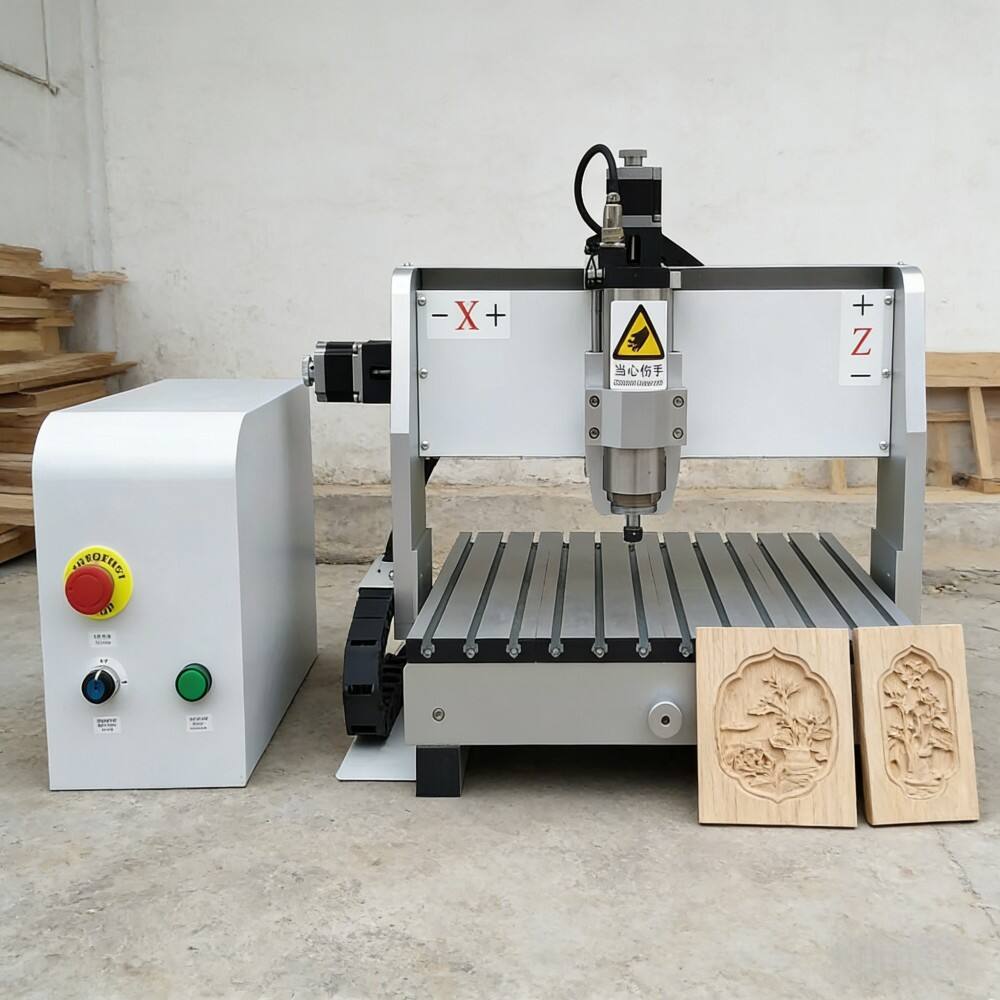
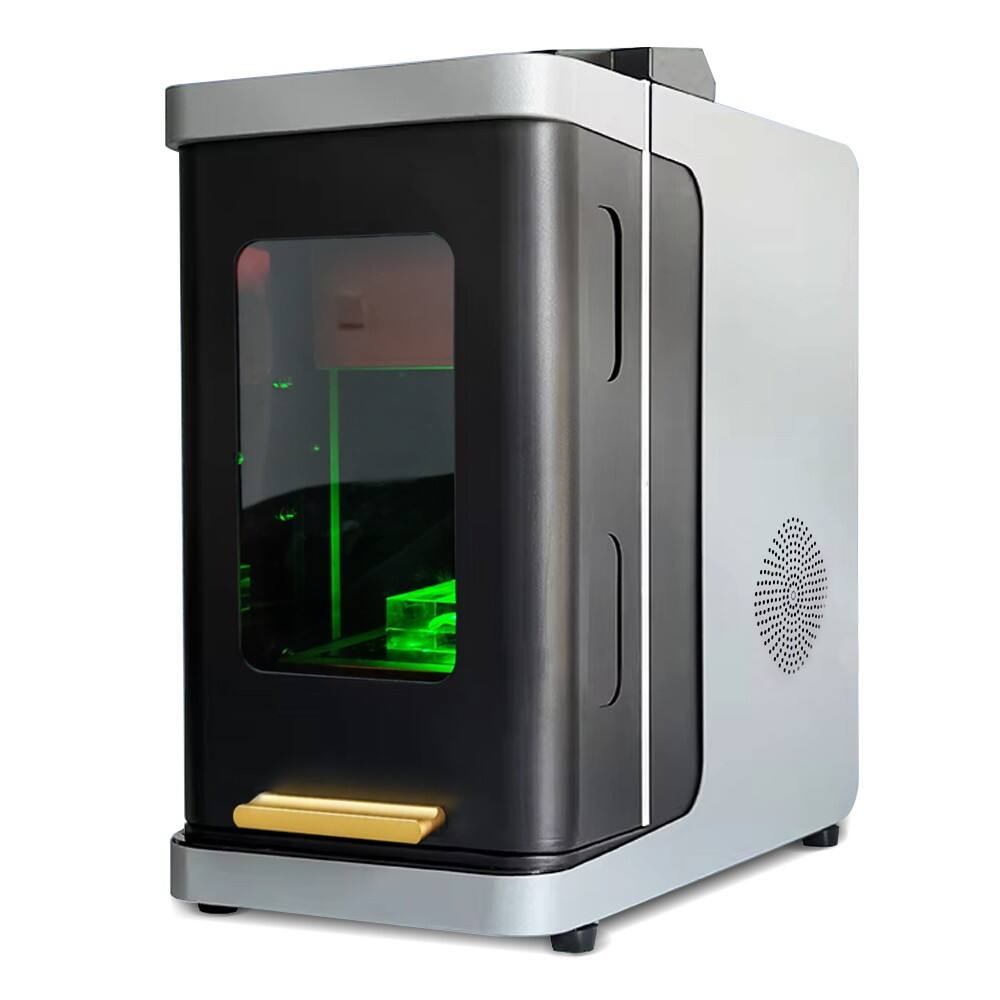
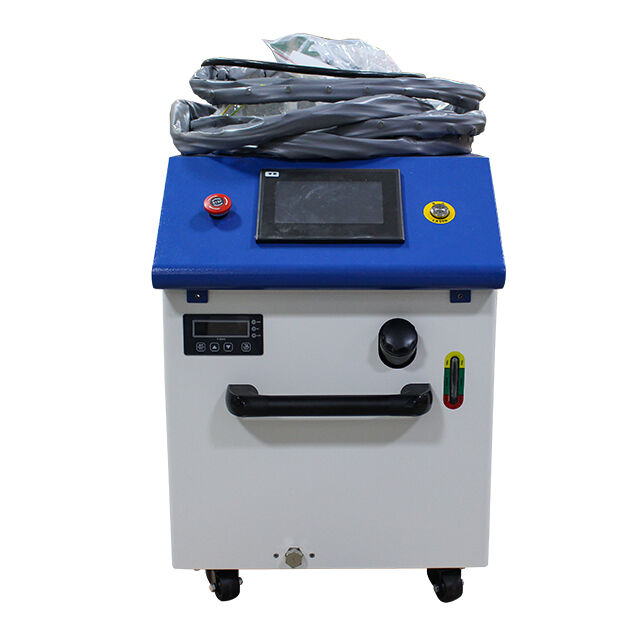
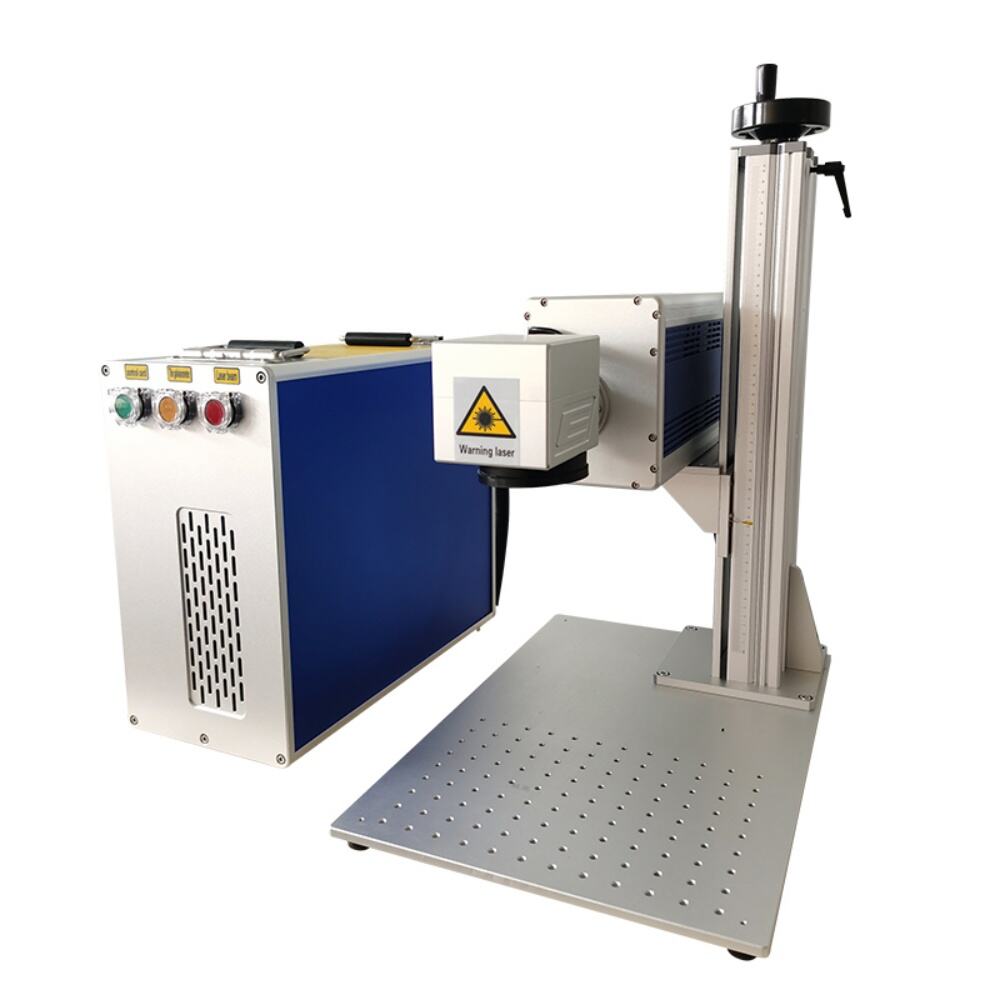
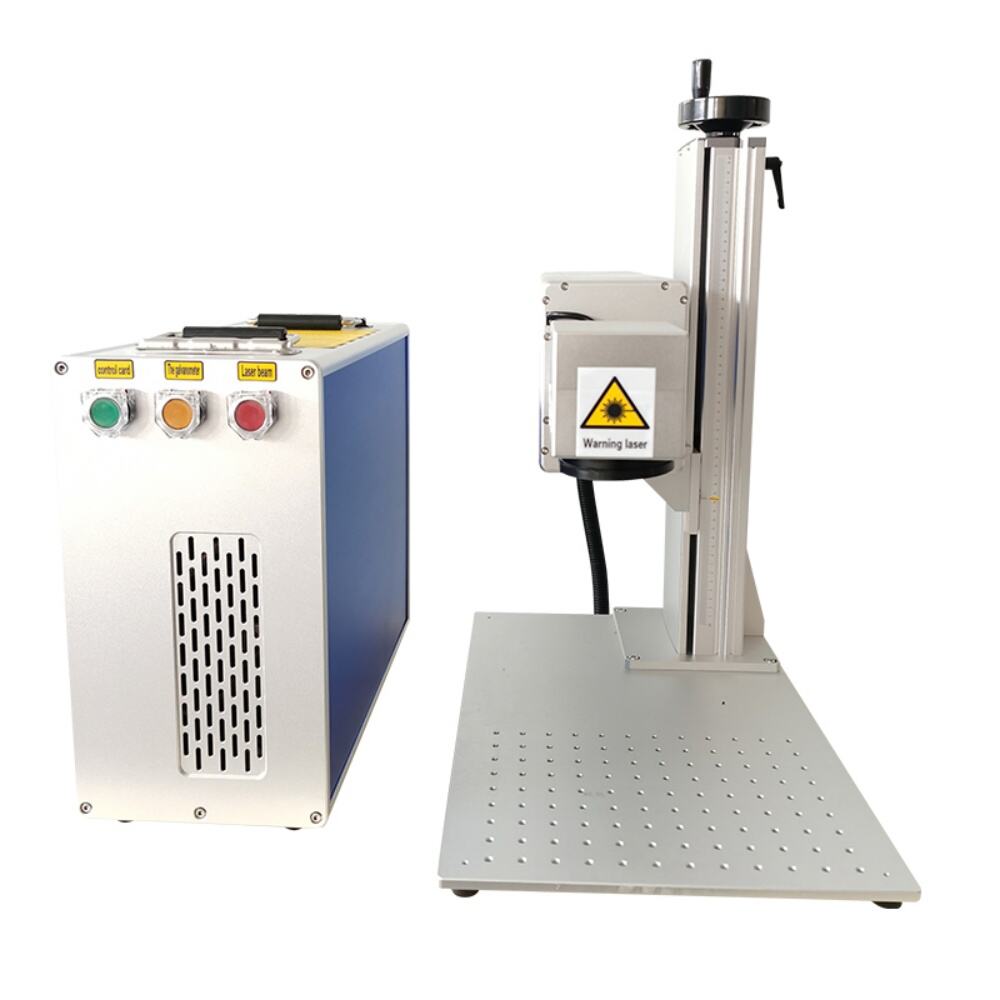
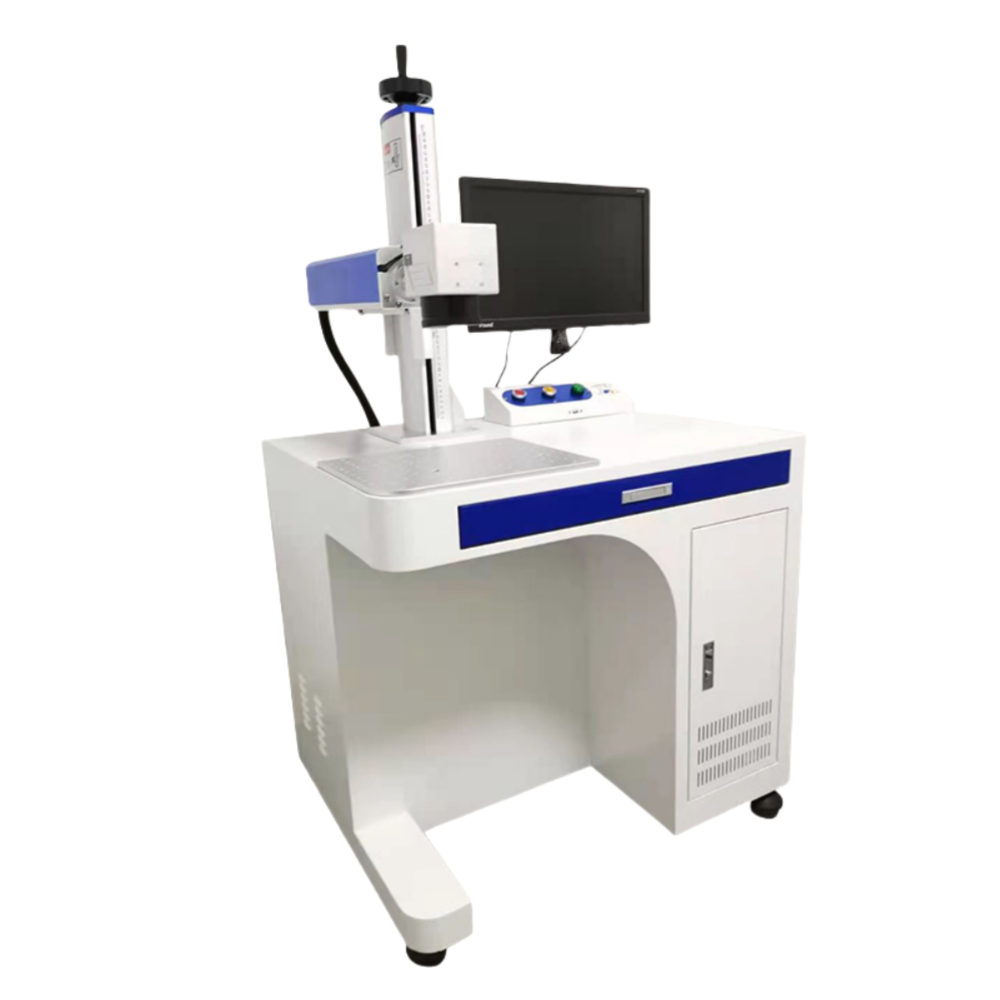
Laser marking systems represent cutting-edge technology that utilizes focused laser beams to create permanent marks, engravings, and etchings on various materials. These sophisticated machines employ concentrated light energy to alter material surfaces, producing precise identification marks, decorative patterns, serial numbers, barcodes, and logos with exceptional accuracy. The core functionality of laser marking systems centers on their ability to deliver controlled thermal energy that modifies material properties without compromising structural integrity. Modern laser marking systems incorporate advanced fiber laser technology, CO2 lasers, or UV lasers, each optimized for specific material types and marking requirements. The technological architecture includes precision beam delivery systems, computer-controlled scanning mechanisms, and intuitive software interfaces that enable operators to design and execute complex marking patterns. These systems feature real-time monitoring capabilities, ensuring consistent output quality while maintaining operational efficiency. The fundamental process involves laser beam interaction with target surfaces, creating permanent alterations through controlled heating, vaporization, or chemical reactions. Advanced laser marking systems offer variable power settings, adjustable pulse frequencies, and customizable beam characteristics to accommodate diverse material properties and marking specifications. Integration capabilities allow seamless connection with production line automation, quality control systems, and enterprise resource planning platforms. The versatility of laser marking systems extends across numerous industries, including automotive manufacturing for component identification, medical device production for traceability requirements, electronics assembly for circuit board marking, and consumer goods manufacturing for brand identification. Aerospace applications utilize these systems for critical part marking and compliance documentation. Pharmaceutical industries rely on laser marking systems for drug packaging identification and anti-counterfeiting measures. The precision and reliability of laser marking systems make them indispensable tools for modern manufacturing processes, ensuring product authenticity, regulatory compliance, and supply chain transparency across global markets.

New Product Releases

Laser marking systems deliver exceptional precision that surpasses traditional marking methods, creating permanent marks with microscopic accuracy that remains legible throughout product lifecycles. Unlike conventional marking techniques such as stamping or chemical etching, laser marking systems produce clean, precise marks without physical contact, eliminating material deformation and stress-related damage. The non-contact nature of laser marking systems ensures consistent quality regardless of material hardness or surface texture, making them suitable for delicate components and finished products. Speed represents another significant advantage, as laser marking systems complete marking operations in seconds rather than minutes required by alternative methods, dramatically increasing production throughput and reducing manufacturing costs. The versatility of laser marking systems enables marking on virtually any material, including metals, plastics, ceramics, glass, and composite materials, providing manufacturers with comprehensive marking solutions under one technology platform. Maintenance requirements for laser marking systems remain minimal compared to mechanical marking equipment, reducing operational downtime and maintenance expenses while ensuring reliable performance over extended periods. Environmental benefits of laser marking systems include elimination of consumable materials such as inks, solvents, and marking compounds, reducing waste generation and environmental impact while lowering ongoing operational costs. The digital control systems integrated into modern laser marking systems allow real-time parameter adjustments, ensuring optimal marking quality for varying production requirements without manual intervention. Durability of marks created by laser marking systems exceeds traditional methods, as laser-created marks resist fading, corrosion, and wear under extreme environmental conditions. The automation compatibility of laser marking systems enables seamless integration with existing production lines, reducing labor requirements and human error while increasing overall manufacturing efficiency. Quality control capabilities built into laser marking systems provide immediate feedback on marking quality, allowing instant corrections and ensuring consistent output standards. The flexibility of laser marking systems accommodates rapid design changes and customization requirements without tooling modifications, enabling manufacturers to respond quickly to market demands and customer specifications. Energy efficiency of modern laser marking systems reduces power consumption compared to traditional marking methods, contributing to sustainable manufacturing practices while lowering operational expenses.

Latest News

How does laser engraving machine work step by step?

05

Mar

How does laser engraving machine work step by step?

Laser engraving technology has revolutionized modern manufacturing and creative industries by providing precise, efficient, and versatile material processing capabilities. An engraving machine utilizes focused laser beams to create detailed patterns,...
View More
What is a laser engraver and how does it work in 2026?

03

Mar

What is a laser engraver and how does it work in 2026?

A laser engraver represents one of the most revolutionary technological advances in precision manufacturing and creative fabrication. This sophisticated device harnesses focused light energy to permanently mark, etch, or cut various materials with un...
View More
What materials can a laser engraver cut and engrave today?

06

Mar

What materials can a laser engraver cut and engrave today?

Modern manufacturing and creative industries have witnessed remarkable advancements in precision cutting and engraving technologies. A laser engraver has become an indispensable tool across various sectors, from small artisan workshops to large-scale...
View More
What types of laser engraving machines are available?

09

Mar

What types of laser engraving machines are available?

The modern manufacturing landscape has been revolutionized by precision cutting and engraving technologies, with laser engraving machine systems leading the charge in delivering exceptional accuracy and versatility. These sophisticated devices have t...
View More

Get a Free Quote

Our representative will contact you soon.
Email
Name
WhatsApp
Company Name
Message
0/1000

laser marking systems

Unmatched Precision and Quality Control

Unmatched Precision and Quality Control

The precision capabilities of laser marking systems set new industry standards for marking accuracy and consistency, delivering results that traditional marking methods cannot match. These advanced systems utilize precisely controlled laser beams with spot sizes as small as 10 micrometers, enabling the creation of intricate details, fine text, and complex graphics with exceptional clarity. The computer-controlled scanning mechanisms ensure repeatable positioning accuracy within 0.001 inches, guaranteeing identical mark placement across thousands of production units. Quality control features integrated into laser marking systems provide real-time monitoring of marking parameters, automatically adjusting laser power, speed, and focus to maintain optimal marking quality throughout production runs. The non-contact marking process eliminates variables introduced by mechanical wear, tool degradation, and operator inconsistencies, resulting in uniform mark quality from the first piece to the last. Advanced feedback systems continuously monitor laser output and beam characteristics, alerting operators to any deviations that might affect marking quality. The digital nature of laser marking systems allows for instant parameter modifications without production interruption, enabling immediate optimization for different materials or marking specifications. Vision systems integrated with modern laser marking systems provide automated quality verification, capturing images of completed marks and comparing them against established standards to ensure compliance with quality requirements. The precision of laser marking systems enables the creation of marks smaller than traditional methods can achieve, making them ideal for miniaturized components in electronics, medical devices, and precision instruments. Temperature control systems maintain consistent laser performance regardless of ambient conditions, ensuring marking quality remains stable throughout extended production periods. The ability to create variable data marks, such as sequential serial numbers, date codes, and unique identifiers, demonstrates the flexibility and precision of laser marking systems in meeting complex identification requirements. Statistical process control capabilities track marking parameters over time, providing valuable data for process optimization and quality assurance programs.
Exceptional Versatility Across Materials and Applications

Exceptional Versatility Across Materials and Applications

The remarkable versatility of laser marking systems enables manufacturers to address diverse marking requirements across multiple materials and applications using a single technology platform, providing unprecedented flexibility in production environments. These systems successfully mark metals including stainless steel, aluminum, titanium, brass, and exotic alloys used in aerospace applications, creating permanent marks that withstand extreme environmental conditions. Plastic marking capabilities extend to engineering plastics, consumer grade polymers, and specialized materials used in medical devices, automotive components, and electronic housings. Glass and ceramic marking applications demonstrate the adaptability of laser marking systems, creating precise etchings on optical components, laboratory equipment, and decorative items without compromising material integrity. The wavelength selection available in modern laser marking systems ensures optimal absorption characteristics for specific materials, maximizing marking efficiency and quality. Fiber laser marking systems excel at marking metals and engineered plastics, while CO2 laser systems provide superior performance on organic materials, wood, and certain ceramics. UV laser marking systems offer exceptional results on sensitive materials requiring minimal heat input, such as pharmaceutical packaging and electronic components. The power range flexibility of laser marking systems accommodates materials from thin films requiring minimal energy input to thick sections needing higher power density for deep engraving. Surface treatment options include annealing for color change marking on stainless steel, ablation for removing surface coatings, and engraving for creating tactile marks on various substrates. The ability to switch between marking modes without hardware changes enables manufacturers to optimize processes for specific applications, reducing setup time and increasing operational efficiency. Customizable beam characteristics allow fine-tuning of marking parameters for unique materials or specialized applications, ensuring optimal results across diverse production requirements. The software flexibility of laser marking systems supports complex marking patterns, variable data integration, and automated production sequences, accommodating virtually any marking challenge encountered in modern manufacturing environments.
Superior Return on Investment and Operational Efficiency

Superior Return on Investment and Operational Efficiency

The financial benefits of laser marking systems extend far beyond initial equipment costs, delivering exceptional return on investment through reduced operational expenses, increased productivity, and enhanced quality outcomes that strengthen competitive positioning. Operating cost advantages begin with the elimination of consumable materials required by traditional marking methods, as laser marking systems require no inks, solvents, stencils, or replacement tooling throughout their operational lifetime. The high-speed operation of laser marking systems dramatically increases production throughput, with marking cycles measured in seconds rather than minutes, enabling manufacturers to meet demanding production schedules while reducing labor costs per marked unit. Maintenance requirements remain minimal for laser marking systems, with typical maintenance consisting of periodic lens cleaning and routine calibration checks, significantly reducing downtime and maintenance expenses compared to mechanical marking equipment. Energy efficiency of modern laser marking systems translates to lower power consumption costs, particularly when compared to heating processes required by hot stamping or thermal transfer methods. The longevity of laser sources in contemporary systems extends beyond 100,000 operating hours, providing years of reliable service with predictable operating costs and minimal replacement requirements. Quality improvements achieved through laser marking systems reduce rework, scrap rates, and customer returns, contributing to overall profitability while enhancing brand reputation for reliability. The flexibility of laser marking systems eliminates the need for multiple marking technologies, consolidating equipment investments and reducing training requirements for operators. Automation integration capabilities enable lights-out operation and integration with existing production systems, maximizing equipment utilization while minimizing labor requirements. The precision and repeatability of laser marking systems reduce quality control inspection requirements, as the consistent output eliminates the variability associated with manual marking processes. Space efficiency of laser marking systems allows installation in compact production areas, reducing facility costs while maintaining high production capacity. The digital nature of laser marking systems enables rapid changeover between different marking specifications without tooling changes, reducing setup time and increasing machine utilization rates that directly impact profitability and operational flexibility.
Advanced Laser Marking Systems - Precision Industrial Marking Solutions

Get a Free Quote

Our representative will contact you soon.
Email
Name
WhatsApp
Company Name
Message
0/1000