Professional Laser Cut and Engrave Machine - Precision Cutting & Engraving Solutions

All Categories

Get a Free Quote

Our representative will contact you soon.
Email
Name
WhatsApp
Company Name
Message
0/1000

laser cut and engrave machine

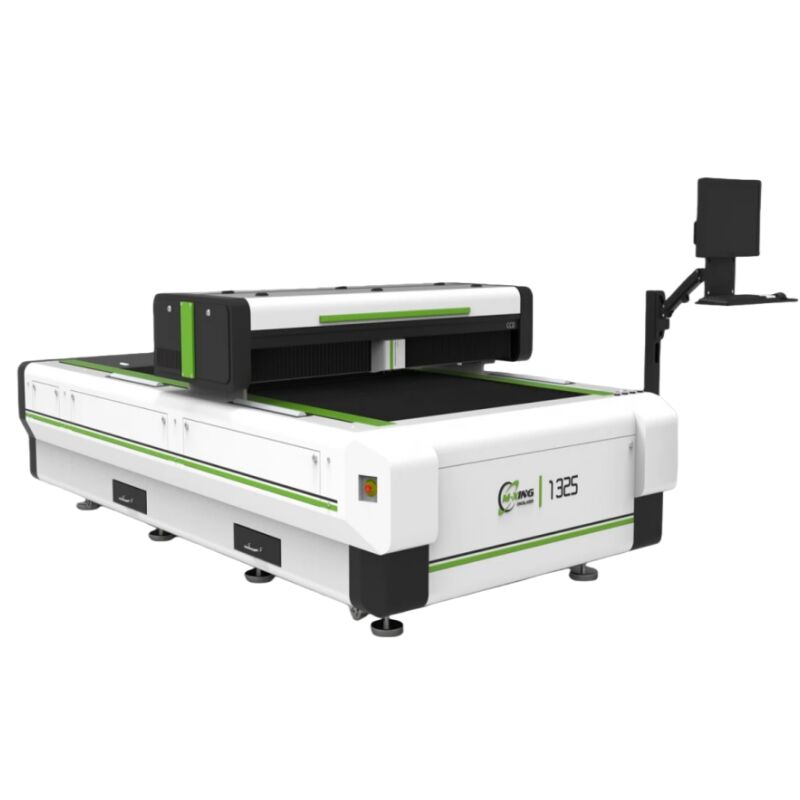
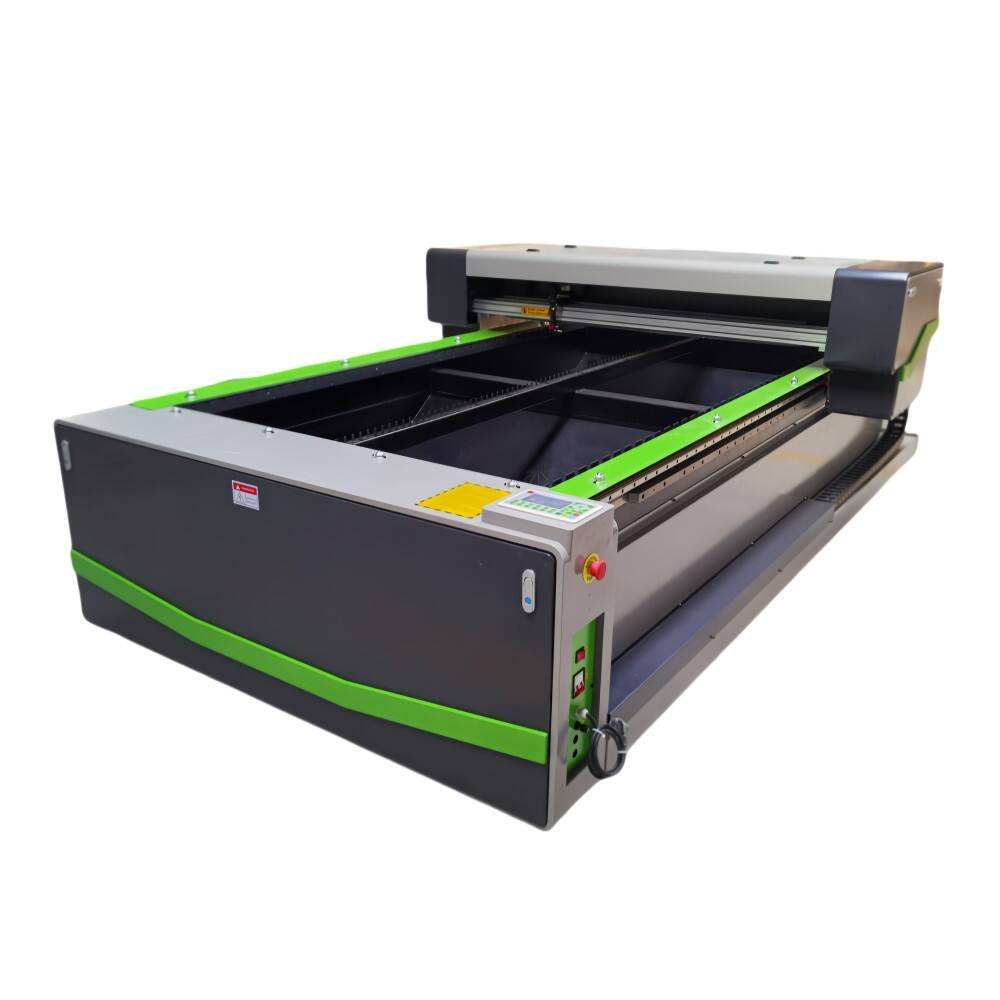
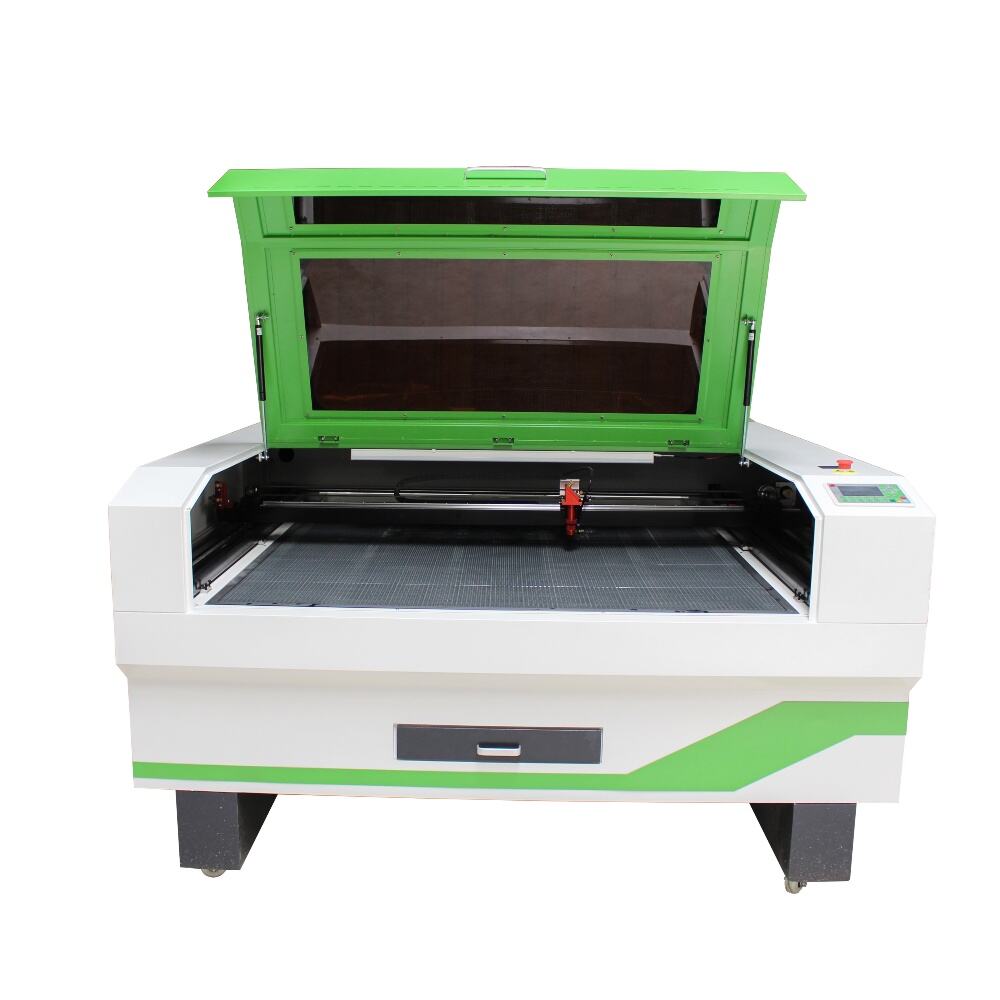
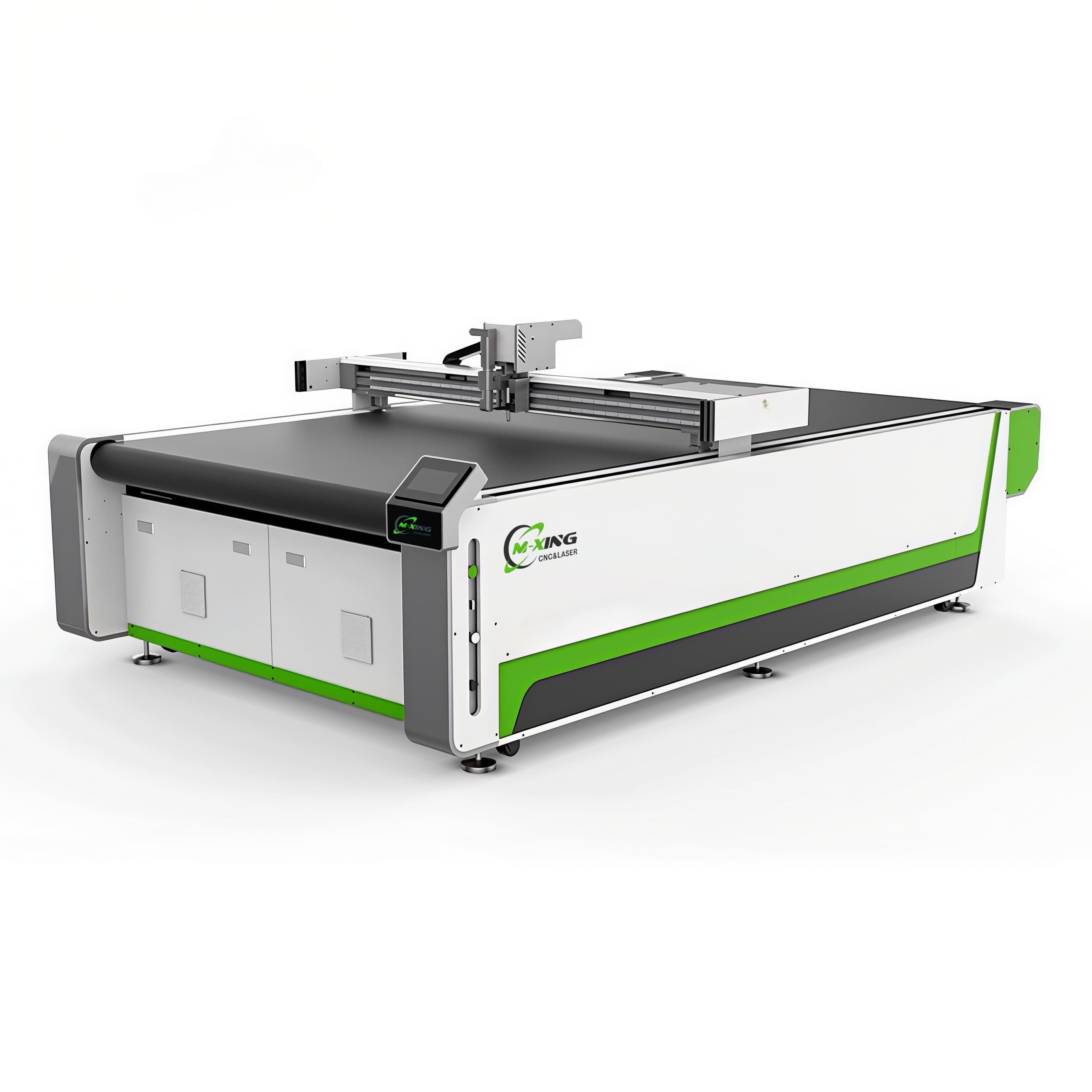
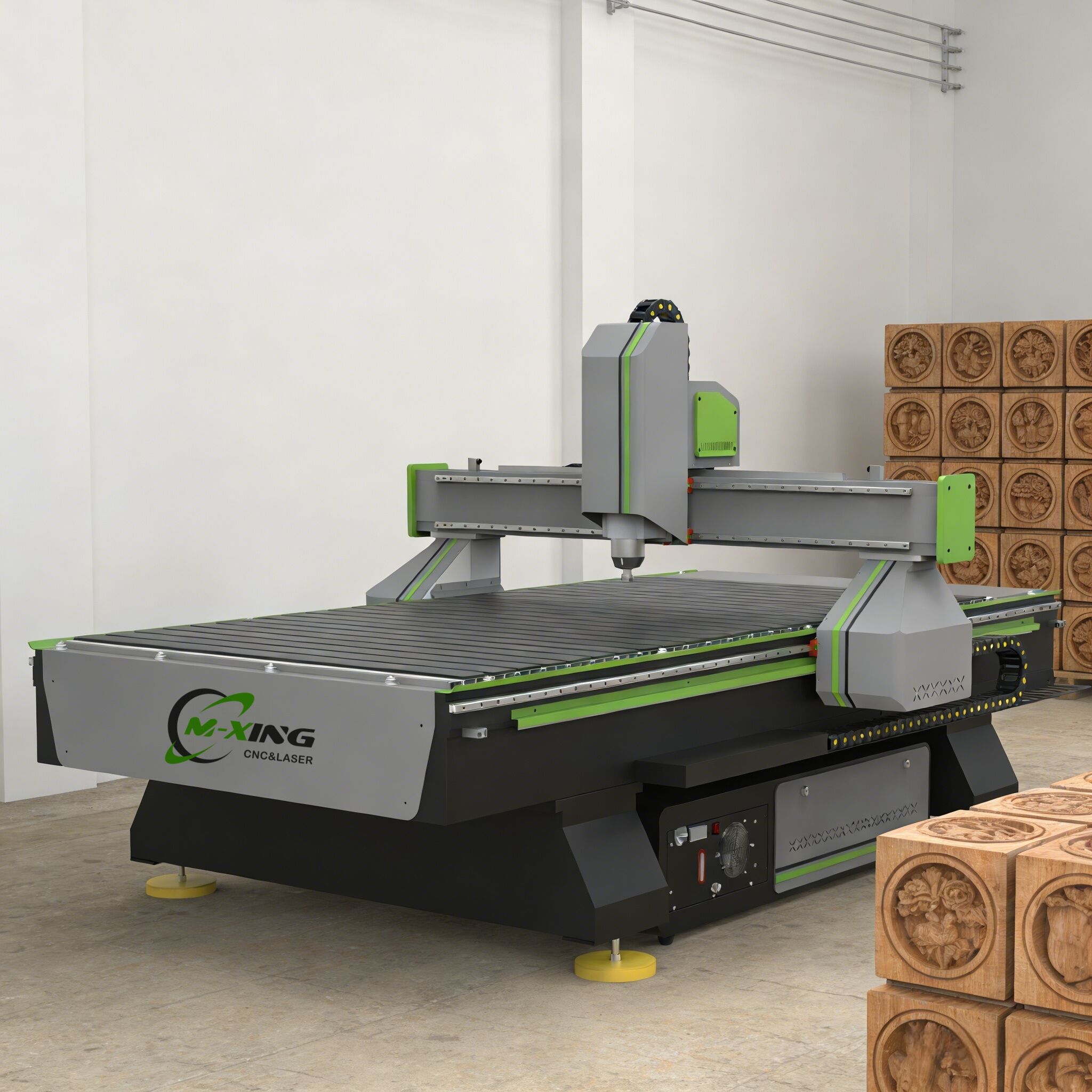
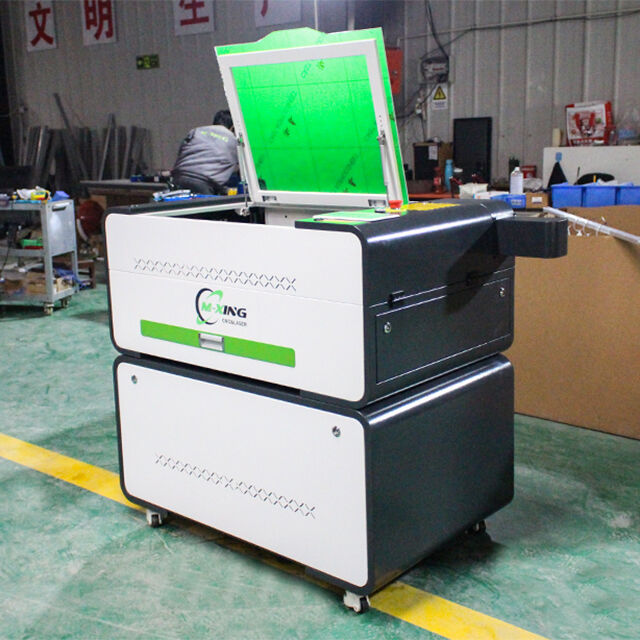
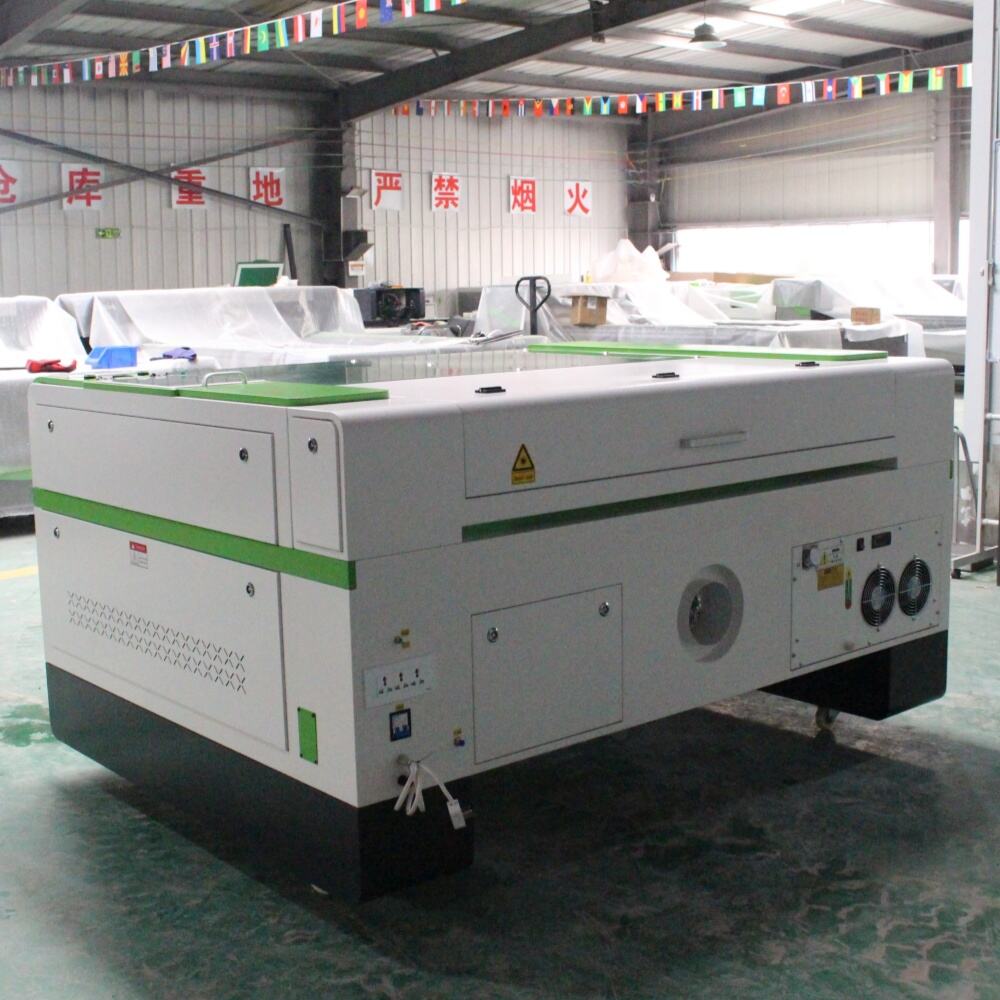
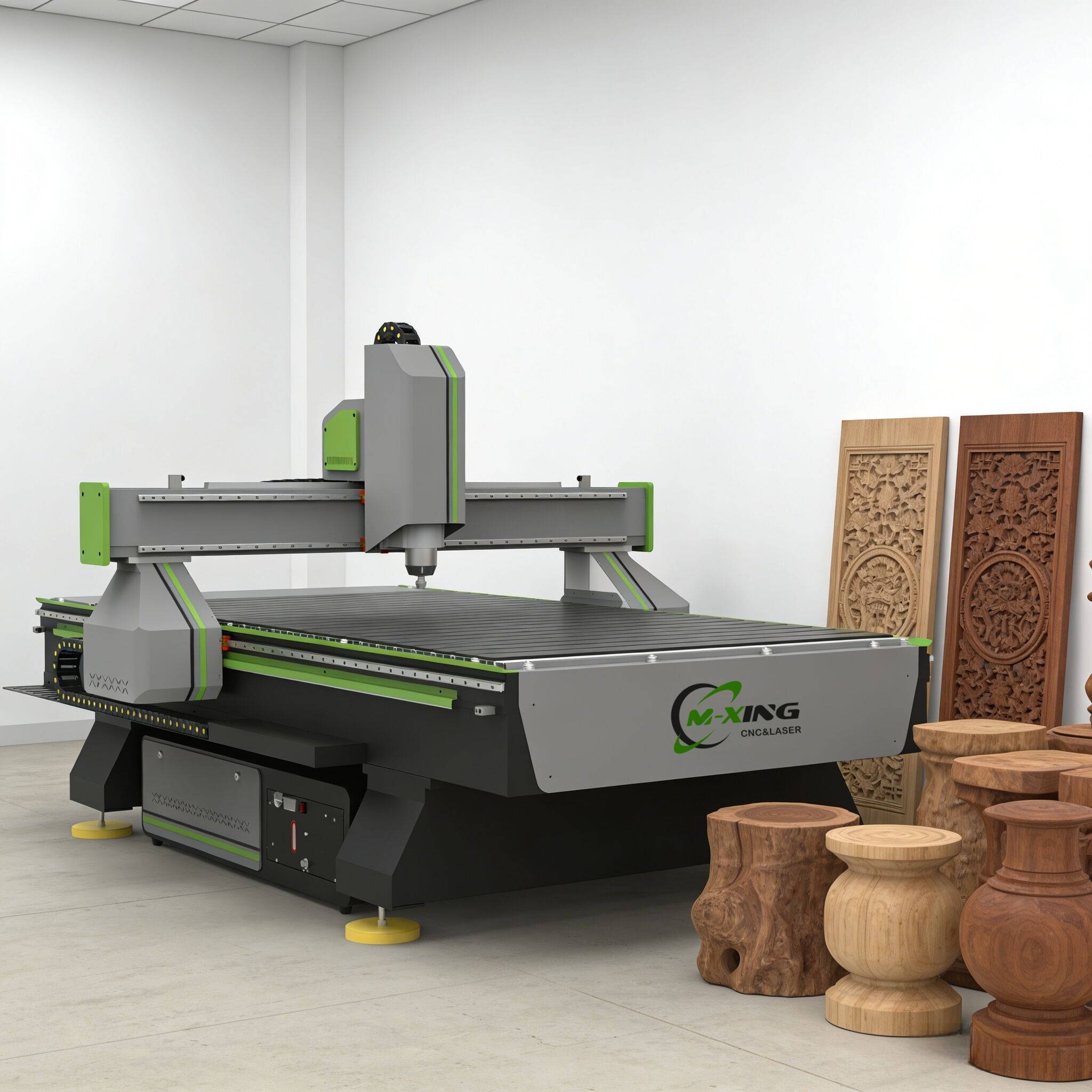
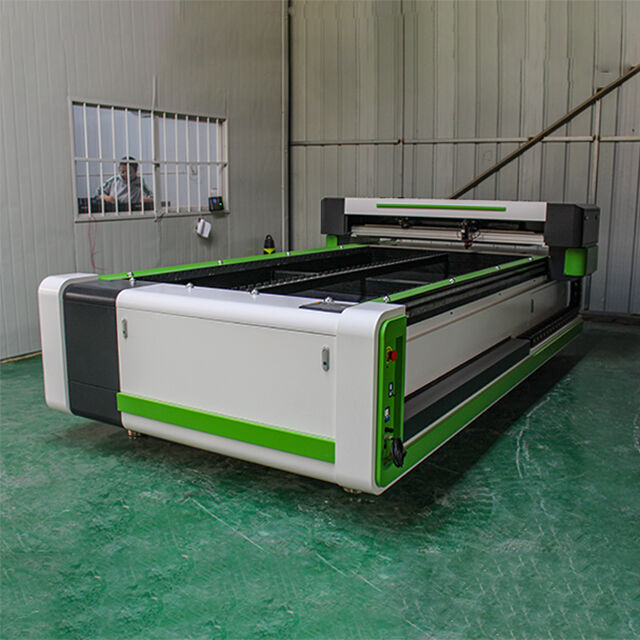
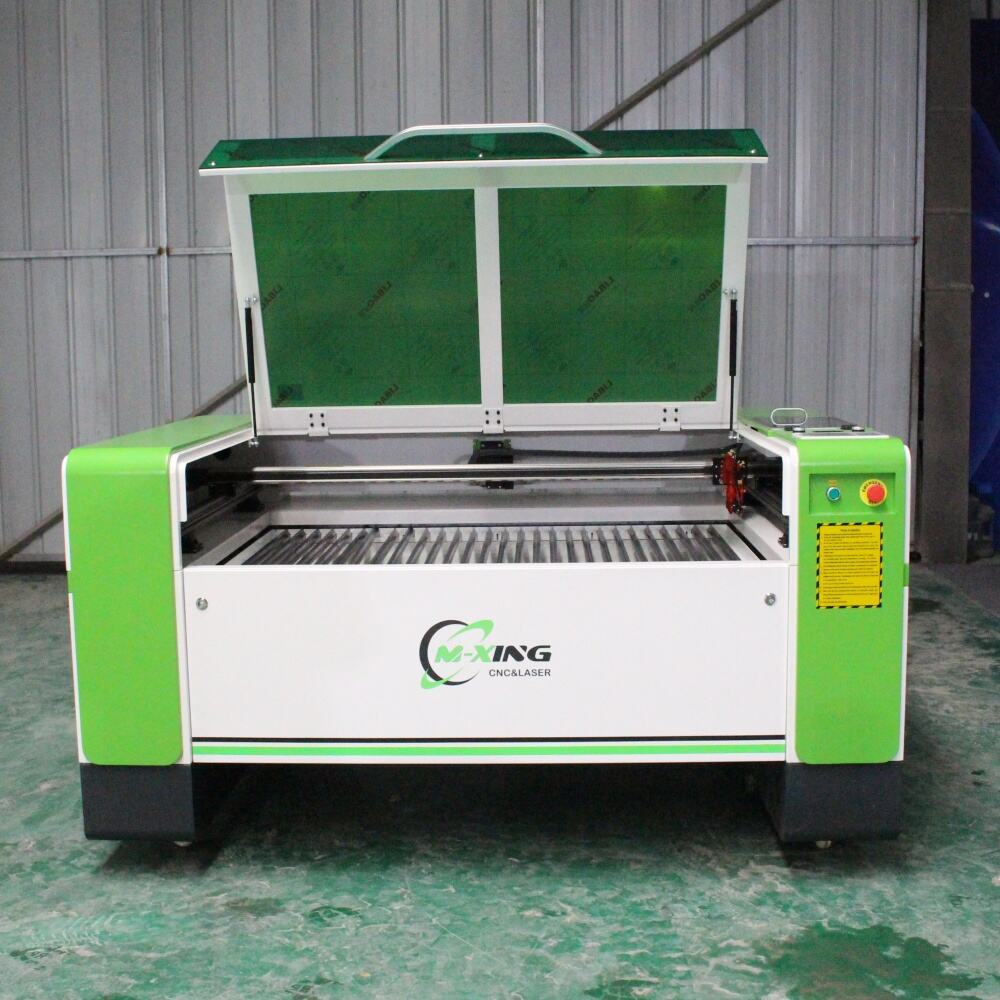
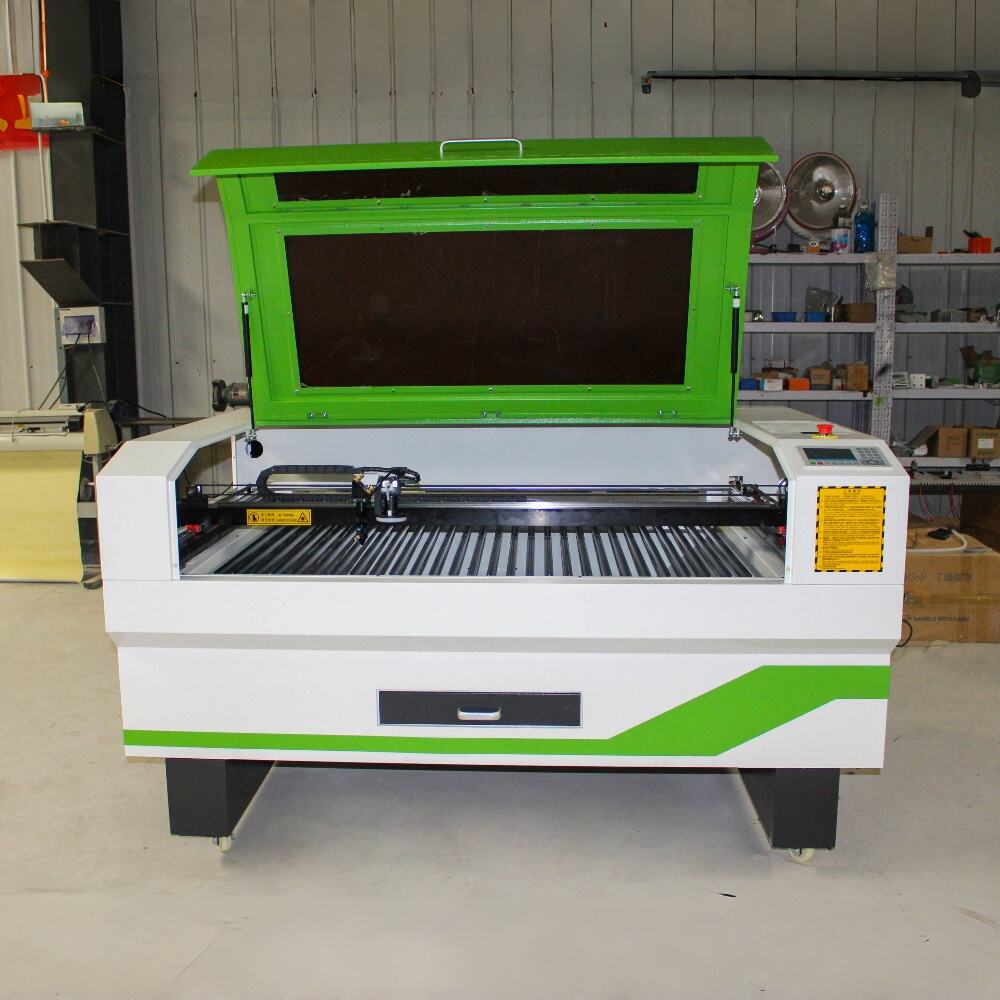
A laser cut and engrave machine represents cutting-edge technology that harnesses focused laser beams to precisely cut through materials and create detailed engravings with exceptional accuracy. These sophisticated devices utilize high-powered laser systems to transform digital designs into physical reality, offering unprecedented control over material processing. The laser cut and engrave machine operates through computer-controlled mechanisms that direct concentrated light energy to vaporize, melt, or burn through various materials including wood, acrylic, leather, fabric, metal, glass, and numerous synthetic materials. The primary functions encompass two distinct capabilities: cutting materials with clean, precise edges and engraving intricate patterns, text, or images onto surfaces with remarkable detail resolution. Technological features include advanced motion control systems with stepper motors or servo drives that ensure smooth, accurate movement across X and Y axes. Most laser cut and engrave machine models incorporate user-friendly software interfaces that accept various file formats including vector graphics, raster images, and CAD drawings. Temperature monitoring systems prevent overheating while exhaust ventilation removes harmful fumes and debris. Many units feature autofocus capabilities that automatically adjust the laser focal point for optimal results across different material thicknesses. The applications span numerous industries and creative fields. Manufacturing companies utilize these machines for prototyping, custom parts production, and small-batch manufacturing. Educational institutions employ them for STEM programs, art classes, and technical training. Hobbyists and crafters appreciate their ability to create personalized gifts, decorative items, and artistic projects. Signage companies rely on laser cut and engrave machine technology for professional-quality business signs, architectural elements, and promotional materials. The versatility extends to fashion accessories, jewelry making, automotive components, electronics enclosures, and architectural models, making these machines invaluable tools for diverse professional and personal applications.

New Products

The laser cut and engrave machine delivers numerous compelling advantages that transform how businesses and individuals approach material processing and creative projects. Precision stands as the foremost benefit, with modern units achieving accuracy levels within 0.001 inches, ensuring consistent results that meet exacting specifications. This exceptional precision eliminates the need for secondary finishing operations, reducing production time and costs while maintaining superior quality standards. Speed represents another significant advantage, as laser processing typically outperforms traditional cutting methods by substantial margins. A laser cut and engrave machine can complete complex cutting patterns in minutes rather than hours, dramatically increasing productivity and enabling faster project turnaround times. The contactless nature of laser processing prevents material distortion that occurs with mechanical cutting tools, preserving the integrity of delicate materials and thin sheets. Versatility emerges as a game-changing advantage, allowing users to process an extensive range of materials without changing tools or extensive setup procedures. From thick hardwoods to delicate papers, metals to textiles, a single laser cut and engrave machine handles diverse materials with consistent quality. This versatility eliminates the need for multiple specialized tools, reducing equipment costs and workspace requirements. Automation capabilities significantly reduce labor requirements and minimize human error. Once programmed, the laser cut and engrave machine operates independently, freeing operators to focus on design work, quality control, or other value-added activities. This automation ensures consistent results across production runs, regardless of operator skill levels. Cost efficiency becomes apparent through reduced material waste, as laser cutting generates minimal kerf width and allows for tight nesting of parts. The precise control minimizes expensive material consumption while maximizing yield from each sheet or piece. Energy efficiency has improved dramatically with modern laser systems, reducing operational costs while maintaining high performance levels. Maintenance requirements remain minimal compared to mechanical alternatives, with fewer moving parts reducing wear and service intervals. The non-contact process eliminates tool wear entirely, further reducing operational expenses. Safety features in contemporary laser cut and engrave machine designs protect operators through interlocked enclosures, emergency stops, and fume extraction systems. These built-in protections create secure working environments while maintaining productivity. Customization capabilities enable on-demand production of personalized items, opening new revenue streams and market opportunities for businesses of all sizes.

Latest News

How does laser engraving machine work step by step?

05

Mar

How does laser engraving machine work step by step?

Laser engraving technology has revolutionized modern manufacturing and creative industries by providing precise, efficient, and versatile material processing capabilities. An engraving machine utilizes focused laser beams to create detailed patterns,...
View More
What is a laser engraver and how does it work in 2026?

03

Mar

What is a laser engraver and how does it work in 2026?

A laser engraver represents one of the most revolutionary technological advances in precision manufacturing and creative fabrication. This sophisticated device harnesses focused light energy to permanently mark, etch, or cut various materials with un...
View More
What types of laser engraving machines are available?

09

Mar

What types of laser engraving machines are available?

The modern manufacturing landscape has been revolutionized by precision cutting and engraving technologies, with laser engraving machine systems leading the charge in delivering exceptional accuracy and versatility. These sophisticated devices have t...
View More
What CNC machine types work best for small workshops?

18

Mar

What CNC machine types work best for small workshops?

Small workshops face unique challenges when selecting the right manufacturing equipment, particularly when considering a cnc machine for their operations. Unlike large industrial facilities with extensive floor space and unlimited budgets, smaller op...
View More

Get a Free Quote

Our representative will contact you soon.
Email
Name
WhatsApp
Company Name
Message
0/1000

laser cut and engrave machine

Unmatched Precision and Repeatability for Professional Results

Unmatched Precision and Repeatability for Professional Results

The exceptional precision capabilities of a laser cut and engrave machine represent perhaps the most compelling reason for businesses and professionals to invest in this technology. Modern laser systems achieve positional accuracy within thousandths of an inch, delivering results that consistently meet or exceed the most demanding quality standards across industries. This remarkable precision stems from advanced computer numerical control systems that translate digital designs into exact physical reproductions with minimal variation between identical parts. The importance of this precision extends far beyond simple accuracy measurements, as it enables manufacturers to maintain tight tolerances required for assembly-critical components, ensures consistent fit and finish in consumer products, and eliminates costly rework that results from dimensional inaccuracies. Professional fabricators particularly value the repeatable nature of laser processing, where the laser cut and engrave machine produces identical results whether processing the first piece or the thousandth piece in a production run. This consistency proves invaluable for businesses that must deliver uniform quality across large orders or maintain brand standards across multiple product lines. The precision advantage becomes especially apparent when comparing laser processing to traditional methods like mechanical sawing, plasma cutting, or manual engraving, which introduce variables such as blade deflection, operator inconsistency, and tool wear that compromise accuracy over time. Furthermore, the non-contact nature of laser processing eliminates the mechanical stresses that can distort thin materials or delicate workpieces, ensuring dimensional stability throughout the cutting process. This precision capability translates directly into reduced material waste, as parts can be nested more tightly together when cut to exact specifications, maximizing material utilization and minimizing scrap costs. The economic benefits compound over time, as businesses can confidently quote tighter tolerances to customers, command premium pricing for precision work, and reduce quality control time and costs through predictable, accurate results. Additionally, the precision of a laser cut and engrave machine enables complex geometries and intricate patterns that would be impossible or prohibitively expensive to achieve through conventional means, opening new design possibilities and market opportunities for creative professionals and manufacturers alike.
Comprehensive Material Compatibility for Unlimited Creative Potential

Comprehensive Material Compatibility for Unlimited Creative Potential

The remarkable material versatility of a laser cut and engrave machine sets it apart as an indispensable tool for diverse applications across multiple industries and creative disciplines. Unlike specialized equipment that processes only specific material types, modern laser systems handle an extensive range of organic and synthetic materials with consistent quality and performance. This comprehensive compatibility includes traditional materials like various wood species from delicate veneers to thick hardwoods, multiple grades of acrylic and plastics, leather, fabric, paper, and cardboard, while also processing advanced materials such as composites, certain metals, glass, and specialized films. The significance of this versatility cannot be overstated for businesses seeking to maximize their equipment investment and expand their service offerings without acquiring multiple specialized machines. A single laser cut and engrave machine can handle architectural model making using wood and acrylic, fashion accessory production with leather and fabric, signage creation with metals and plastics, and artistic projects incorporating mixed media, all while maintaining professional quality standards. This flexibility proves particularly valuable for educational institutions, maker spaces, and small businesses that serve diverse clienteles with varying project requirements. The material compatibility advantage extends beyond simple cutting capabilities to include sophisticated engraving options that create varying depths, textures, and visual effects depending on material properties and laser settings. Users can achieve deep relief engraving in hardwoods, precise surface marking on metals, photographic quality image reproduction on organic materials, and subtle texture effects on synthetic films, all with the same equipment. This comprehensive capability eliminates the workflow disruptions and additional costs associated with outsourcing different materials to specialized service providers. The economic advantages multiply when considering the reduced inventory requirements for tooling, as laser processing requires no physical cutting tools that wear out or become obsolete when switching between materials. Instead, material processing optimization occurs through software parameter adjustments that can be saved, shared, and recalled for consistent results. This material versatility also supports rapid prototyping workflows where designers can quickly test concepts across different substrates to evaluate aesthetics, functionality, and cost considerations before committing to final production decisions. The ability to seamlessly switch between materials within the same project enables creative professionals to explore mixed-media applications that combine complementary materials for enhanced visual impact and functional performance.
Streamlined Workflow Integration with User-Friendly Operation

Streamlined Workflow Integration with User-Friendly Operation

The sophisticated yet intuitive operation of a modern laser cut and engrave machine represents a revolutionary advancement that makes professional-quality laser processing accessible to users across all skill levels while maintaining the advanced capabilities demanded by experienced professionals. Contemporary laser systems integrate seamlessly with standard design software applications, accepting common file formats including vector graphics from programs like Adobe Illustrator and CorelDRAW, CAD files from professional engineering software, and even raster images for engraving applications. This compatibility eliminates the learning curve typically associated with specialized manufacturing equipment, allowing users to leverage existing design skills and software knowledge rather than mastering entirely new programs and workflows. The user interface typically features intuitive touchscreen controls that guide operators through setup procedures, material selection, and parameter optimization with clear visual feedback and helpful prompts. Many laser cut and engrave machine models include automated features such as material thickness detection, focus adjustment, and power calibration that traditionally required manual adjustment and extensive operator experience. These automation features significantly reduce setup time while minimizing the potential for operator error that could result in damaged materials or suboptimal results. The workflow benefits extend to job management capabilities that allow users to queue multiple projects, monitor progress remotely, and maintain detailed production logs for quality control and customer service purposes. Advanced models offer cloud connectivity that enables remote monitoring and control, allowing business owners to oversee operations and troubleshoot issues without being physically present at the machine location. This connectivity also facilitates software updates and technical support, ensuring optimal performance and access to the latest features and improvements. The integration advantages become particularly apparent in production environments where the laser cut and engrave machine connects to broader manufacturing systems through industry-standard protocols and data formats. This connectivity enables automated job scheduling, inventory management integration, and quality control documentation that streamlines entire production workflows. For educational applications, the user-friendly operation encourages student engagement and learning while maintaining necessary safety protocols through automatic shut-off systems, material detection sensors, and comprehensive safety interlocks. The combination of professional capabilities with accessible operation creates opportunities for businesses to cross-train employees, reduce dependency on specialized operators, and maintain productivity during staff changes or expansion periods. Additionally, the comprehensive diagnostic capabilities built into modern systems provide clear guidance for routine maintenance, troubleshooting, and performance optimization, reducing downtime and extending equipment service life through proactive care and attention.
Professional Laser Cut and Engrave Machine - Precision Cutting & Engraving Solutions

Get a Free Quote

Our representative will contact you soon.
Email
Name
WhatsApp
Company Name
Message
0/1000