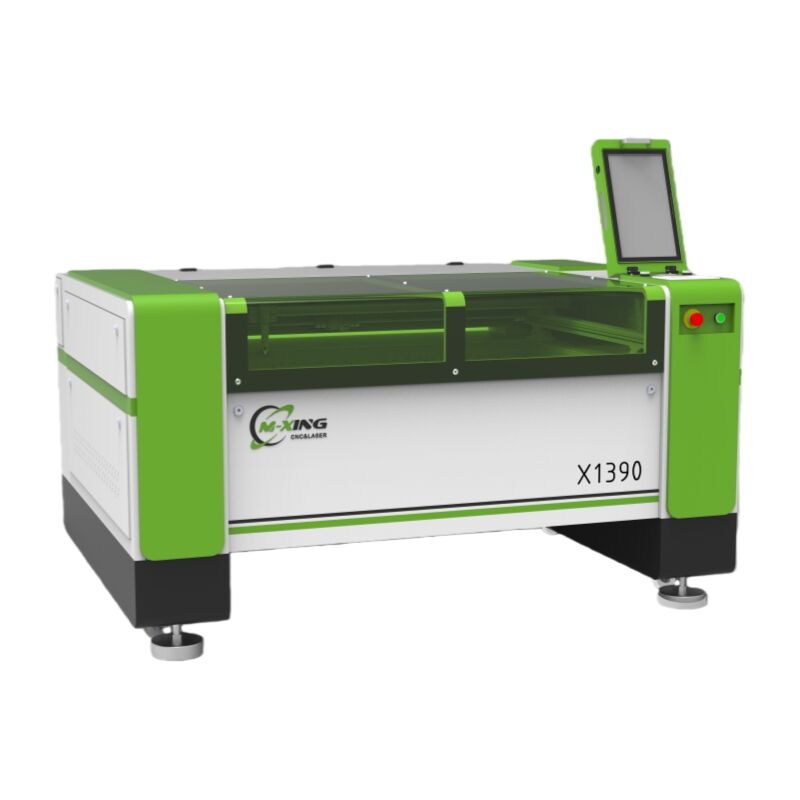
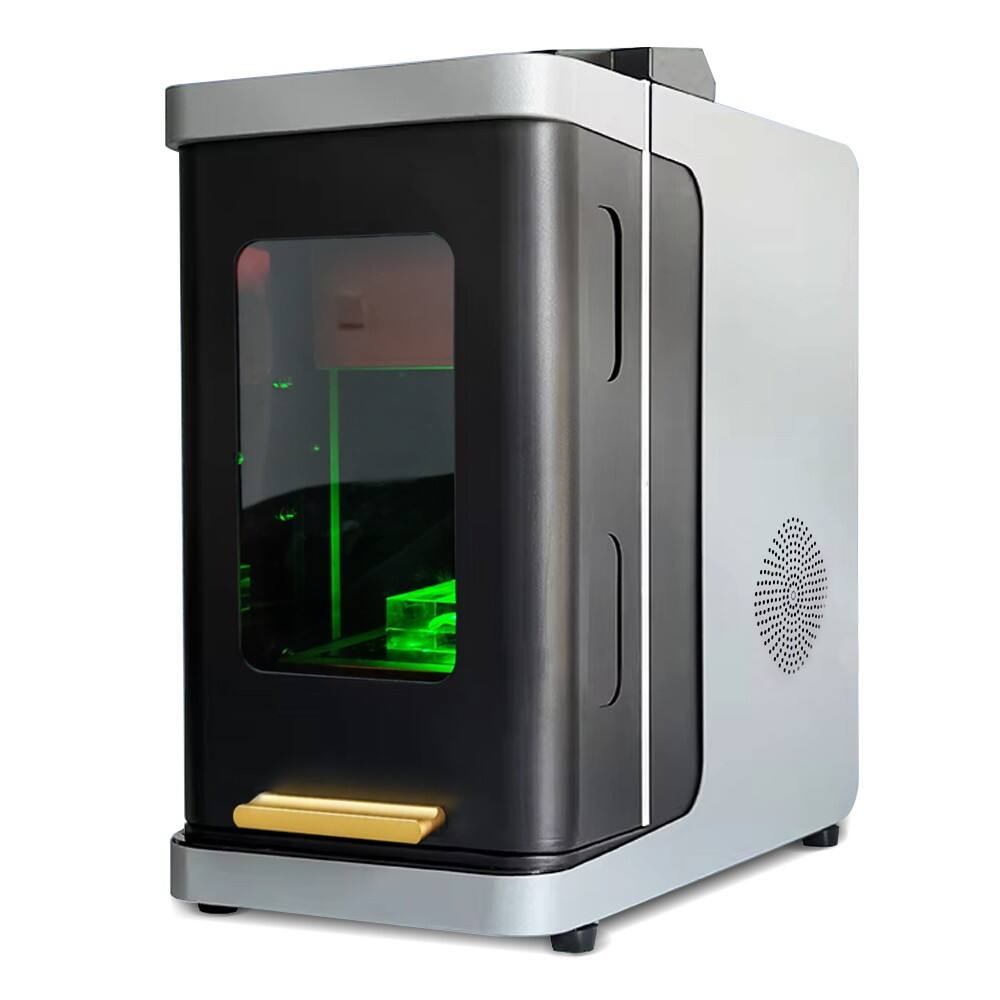
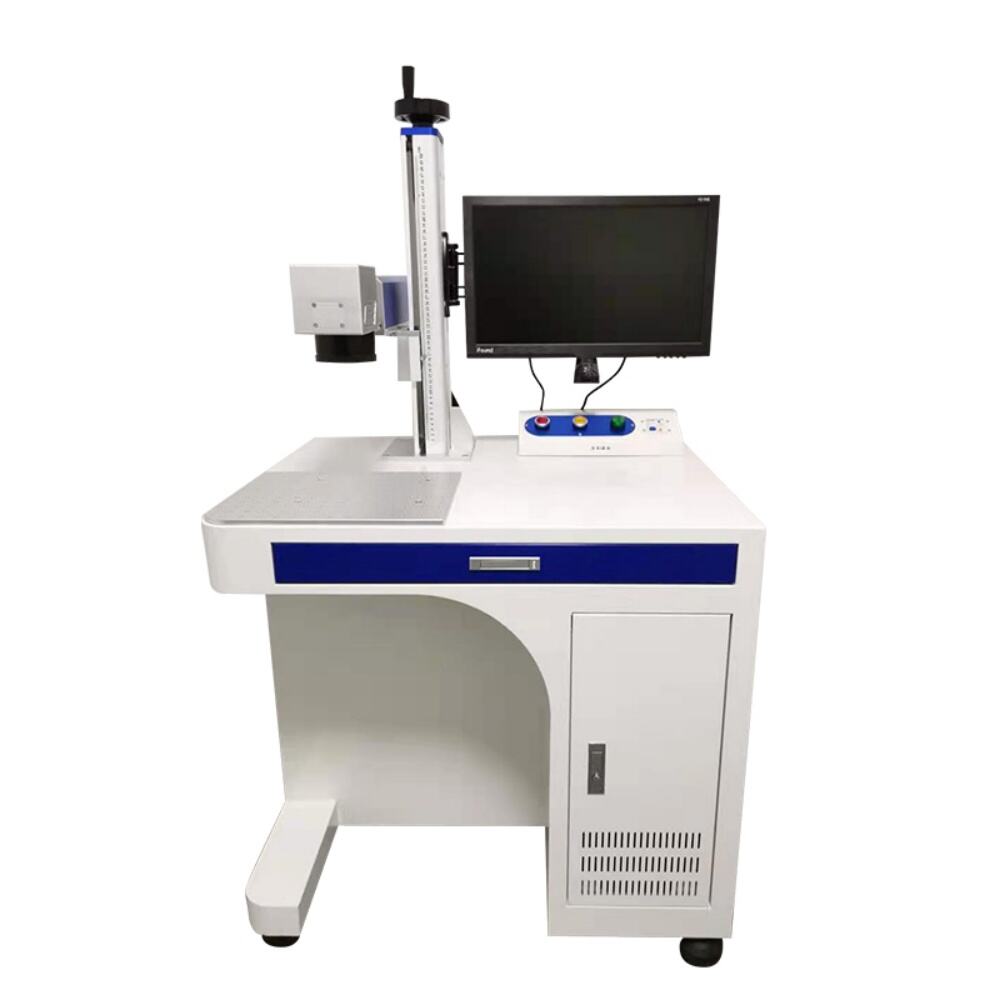
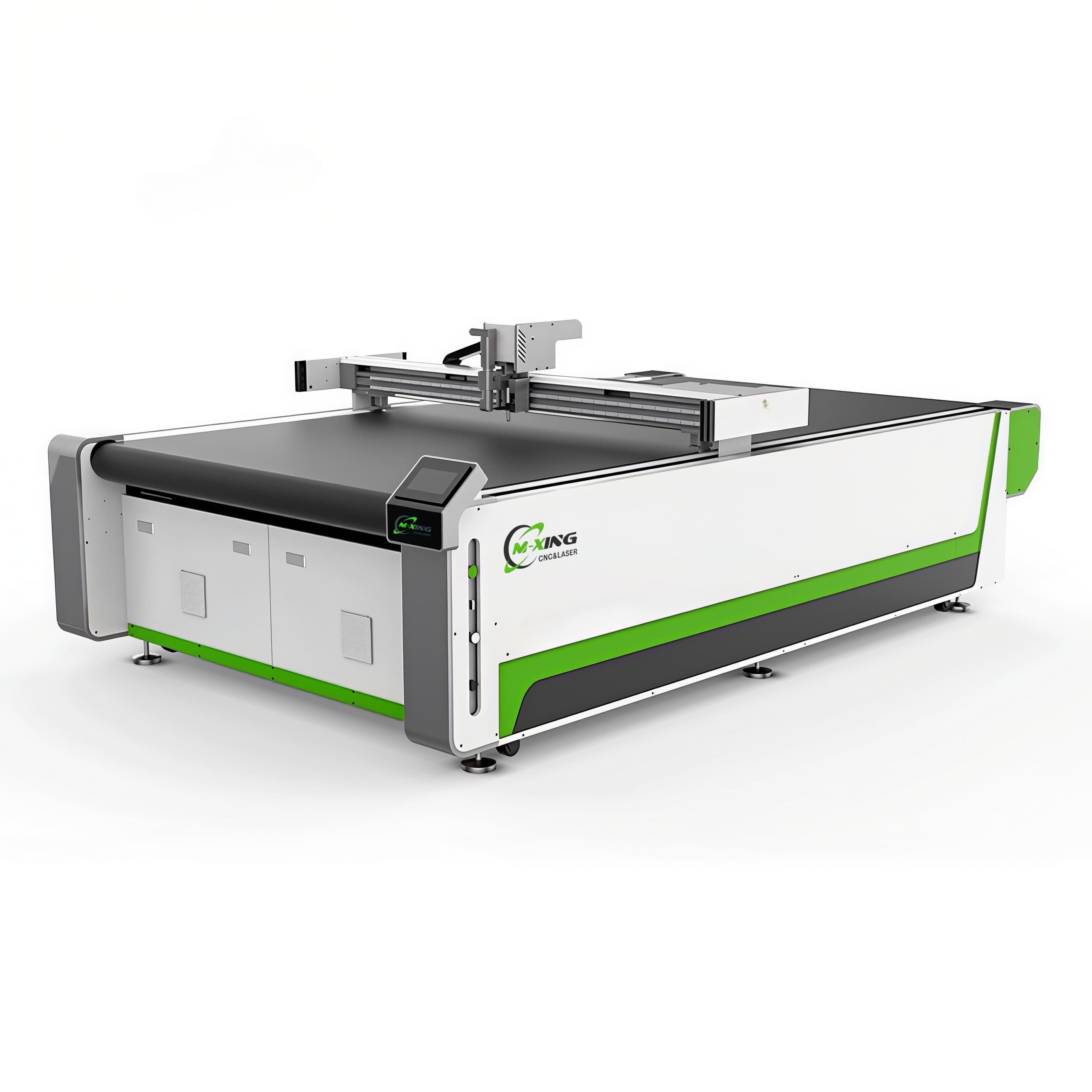
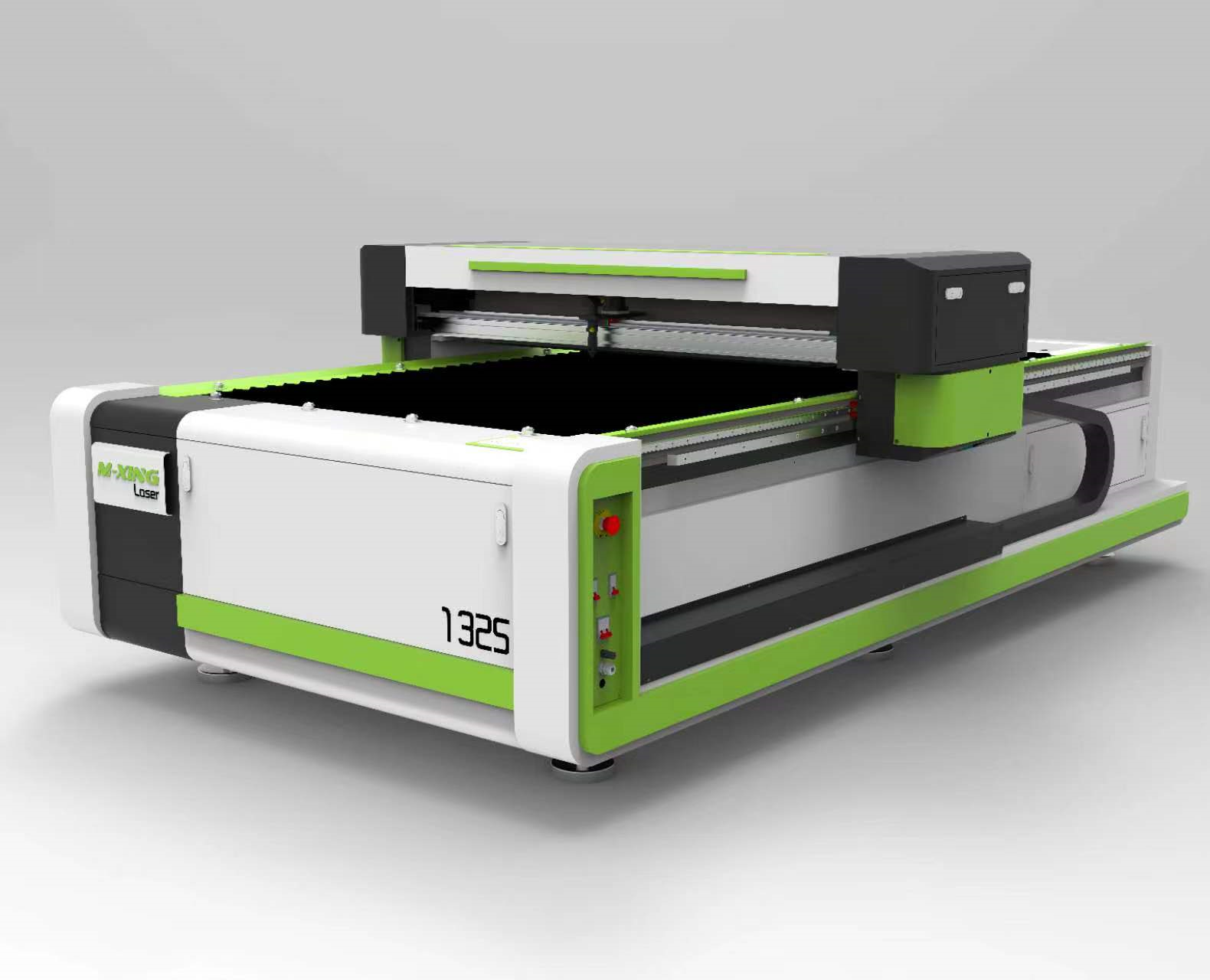
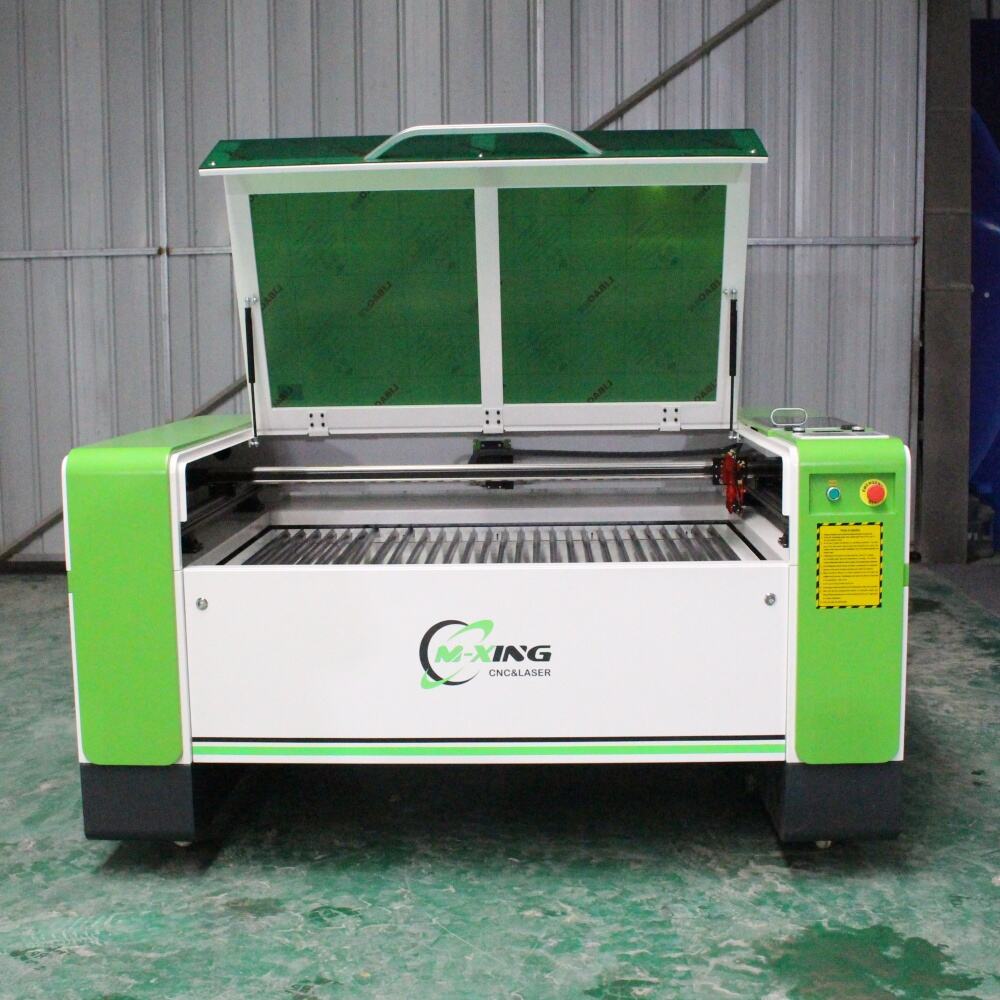
fiber optic laser cutting machine
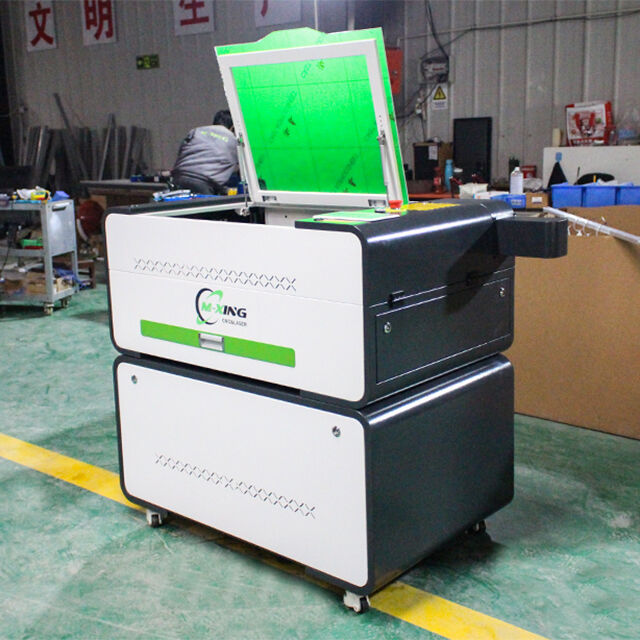
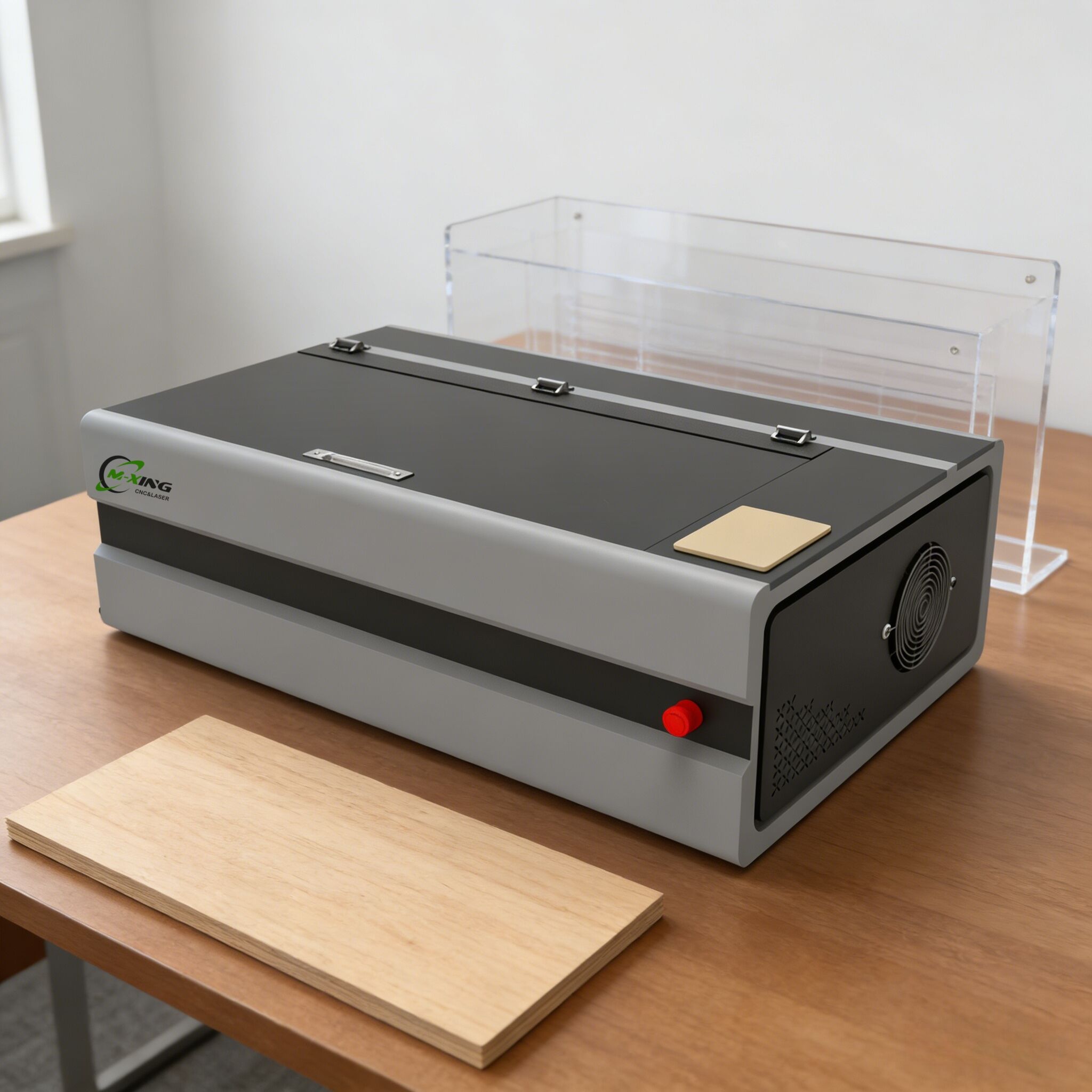
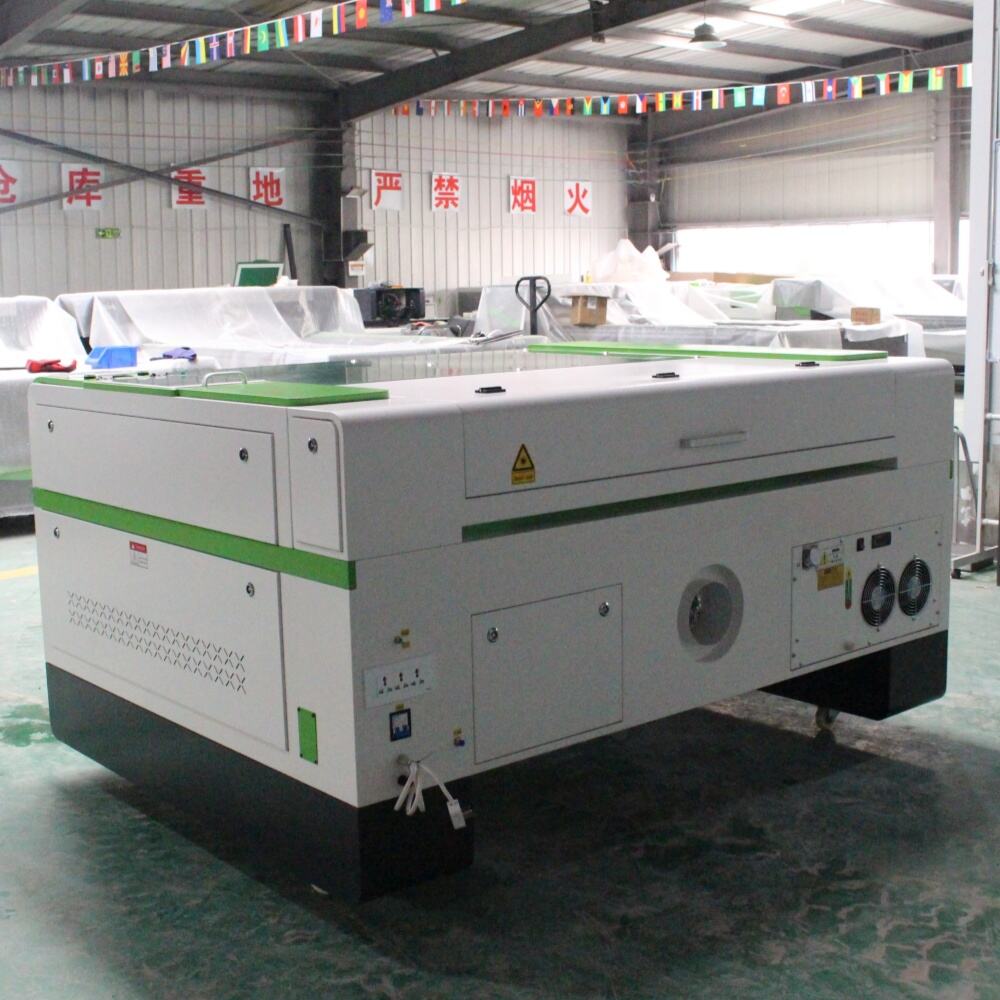
A fiber optic laser cutting machine represents cutting-edge technology that revolutionizes material processing across numerous industries. This sophisticated equipment utilizes fiber laser technology to generate an extremely focused and powerful beam of light, enabling precise cutting through various materials with exceptional accuracy and speed. The fiber optic laser cutting machine operates by transmitting laser energy through optical fibers, which concentrate the beam to create intense heat at the focal point, effectively melting or vaporizing the material along predetermined cutting paths. The main functions of this advanced machinery include cutting, engraving, and perforating diverse materials such as metals, plastics, composites, and textiles. The technological features of a fiber optic laser cutting machine encompass computer numerical control systems that ensure repeatable precision, automatic material handling capabilities, and real-time monitoring systems that optimize performance throughout the cutting process. These machines incorporate advanced cooling systems to maintain optimal operating temperatures, ensuring consistent performance during extended production runs. The fiber optic laser cutting machine delivers exceptional beam quality with minimal maintenance requirements compared to traditional CO2 laser systems. Applications span across automotive manufacturing, aerospace engineering, electronics production, architectural metalwork, signage creation, and medical device manufacturing. Industries rely on fiber optic laser cutting machines for producing intricate components, decorative elements, structural parts, and precision instruments. The versatility of these systems allows manufacturers to process materials ranging from thin foils to thick plates, accommodating diverse production requirements. Modern fiber optic laser cutting machines feature intuitive software interfaces that streamline programming and operation, enabling operators to achieve optimal results with minimal training. The integration of artificial intelligence and machine learning algorithms enhances cutting efficiency while reducing material waste and production time.

 EN
EN