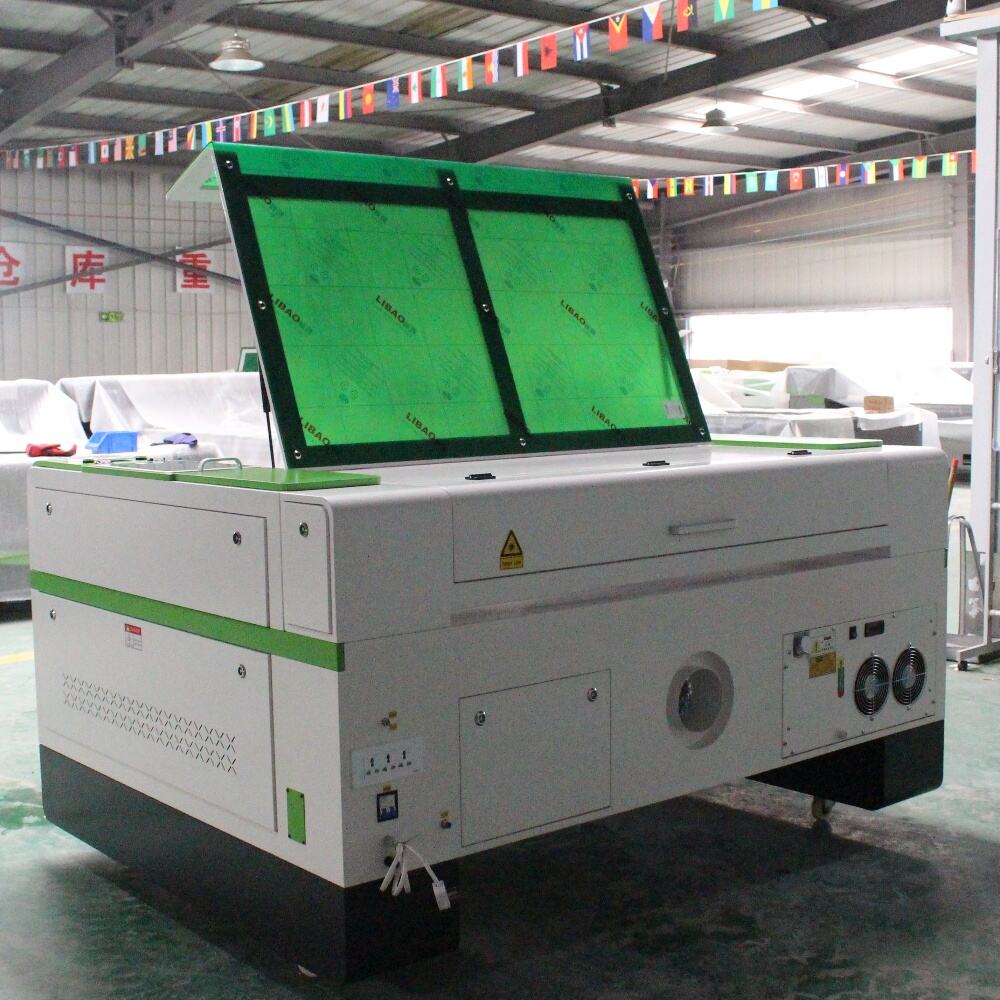
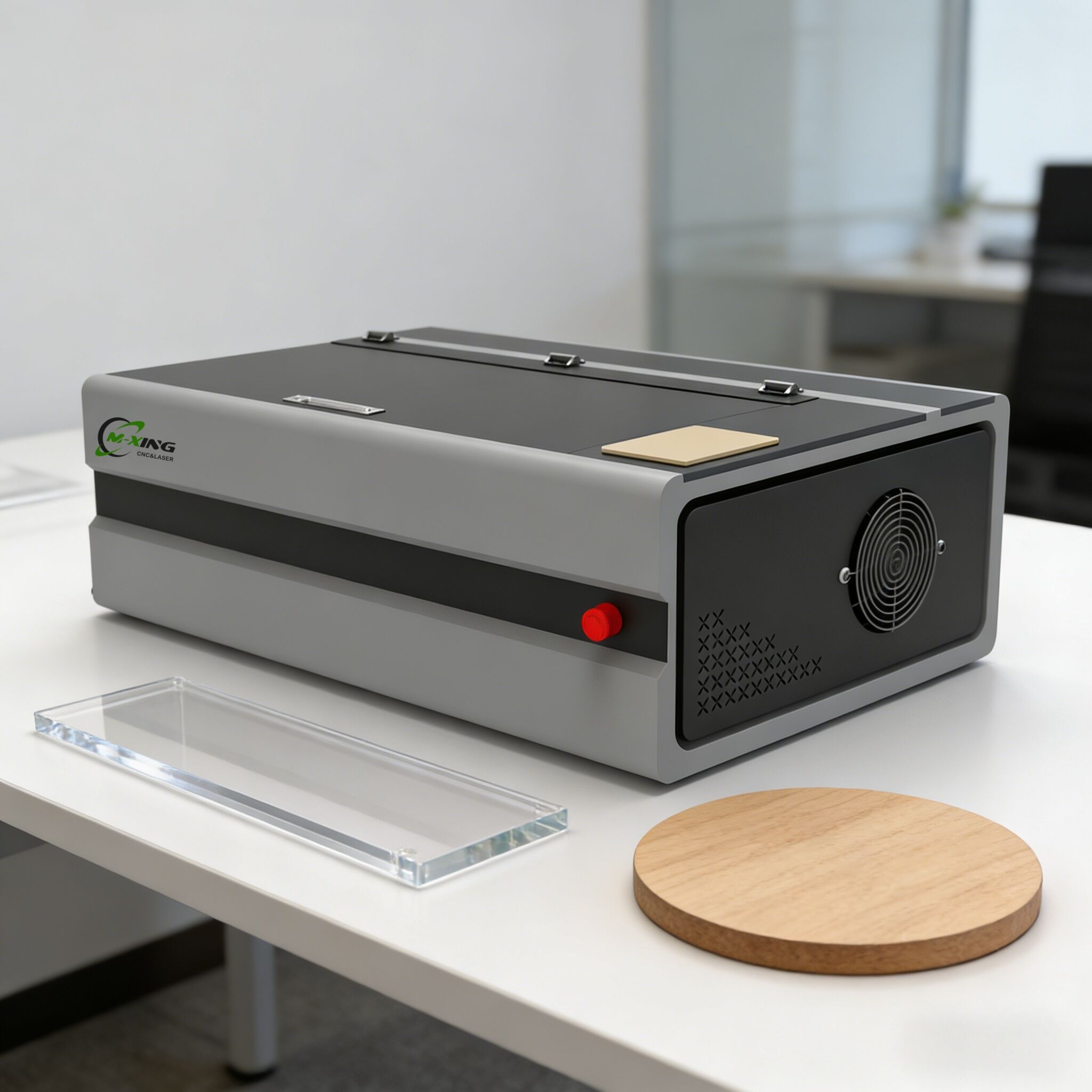
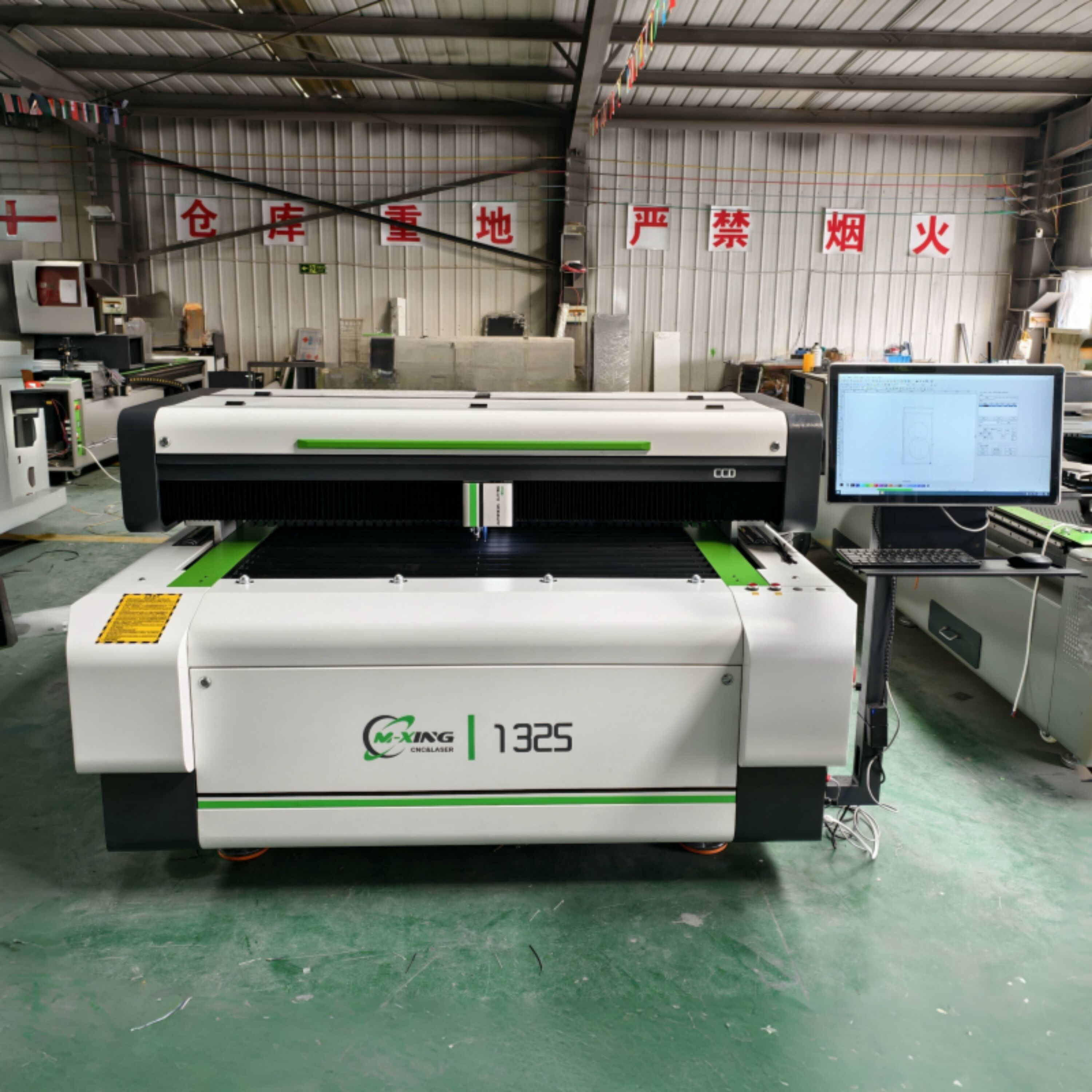
precision laser cutting
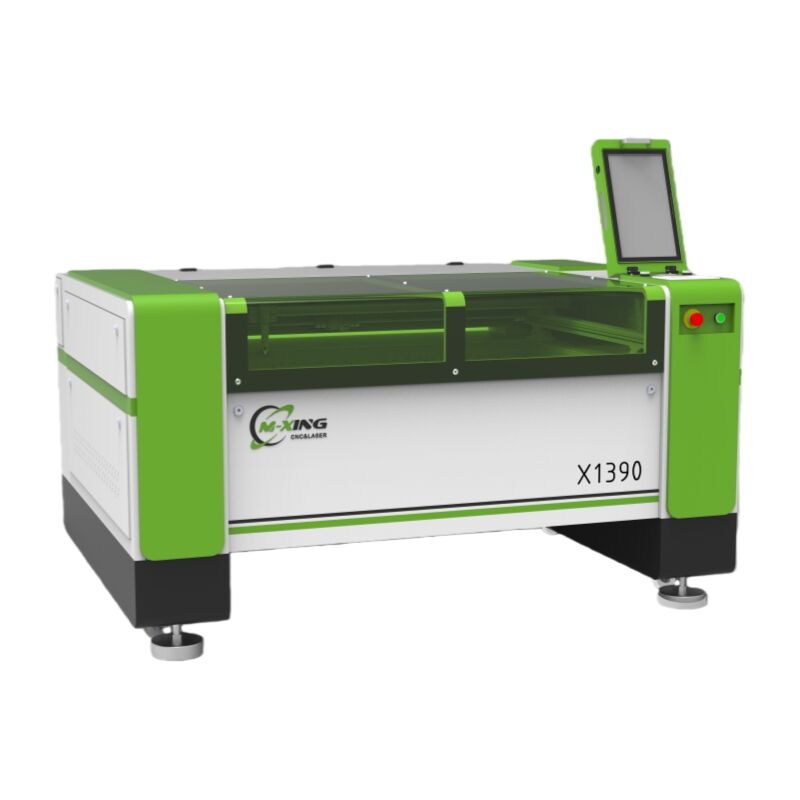
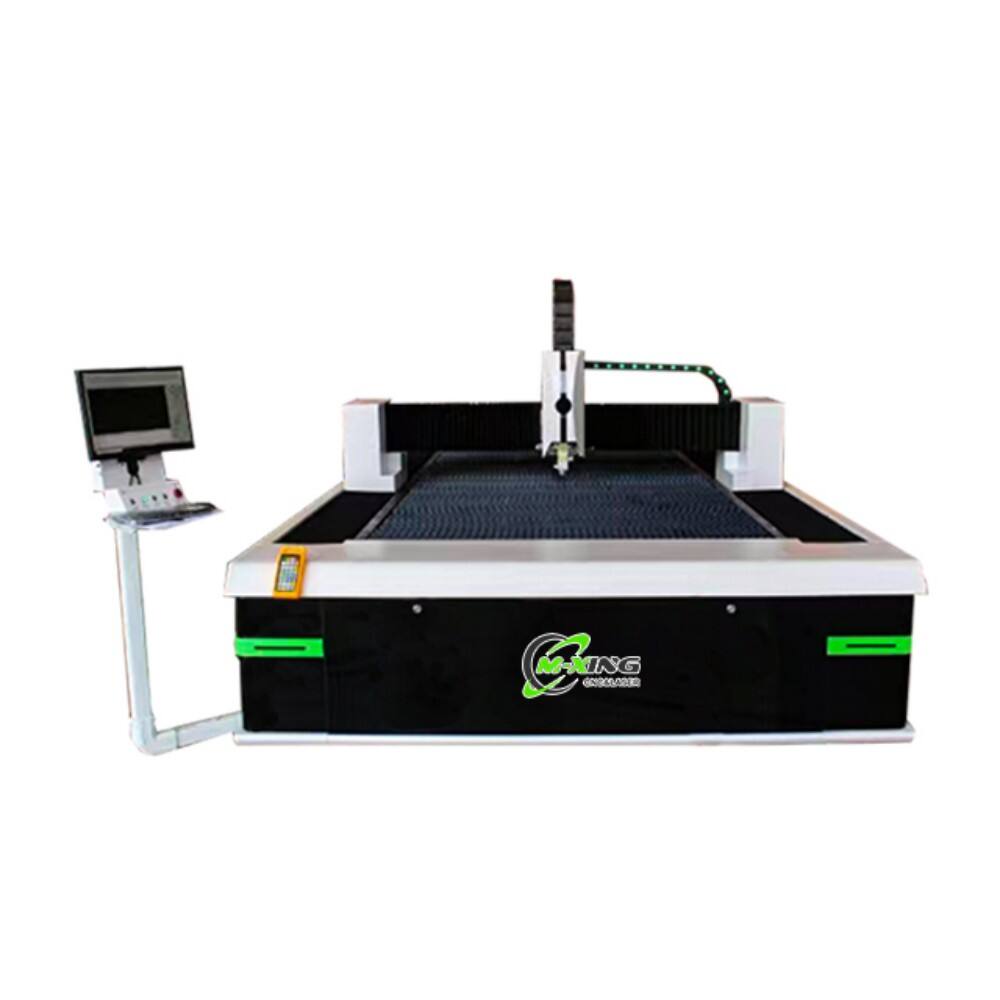
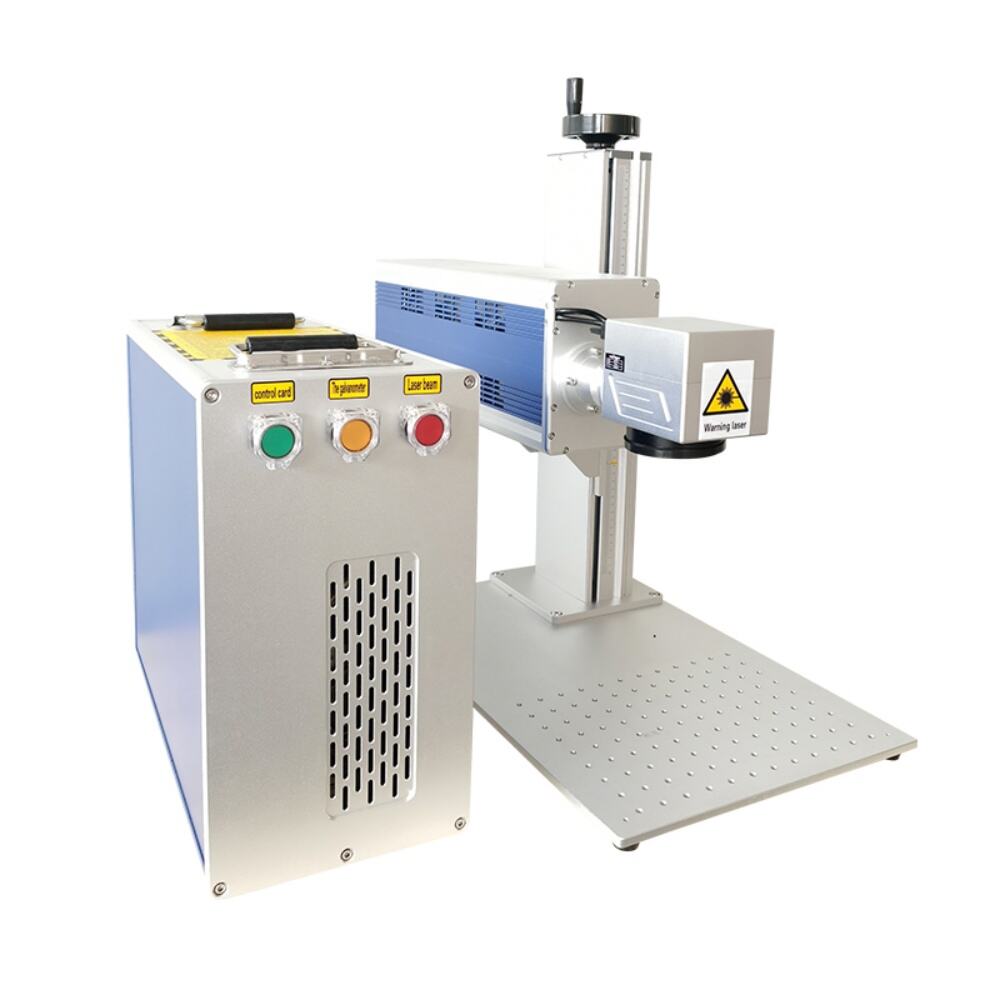
Precision laser cutting represents a revolutionary manufacturing technology that utilizes focused laser beams to cut, engrave, and shape materials with extraordinary accuracy and consistency. This advanced process employs computer-controlled systems to direct high-intensity laser light through specialized optical components, creating incredibly precise cuts across various materials including metals, plastics, ceramics, composites, and textiles. The precision laser cutting process operates by generating intense heat at microscopic focal points, causing material to melt, vaporize, or burn away along predetermined paths. Modern precision laser cutting systems incorporate sophisticated software that translates digital designs into precise cutting instructions, ensuring repeatable results with tolerances measured in thousandths of an inch. The technology encompasses multiple laser types, including CO2 lasers for organic materials, fiber lasers for metals, and crystal lasers for specialized applications. Key technological features include real-time beam monitoring, adaptive power control, automatic focus adjustment, and integrated quality assurance systems. These systems can process materials ranging from thin films measuring micrometers to thick plates several inches deep, adapting cutting parameters automatically based on material properties and thickness requirements. The precision laser cutting process generates minimal waste due to extremely narrow kerf widths, typically measuring between 0.1 to 0.5 millimeters depending on material and laser specifications. Advanced motion control systems ensure smooth, vibration-free cutting paths while maintaining consistent speed and acceleration profiles. Applications span numerous industries including aerospace components, medical device manufacturing, automotive parts production, electronics fabrication, architectural elements, jewelry creation, and prototyping services. The technology enables complex geometries previously impossible with traditional cutting methods, including intricate internal features, sharp corners, and delicate perforations without mechanical stress or tool wear concerns.
 EN
EN