Exceptional Material Versatility and Processing Range
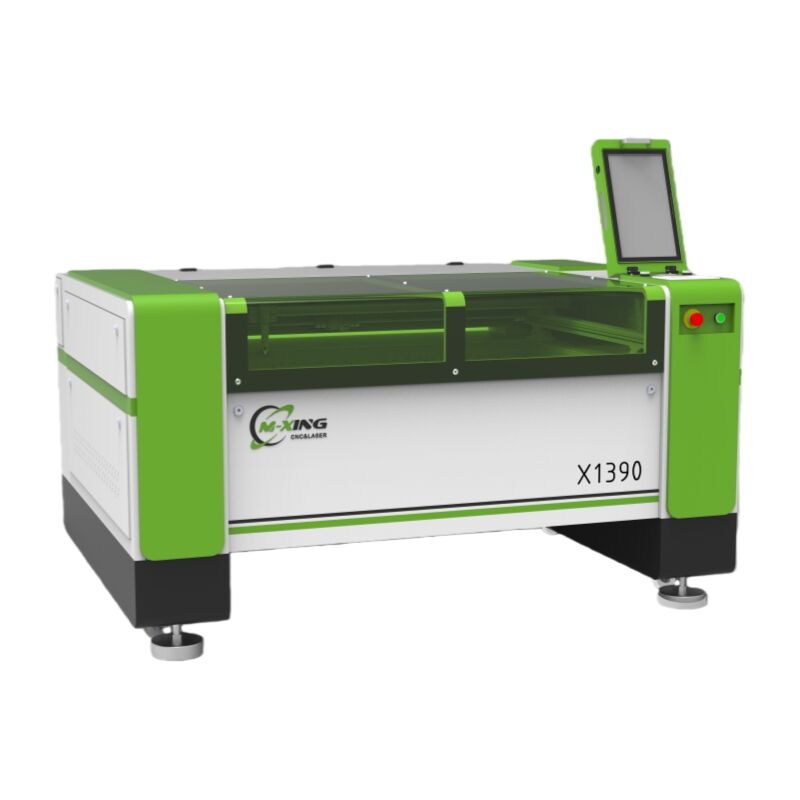
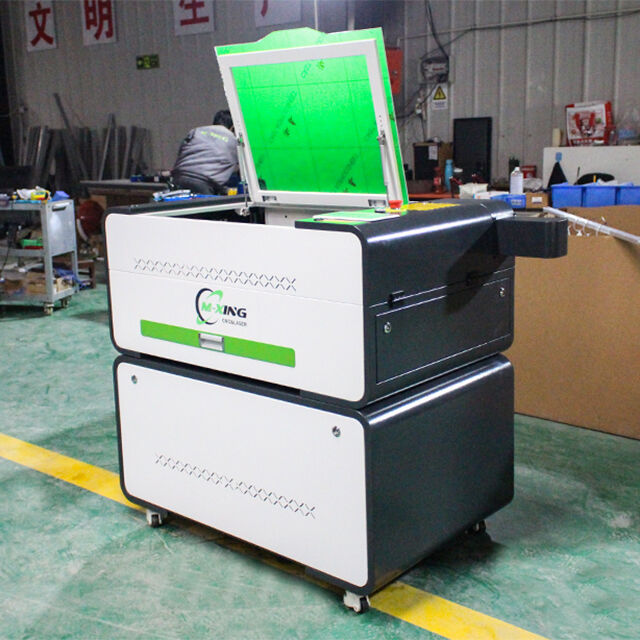
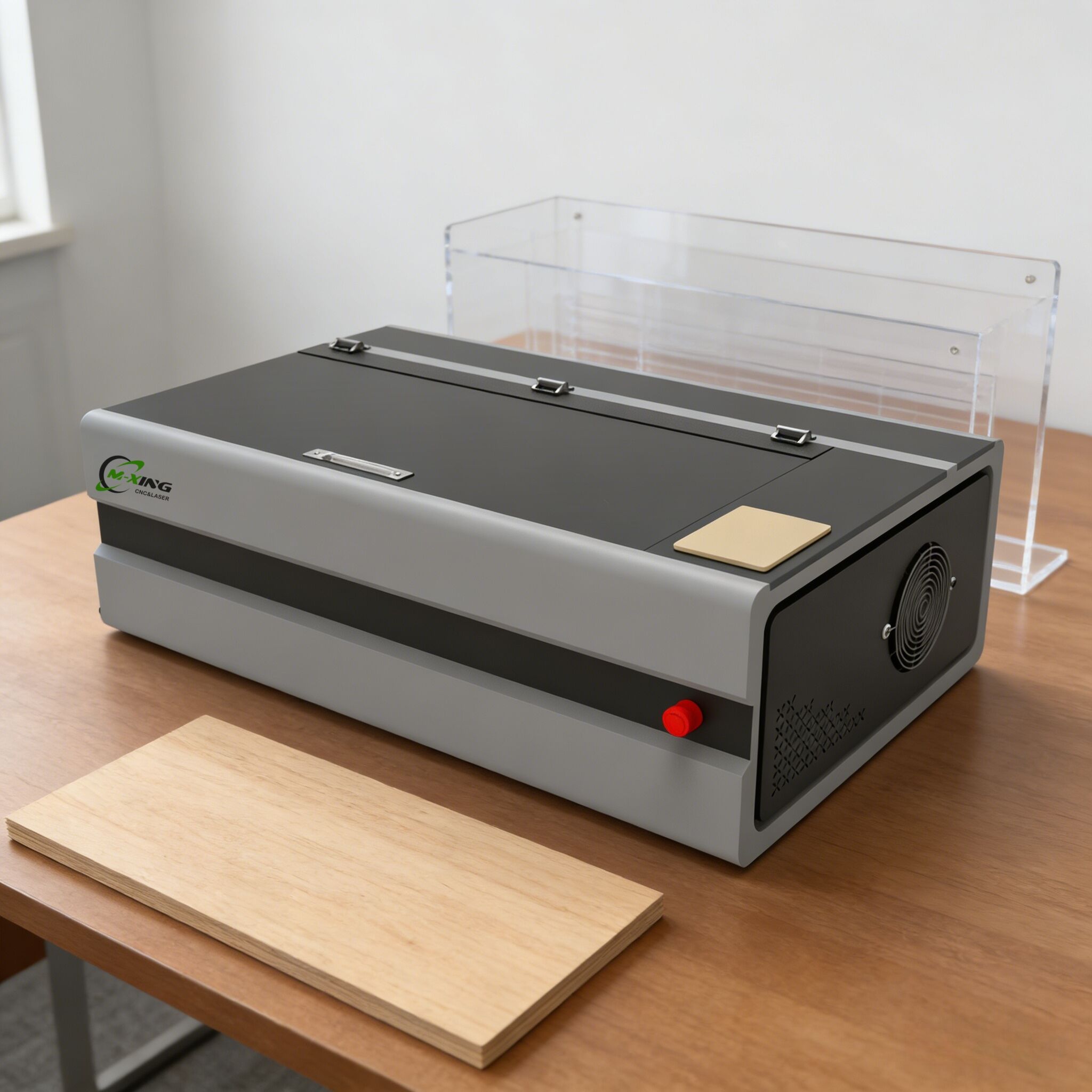
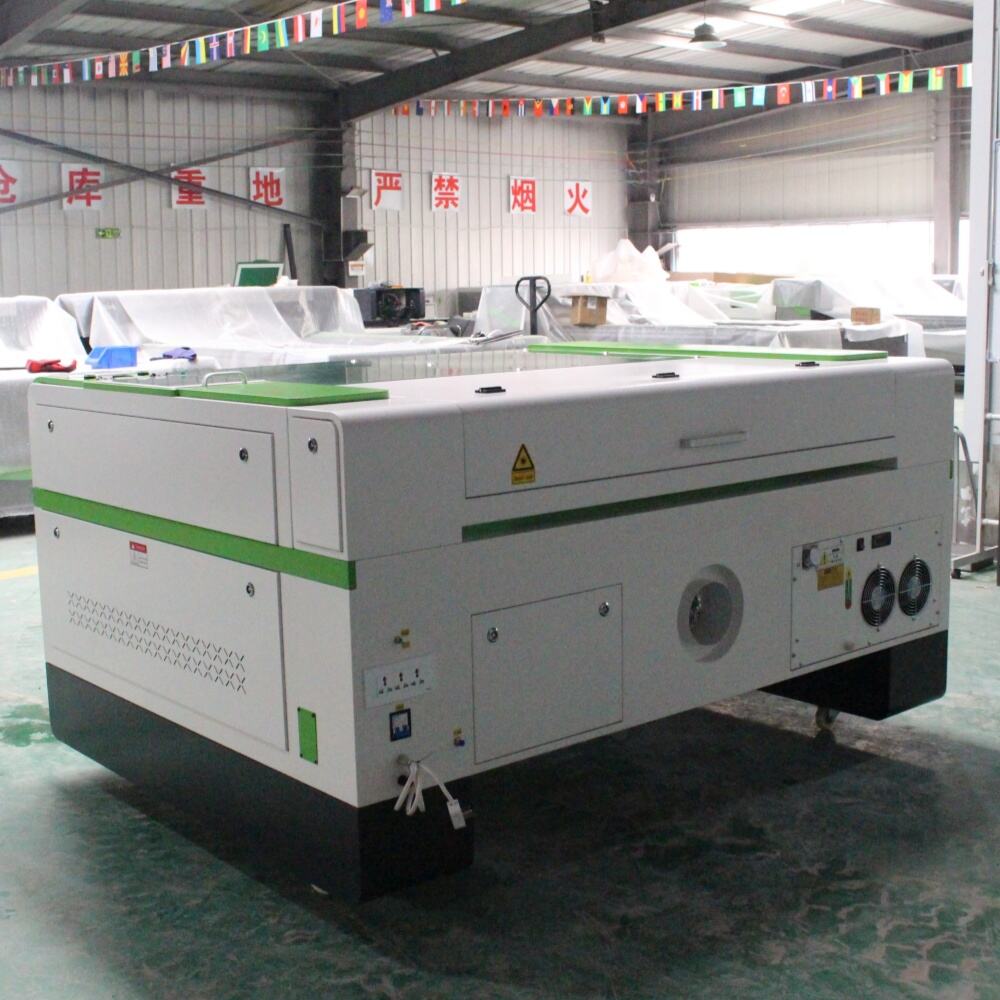
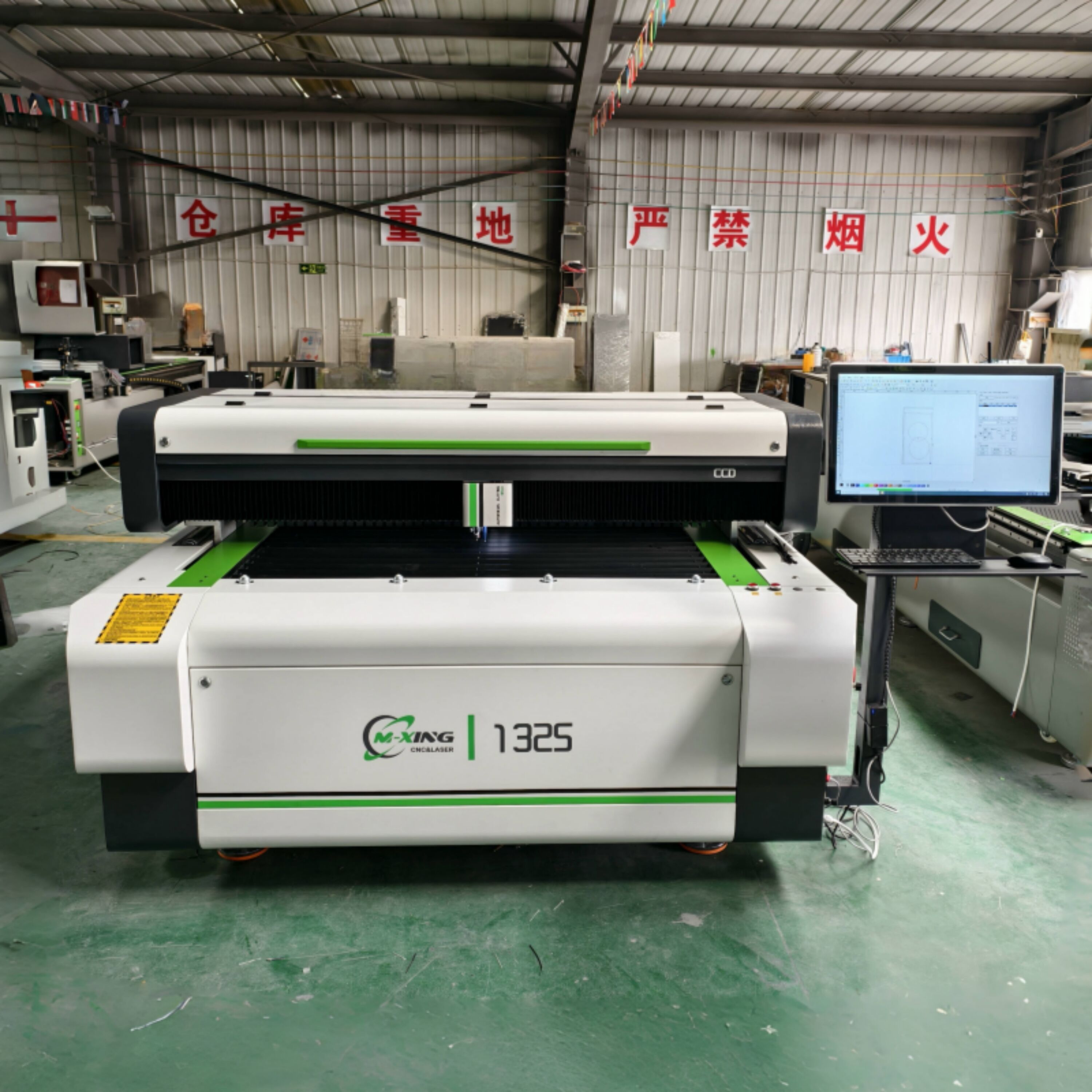
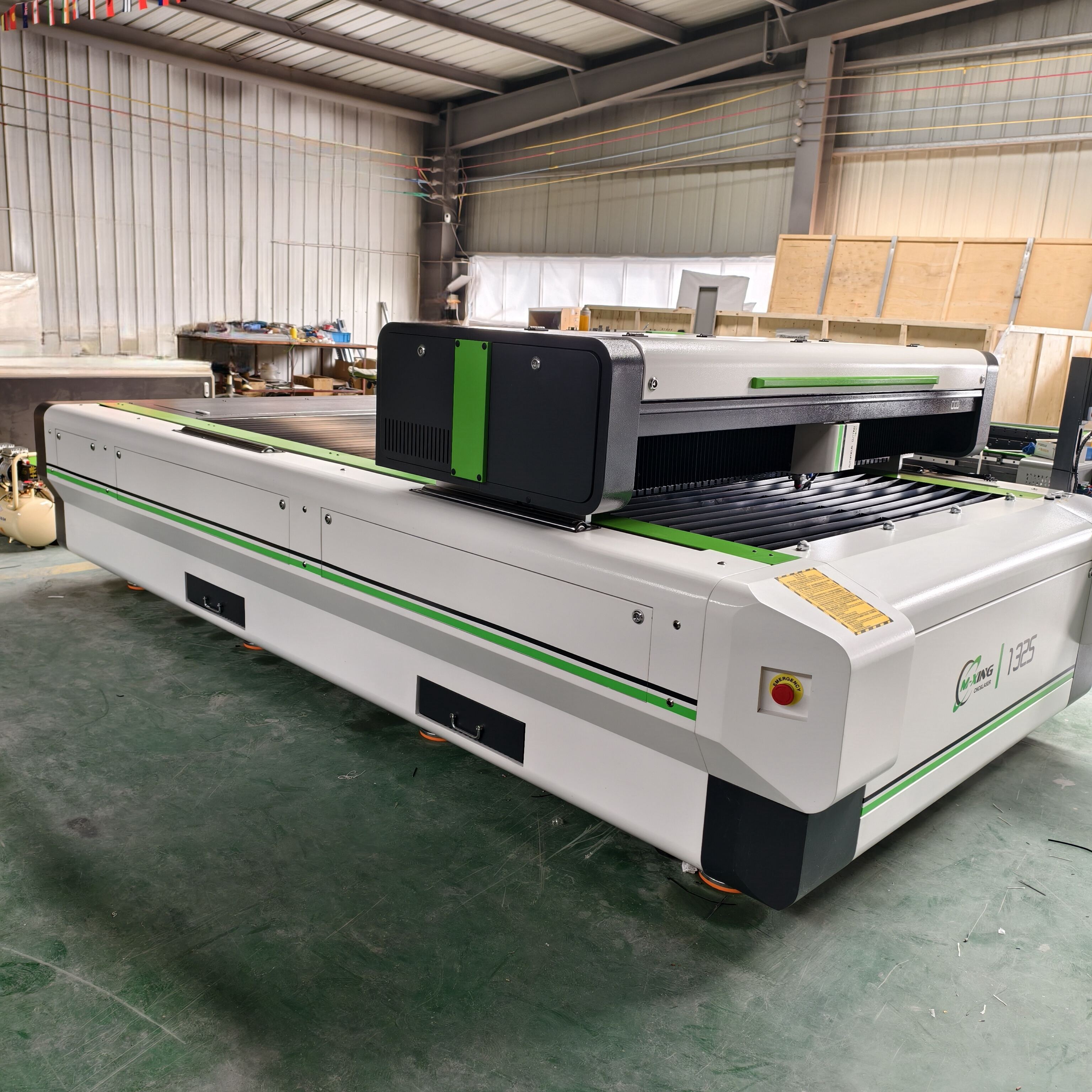
The remarkable material versatility of CO2 mixed laser cutting machines sets them apart from traditional cutting technologies, offering manufacturers unprecedented flexibility in their production capabilities. These sophisticated machines can process an extensive array of materials, from delicate papers and textiles to robust metals and composites, making them invaluable assets for diverse manufacturing operations. The CO2 mixed laser cutting machine handles organic materials like wood, leather, and natural fibers with exceptional results, producing clean cuts without burning or charring when properly configured. Synthetic materials including various plastics, acrylics, polycarbonates, and composite materials respond excellently to CO2 mixed laser cutting, with the ability to achieve different edge finishes ranging from polished to textured depending on processing parameters. This versatility extends to material thicknesses, as CO2 mixed laser cutting machines can process thin films measuring mere micrometers up to substantial thicknesses of several centimeters, depending on the material type and laser power. The machines excel at cutting non-ferrous metals such as aluminum, copper, and brass, as well as certain steel grades, expanding their utility in metalworking applications. Foam materials, rubber, gasket materials, and sealing compounds cut cleanly without compression or deformation, maintaining their original properties and dimensions. The ability to switch between different materials quickly without tooling changes represents a significant operational advantage, allowing manufacturers to respond rapidly to changing production requirements or customer demands. CO2 mixed laser cutting machines also accommodate various material forms, including sheets, rolls, tubes, and three-dimensional shapes, providing comprehensive processing solutions. The non-contact cutting process ensures that fragile materials remain undamaged during processing, while the precise heat control prevents melting or distortion of heat-sensitive substrates. This material versatility enables businesses to consolidate multiple cutting operations under one system, reducing equipment investments and simplifying production workflows while maintaining consistent quality across all material types.
 EN
EN