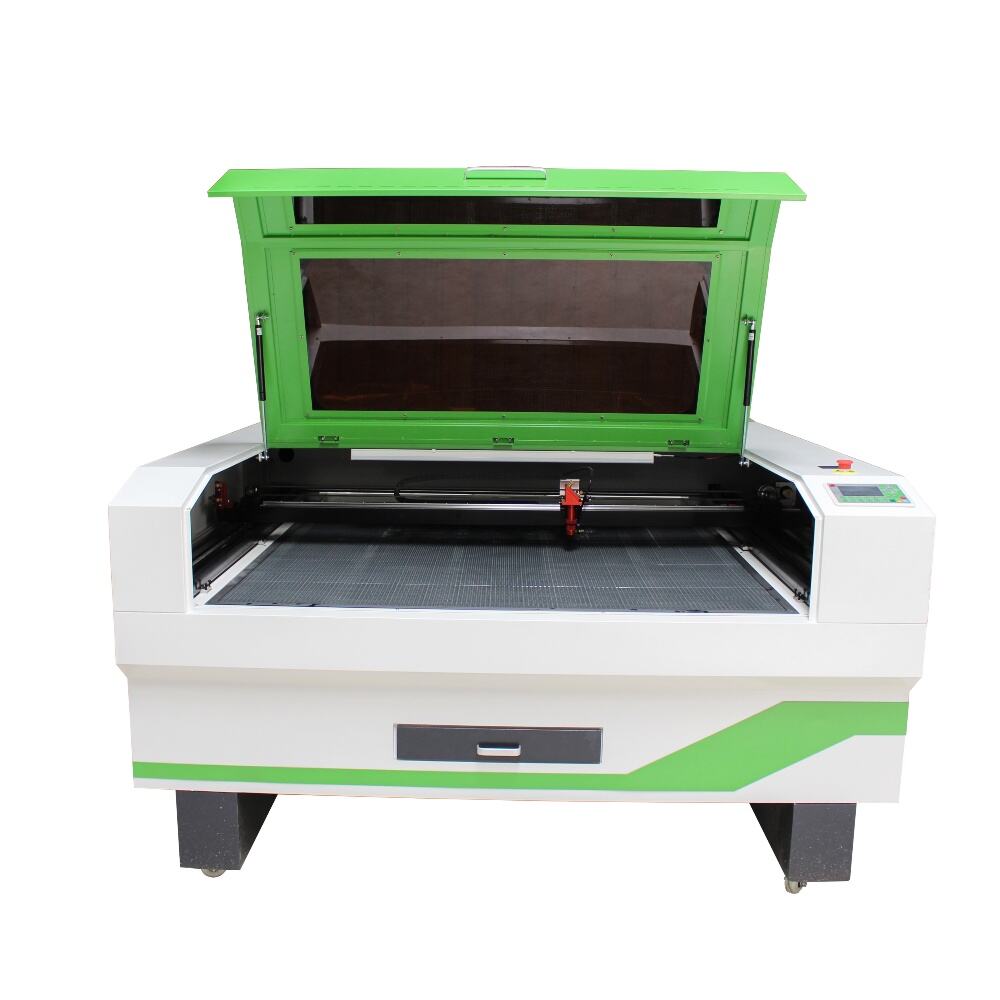
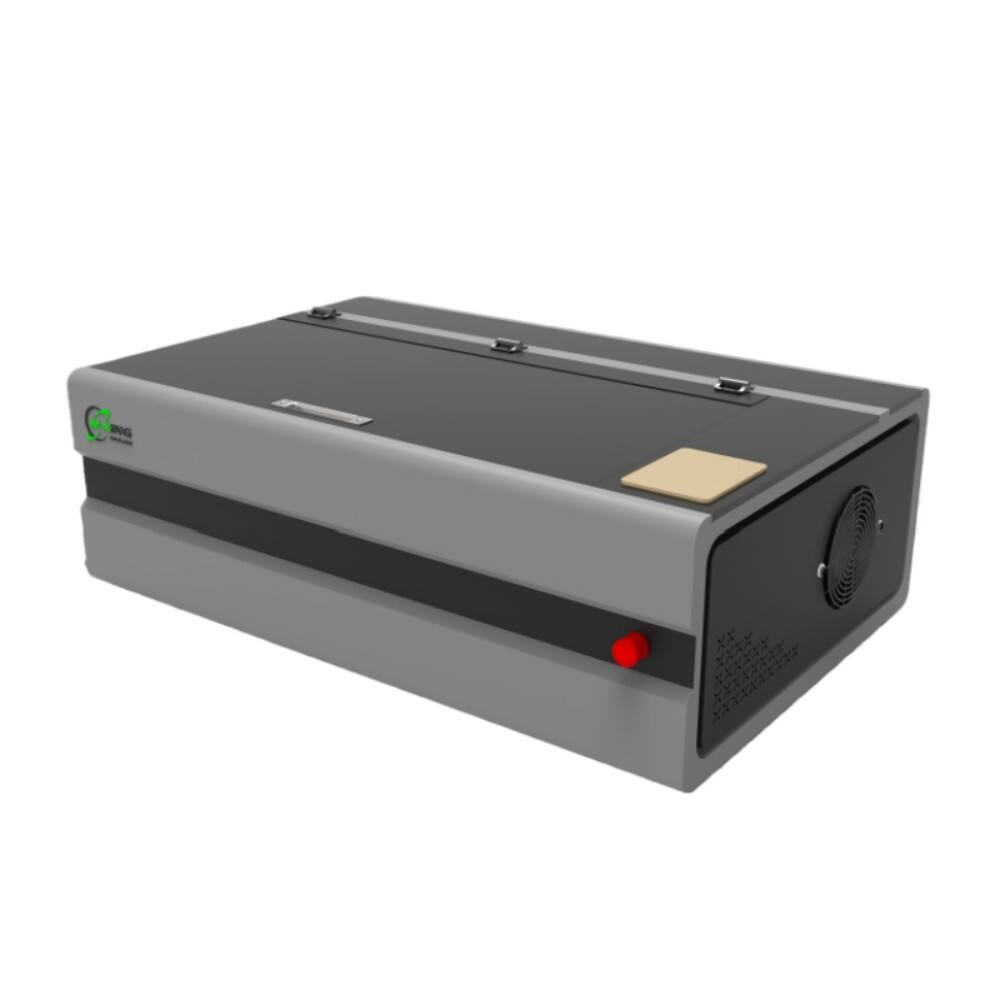
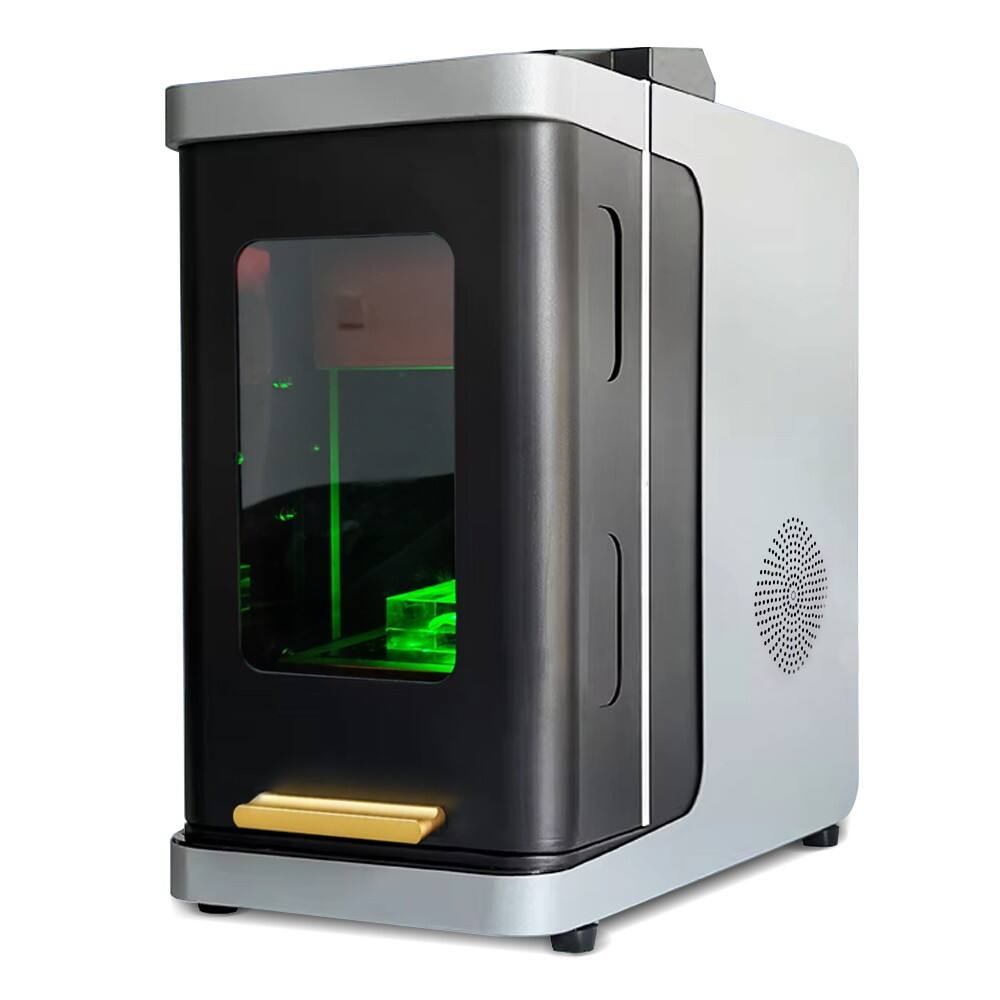
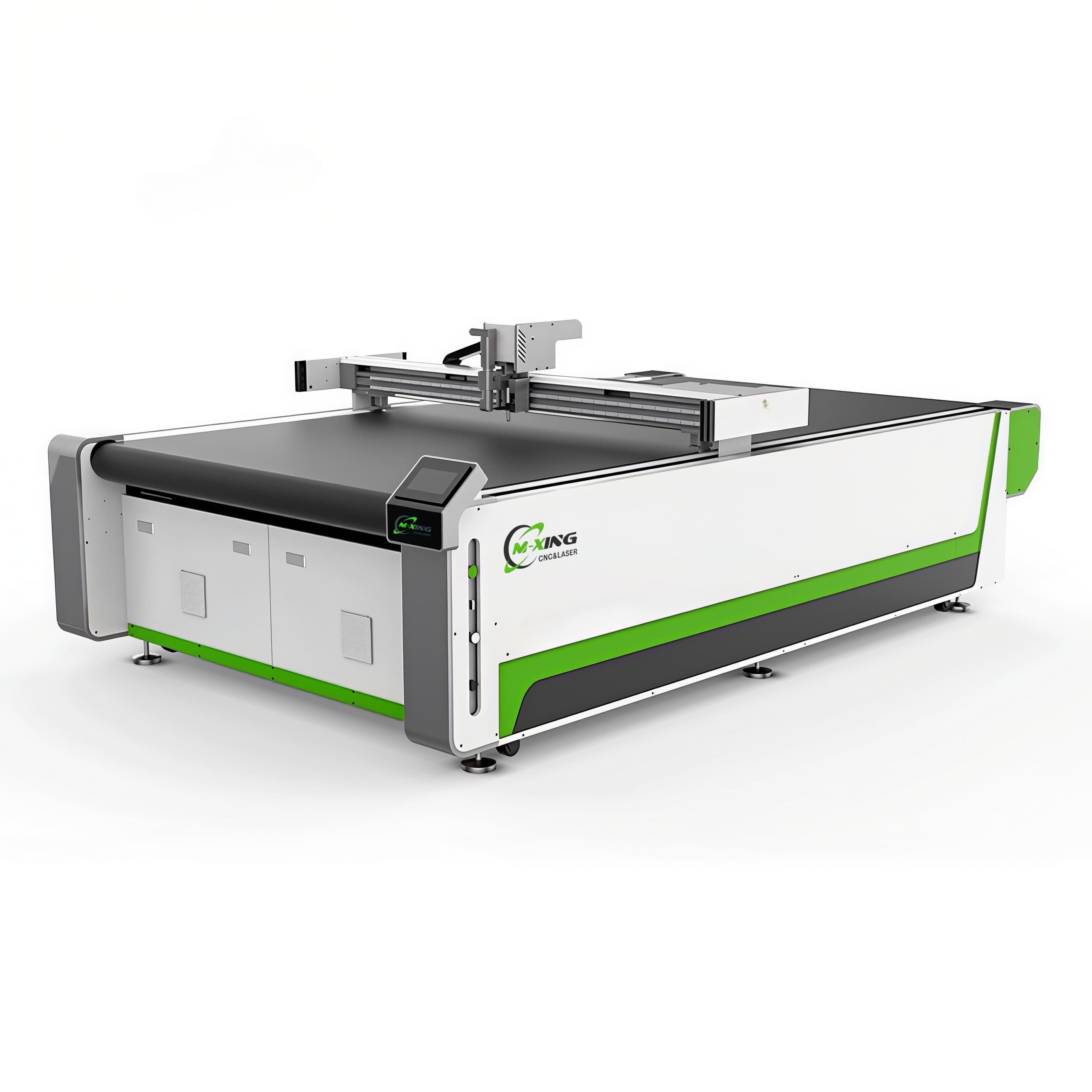
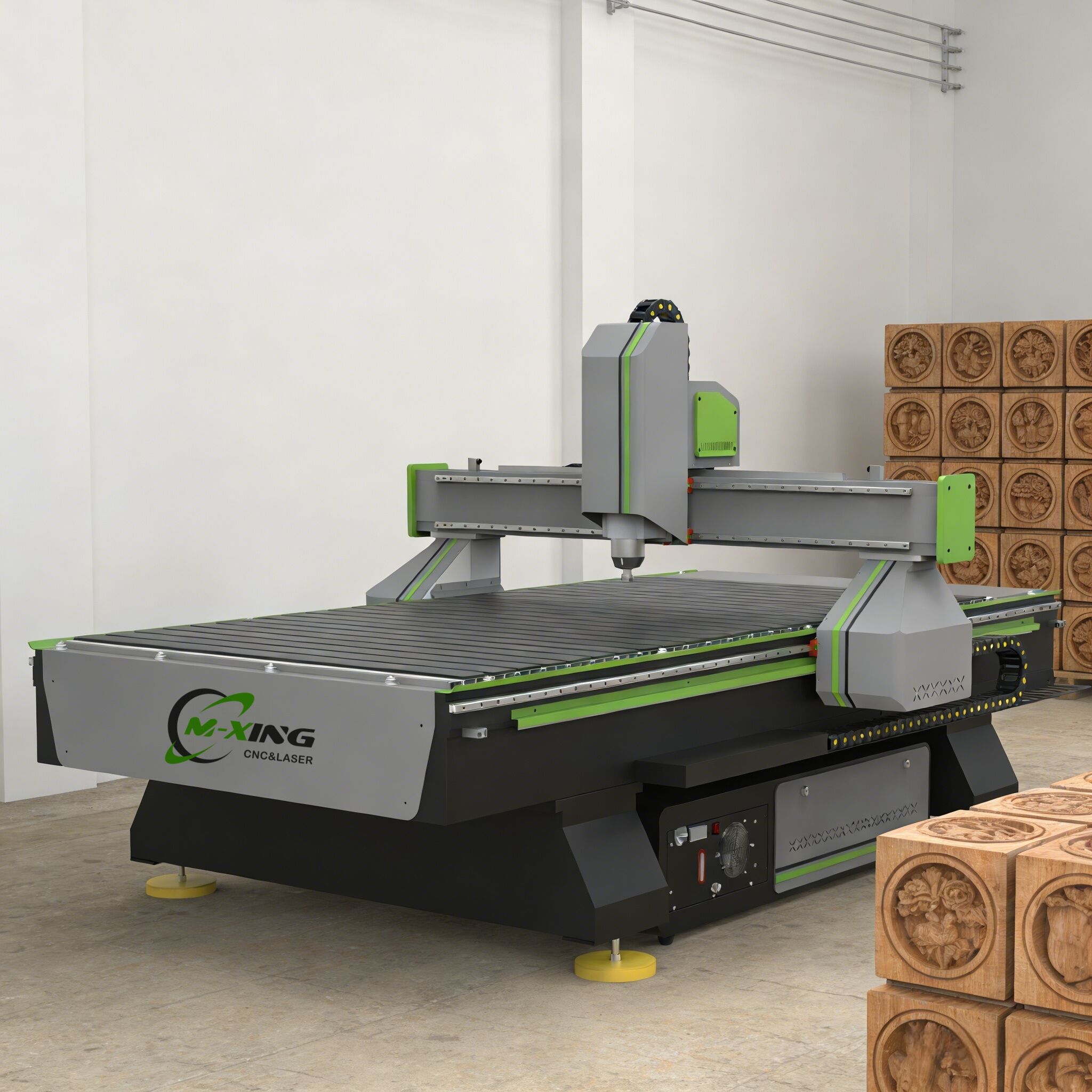
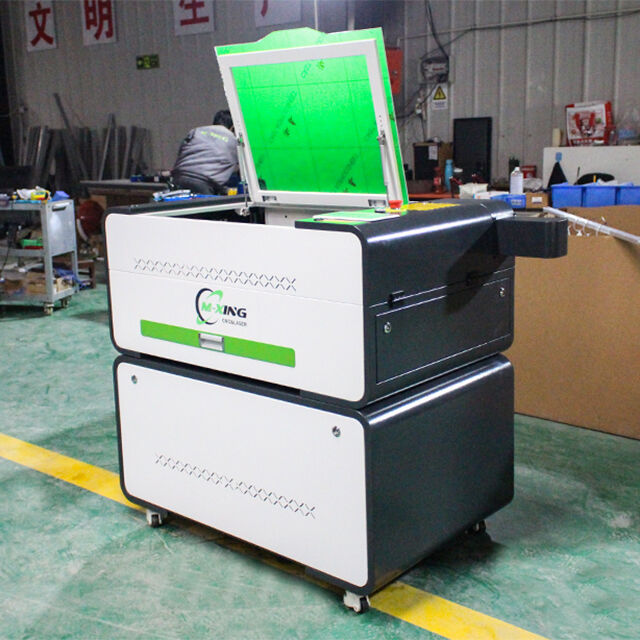
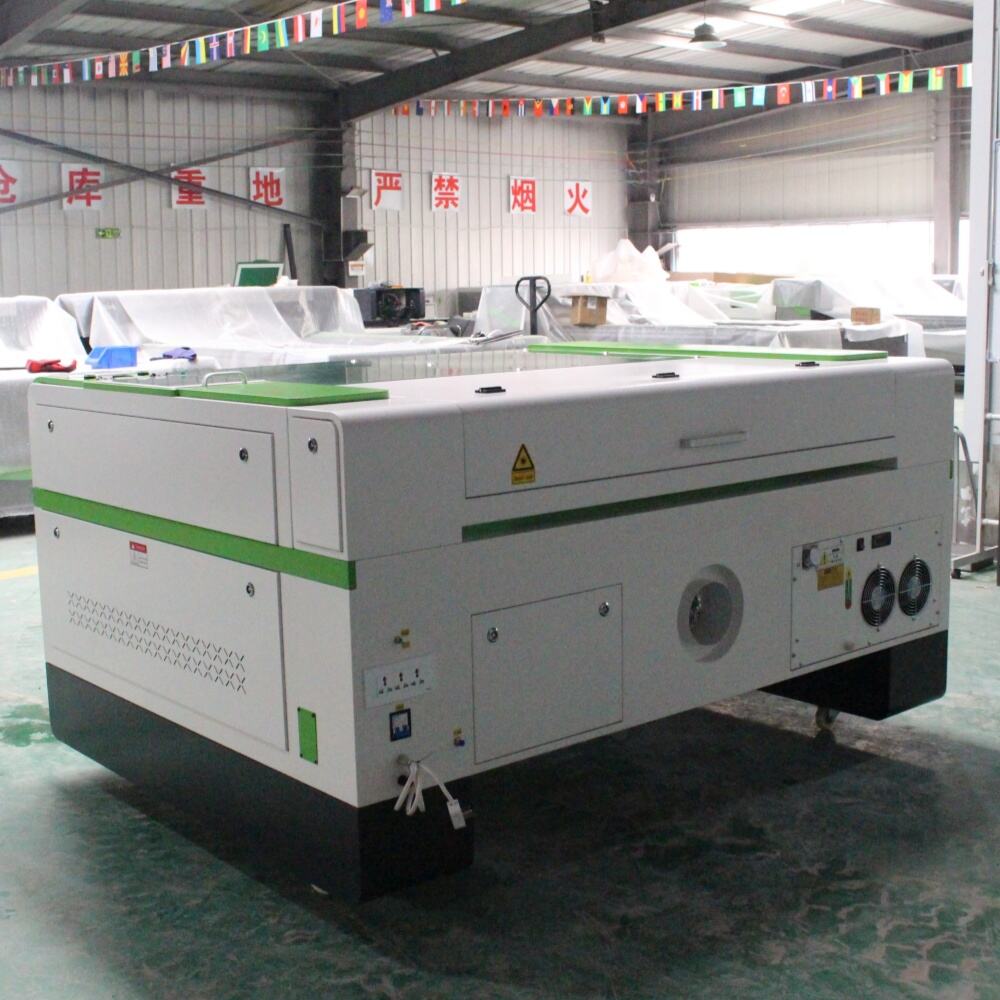
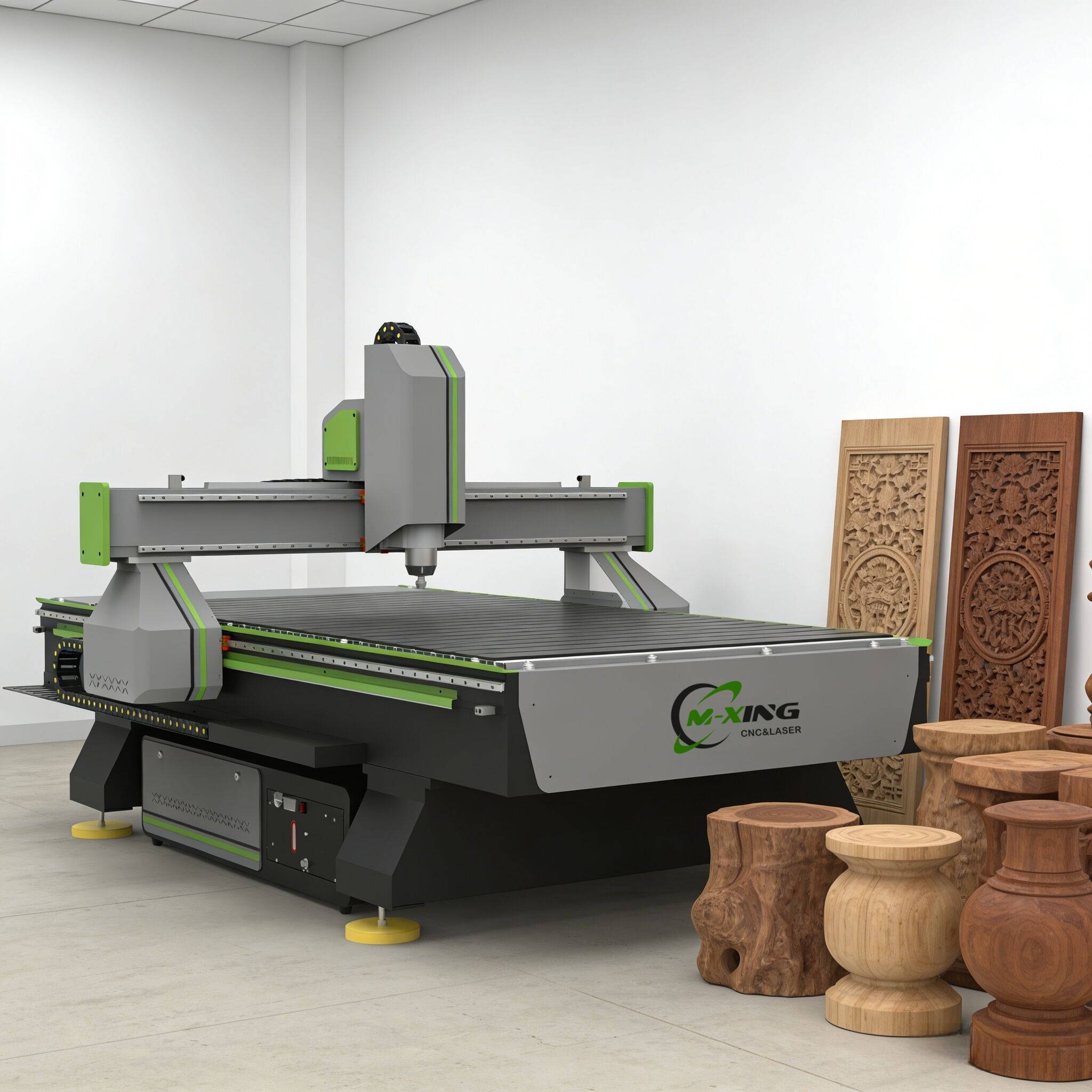
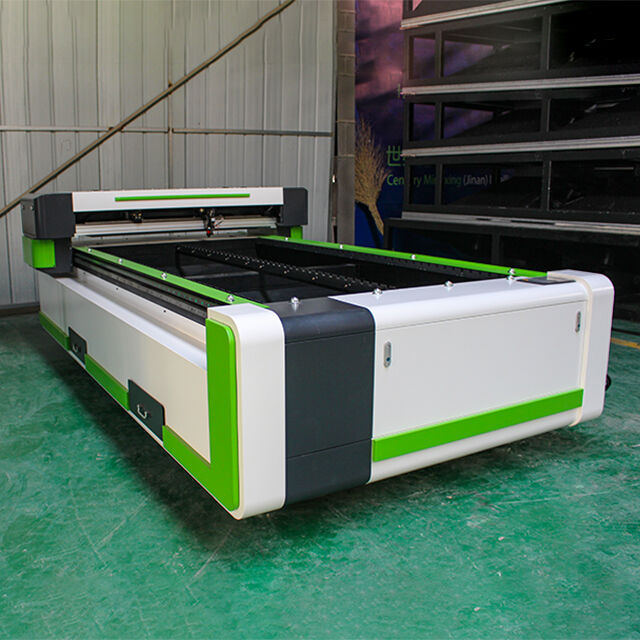
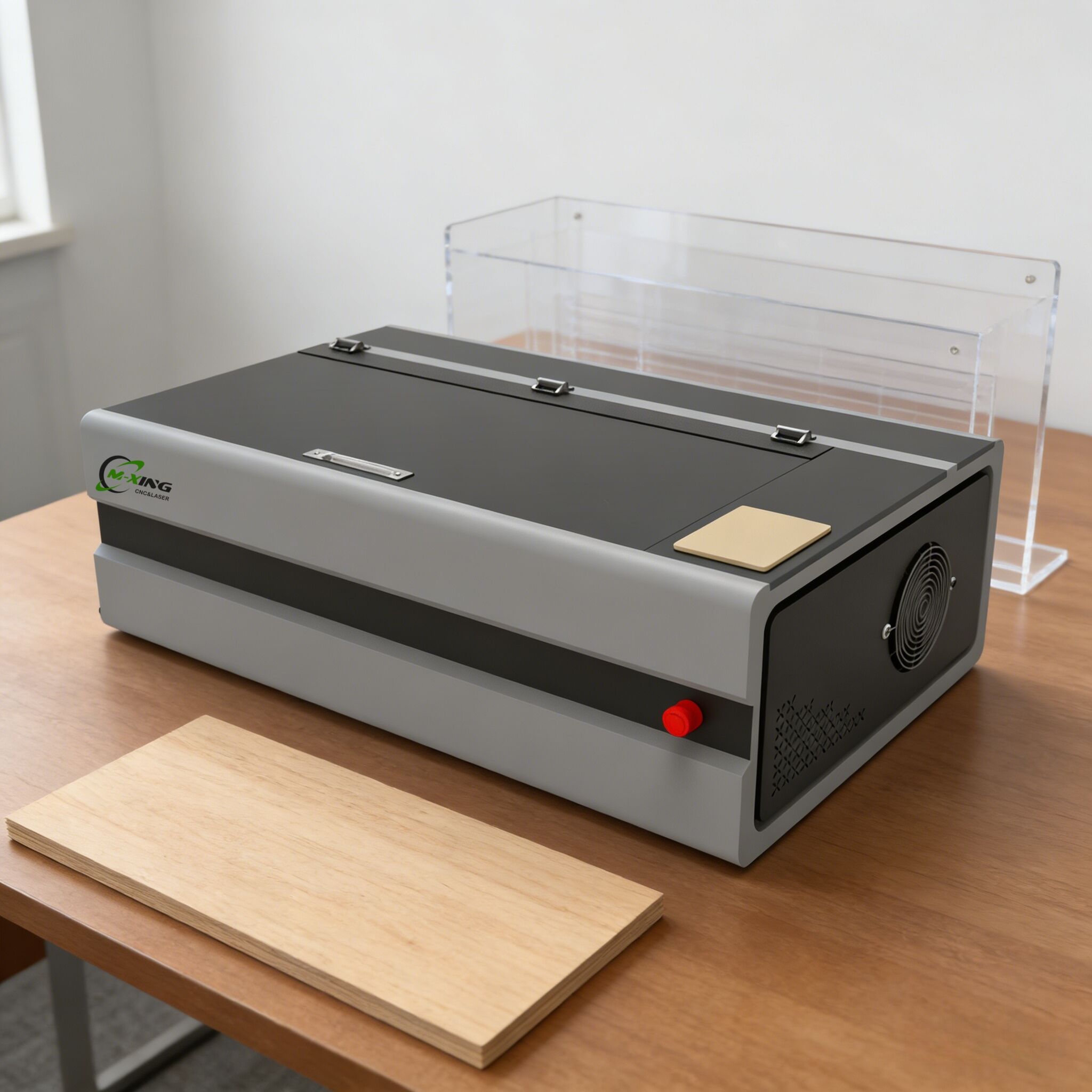
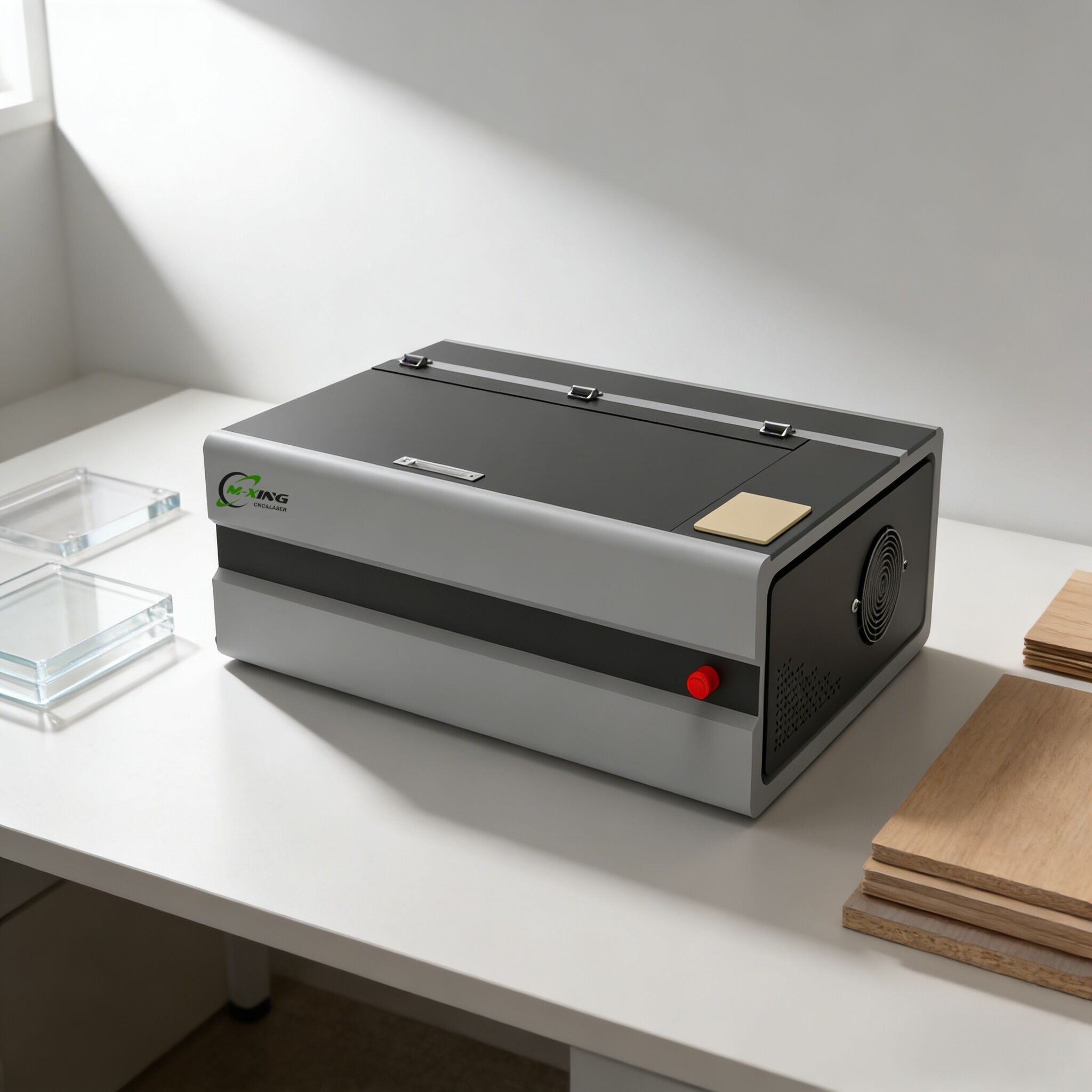
co2 engraving and cutting machine
A CO2 engraving and cutting machine represents a sophisticated piece of industrial equipment that utilizes a carbon dioxide laser to perform precise material processing operations. This versatile technology employs a focused beam of infrared light generated through an electrically stimulated CO2 gas mixture to cut, engrave, and etch various materials with exceptional accuracy. The CO2 engraving and cutting machine operates by directing this concentrated laser beam through a series of mirrors and lenses, creating temperatures hot enough to vaporize, melt, or burn through materials instantly. The primary functions of a CO2 engraving and cutting machine encompass both cutting and engraving capabilities across diverse material types. These machines excel at cutting through materials like acrylic, wood, leather, fabric, paper, cardboard, and certain plastics with clean, sealed edges that require minimal finishing. The engraving function allows operators to create intricate designs, text, logos, and detailed patterns on material surfaces without cutting completely through the substrate. Technological features that distinguish modern CO2 engraving and cutting machine systems include computer numerical control (CNC) integration, allowing precise movement control through software programming. Advanced models incorporate autofocus mechanisms, ensuring optimal beam positioning for consistent results across varying material thicknesses. Many units feature variable power settings, enabling operators to adjust laser intensity based on material properties and desired outcomes. Air assist systems help remove debris and cooling during operation, while exhaust ventilation maintains safe working conditions. Applications for CO2 engraving and cutting machine technology span numerous industries including signage manufacturing, architectural modeling, textile production, packaging design, jewelry creation, and educational institutions. Craftspeople utilize these machines for personalized gift creation, while manufacturers employ them for prototyping and small-batch production runs. The technology proves invaluable for creating intricate decorative elements, functional components, and customized products across commercial and artistic applications.

 EN
EN