cnc wood router price
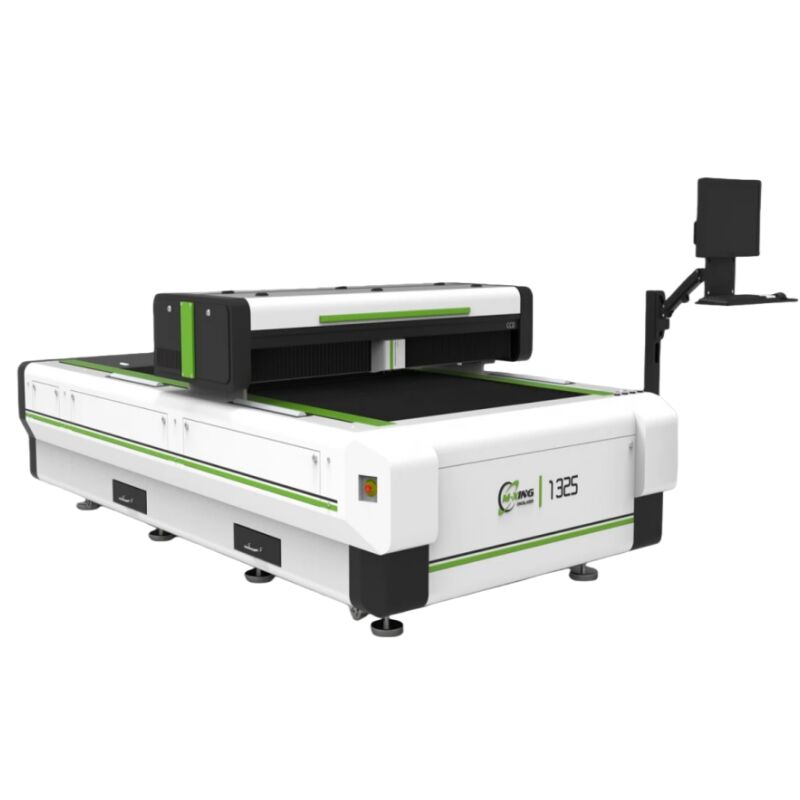
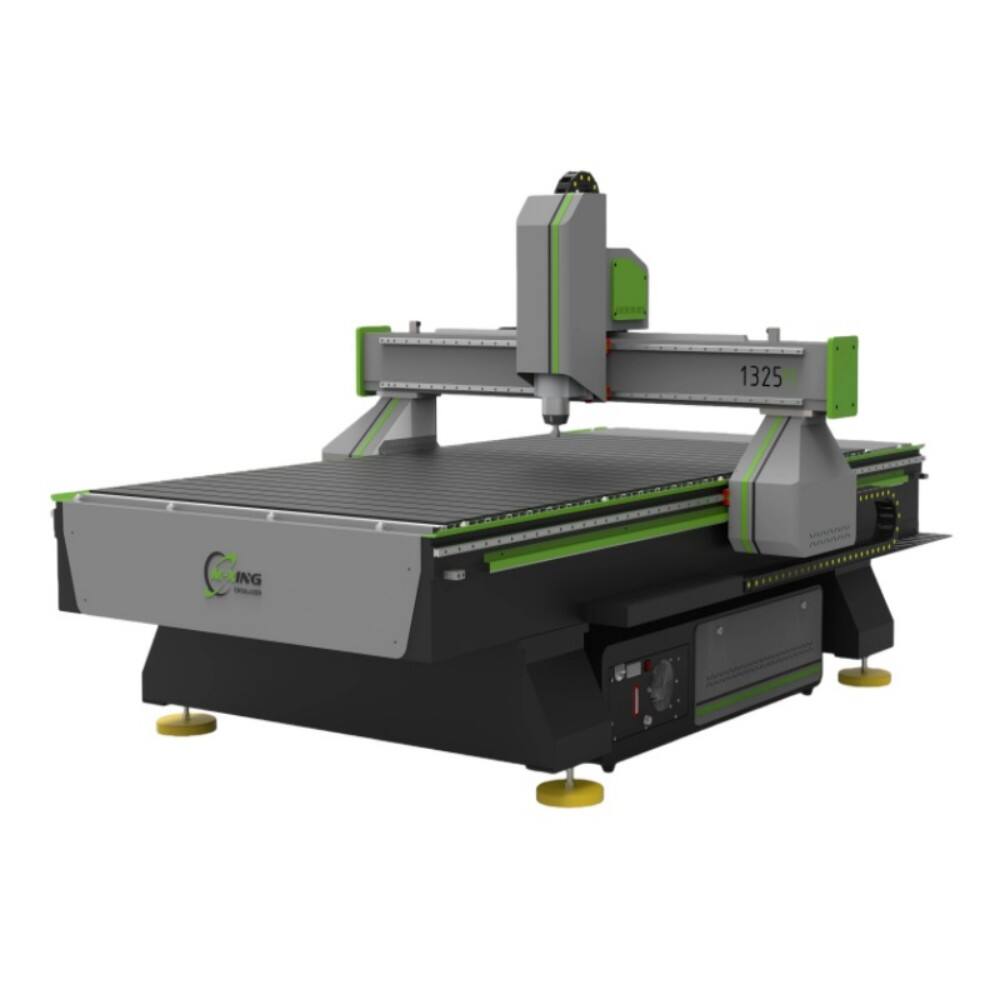
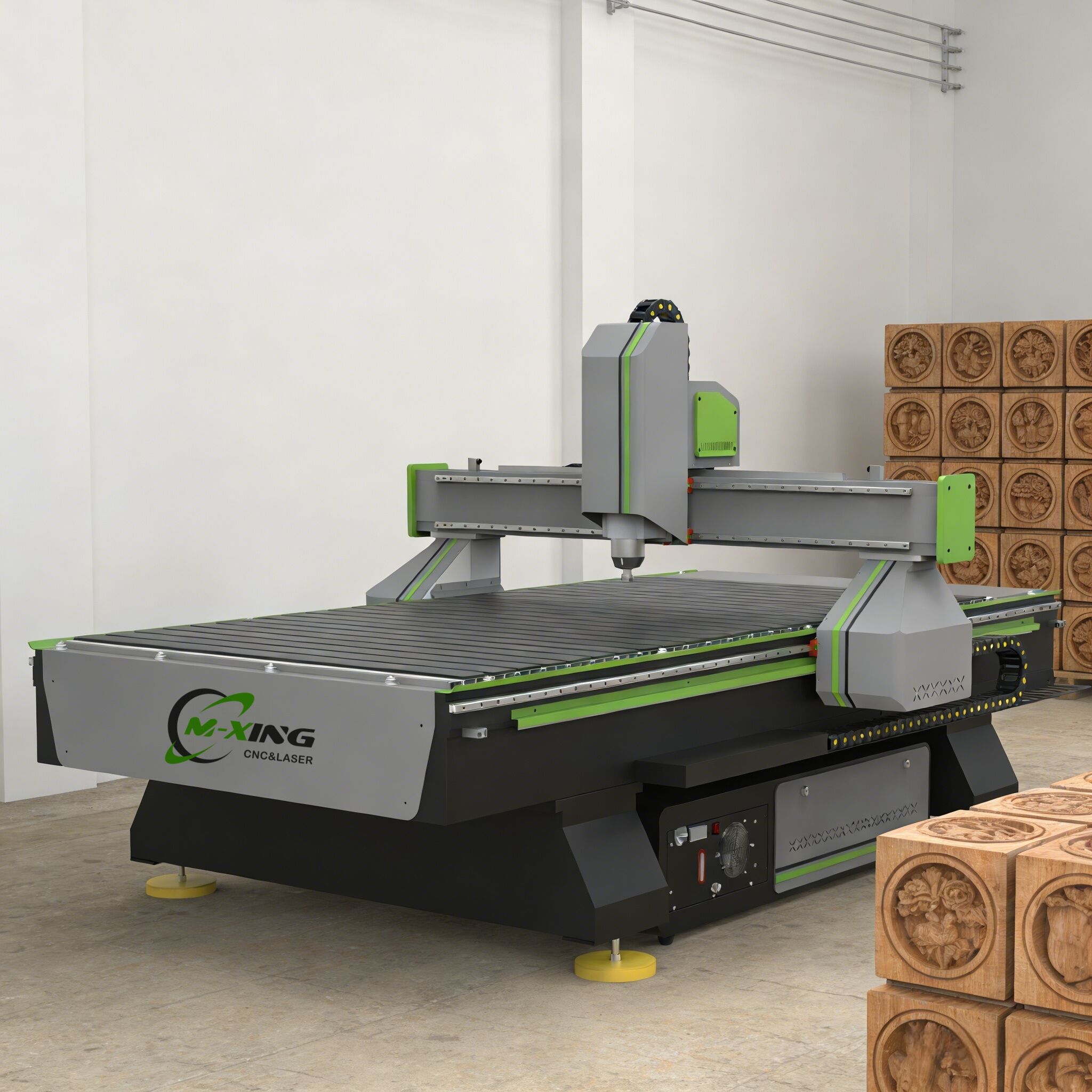
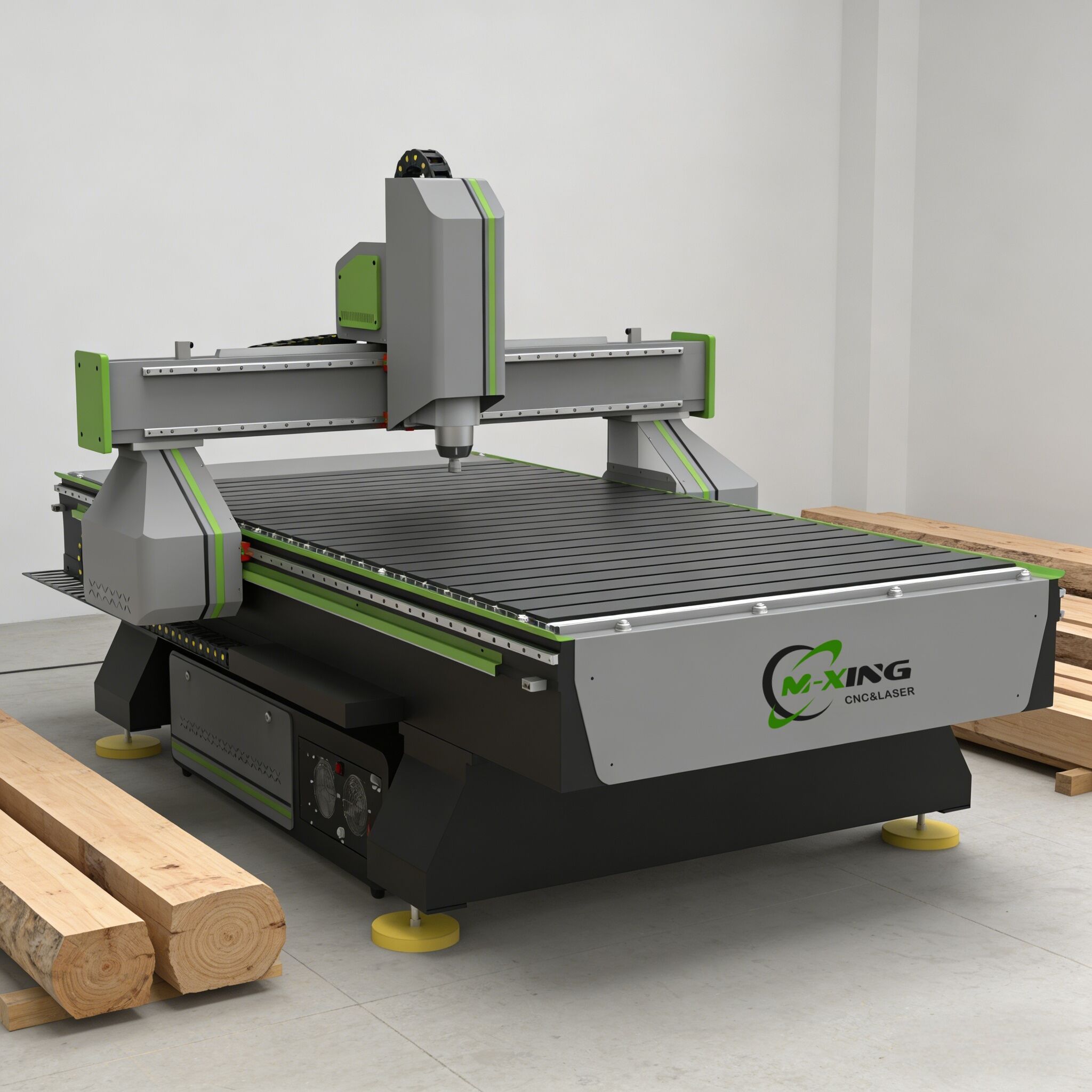
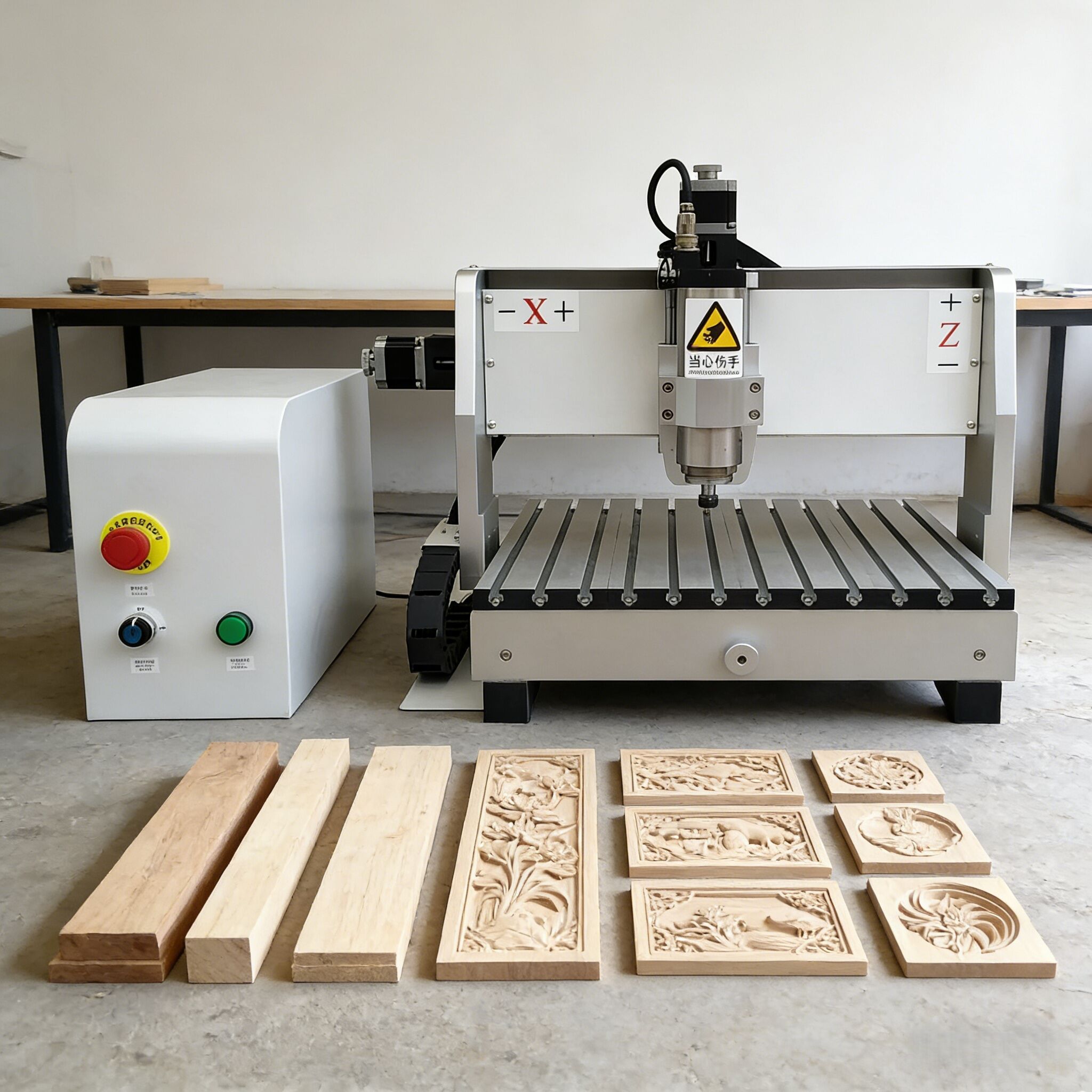
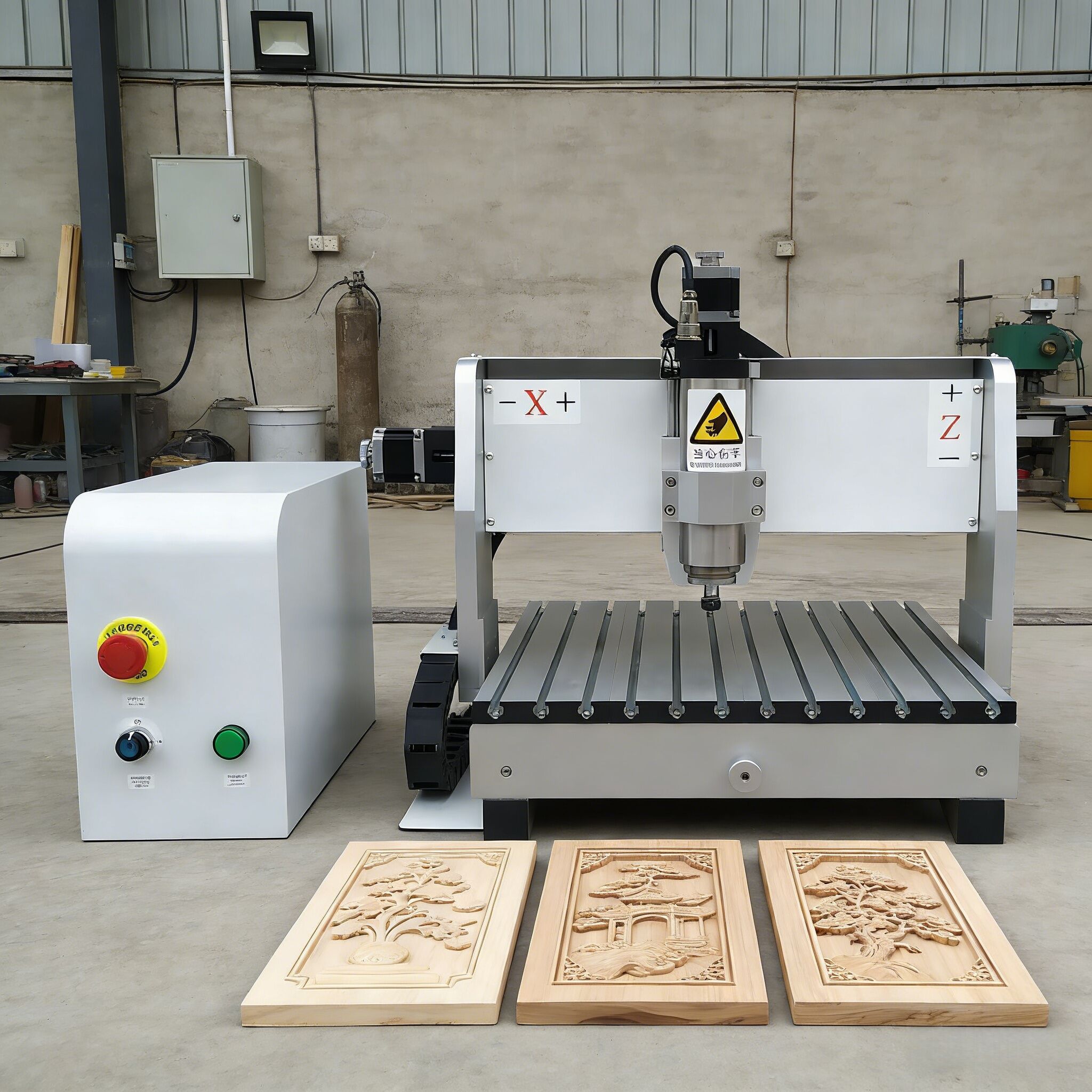
Understanding cnc wood router price involves examining sophisticated computer-controlled cutting machines designed specifically for woodworking applications. These advanced systems combine precision engineering with automated functionality to deliver exceptional results across various wood processing tasks. The cnc wood router price reflects the machine's capability to execute complex cutting patterns, engraving operations, and three-dimensional carving with remarkable accuracy and consistency. Modern CNC wood routers feature high-speed spindles capable of rotating cutting tools at optimal speeds for different wood types and densities. The integrated computer control system enables operators to program intricate designs through specialized software, eliminating manual errors and ensuring repeatable results. These machines incorporate linear motion systems with ball screws or rack-and-pinion drives that provide smooth, precise movement across multiple axes. The cnc wood router price encompasses advanced features such as automatic tool changers, dust collection systems, and safety interlocks that enhance operational efficiency and workplace safety. Professional-grade models include sophisticated control panels with touchscreen interfaces that simplify operation and monitoring. The technological framework supports various file formats including DXF, G-code, and proprietary software formats, enabling seamless integration with design workflows. Applications span furniture manufacturing, cabinetry production, architectural millwork, signage creation, and artistic woodcarving. Educational institutions utilize these systems for training purposes while hobbyists appreciate their versatility for personal projects. The cnc wood router price varies significantly based on cutting area dimensions, spindle power ratings, axis configurations, and additional features. Entry-level units serve small workshops and educational environments, while industrial-grade systems handle high-volume production requirements. Investment considerations include long-term reliability, technical support availability, software compatibility, and expandability options that influence the overall value proposition.

 EN
EN