Exceptional Material Versatility and Processing Capabilities
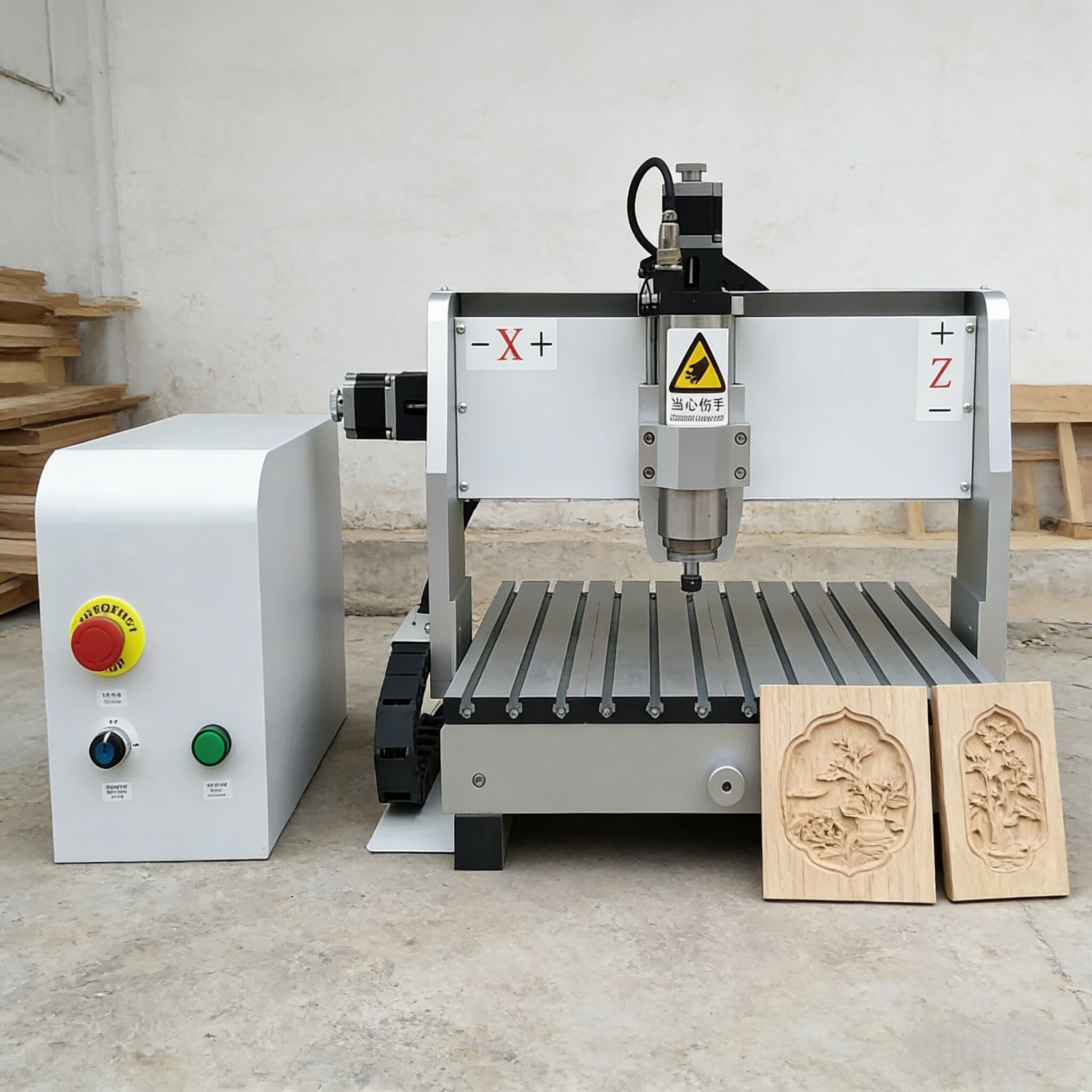
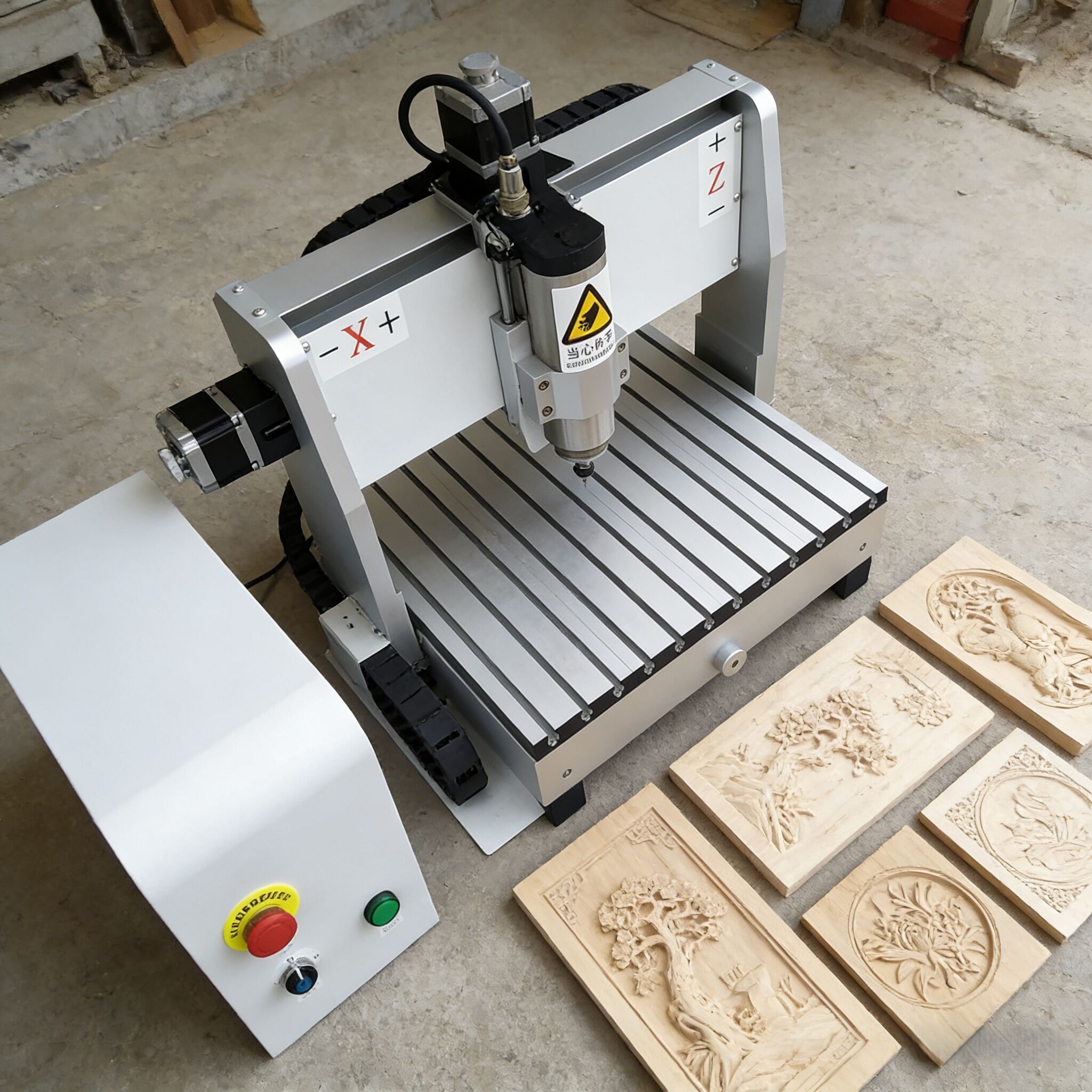
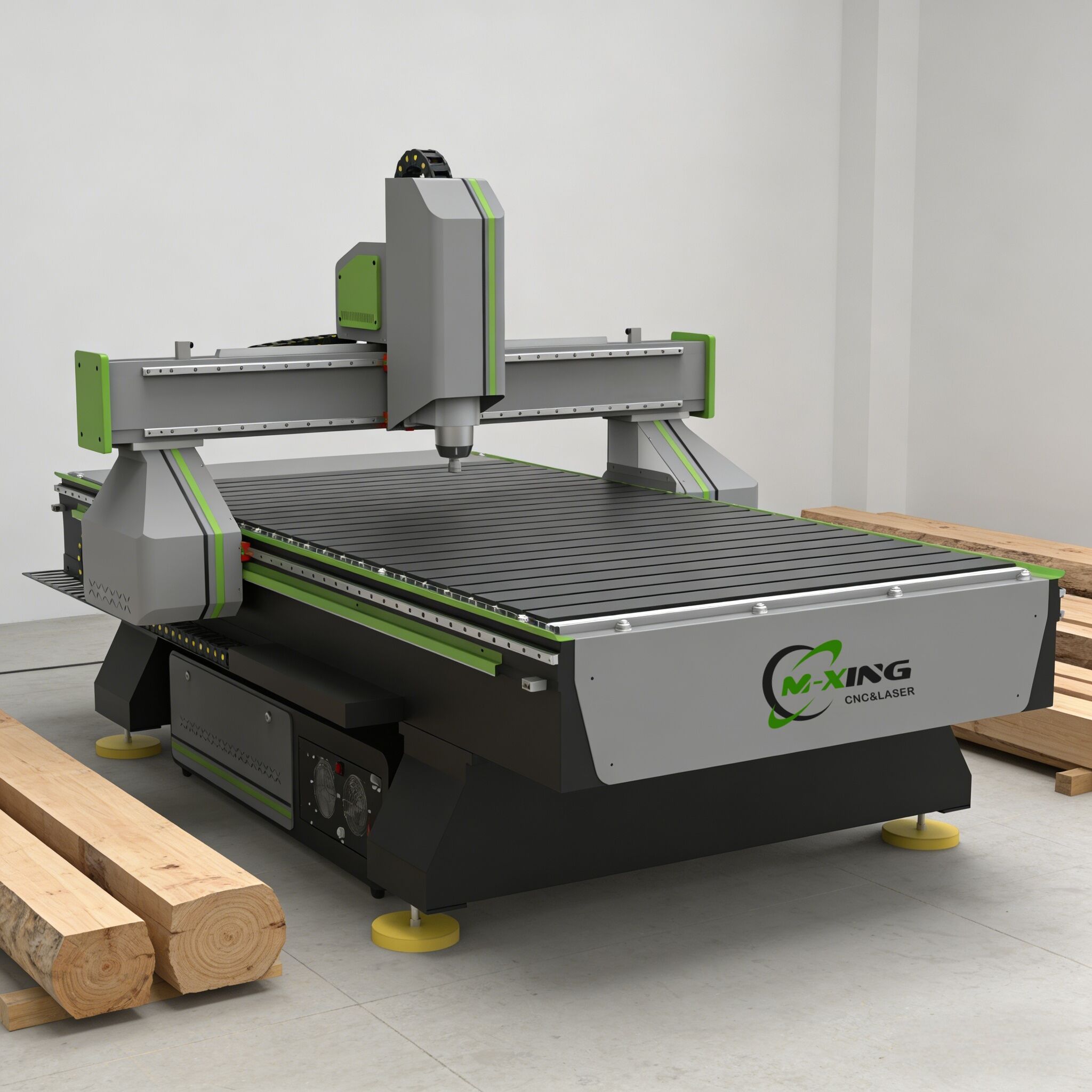
The remarkable material versatility of cnc router laser systems revolutionizes manufacturing flexibility, enabling processors to work with an extensive array of materials using a single piece of equipment. This adaptability eliminates the traditional constraints of specialized tooling, allowing manufacturers to respond quickly to changing market demands and customer requirements. The cnc router laser processes organic materials like wood, leather, fabric, and paper with exceptional edge quality, creating clean cuts without charring or fraying when properly optimized. Synthetic materials including various plastics, acrylics, and composite materials respond beautifully to laser processing, with many thermoplastics producing polished, flame-sealed edges that eliminate secondary finishing operations. The ability to engrave detailed patterns, logos, and text into material surfaces adds significant value-added capabilities, enabling personalization and branding opportunities that command premium pricing. Metal processing capabilities extend to thin sheets of steel, aluminum, brass, and titanium, opening opportunities in jewelry making, electronics manufacturing, and decorative metalwork. The contactless nature of laser processing prevents contamination and eliminates the risk of material damage from clamping forces or tool marks. Different materials require specific parameter settings including power levels, cutting speeds, and pulse frequencies, but modern cnc router laser systems store these settings in material libraries for easy selection and consistent results. The thermal processing nature allows for unique capabilities like controlled burning for artistic effects, precise material removal for texturing, and selective layer removal in multi-layered materials. Operators can seamlessly transition between cutting thick materials and performing delicate engraving operations without changing equipment or extensive setup procedures. This versatility proves particularly valuable for job shops and custom manufacturers who need to handle diverse projects efficiently. The ability to process both rigid sheets and flexible materials expands application possibilities into packaging, textiles, and specialty products that traditional rigid-tool processes cannot accommodate effectively.
 EN
EN