Exceptional Material Versatility and Adaptive Processing Capabilities
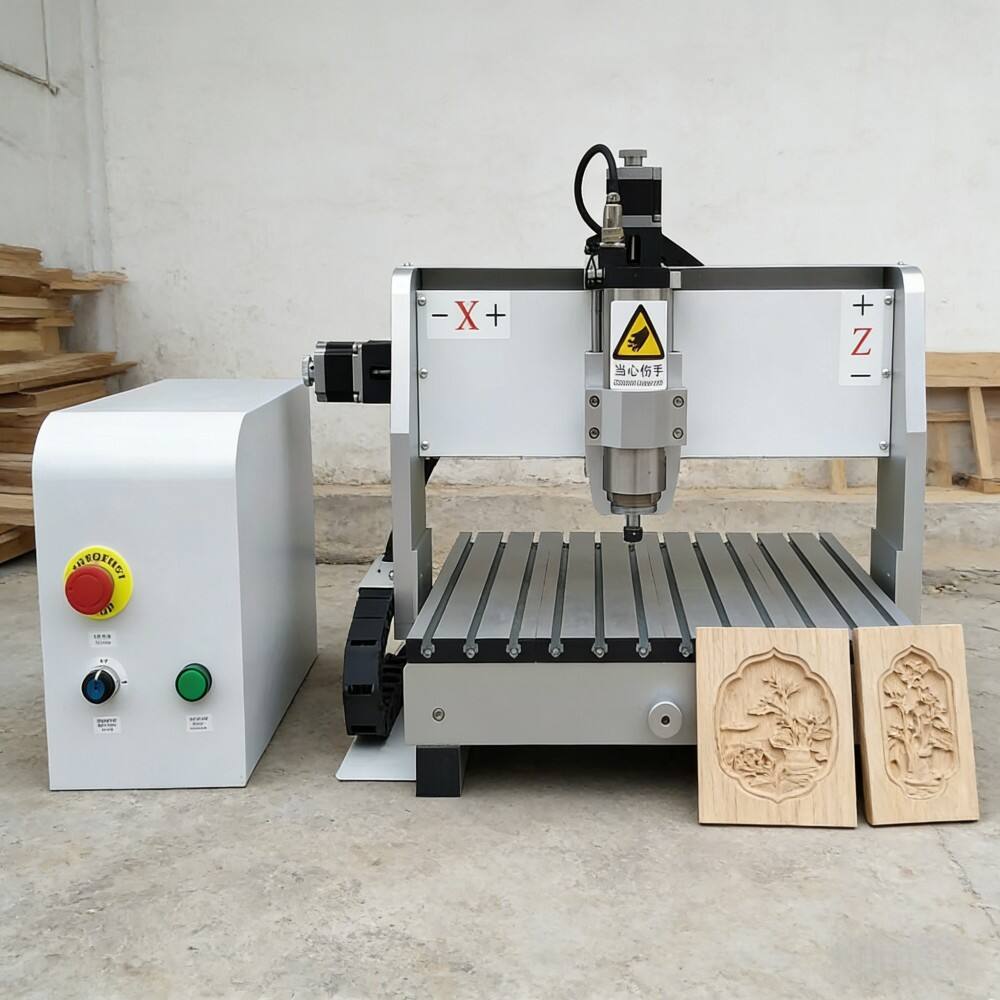
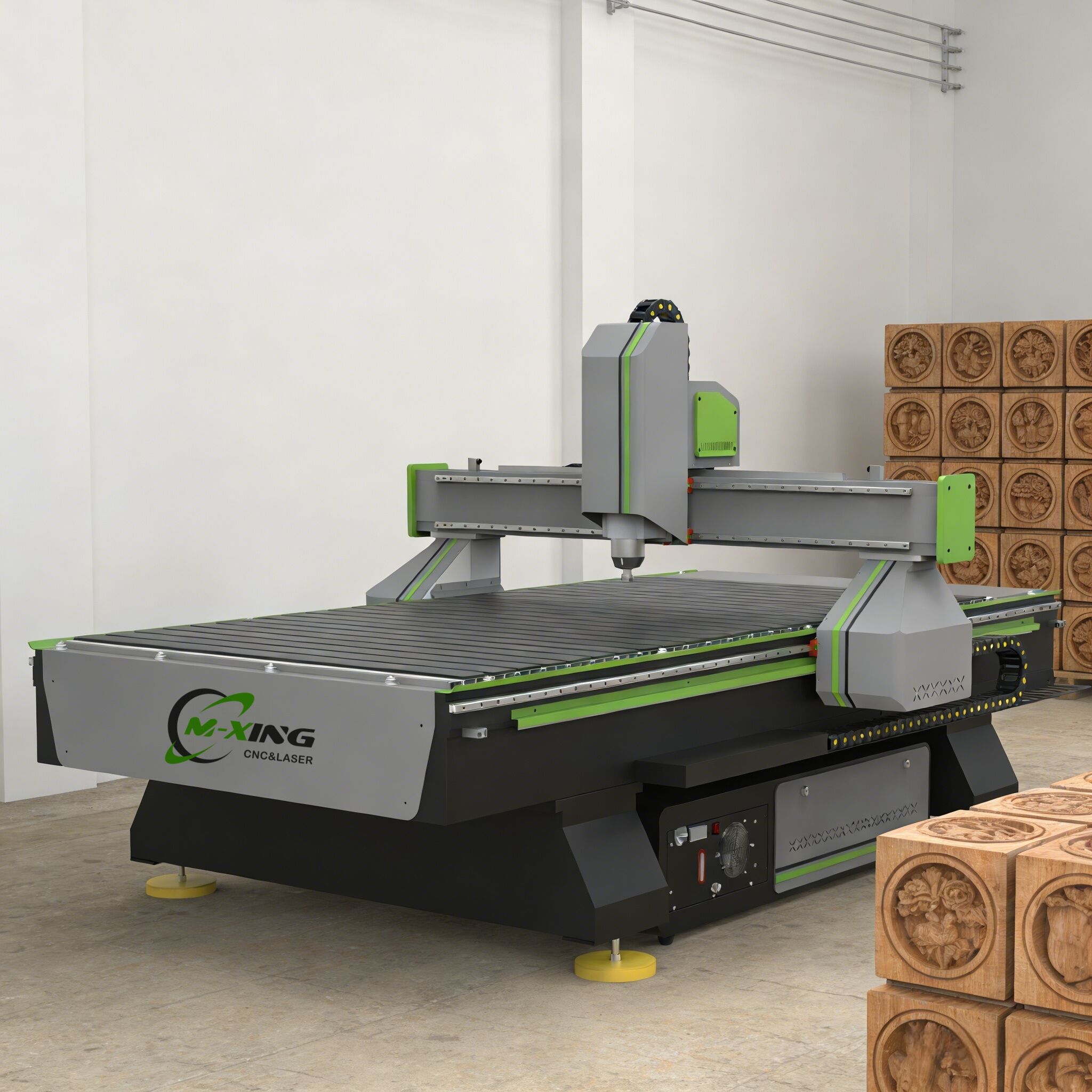
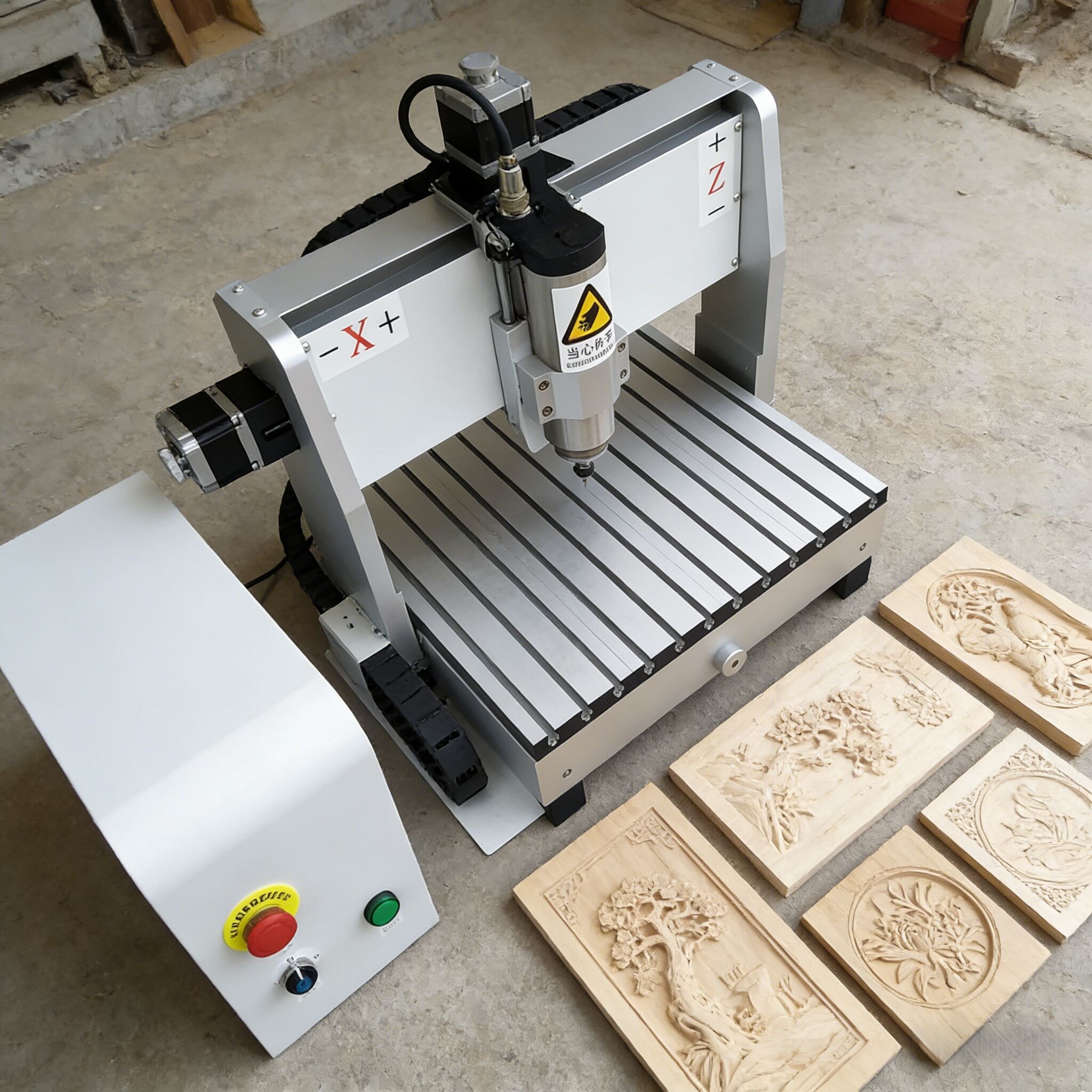
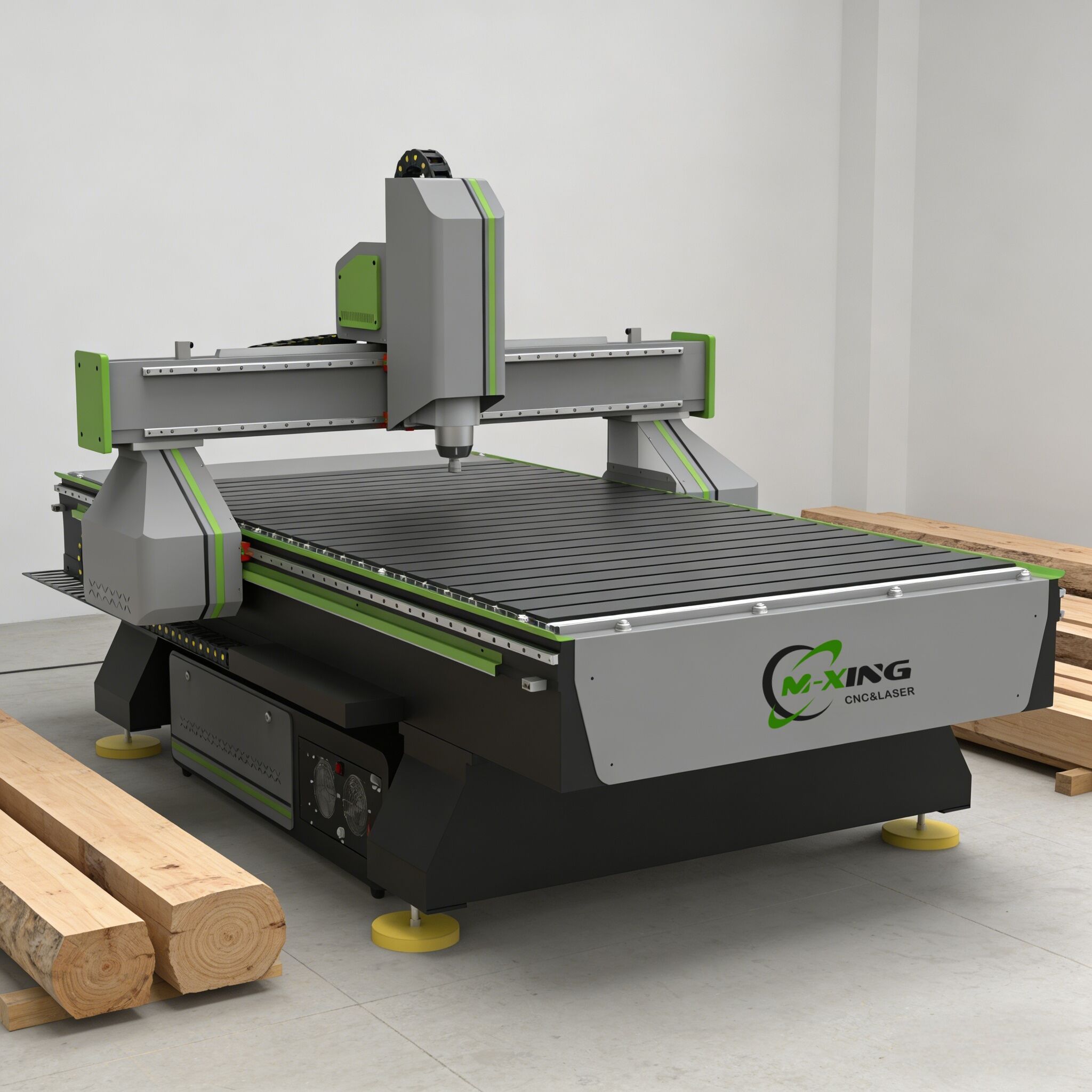
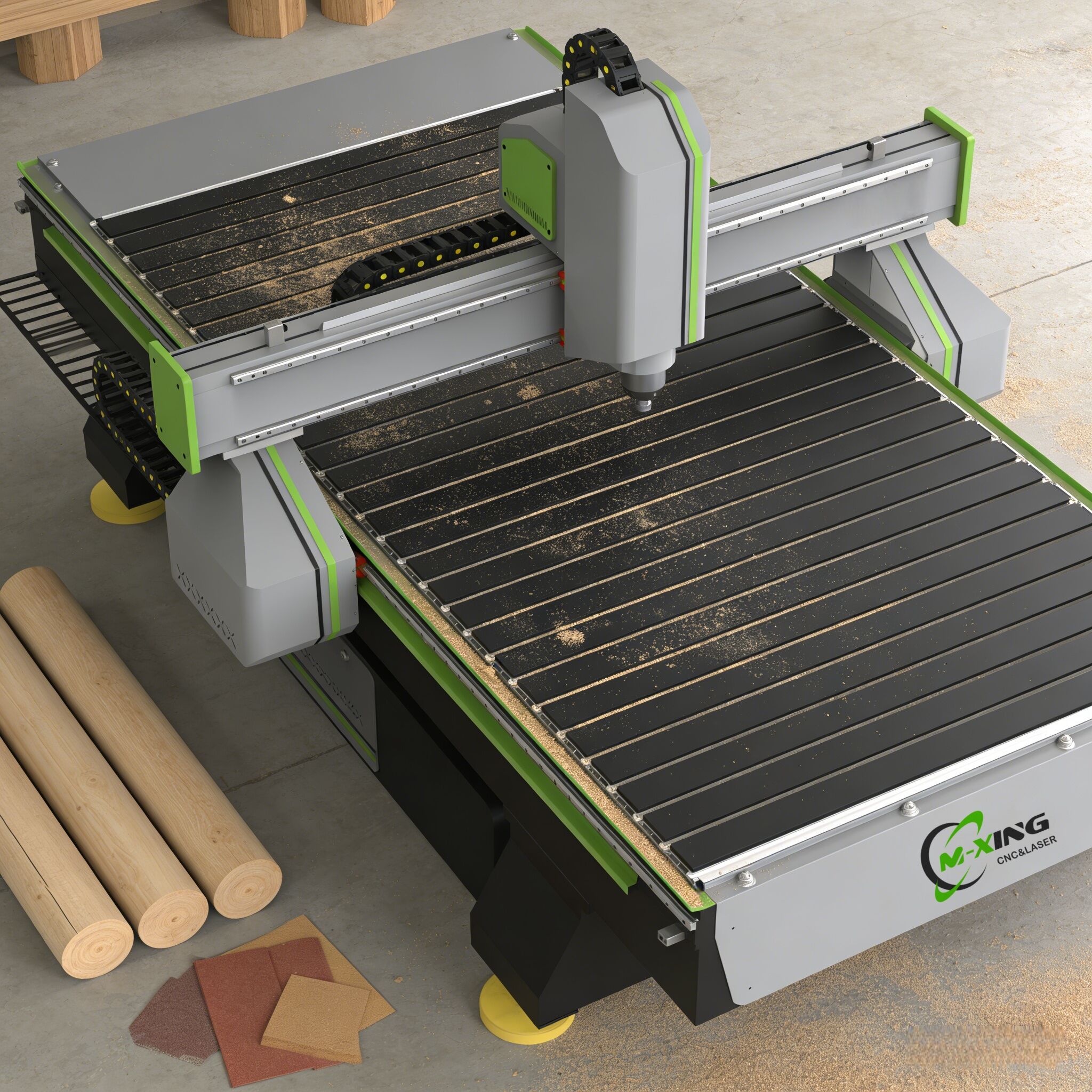
The material versatility of CNC carving machines sets them apart as truly universal manufacturing tools, capable of processing an extraordinary range of substrates with equal precision and effectiveness. This adaptability stems from sophisticated spindle systems that can accommodate various cutting tools, adjustable speed controls that optimize performance for different materials, and programmable feed rates that ensure proper chip evacuation and surface finish quality. Wood processing capabilities span from delicate veneers to dense hardwoods, enabling applications ranging from intricate inlay work to heavy timber framing components. Metal processing extends across aluminum, brass, steel, and exotic alloys, making CNC carving machines valuable for prototyping, tooling, and production applications in aerospace, automotive, and general manufacturing sectors. Plastic materials including acrylic, polycarbonate, nylon, and engineering thermoplastics can be machined with exceptional edge quality and dimensional stability, opening opportunities in signage, packaging, and consumer product manufacturing. Advanced composite materials, foam products, and even stone and ceramic materials can be processed effectively with appropriate tooling and parameter selection. The adaptive processing capabilities enable automatic adjustment of cutting parameters based on real-time feedback from sensors that monitor cutting forces, vibration levels, and spindle load conditions. This intelligent adaptation ensures optimal performance regardless of material variations, tool wear conditions, or environmental factors that might affect machining quality. The versatility extends to processing techniques, with CNC carving machines capable of performing drilling, routing, engraving, profiling, pocketing, and three-dimensional sculpting operations within a single setup. Multi-tool automatic changers further enhance versatility by enabling sequential operations with different cutting tools, eliminating manual tool changes and reducing production time. The material holding systems accommodate various workpiece sizes and shapes through modular fixturing options, vacuum tables, and mechanical clamping systems that ensure secure positioning during machining operations. This exceptional versatility eliminates the need for multiple specialized machines, reducing equipment investments, floor space requirements, and operator training needs while maximizing production flexibility and market responsiveness for businesses across diverse industries.
 EN
EN