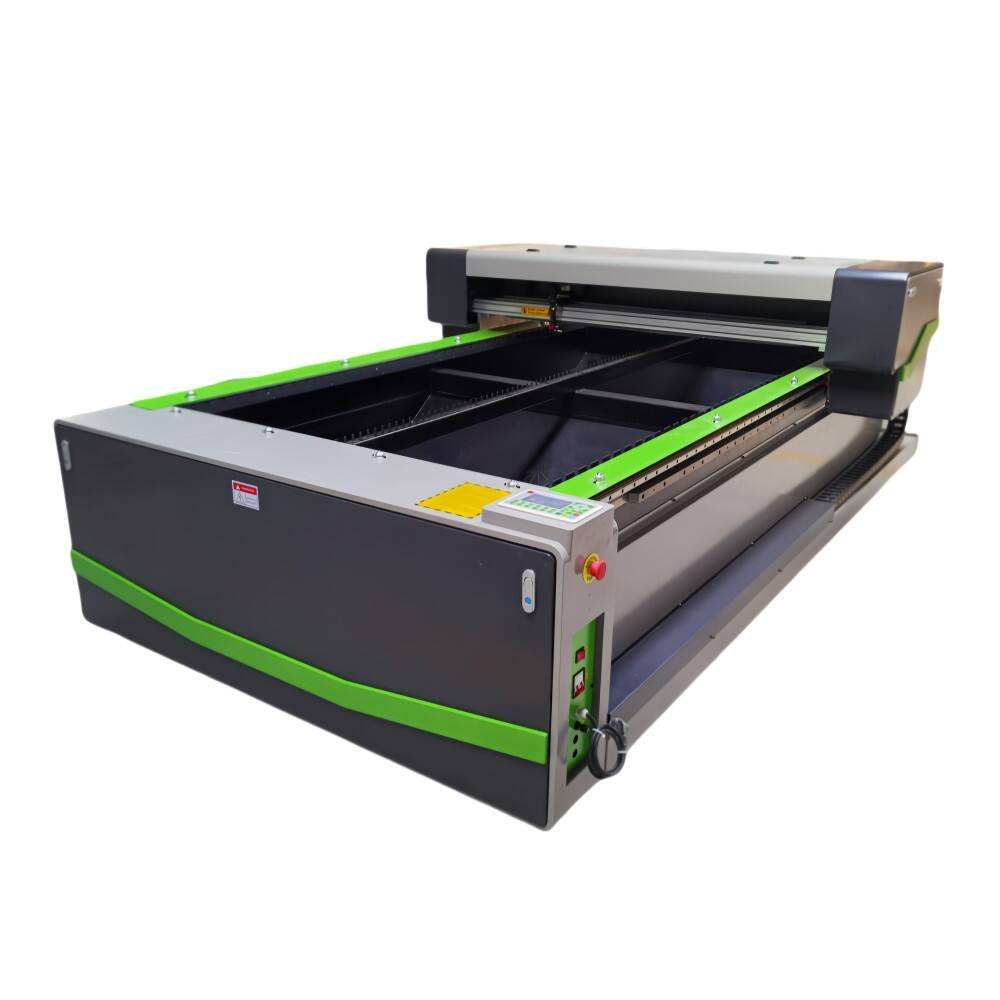
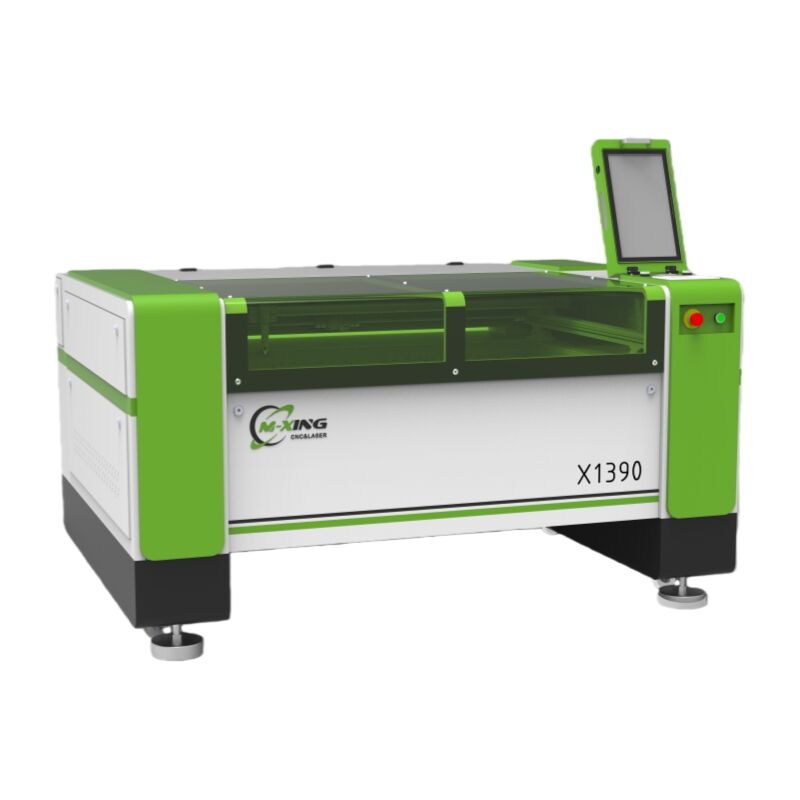
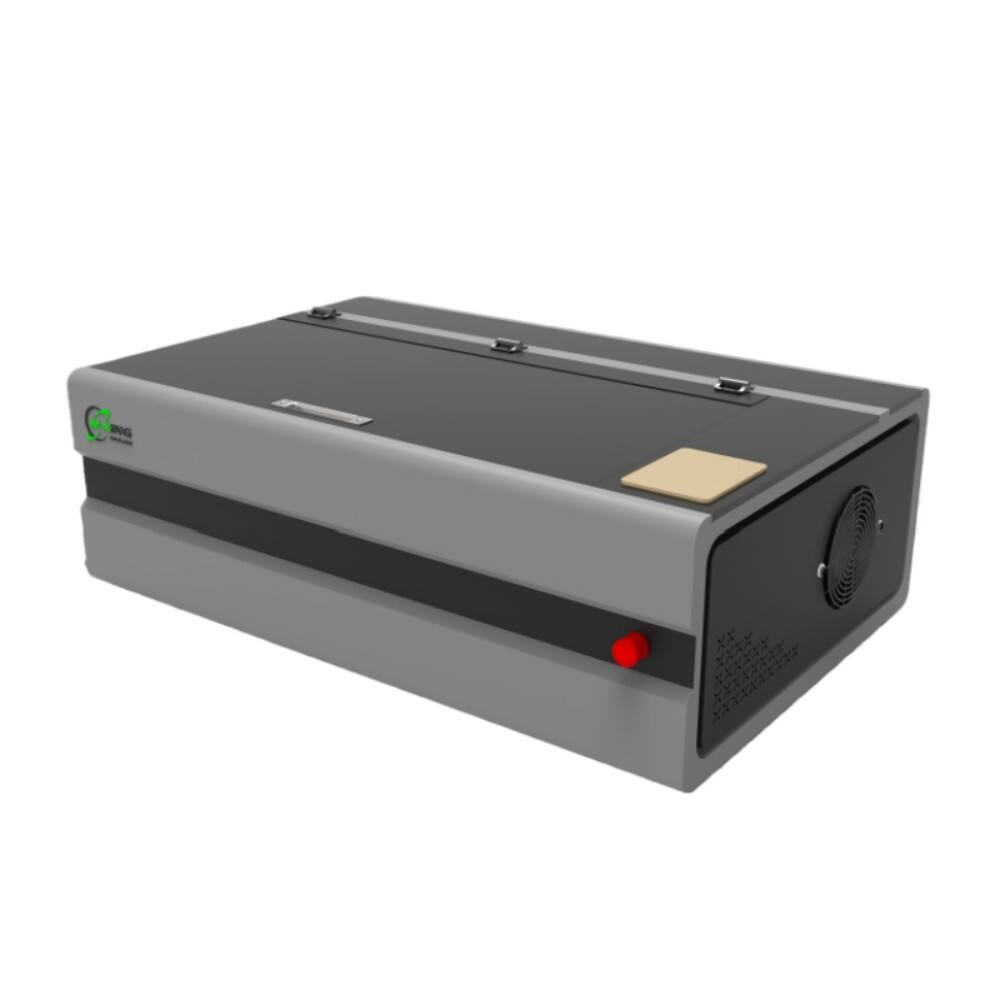
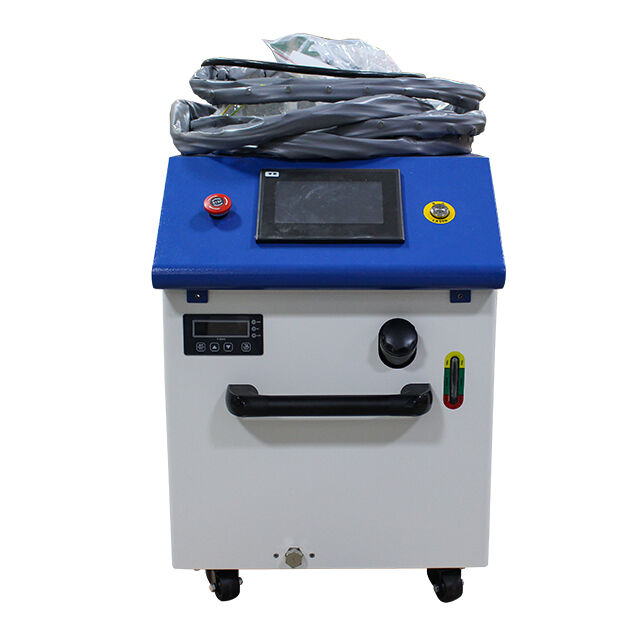
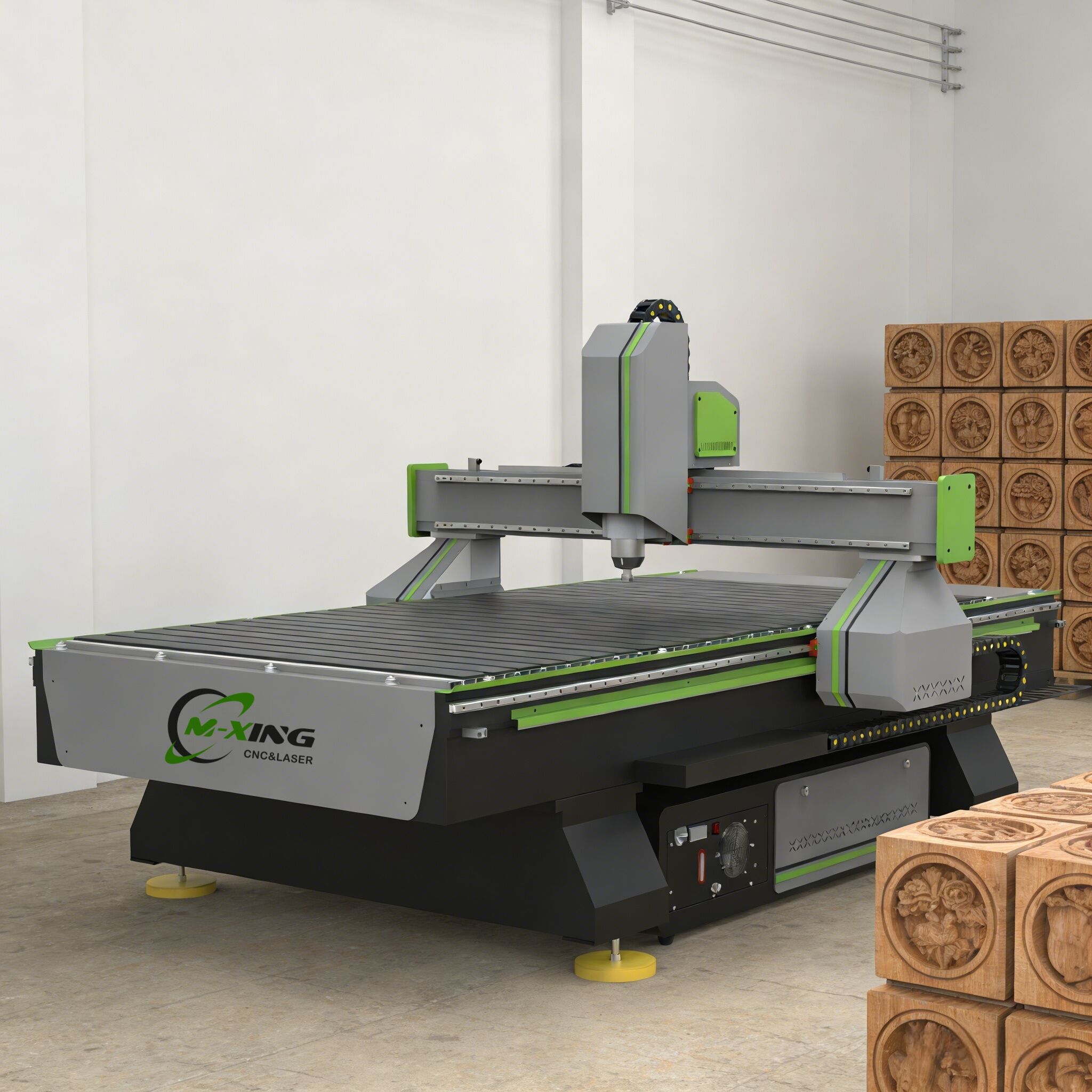
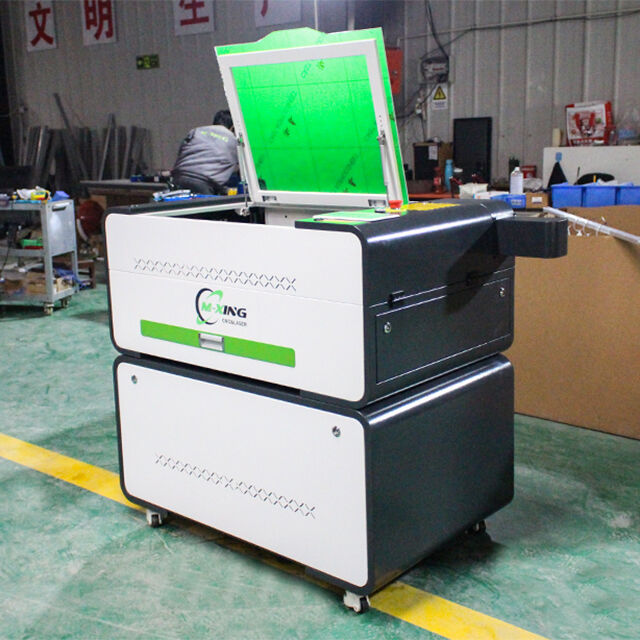
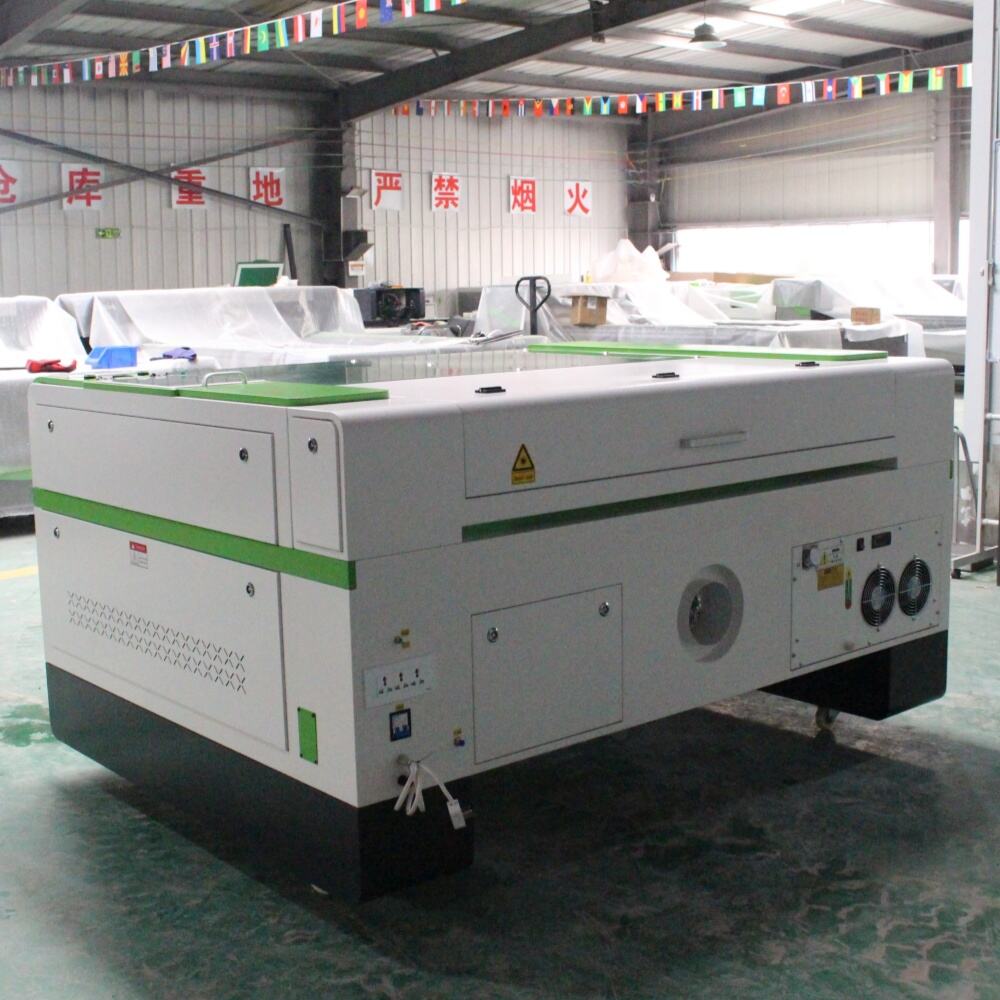
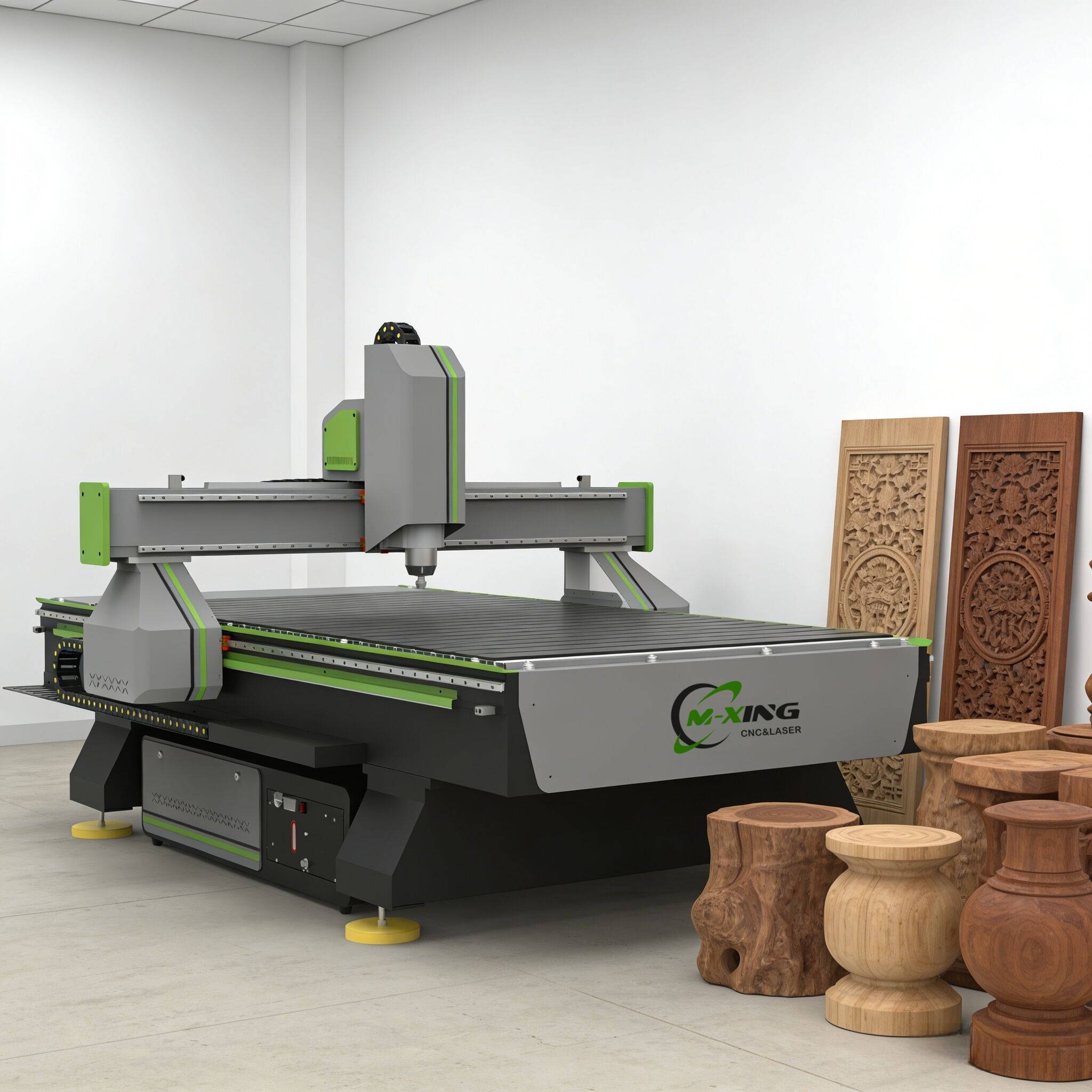
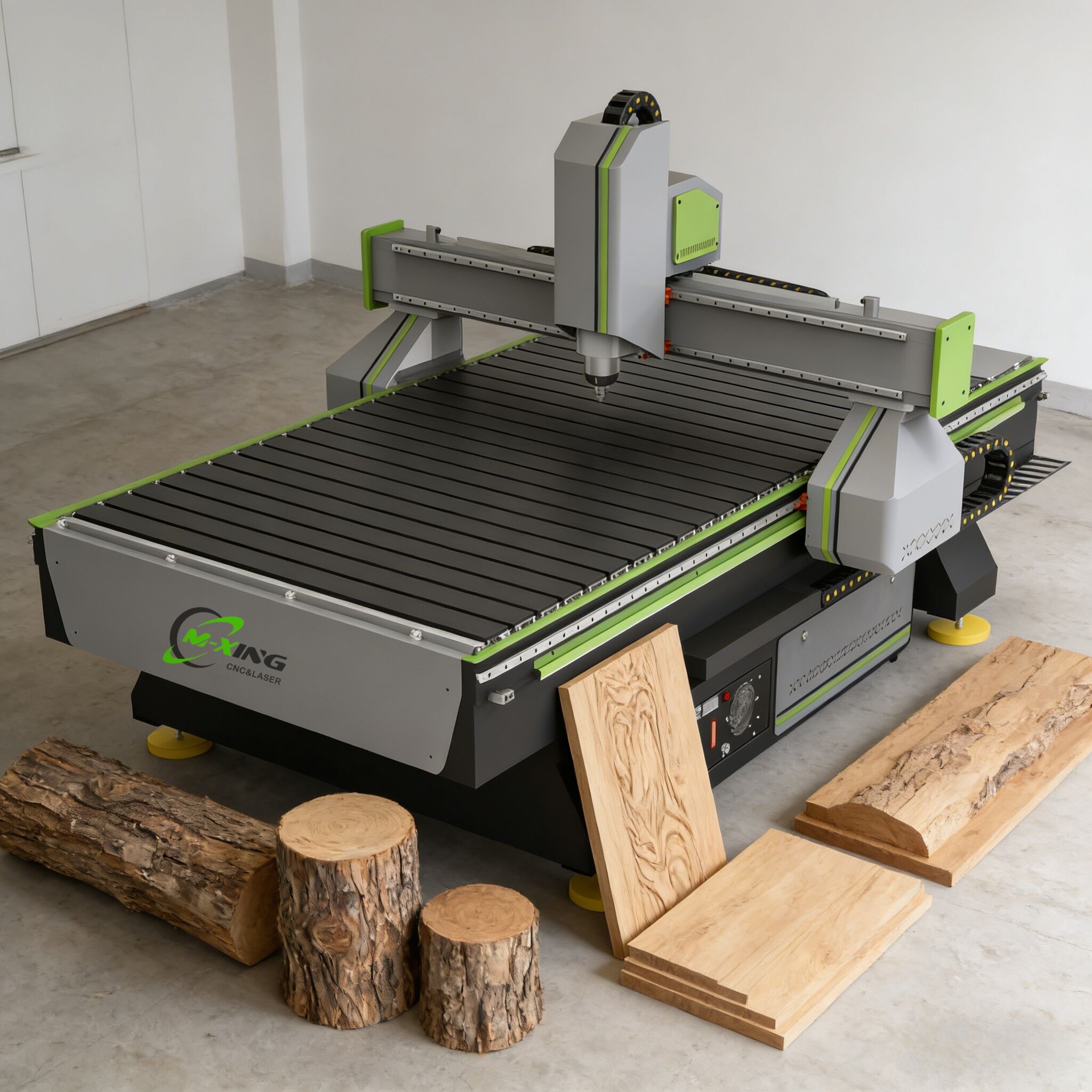
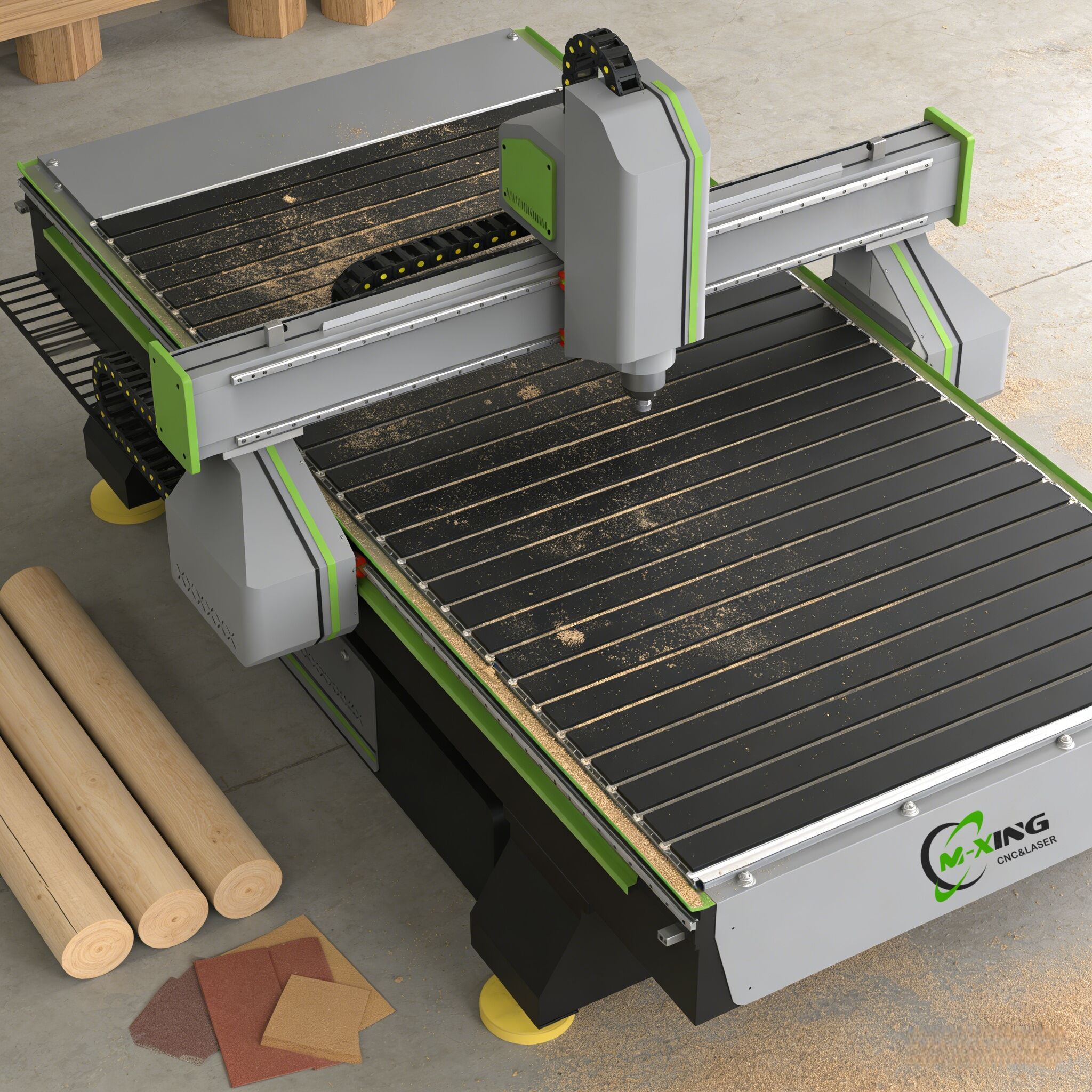
3d cnc machine
A 3D CNC machine represents a revolutionary advancement in computer-controlled manufacturing technology, offering unprecedented precision and versatility in material processing. These sophisticated systems operate along three primary axes (X, Y, and Z), enabling complex three-dimensional machining operations that were previously impossible with traditional manual methods. The fundamental principle behind every 3D CNC machine involves computer numerical control, where digital instructions guide cutting tools through intricate patterns to create precise components from various materials including metals, plastics, wood, and composites. Modern 3D CNC machines incorporate advanced servo motors, high-resolution encoders, and sophisticated control systems that ensure exceptional accuracy and repeatability. The technological features of these systems include real-time feedback mechanisms, automatic tool changers, and integrated cooling systems that maintain optimal operating conditions during extended production runs. Key functions encompass milling, drilling, cutting, engraving, and surface finishing operations, all performed with remarkable consistency. The applications for 3D CNC machines span numerous industries, from aerospace and automotive manufacturing to medical device production and artistic creation. In aerospace, these machines create critical components requiring extreme precision and reliability. Automotive manufacturers utilize 3D CNC machines for engine parts, transmission components, and custom tooling. Medical device companies depend on these systems to produce implants, surgical instruments, and prosthetic components that meet stringent quality standards. The versatility of 3D CNC machines extends to rapid prototyping, where engineers and designers can quickly transform digital concepts into physical models for testing and validation. Educational institutions increasingly incorporate these machines into their curricula, preparing students for careers in advanced manufacturing. The integration of CAD/CAM software enables seamless transition from design to production, streamlining workflows and reducing time-to-market for new products.
 EN
EN