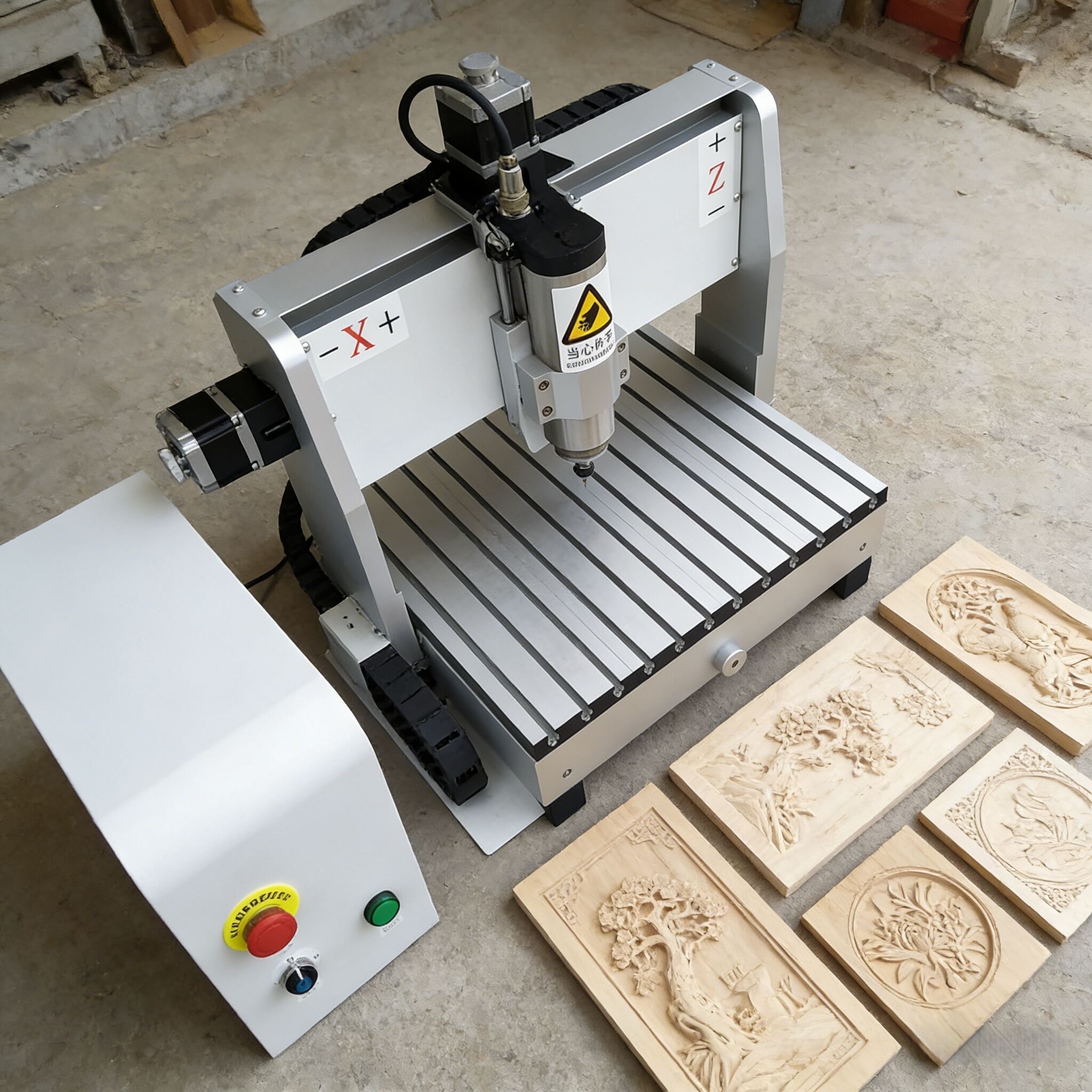
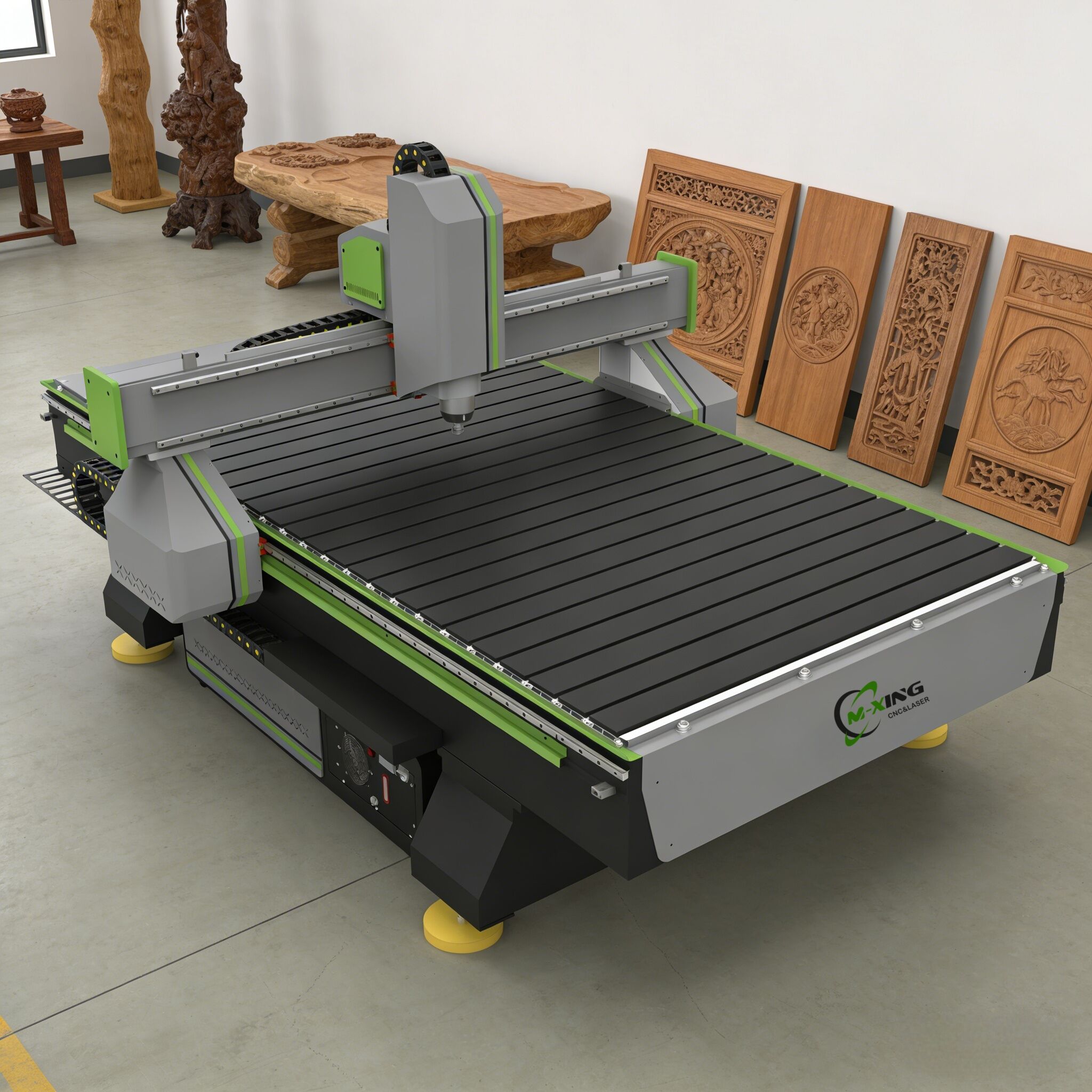
tabletop cnc
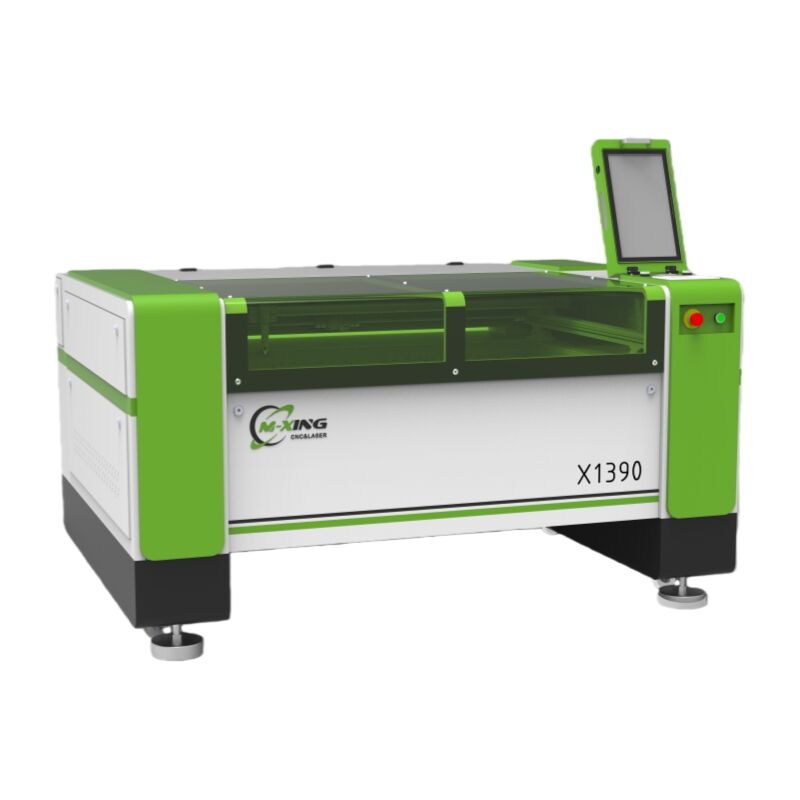
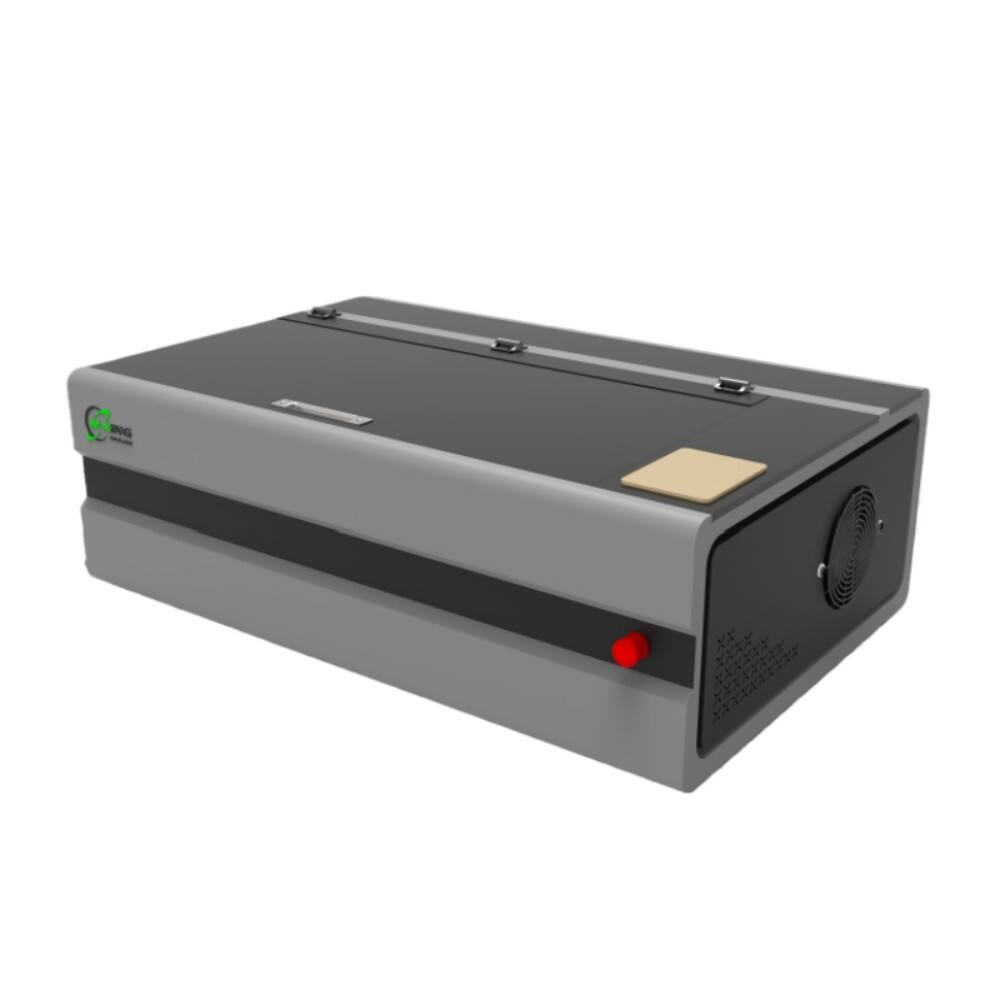
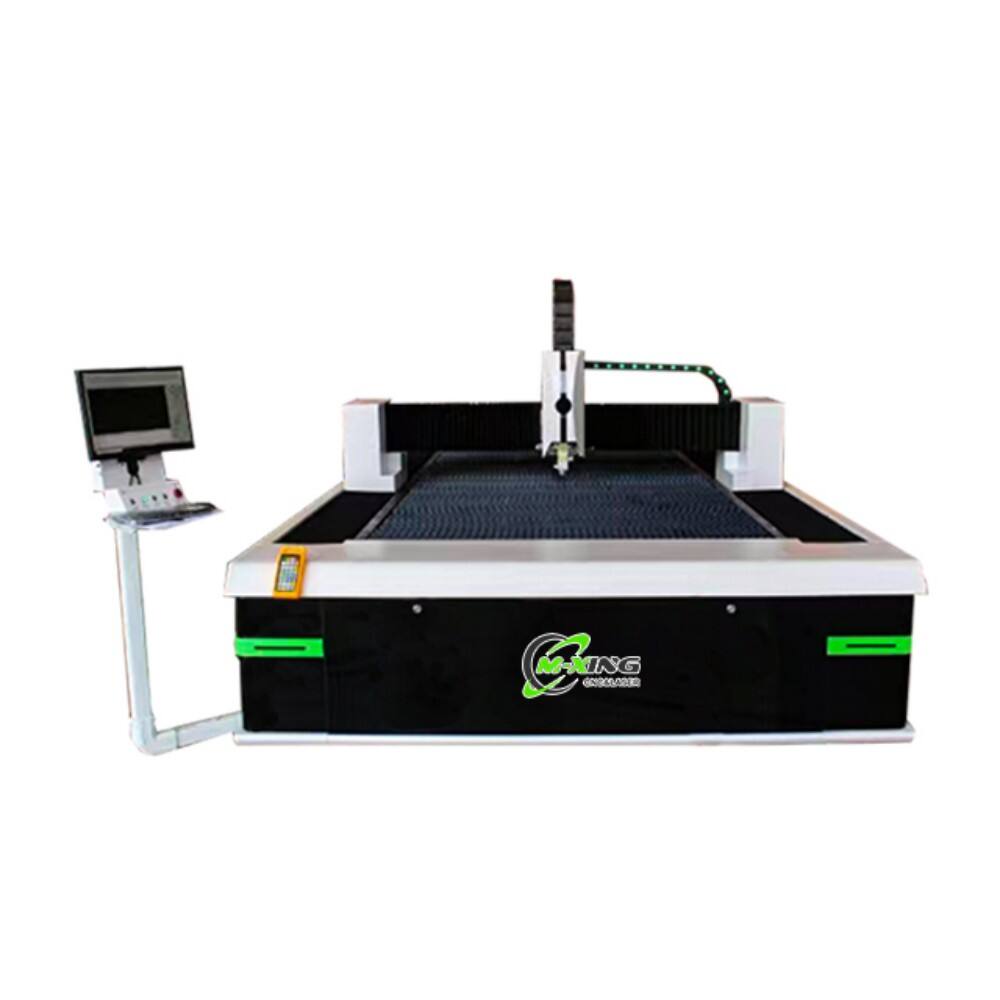
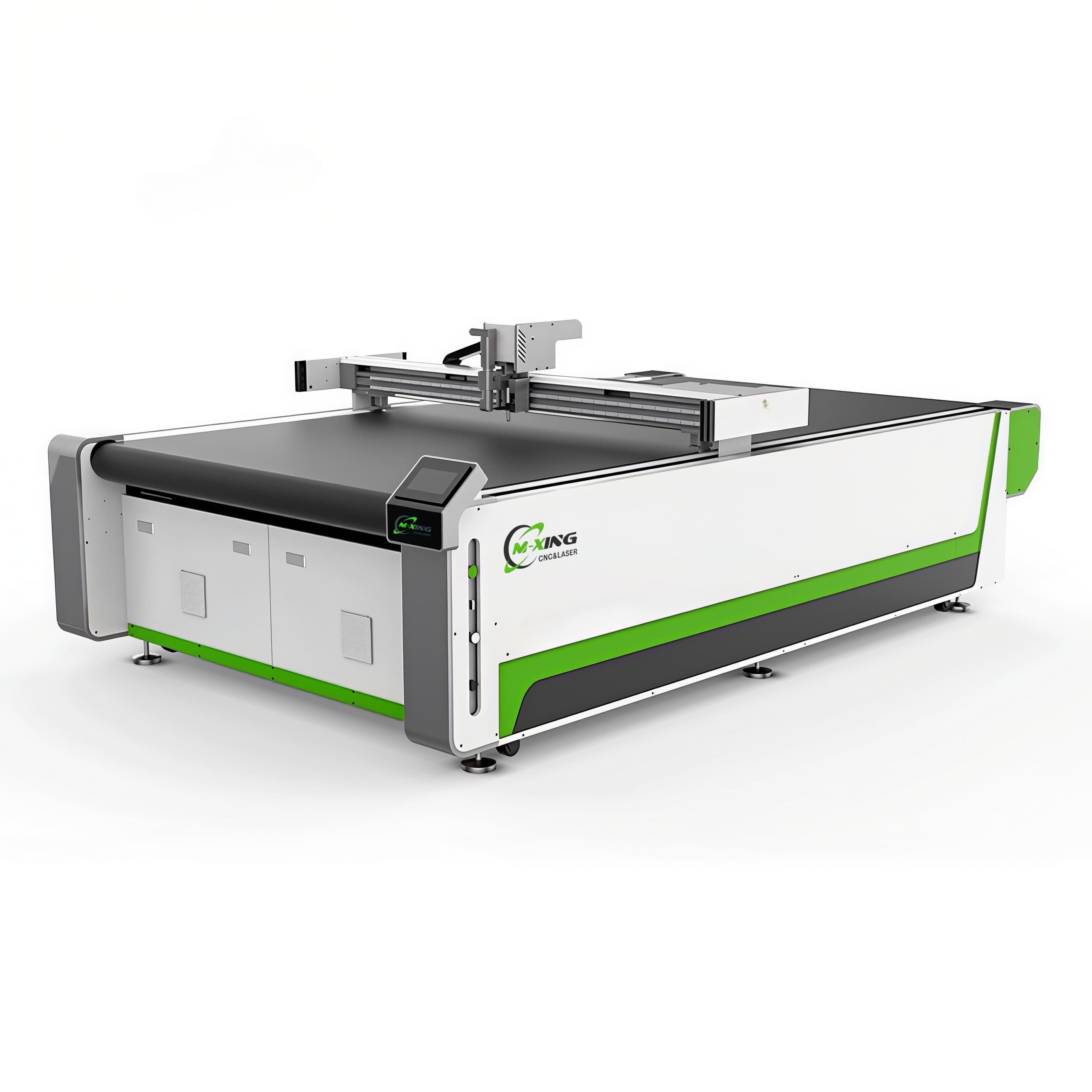
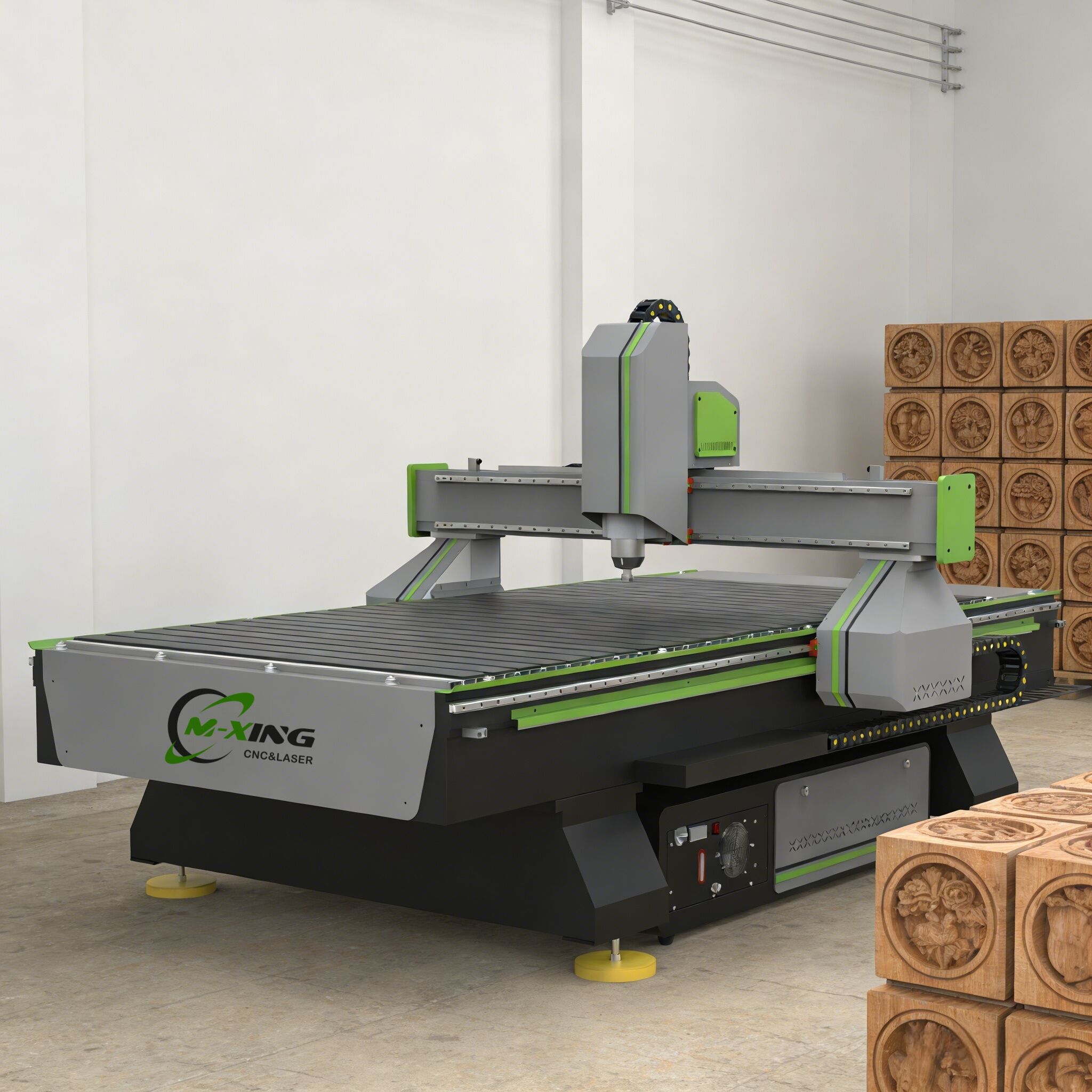
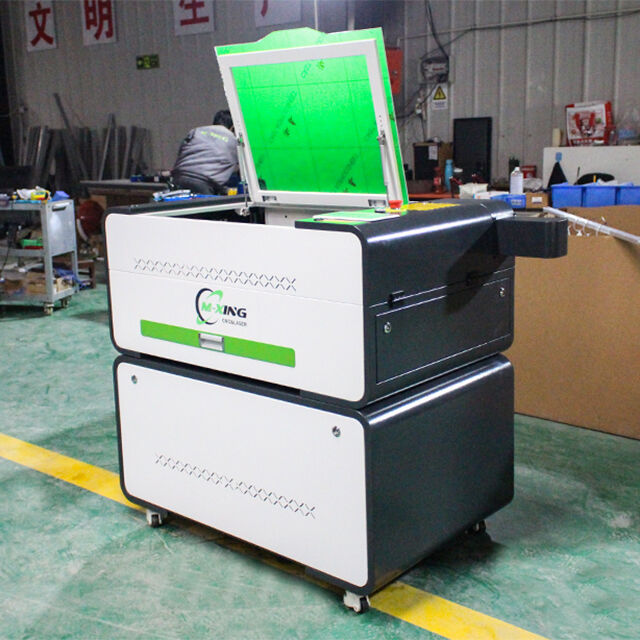
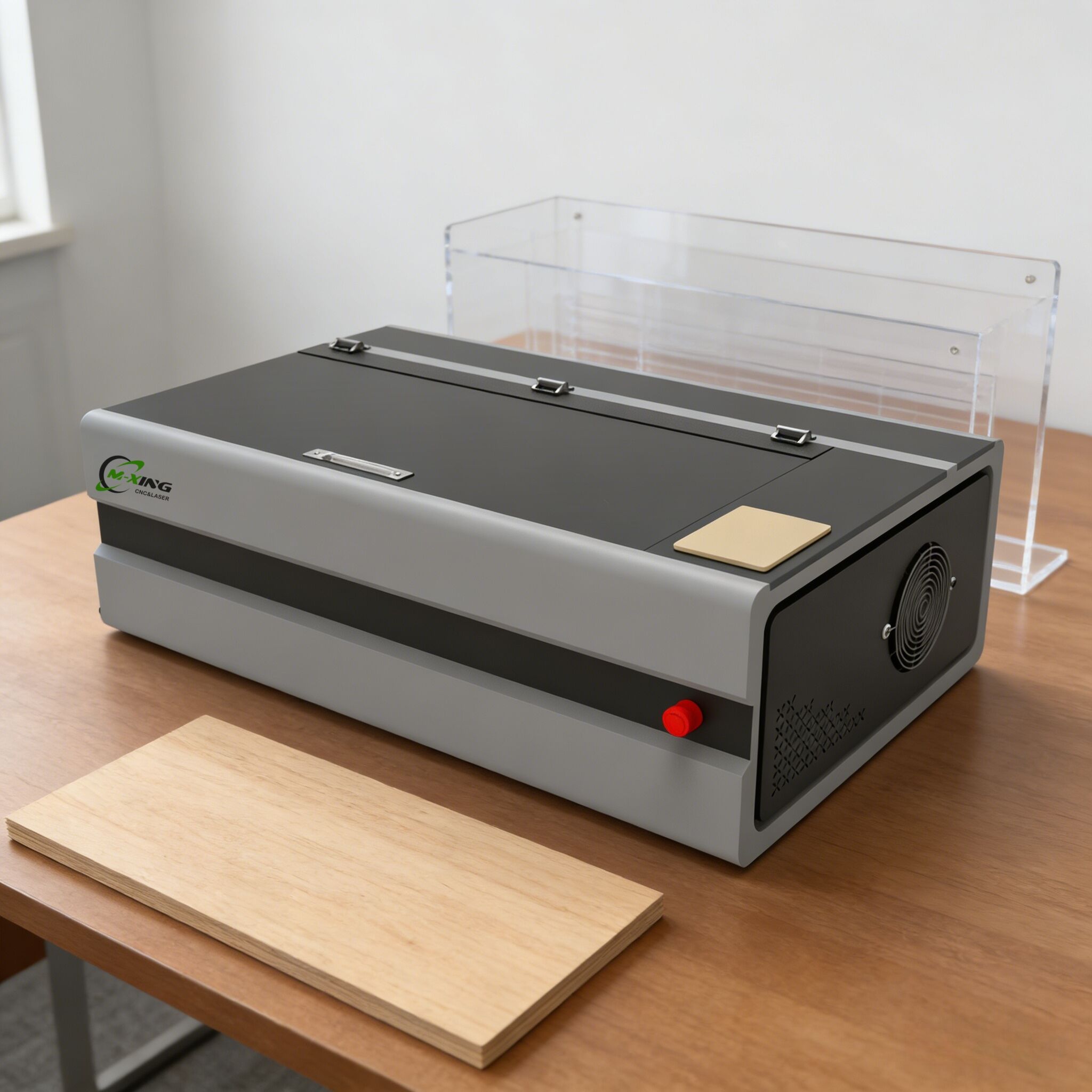
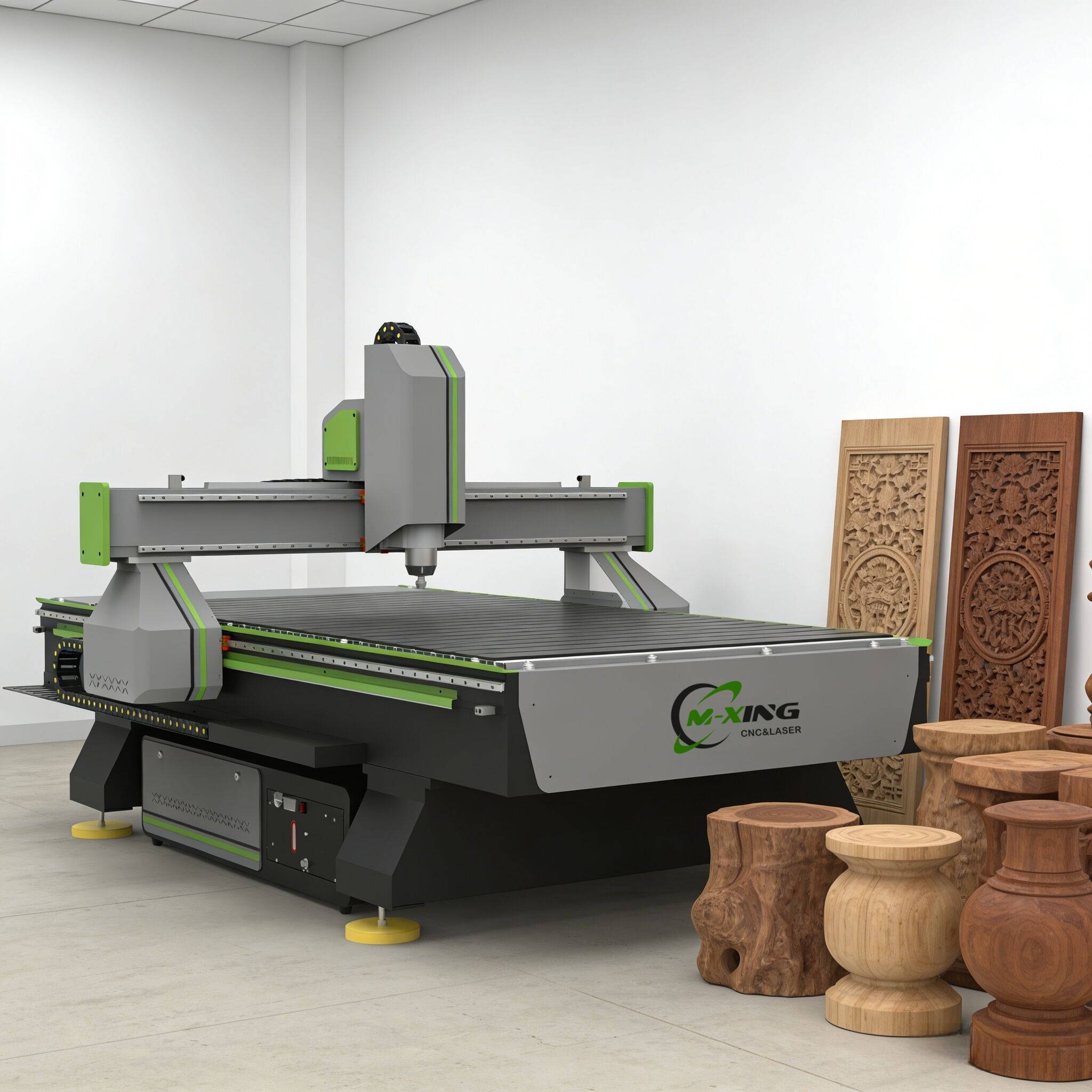
A tabletop CNC machine represents a revolutionary approach to precision manufacturing that brings industrial-grade machining capabilities directly to small workshops, educational institutions, and hobbyist environments. This compact computer numerical control system transforms raw materials into precisely crafted components through automated cutting, drilling, and milling operations. The tabletop CNC operates by following programmed instructions that control the movement of cutting tools across multiple axes, typically three or more, enabling the creation of complex geometries with exceptional accuracy. These machines integrate sophisticated software interfaces with robust mechanical components, featuring high-precision stepper motors, linear guides, and spindle systems designed for optimal performance in confined spaces. The technological foundation of a tabletop CNC relies on advanced motion control algorithms that coordinate simultaneous multi-axis movements, ensuring smooth tool paths and consistent surface finishes. Modern tabletop CNC units incorporate user-friendly control systems that accept various file formats, including G-code, CAD drawings, and proprietary software formats. The versatility of these machines extends across numerous materials, from soft woods and plastics to aluminum and other non-ferrous metals, making them invaluable for prototyping, small-scale production, and educational purposes. Key applications include jewelry making, PCB prototyping, architectural model creation, custom part manufacturing, and artistic engraving projects. The compact footprint of tabletop CNC machines makes them ideal for space-constrained environments while maintaining the precision and repeatability required for professional-quality results. These systems typically feature enclosed designs that minimize noise levels and contain debris, creating safer working conditions compared to traditional manual machining methods.
 EN
EN