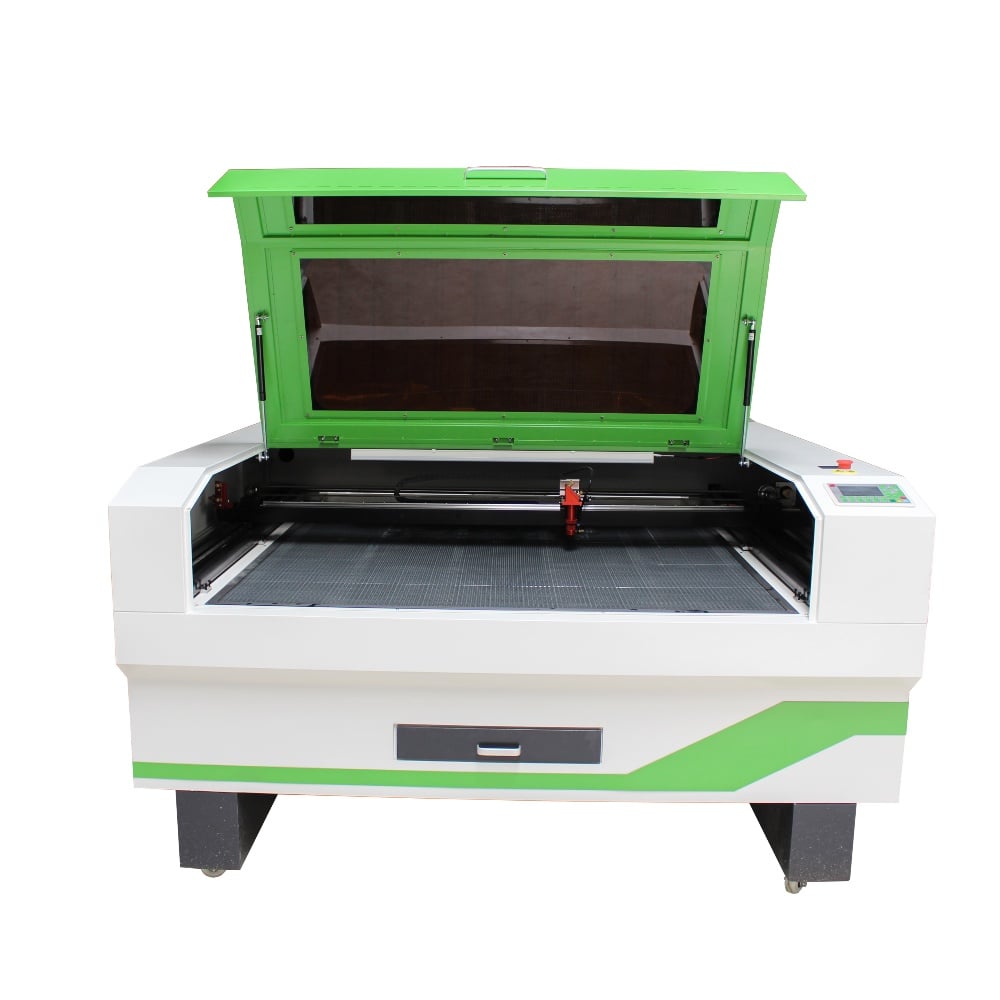
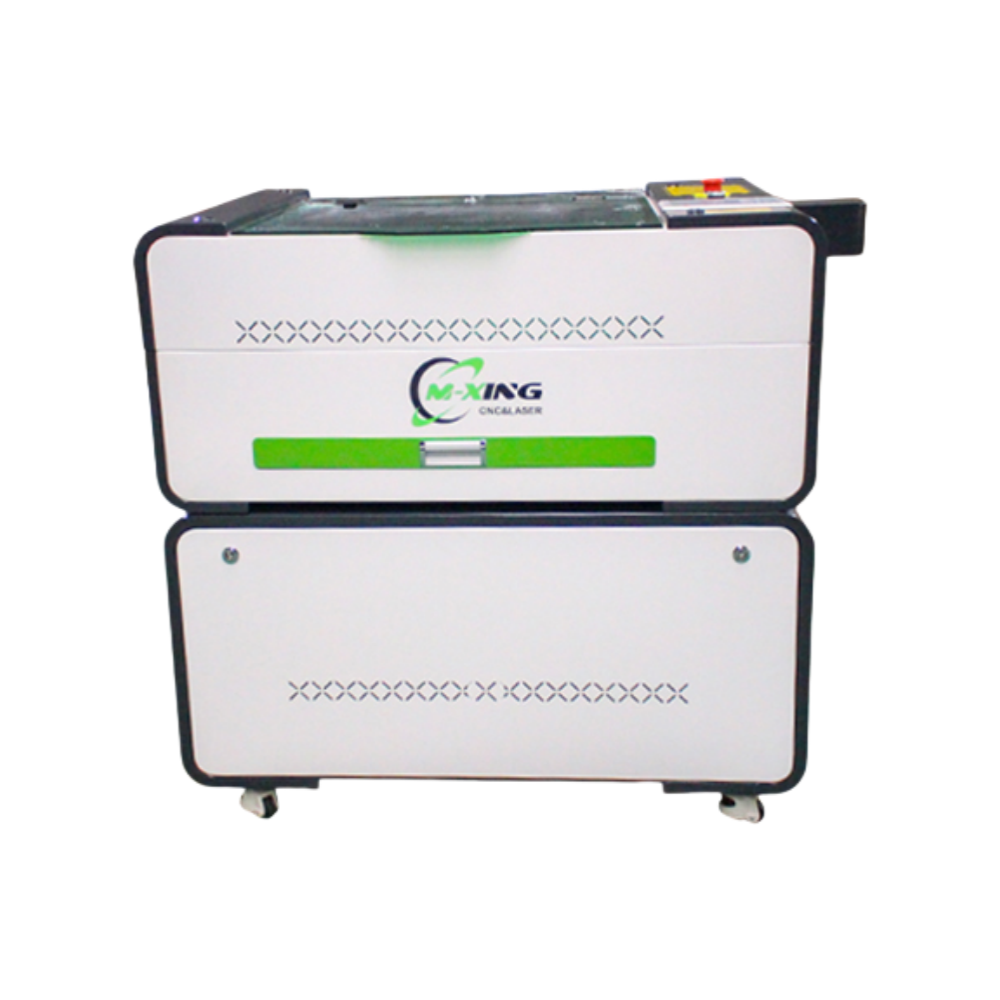
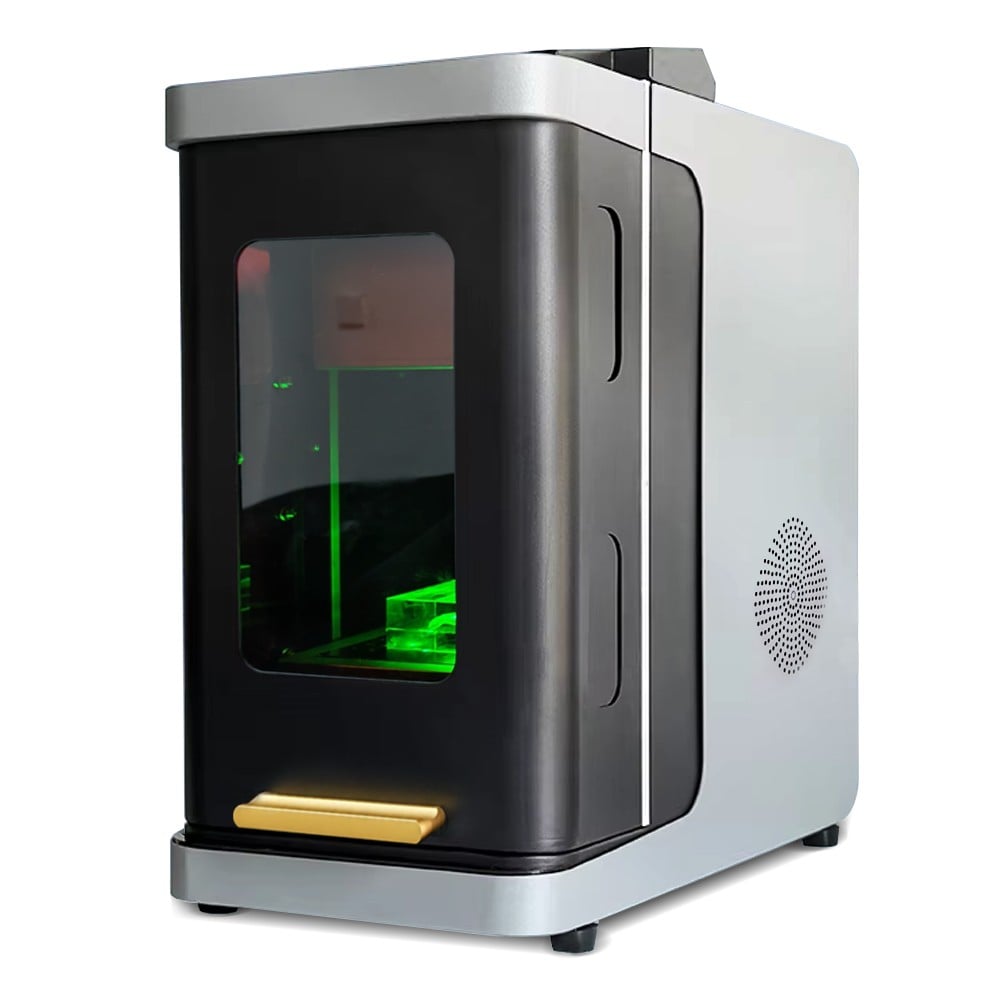
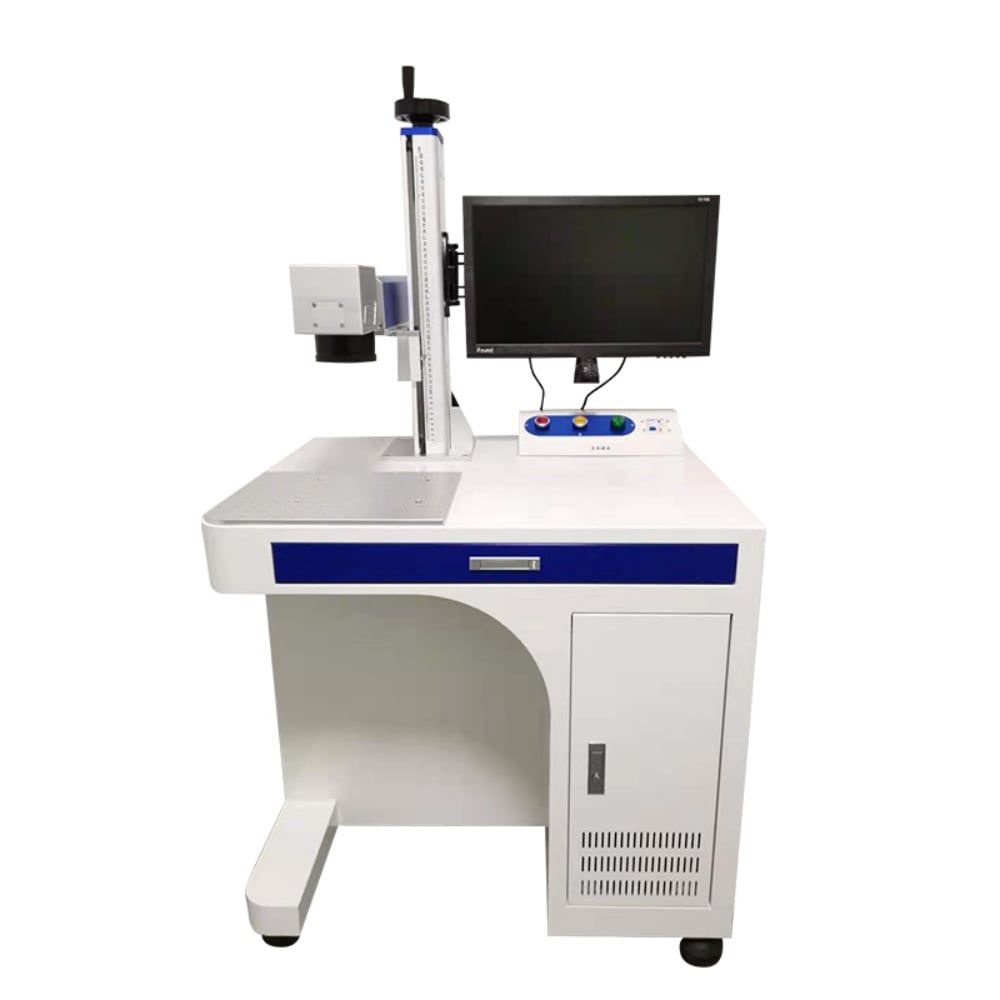
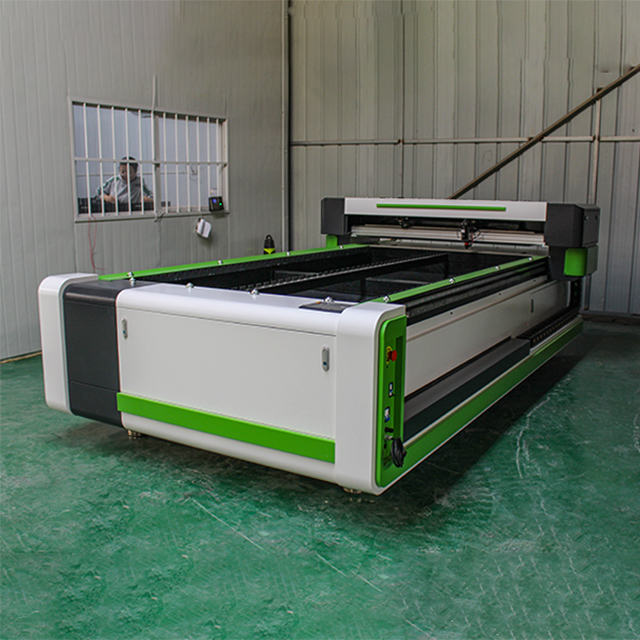
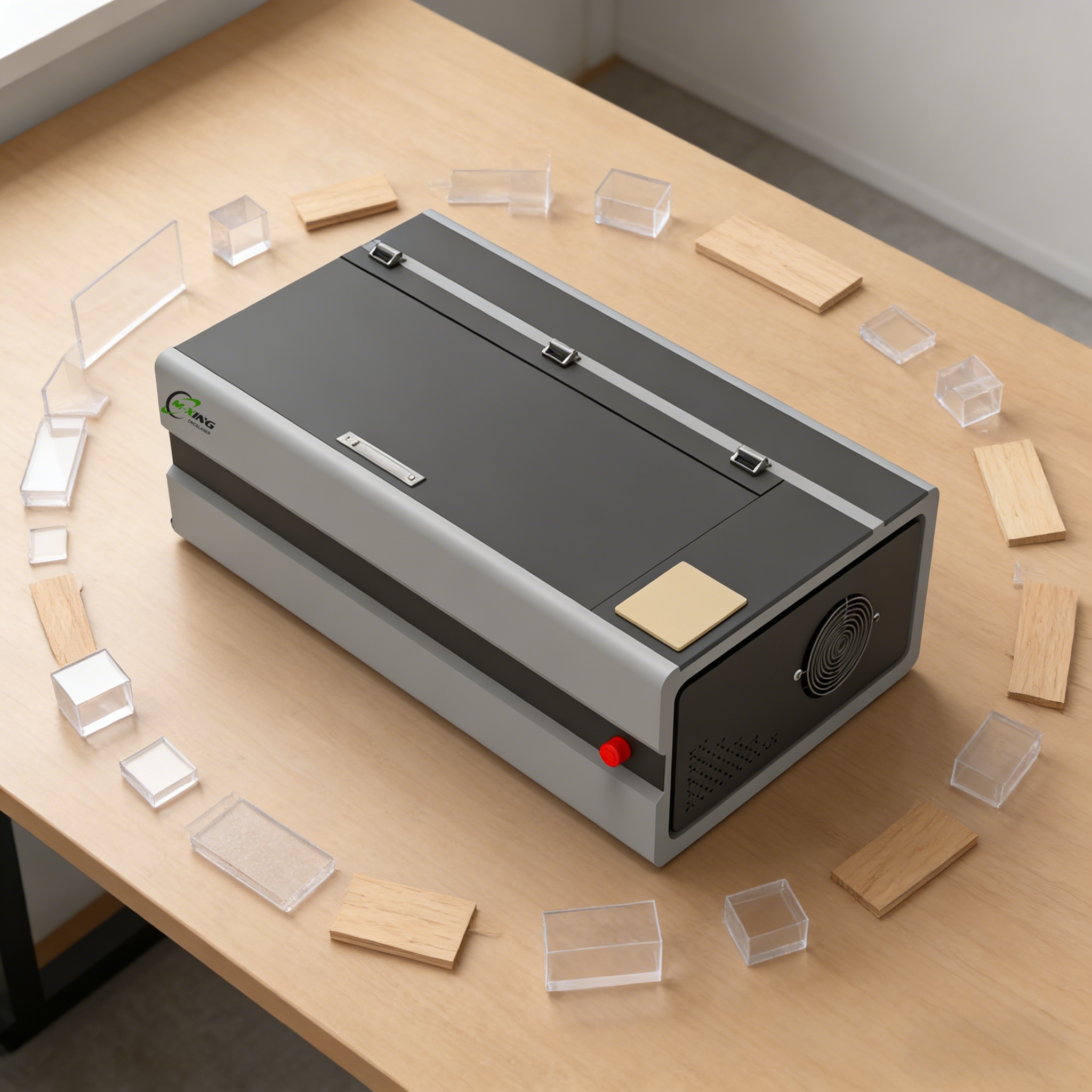
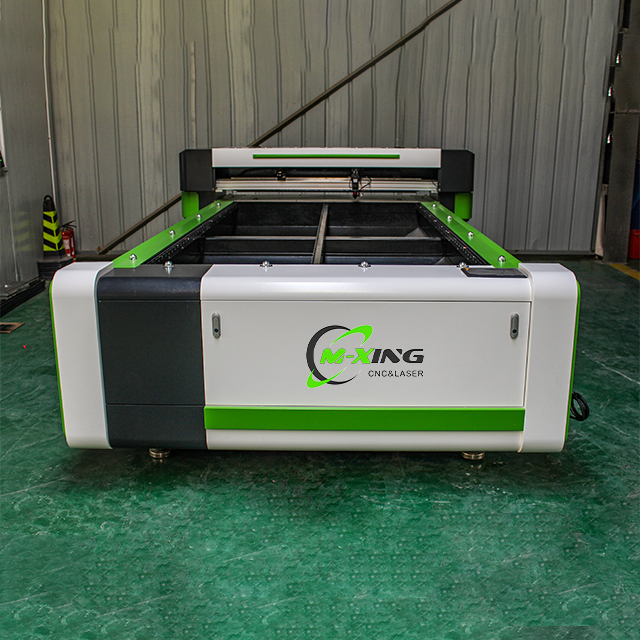
co2 laser sny en gravure masjien
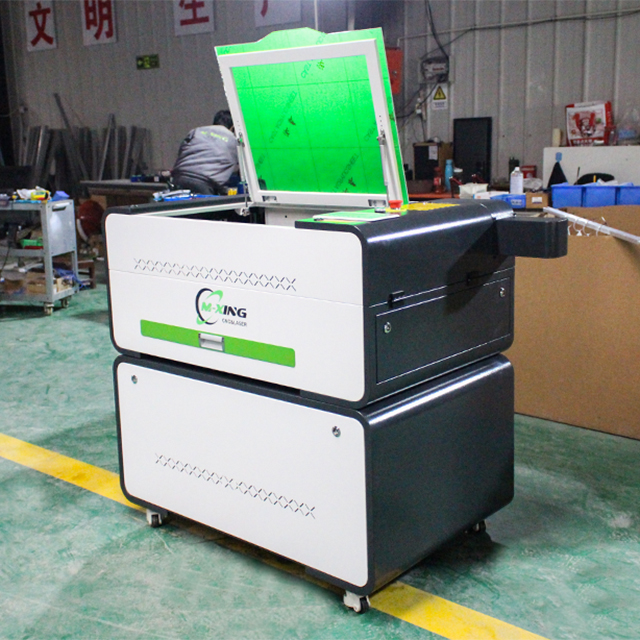
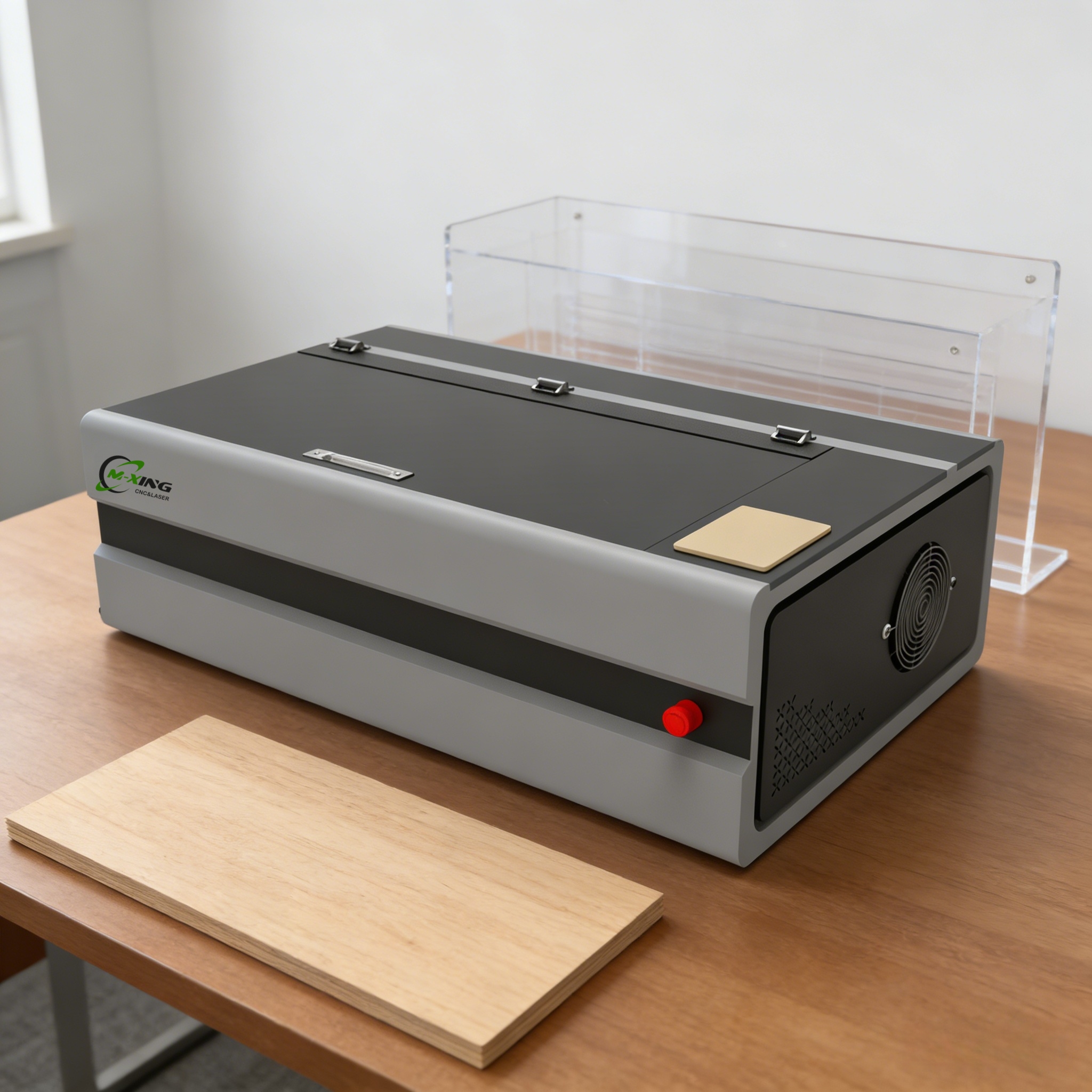
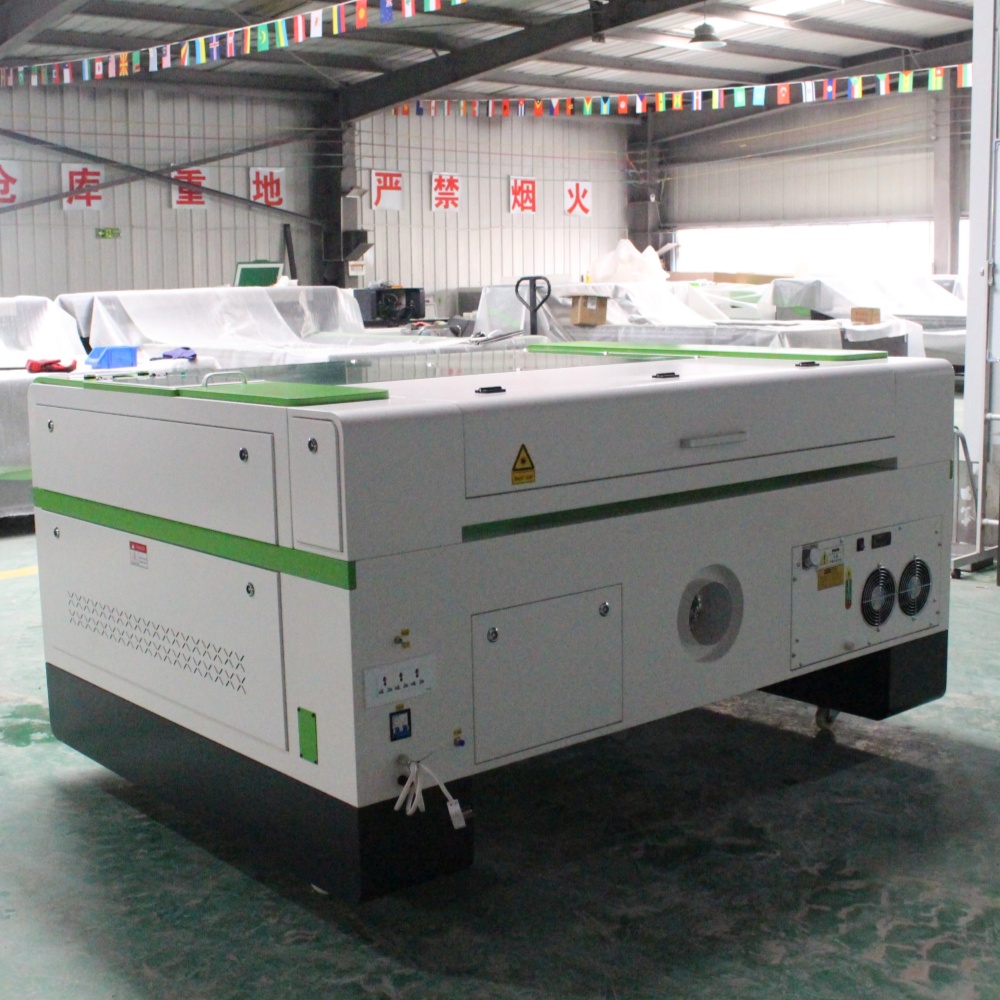
Die CO2-laser sny- en gravuremasjien verteenwoordig 'n rewolusionêre vooruitgang in presisie vervaardigingstegnologie, wat gekonsentreerde koolstofdioksied-laserstrale gebruik om uitstekende sny- en gravuurresultate op 'n wye verskeidenheid materiale te bereik. Hierdie gesofistikeerde toestel werk deur 'n hoëvermoë-laserstraal te genereer deur middel van 'n elektries gestimuleerde CO2-gas mengsel, wat temperature tot duisende grade skep om die teikenmateriale met opmerklike akkuraatheid te verdamp, smelt of brand. Die hoof funksies sluit presiese sny van verskeie materiale soos hout, akriel, leer, textiel, papier, karton en sekere metale in, sowel as gedetailleerde gravuurvermoëns wat ingewikkelde ontwerpe, teks en patrone met mikronvlakpresisie produseer. Tegnologies beskik hierdie masjiene oor gevorderde straalafleweringstelsels, gerekenariseerde numeriese beheer koppelvlakke en gesofistikeerde verkoelingsmeganismes wat optimale bedryfstemperatuure handhaaf. Die laserbuis genereer koherente lig deur elektriese ontlaaiing in 'n versegelde buis wat koolstofdioksied-, stikstof- en heliumgasse bevat. Moderne CO2-laser sny- en gravuremasjiene sluit gebruikersvriendelike sagtewareplatforms in wat verskeie lêerformate aanvaar, wat naadlose integrasie met ontwerp-programme soos AutoCAD, CorelDRAW en Adobe Illustrator moontlik maak. Toepassings strek oor talle nywerhede, insluitend tekensvervaardiging, argitektoniese modelle bou, tekstielverwerking, verpakkingontwerp, juwelierswerk, onderwysinstellings, kleinbesigheidbedryf en prototipering dienste. Die veelsydigheid strek ook na die skep van pasgemaakte toekennings, gepersonaliseerde geskenke, ingewikkelde versieringselemente en funksionele komponente binne vervaardigingssektore. Hierdie masjiene tree uit in die produksie van skoon rande sonder meganiese spanning, wat die behoefte aan sekondêre afwerkprosesse in baie toepassings elimineer. Die nie-kontak snymetode voorkom materiaalkontaminasie terwyl dit konsekwente resultate lewer ongeag variasies in materiaaldikte.

 EN
EN